I've come to appreciate boring hotfires. Our BE-7 team recently completed a 2,500 second hotfire test at 10klbf on a development engine, setting the record for the longest-duration turbo pump-fed liquid rocket engine hotfire. This built on some of the most rigorous testing in the history of propulsion, with the previous record set by the RS-25 engine that powered the Space Shuttle. They recorded two 2,017 second tests in 1988. It's not lost on us that we're following a path those engineers blazed, and we're grateful for it. Grab the popcorn and enjoy watching 41 minutes of hotfire goodness.
I am hesitant to get ahead of a proper data review, but I understand the space community’s curiosity, especially when imagery can give the impression of a problem.
As you would expect, engineers were eager to inspect the heat shield, starting with diver imagery shortly after splashdown and continuing with the review aboard the ship. No unexpected conditions were observed. I suspect when the images are released, it will be pretty obvious the stark difference between Artemis I and Artemis II head shield performance.
As to the question specifically, the discoloration was not liberated material. The white color observed corresponds to the compression pad area and is consistent with the local geometry, AVCOAT byproducts, and transitional heating environments. We observed this behavior in arc jet testing and expected it in this compression pad area.
We will complete a full data review across all systems, including the thermal protection system, and make the results publicly available.
LANÇAMENTO DA ARTEMIS II VISTO A PARTIR DE UM CESSNA EM 8K!
A NASA colocou um Cessna com uma câmera capaz de gravar em 8k@120fps para registrar o lançamento do SLS com a Artemis II.
O vídeo vai da decolagem até a separação dos boosters laterais, e a versão em 8k está nas respostas!
Artemis II has reached its maximum distance from Earth.
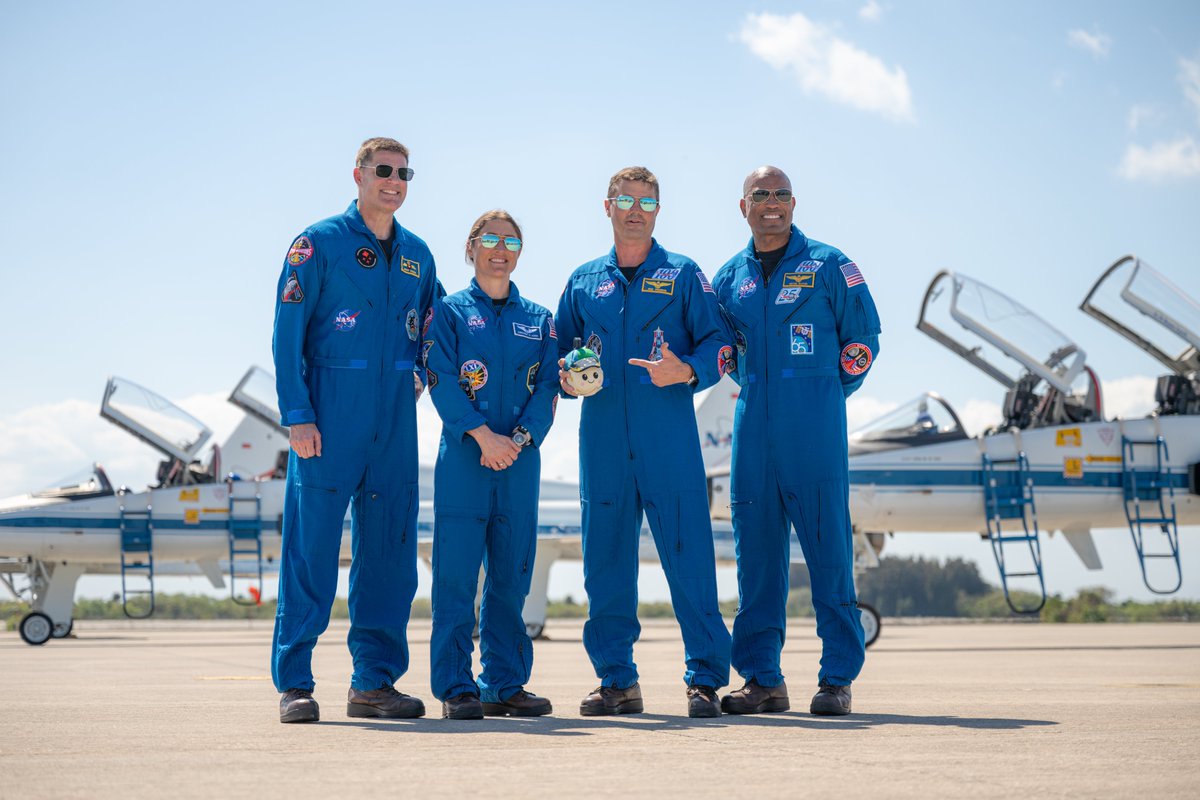
On the far side of the Moon, 252,756 miles away, Reid, Victor, Christina, and Jeremy have now traveled farther from Earth than any humans in history and now begin their journey home. Before they left, they said they hoped this mission would be forgotten, but it will be remembered as the moment people started to believe that America can once again do the near-impossible and change the world.
Congratulations to this incredible crew and the entire NASA team, our international and commercial partners, but this mission isn’t over until they’re under safe parachutes, splashing down into the Pacific.
The President’s new budget defunding American science and innovation is dead on arrival, just like last year.
As NASA astronauts are literally on their way to the Moon, showcasing the tremendous power of American innovation that the President claims to support, the Administration is actively trying to sabotage their mission and the dedicated team at NASA.
After last year's full-scale assault on American science and innovation was rejected by a broad, bipartisan, bicameral coalition — Trump has yet again gone along with Russ Vought's misguided goal to demolish our scientific agencies and drive technical leadership to other countries.
When will they learn? Congress understands that science is what creates new cures, creates new jobs, and inspires the next generation. And Congress will reject this terrible budget.
I'm honestly SHOCKED at how the general public has NO IDEA Artemis II is taking humans out to the moon and will be the furthest humans have ever flown. Every non-space nerd I've talked to has no idea. WE GOTTA GET PEOPLE STOKED!!!! THESE FOUR HUMANS ARE FLYING TO THE MOON!!!
The fight for space is the fight for the future-a fight America will win.
Once we unlock America’s innovative spirit, there’s nothing we can’t do.
Build fast, Colorado! 🚀
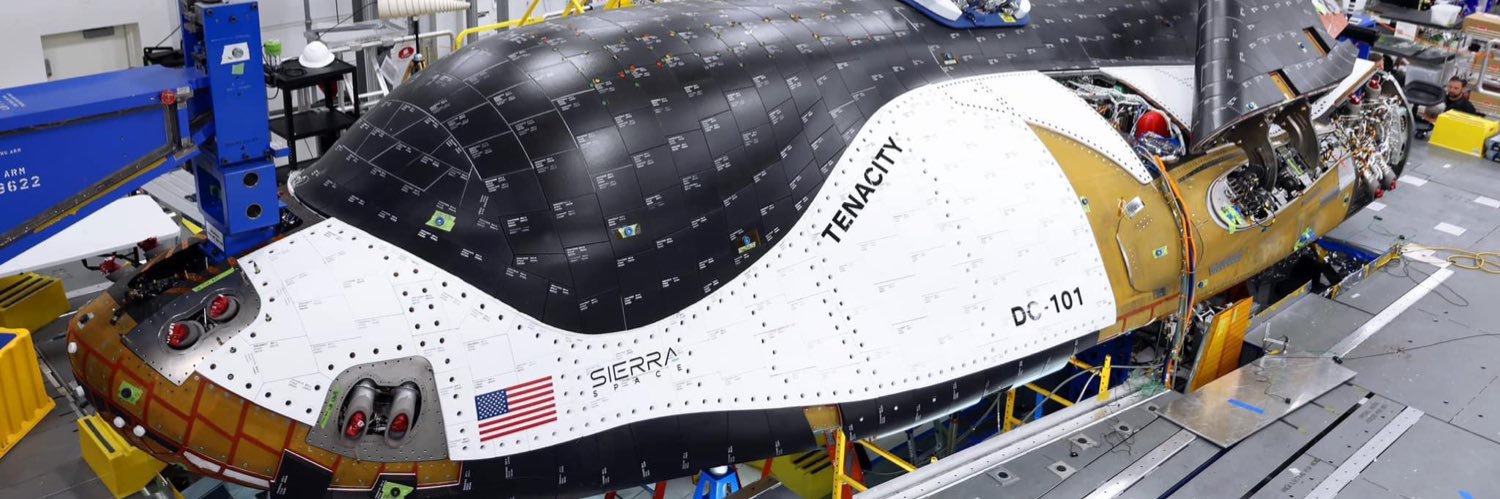
.@SECWAR gave remarks while visiting Sierra Space in Louisville, Colorado:
“On behalf of the entire Department of War, we came here with a simple message: Thank you for what you’re doing.
Thank you for having the backs of our warfighters.”
@ericweinstein Wouldn’t this essentially verify that a whole branch of science is under extreme classification? Science (to me) seems like one of things where there exists real potential for outsiders to stumble upon secret discoveries. Do you think this is possible?
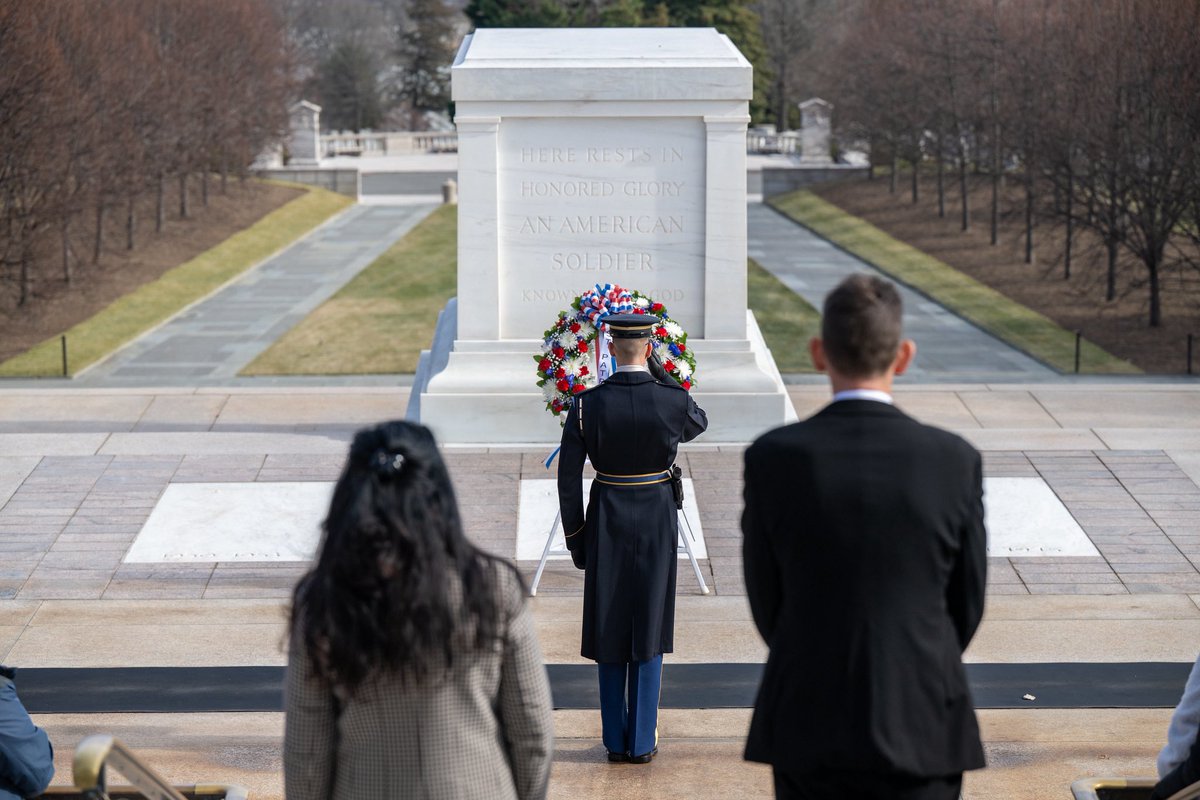
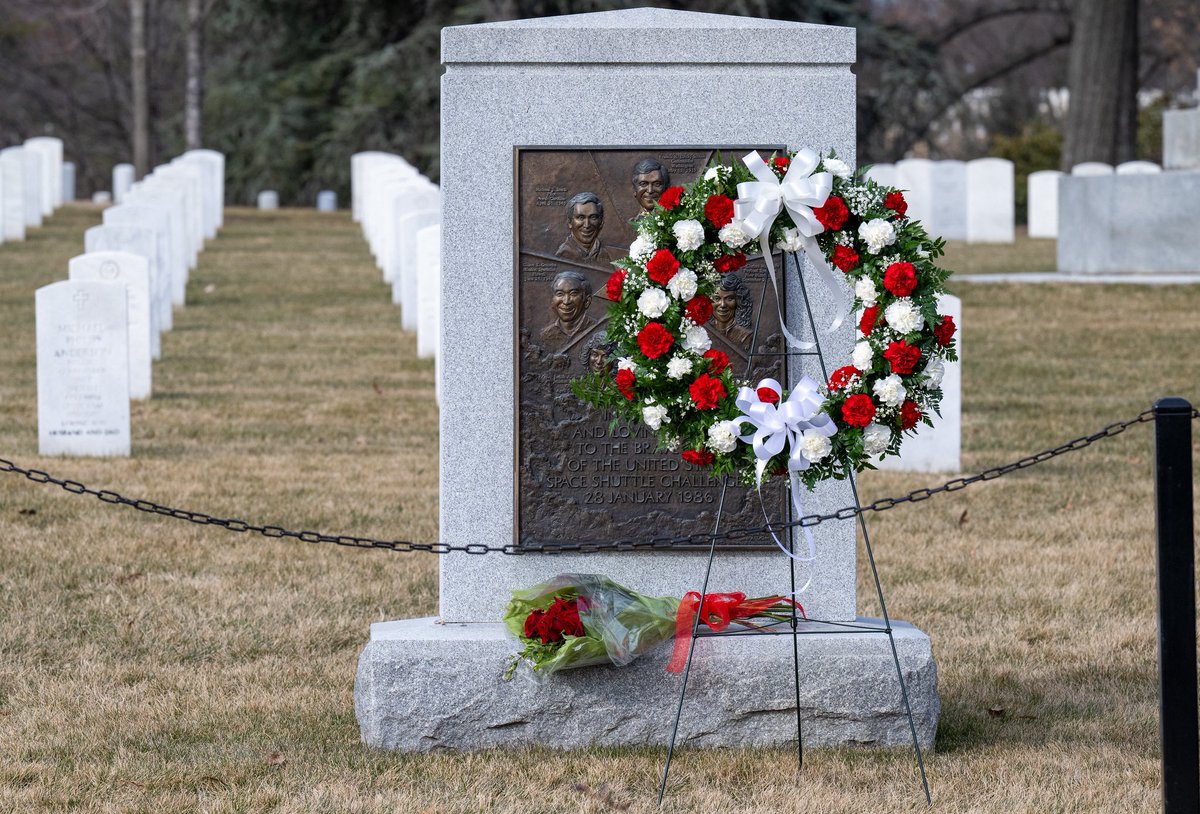
Today, on NASA’s Day of Remembrance, we honor the astronauts of Apollo 1, Challenger, and Columbia.
Honoring our crews isn’t about stepping back from risk, it’s about facing it with clarity. The impact of their lives and their missions is carried by every engineer, every astronaut, and every team working across the agency today, and in the work preparing us to go farther than ever before.
Apollo 1: Virgil “Gus” Grissom, Ed White, Roger Chaffee
Challenger (STS-51L): Dick Scobee, Michael Smith, Ronald McNair, Ellison Onizuka, Judith Resnik, Gregory Jarvis, Christa McAuliffe
Columbia (STS-107): Rick Husband, William McCool, Michael Anderson, Kalpana Chawla, David Brown, Laurel Clark, Ilan Ramon
@MattGialich I love Dragonfly..An autonomous ~1,000-pound, radioisotope-powered octocopter flying for years in −290°F temps on Titan is exactly the kind of near-impossible science mission NASA exists to achieve.