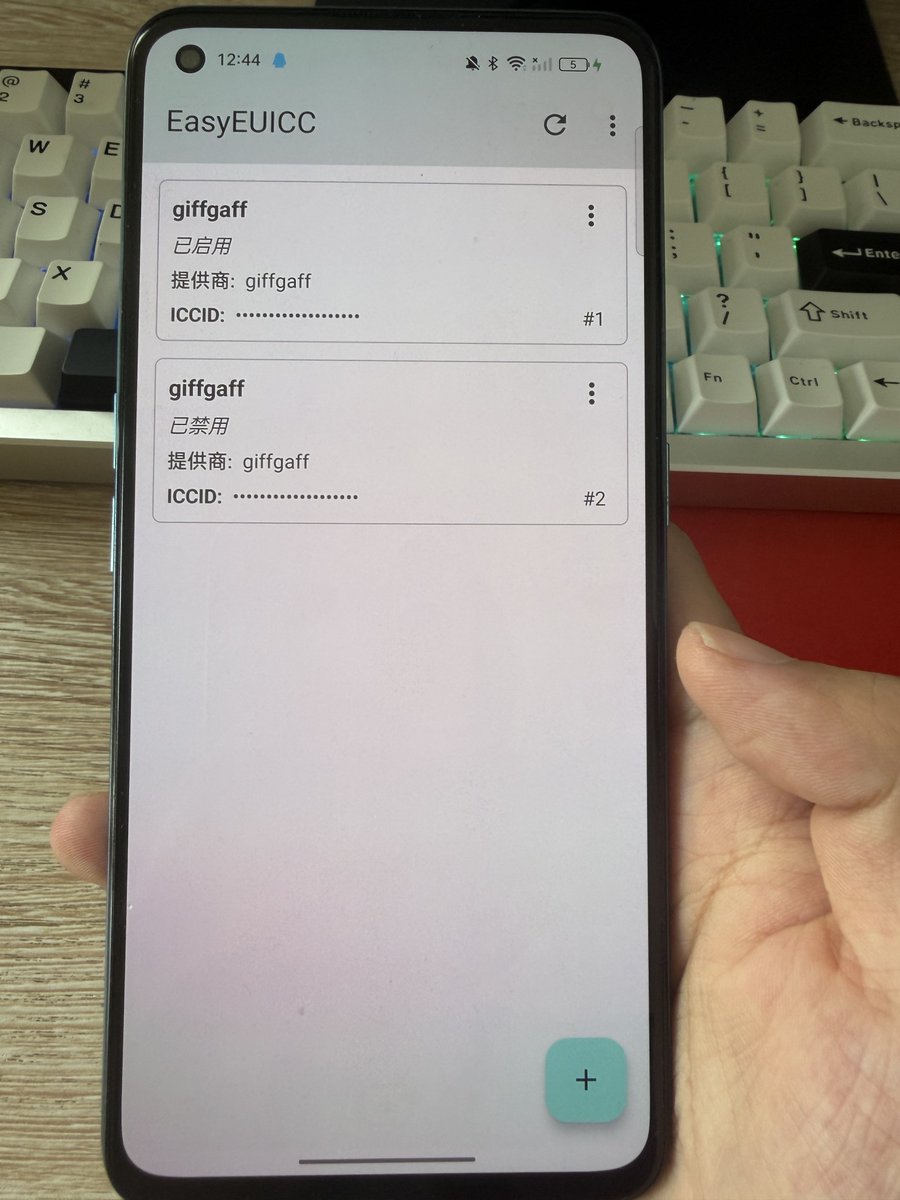
@xmattgentry@thsottiaux i think it weill allow connection by open relay( but you have to login in to codex using chatgpt account) , but you can already use ssh to connect to codex cli on linux(even not using chatgpt account but gateway url) ,this feature was introduced very long ago.
Two months ago I was fired by Google for creating the Google Workspace CLI. It went viral, hit #1 on Hacker News, gained thousands of GitHub stars and many thousands of actual users in just a couple days.
It was an incredible, confusing journey, from directors and leaders asking what they could learn from the tool to getting grilled by legal about why the Google logo and brand colors are on the Google Workspace GitHub code repositories.
I think the cause was that Workspace and certain leaders (and projects) were afraid of being disrupted. But the fear wasn't specific to my CLI, it was a broader fear in what agents meant for Workspace. Either way, the irony of my termination was the announcement at Google Cloud Next two days before I was fired that an official Workspace CLI was coming.
I want this out there because it is easier for me to explain my story and it is an experience I want to fully own. It's also part of my healing.
Nearly 7 years at Google was an incredible opportunity for me and I was fortunate to have wonderful teammates and a manager that fully supported me through these last few months. Thank you.
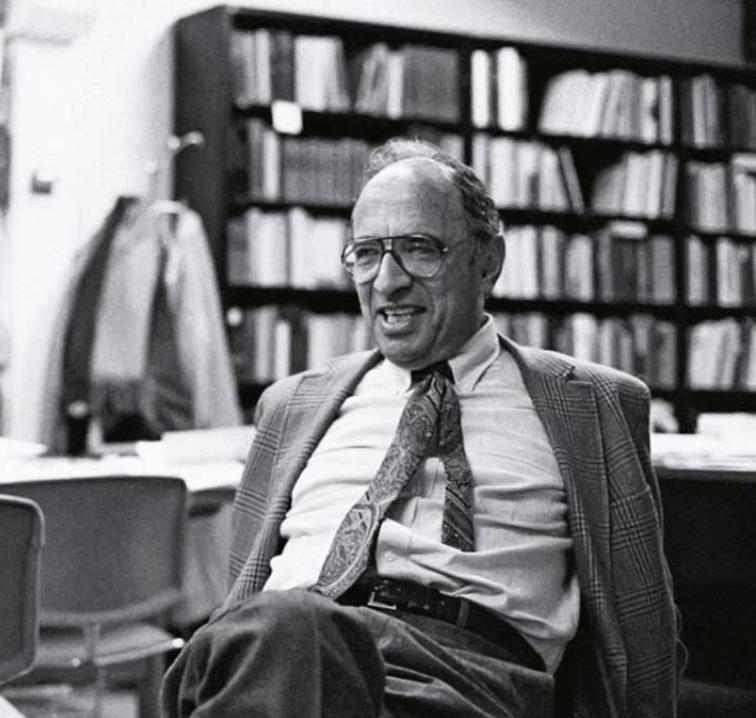
« Normal science, the activity in which most scientists inevitably spend most all their time, is predicated on the assumption that the scientific community knows what the world is like. Normal science often suppresses fundamental novelties because they are necessarily subversive of its basic commitments. As a puzzle-solving activity, normal science does not aim at novelties of fact or theory and, when successful, finds none. » Thomas Kuhn
The linear model of innovation is almost entirely backward. This model describes progress like so: University professors and their students develop the new ideas, these ideas are then taken up by industry which deploys them.
You can come up with stories that are supportive of this model... But on the ground, we are still fighting to get UML and the waterfall model off the curriculum. Major universities still forbid the use of LLMs in software courses (as if they could).
Universities are almost constantly behind. Not only are they behind, they often promote old, broken ideas. Schools still teach about the 'Semantic Web' in 2025.
Don't get me wrong. The linear model can work, sometimes. It obviously can. But there are preconditions, and these preconditions are rarely met.
Part of the issue is 'peer review' which has grown to cover everything. 'Peer review' means 'do whatever your peers are doing and you will be fine'. It is fundamentally reactionary.
Innovations still emerge from universities, but through people who are rebels. They either survive the pressure of peer review, or are just wired differently.
Regular professors are mostly conservative forces. To be clear, I do not mean 'right wing'. I mean that they are anchored in old ideas and they resist new ones.
Want to see innovation on campus ? Look for the rebels.