Hey! I’m on this episode! Take a listen. The ocean is a major player in our climate, and we SHOULD talk about it more. The Climate Question - How can oceans help us capture carbon? - BBC Sounds #oceans#climatechange#carboncapture#bluecarbon https://t.co/Ank3dH79ys
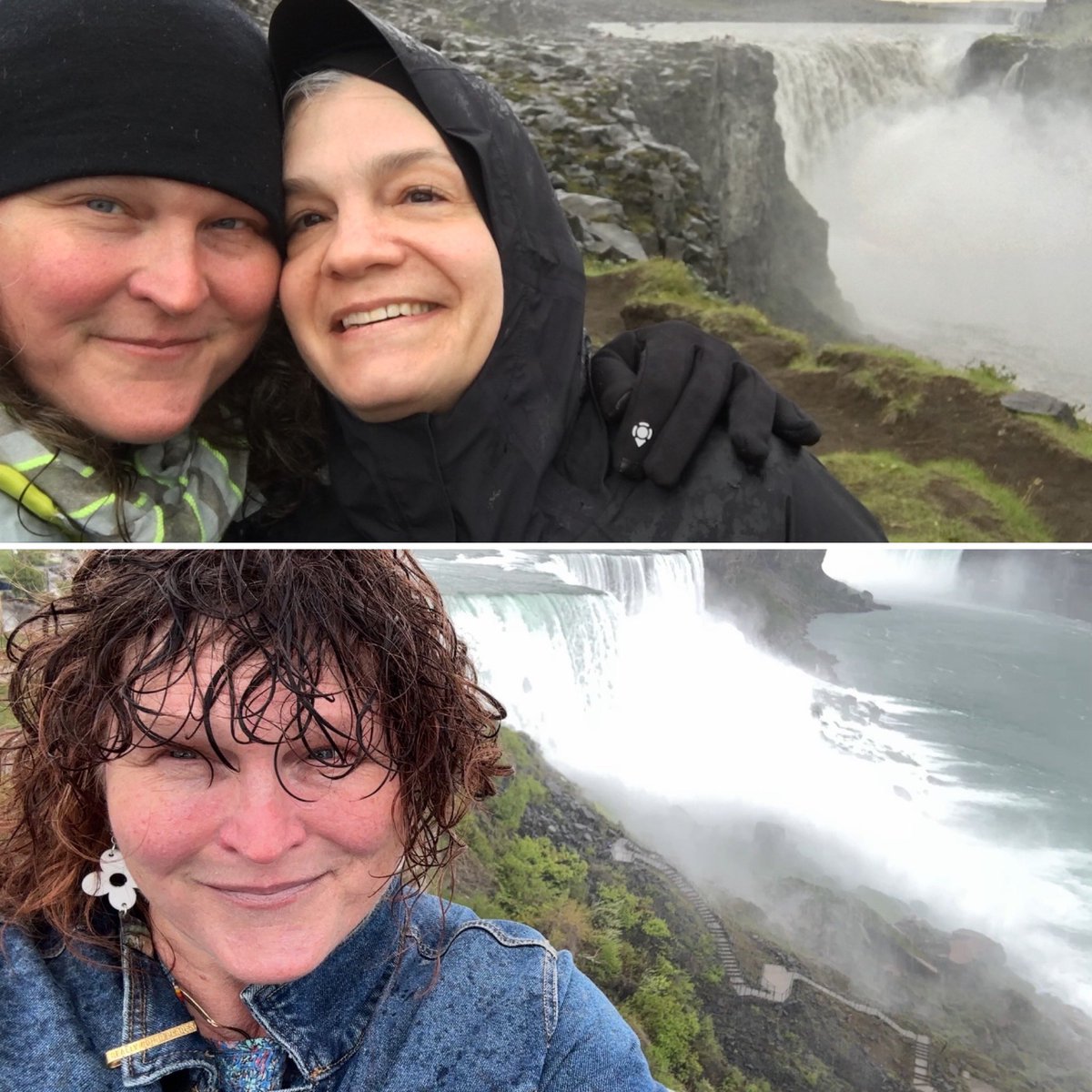
Yesterday I meditated on friendship, loss of my pal, and mortality at #niagarafalls.
So here’s my #KimPhilosophy at 55:
Love and make time for your peeps,
Embrace change,
Help people and Mother Earth when you’re able,
Choose joy,
and
Do not be an asshole.
Interested in rivers, #Crowdsourcing, #AI, #RemoteSensing, or #OpenScience? Join us June 9th @ 8am PT to discuss their integration & collaboration opportunities across manuscripts, data & models via @WHONDRS. Sign up https://t.co/yM8MkjigbE & see Summary https://t.co/3yhP0iJPZ1.
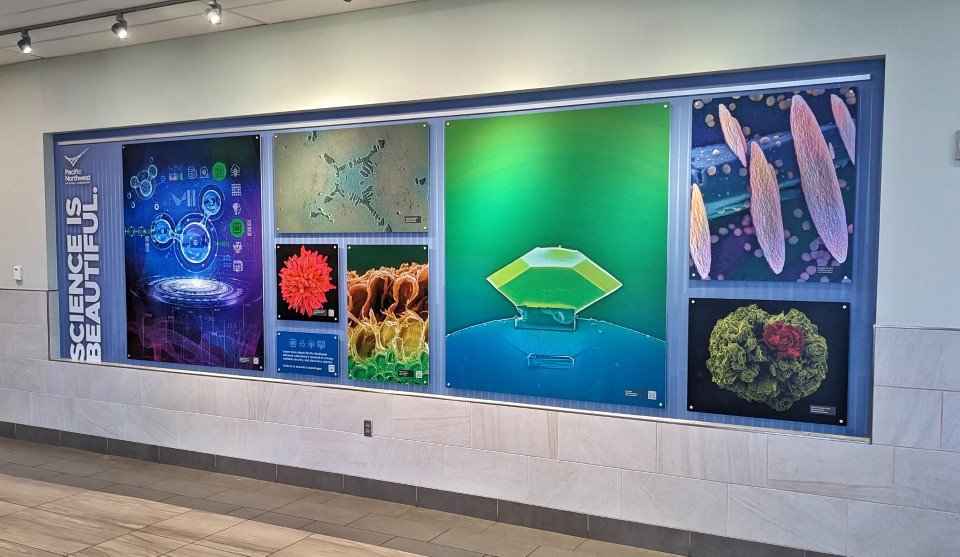
@FromTheLabBench Our amazing visuals team recently installed this #sciart at our local airport (PSC) with QR codes so people can learn more about the science featured. Expands the reach of those particular images and hopefully draws people in to @PNNLab#scicomm
On #WorldHealthDay, we honor the tireless efforts of our researchers who are committed to unraveling the mysteries of biological systems. Their discoveries contribute to a healthier future for all. Learn more https://t.co/K0TujGcpB6 #HealthForAll#pnnl#humanhealth#biology
What does it mean to be successful in a #scicomm career? I’ve been pondering this... Do I need a wide reach? Glossy bylines? Clout in the community? A team of people? My own business? Loads of published pieces?
Or can success be just writing from my heart for a few people?
If he:
-Changes his entire look for you
-Travels 1,900 miles upstream to chase you
-Procreates and dies
-Replenishes an entire ecosystem with his carcass
He's not your valentine, he's a Chinook salmon
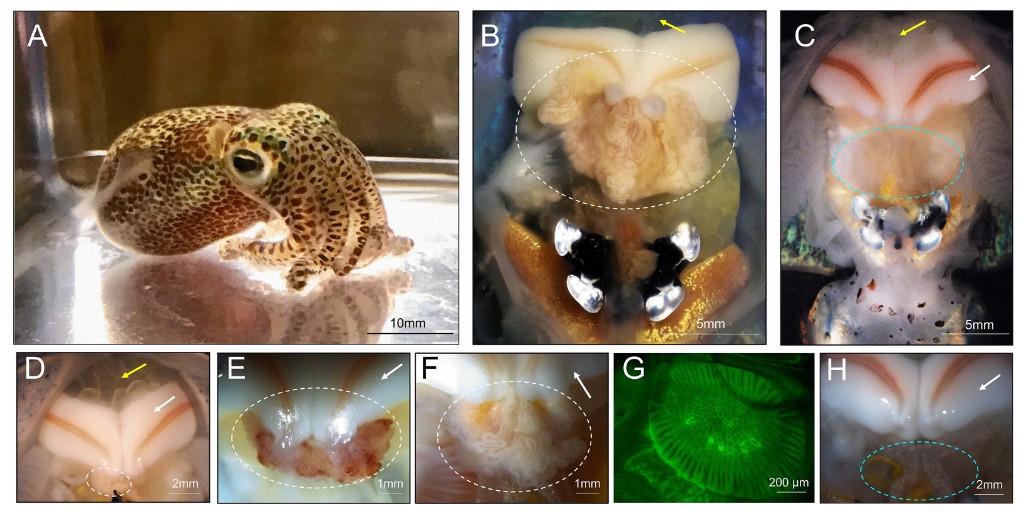
Researchers show that certain bacteria are required for formation of a female-specific organ in the Hawaiian bobtail squid, providing the 1st example of complete organ development relying on exposure to symbiotic bacteria in an animal host. @mbiojournal: https://t.co/LCKRtKurWU
NEW from NOAA SOS: This dataset shows the tsunami wave caused by the asteroid that hit Earth 66 million years ago. The wave was so impressive because the asteroid is estimated to have been 6+ miles (10+ km) in diameter! Want to learn more? https://t.co/MHCGQ1VDEa
#dataviz#Data
How will a warmer world affect storms in the Western U.S.? They're getting wetter, but that's not the whole picture. Climate scientist Ruby Leung explains. https://t.co/IdKIpIanft
The horror of how microplastics can enter the marine food chain. The first arrow worm has eaten a round worm, the second has eaten a plastic microfiber that has blocked the passage of food (diatoms) in its gut. @zeiss_micro
.@PNNLab collaborated with @TheNeuro_MNI on a new study that helps to understand the course of #AlzheimersDisease in each patient.
Read the full article: https://t.co/3wpNxq0PLL
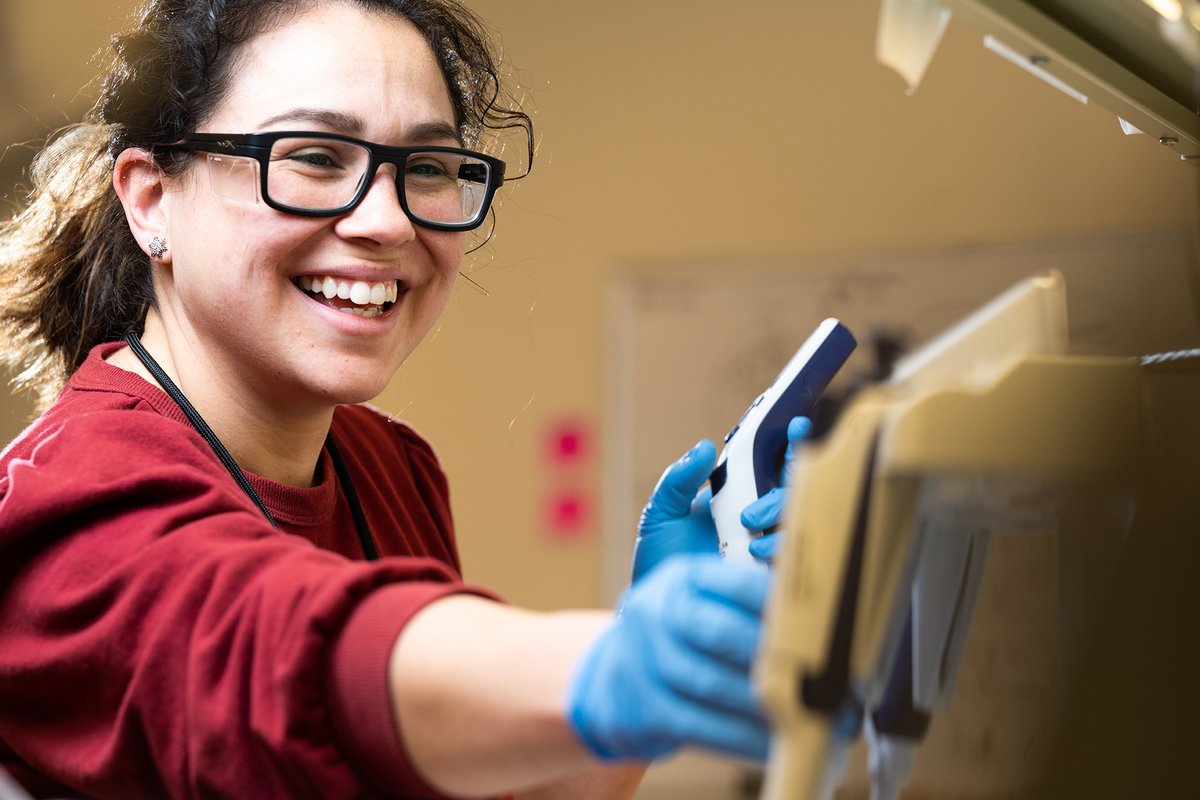
Researcher Marci Garcia is excited it's #WorldSoilDay! Scientists are studying how microbes interact with each other and the soil habitat to break down or store carbon, how soil microbiomes affect plant growth, and more. https://t.co/4FlpwIOErU