This is f*cking insane: OpenAI co-founder Andrej Karpathy says a tiny 1B model can beat most of today's giant LLMs.
"A 1B model can be much more effective than most current LLMs. 90% of current models waste a ton of capacity and money on remembering stuff that doesn't matter"
In 64 seconds he explains why intelligence lives in the system around the model, not in its size.
Memorized Internet → Cognitive Core → Tools → Feedback Loop → Agent That Works
Save this before it gets lost in X's algorithms.
Everything below is free:
Neural Networks: Zero to Hero
Karpathy's own course, from scratch
https://t.co/43Htnj4go4
nanochat
Karpathy's "best ChatGPT that $100 can buy"
https://t.co/B0RlVzl1i9
Effective Harnesses for Long-Running Agents
The system around the model, by Anthropic
https://t.co/BAWfoVWQAx
Effective Context Engineering for AI Agents
What to feed the model and what to cut
https://t.co/dBVaoEVPNY
All of this costs $0
99% will keep waiting for a bigger model.
The 1% who build better systems will win with a smaller one.
Bookmark it and start with the first link tonight
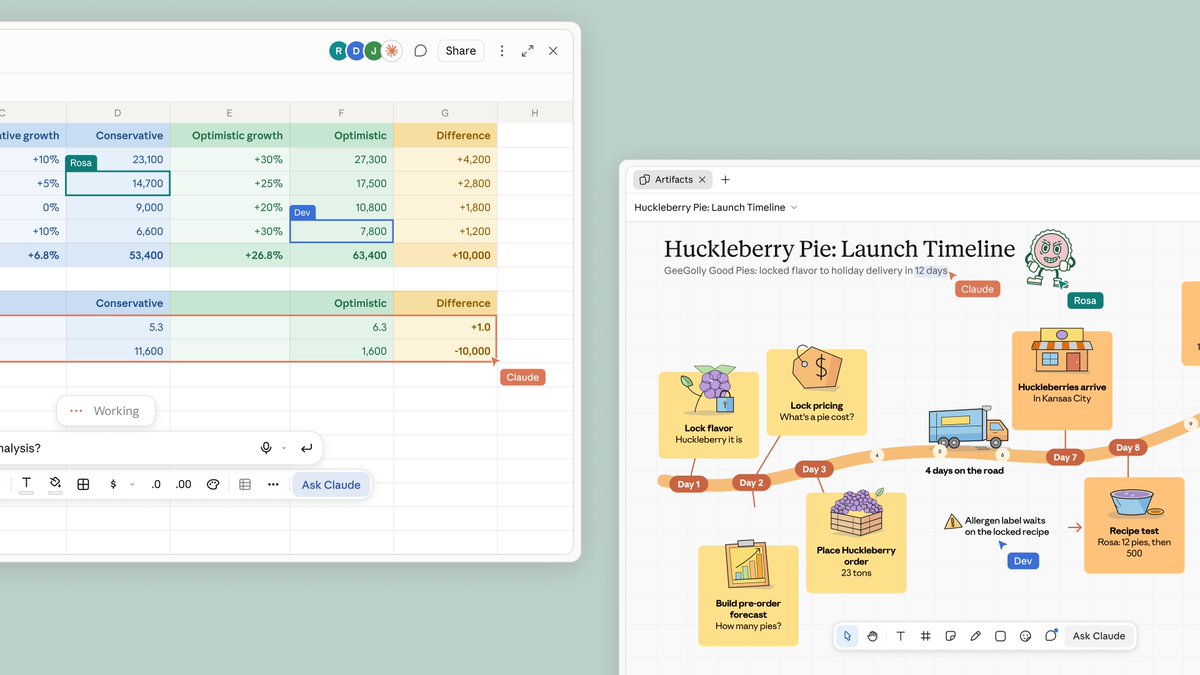
Introducing Claude Meetings: add Claude to your team’s video call and it builds docs, whiteboards, and other artifacts with you while you’re still talking.
Starting to roll out in beta on Team and Enterprise plans.
🆕 Today, we're introducing the Geospatial Analytics Playground ➡️ https://t.co/xZmo8QzBMl
Transform your enterprise evaluation cycle with a natural-language interface on top of our live datasets to save time and effort.
🏗️ Zero-Infrastructure Proofs of Concept
✅ Instant Schema & Data Validation
🏁 Rapid Workflow Prototyping
Starting to roll out today: Claude Whiteboards, Claude Sheets and Claude Data.
Think a plan through on a board, build a tracker in a sheet, and tell a story with your data.
With Claude Whiteboards, talk through a messy plan and Claude lays it out on a board your team can edit. With Claude Sheets, ask for a tracker or a budget and you get a working spreadsheet you can all keep building.
In beta on paid plans.
Claude Data (formerly Dashboards) is now generally available on paid plans.
Along with dashboards, Claude can draft data stories and narrated videos from your metrics, for you to review before sharing. Certified queries and live sharing are in beta.
NVIDIA Open-Sources Auto Ontology, a Semantic Layer for AI Agents
Your boss asks the AI agent: "What was revenue last quarter?"
It answers in 3 seconds. Clean number. Nice chart.
But it used the wrong "revenue" column. 𝗡𝗼𝗯𝗼𝗱𝘆 𝗻𝗼𝘁𝗶𝗰𝗲𝘀.
That's the problem NVIDIA's new open-source library, Auto Ontology, goes after. Its README puts it plainly:
"…𝘢 𝘳𝘦𝘷𝘦𝘯𝘶𝘦 𝘮𝘦𝘵𝘳𝘪𝘤 𝘢𝘯𝘴𝘸𝘦𝘳𝘦𝘥 𝘧𝘢𝘴𝘵𝘦𝘳 𝘪𝘴 𝘸𝘰𝘳𝘵𝘩 𝘯𝘰𝘵𝘩𝘪𝘯𝘨 𝘪𝘧 𝘵𝘩𝘦 𝘯𝘶𝘮𝘣𝘦𝘳 𝘪𝘴 𝘸𝘳𝘰𝘯𝘨."
𝗪𝗵𝗮𝘁 𝗶𝘁 𝗶𝘀:
A "context layer" that sits between an AI agent and your database. It tells the agent where the data lives, what each field means, and whether to use it.
𝗛𝗼𝘄 𝗶𝘁 𝘄𝗼𝗿𝗸𝘀, 𝘀𝘁𝗲𝗽 𝗯𝘆 𝘀𝘁𝗲𝗽:
• 𝗗𝗶𝘀𝗰𝗼𝘃𝗲𝗿: it reads your database metadata and drafts an ontology, a map of business terms like "active customer"
• 𝗚𝗿𝗼𝘂𝗻𝗱: agents use those terms instead of guessing from raw table names
• 𝗩𝗮𝗹𝗶𝗱𝗮𝘁𝗲: it checks generated SQL against certified definitions
• 𝗘𝘅𝗽𝗼𝘀𝗲: agents reach it through MCP, a CLI or an API
• 𝗟𝗲𝗮𝗿𝗻: certified corrections go back into the map
𝗙𝗼𝗿 𝘂𝘀𝗲𝗿𝘀:
Ask a question, get 𝘁𝗵𝗲 𝗮𝗻𝘀𝘄𝗲𝗿, 𝘁𝗵𝗲 𝗦𝗤𝗟 𝗶𝘁 𝗿𝗮𝗻, 𝗮𝗻𝗱 𝘁𝗵𝗲 𝗿𝗼𝘄𝘀. You can check the work, not just trust it.
𝗙𝗼𝗿 𝗯𝘂𝗶𝗹𝗱𝗲𝗿𝘀:
• Apache 2.0, runs with Docker Compose or Helm
• Works with Databricks, Postgres, Snowflake and DuckDB
• Defaults to NVIDIA's Nemotron models, but 𝗮𝗻𝘆 𝗢𝗽𝗲𝗻𝗔𝗜-𝗰𝗼𝗺𝗽𝗮𝘁𝗶𝗯𝗹𝗲 𝗲𝗻𝗱𝗽𝗼𝗶𝗻𝘁 𝘄𝗼𝗿𝗸𝘀
• The MCP server has 𝟵 𝗿𝗲𝗮𝗱-𝗼𝗻𝗹𝘆 𝘁𝗼𝗼𝗹𝘀. There is deliberately no tool to browse raw tables, so agents must go through the business terms
𝗜𝘁 𝗯𝘂𝗶𝗹𝗱𝘀 𝗼𝗻 𝗲𝗮𝗿𝗹𝗶𝗲𝗿 𝘄𝗼𝗿𝗸:
• Cube and dbt MetricFlow: semantic layers you write by hand in code
• Wren AI: an open semantic layer for AI agents, with a context layer built partly by agents
• Snowflake's Semantic View Autopilot: also drafts semantic models with AI, but only for Snowflake
What's different here: 𝗼𝗽𝗲𝗻 𝘀𝗼𝘂𝗿𝗰𝗲, 𝘄𝗼𝗿𝗸𝘀 𝗮𝗰𝗿𝗼𝘀𝘀 𝗳𝗼𝘂𝗿 𝗱𝗮𝘁𝗮𝗯𝗮𝘀𝗲𝘀, 𝗮𝗻𝗱 𝗯𝘂𝗶𝗹𝘁 𝗳𝗼𝗿 𝗮𝗴𝗲𝗻𝘁𝘀 𝘁𝗵𝗿𝗼𝘂𝗴𝗵 𝗠𝗖𝗣.
𝗧𝗵𝗲 𝗵𝗼𝗻𝗲𝘀𝘁 𝗽𝗮𝗿𝘁:
• 𝗧𝗵𝗲 "𝟵𝟬% 𝗳𝗮𝘀𝘁𝗲𝗿" 𝗰𝗹𝗮𝗶𝗺 𝗶𝘀 𝗡𝗩𝗜𝗗𝗜𝗔'𝘀 𝗼𝘄𝗻 𝘁𝗲𝘀𝘁𝗶𝗻𝗴, with no baseline published
• 𝗡𝗼 𝗮𝗰𝗰𝘂𝗿𝗮𝗰𝘆 𝘀𝗰𝗼𝗿𝗲𝘀 𝗮𝗿𝗲 𝗽𝘂𝗯𝗹𝗶𝘀𝗵𝗲𝗱. NVIDIA ships an eval harness (BIRD, 1,534 questions) but no results
• That harness was tested with 𝗖𝗹𝗮𝘂𝗱𝗲 𝗢𝗽𝘂𝘀 𝟰.𝟴, 𝗻𝗼𝘁 𝗡𝗲𝗺𝗼𝘁𝗿𝗼𝗻
• 𝗪𝗶𝘁𝗵𝗼𝘂𝘁 𝗛𝗮𝘀𝗵𝗶𝗖𝗼𝗿𝗽 𝗩𝗮𝘂𝗹𝘁, 𝗱𝗮𝘁𝗮𝗯𝗮𝘀𝗲 𝗽𝗮𝘀𝘀𝘄𝗼𝗿𝗱𝘀 𝗮𝗿𝗲 𝘀𝘁𝗼𝗿𝗲𝗱 𝘂𝗻𝗲𝗻𝗰𝗿𝘆𝗽𝘁𝗲𝗱 in Postgres (per the README)
• It's young: 𝗮𝗯𝗼𝘂𝘁 𝟳𝟱𝟬 𝗚𝗶𝘁𝗛𝘂𝗯 𝘀𝘁𝗮𝗿𝘀, and NVIDIA isn't accepting outside contributions
𝗧𝗵𝗲 𝗯𝗶𝗴𝗴𝗲𝗿 𝗽𝗼𝗶𝗻𝘁: the hard part of AI analytics isn't writing SQL. 𝗜𝘁'𝘀 𝗮𝗴𝗿𝗲𝗲𝗶𝗻𝗴 𝗼𝗻 𝘄𝗵𝗮𝘁 𝘁𝗵𝗲 𝘄𝗼𝗿𝗱𝘀 𝗺𝗲𝗮𝗻.
GitHub: https://t.co/yzFZkacXNy
Links in reply 👇
Anthropic rewrote its Messages API in Rust. Zero Rust devs on the team.
Claude wrote the code. Humans wrote the plan and checked old vs new matched on real traffic. CPU dropped 40-50%.
Pretty sure "never do the big rewrite" is dead advice.
@katelyn_lesse on @latentspacepod
By the way, in case anyone was still wondering whether they are completely useless, Binance holds SOC 2 Type 2, ISO 27001, and several other certifications.
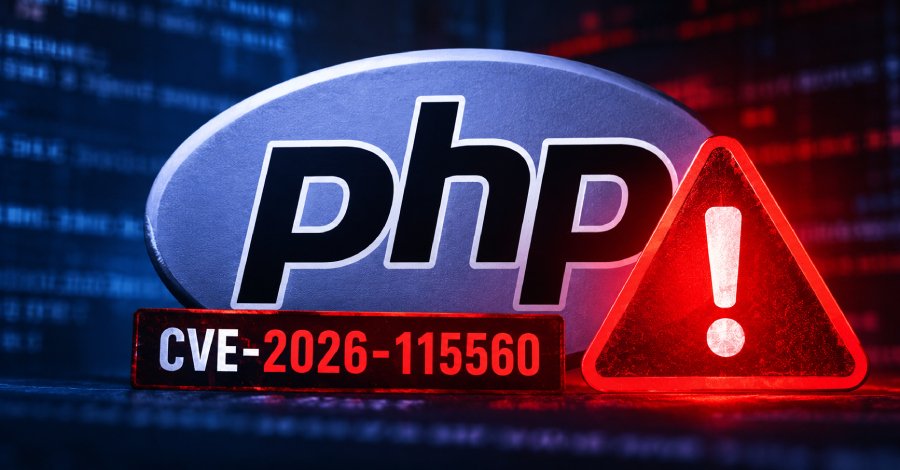
‼️ BREAKING ‼️ PHP warns of another UNPATCHED REC vulnerability just 2 days after releasing emergency patches for critical PHP2Shell flaws.
New "CVE-2026-115560" affects only unusual session configurations. PHP has issued urgent mitigation guidance.
Full details → https://t.co/YQV0MCJqAp
CTOs need to rethink AI productivity metrics.
Lines of code generated?
Time to first demo?
These metrics mean little if test coverage, defect rates, security, and reliability deteriorate.
The goal isn’t to ship code faster.
It’s to deliver verified business outcomes faster.
Writing code is becoming cheaper and faster. But testing, understanding business logic, validating edge cases, and managing production risk remain expensive.
If development accelerates 5x but QA capacity stays flat, what happens?
New on our Engineering blog: Creating in-house source control.
In May, we merged around 2,500 code changes per day. In September, we merged more than 30,000 per day. As a result, we became bottlenecked by developer infrastructure built for human (rather than agent) scale.
Here, we share how we built a new version control system—and fully migrated our monorepo from git—in five months: https://t.co/wzNkwHs7IN
The biggest risk with AI-driven development isn’t that developers can build software too quickly.
QA capacity, architecture reviews, security, and production readiness don’t scale at the same rate.
The gap is where risk compounds.
@Abhijit_091 Vibe coding isn’t the problem. Treating faster code generation as permission to skip engineering discipline is.
Speed without verification is just technical debt on steroids.