Seeing a clinical need identified in the cath lab at Aalst evolve into a certified medical device and platform that now helps millions of patients worldwide is incredibly rewarding, and exactly the kind of impact that inspired me to pursue medicine!
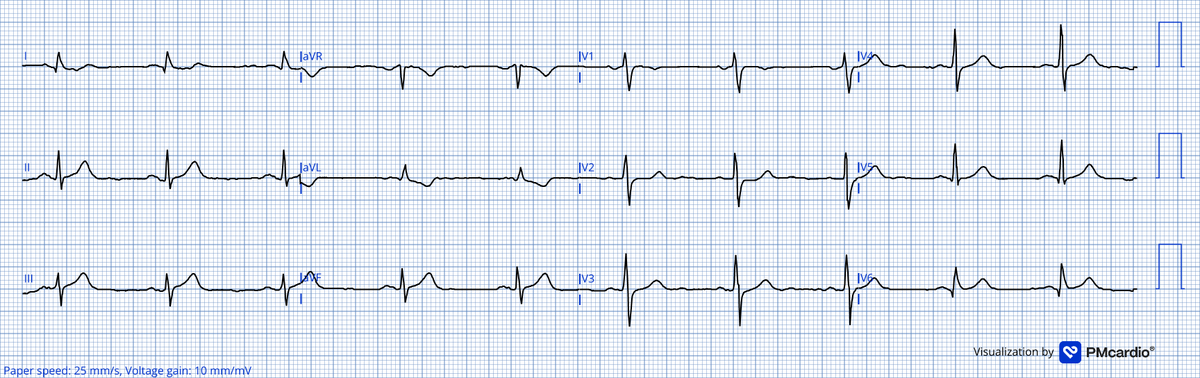
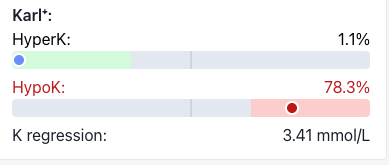
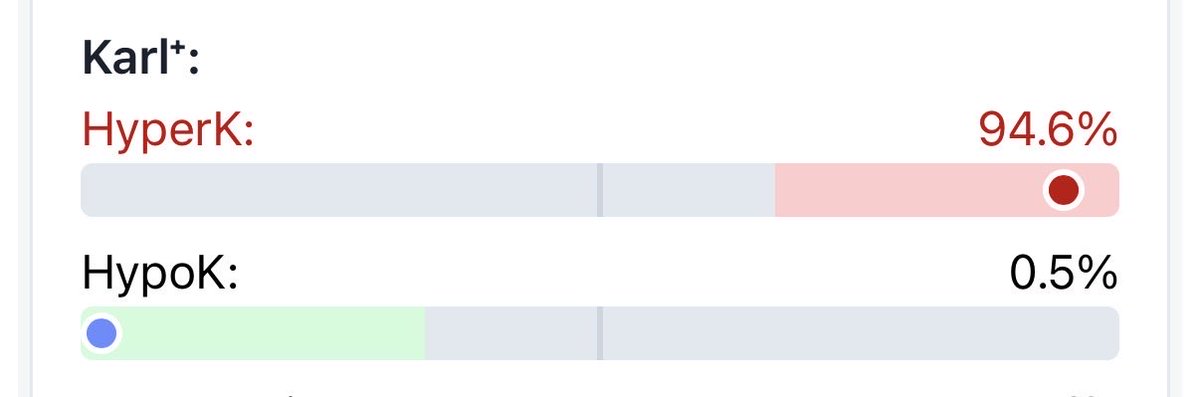
@max_berrill@smithECGBlog@PendellM Yes, it currently considers all 12-leads for an interpretation. In ECGxplain aVR may show up as a “relevant” lead, but it’s rare — was searching a lot for this example. We are currently reworking and improving this feature.
@0music6 I agree with you. Thanks for sharing this. I was hesitant because the de Winter morphology isn’t really present in V1–V3 but you may be right.
Double checked with PMcardio.
@medmalreviewer@ecgchallenge Yeah this should help! We are working hard to get it there ASAP, feel free to send me a an ECG you want to run in the meantime.
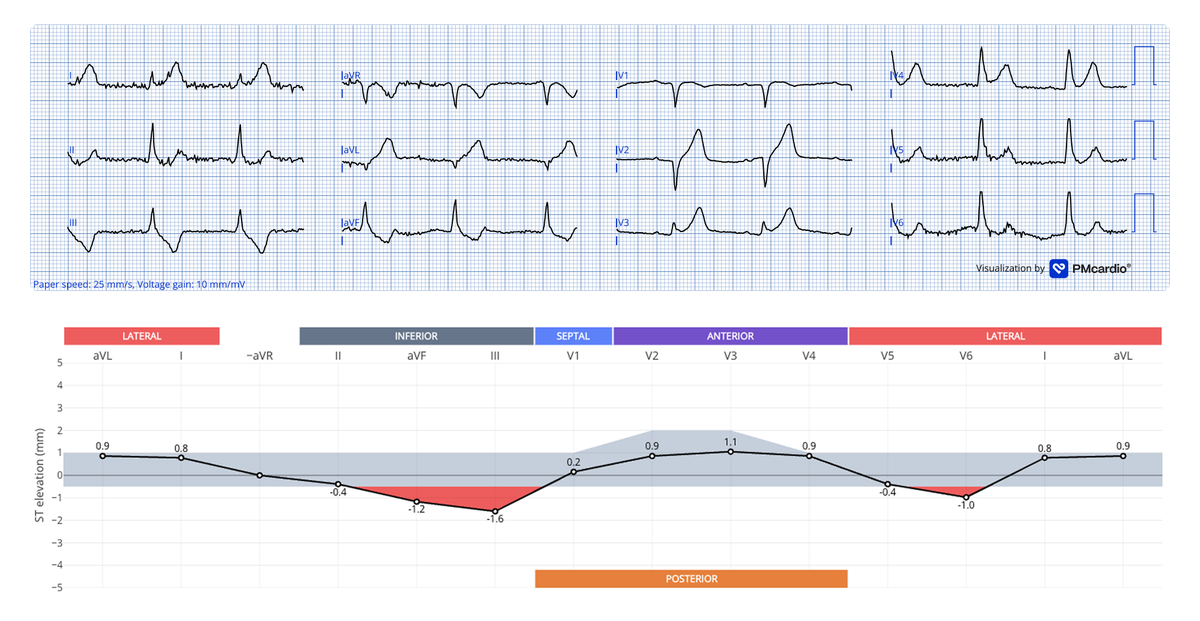
By what definition? Presumably, the COACT and TOMAHAWK trials tell us that patients without millimeters of ST-segment elevation do not benefit from immediate PCI. This patient does not have ST-segment elevation that meets current guideline criteria.
To be clear, I know what the correct diagnosis is, so there is no need to educate me on that. My point is simply to highlight how absurd the situation is: we can recognize an acute coronary occlusion, yet by the definitions used in these trials and guidelines, this patient would not qualify for immediate cath lab activation.
Can you also answer whether you think the ECG above is a STEMI?
Does this "NSTEMI" with an out-of-hospital cardiac arrest need immediate cath lab activation, or should we follow the guidelines?
Let me know what you think of this #ECG of a 50yo male patient with chest pressure and left arm numbness post ROSC!
Does this "NSTEMI" with an out-of-hospital cardiac arrest need immediate cath lab activation, or should we follow the guidelines?
Let me know what you think of this #ECG of a 50yo male patient with chest pressure and left arm numbness post ROSC!