Showing up at this table to practice presence, amplify voices, share views. Christian. We have a lot to learn from one another. | 😷#Xians4IAQ | 🐳melissarobin
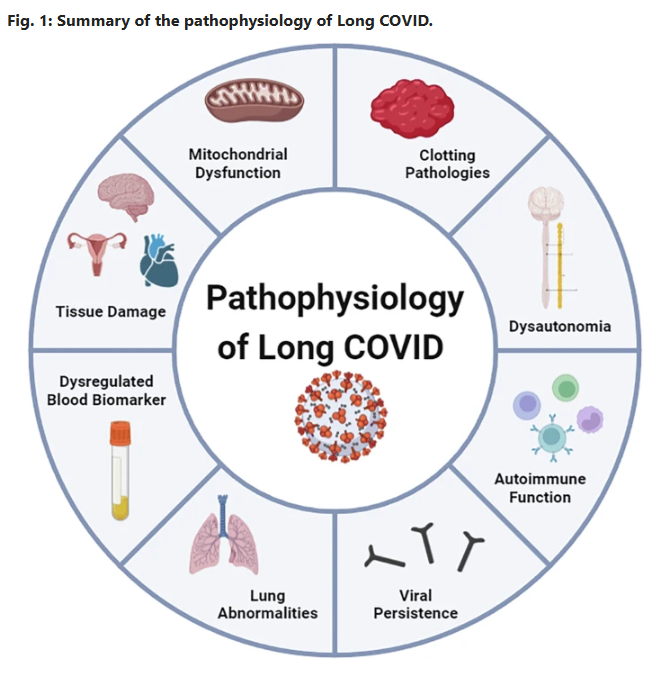
Current status and future perspectives on the mechanistic and pathophysiological understanding of long COVID
🚨JUST DROPPED YESTERDAY and rips open the black box of Long COVID:
Viral persistence up to at least 24 months. Fibrin microclots that laugh at fibrinolysis. Autoimmune storm. Mitochondrial sabotage. An up-to-date full mechanistic map is finally here!
No more guessing. This changes everything, let’s dig into this overview👇, better yet…..read it yourself!! #MustRead
➡️Global Impact & Context:
- Long COVID (PASC) affects >400 million people worldwide, incurring >$1 trillion in annual economic costs,
- Core symptoms, debilitating fatigue, cognitive dysfunction (“brain fog”), sleep disturbances, and post-exertional malaise (PEM) in 50–80% of cases, persist months to years’ post-infection, with a mechanistic overlap to ME/CFS,
➡️Core Mechanisms:
1. Immune Dysregulation:
- Persistent systemic inflammation features elevated cytokines (IL-6, TNF-α, IL-1β) detectable up to 14 months, driving T-cell exhaustion (reduced CD8+ IFN-γ/TNF-α production) and monocyte activation (COX-2, IL-8Rβ, CXCR6),
- Autoantibodies (anti-GPCR, anti-PITX2, anti-FBXO2, ANA/ENA) persist 12–14 months and correlate directly with fatigue, dyspnoea, palpitations, and cognitive impairment with molecular mimicry, gut dysbiosis and latent herpesvirus reactivation (EBV, HHV-6) amplifying autoimmunity,
2. Viral Persistence & Reactivation:
- SARSCoV2 RNA, spike protein, and antigens remain detectable in brain, muscle, gut and plasma up to 14–24 months in ~60% of cases, fuelling chronic low-grade inflammation,
- EBV/CMV reactivation signatures are common with spatial transcriptomics highlighted as a possible next tool to map tissue reservoirs,
3. Endothelial/Microvascular Pathology:
- Glycocalyx shedding (elevated SDC-1), capillary rarefaction and endothelin-1 elevation create a pro-thrombotic state,
- Platelet hyperactivation releases vWF/FVIII, forming anomalous fibrin(ogen) microclots that resist fibrinolysis and these circulate and fragment during exertion, causing hypoxia, ischaemia-reperfusion injury, and PEM,
4. Autonomic Dysfunction:
- Present in ~50% of patients (POTS predominant), driven by hypovolaemia (70%), small-fibre neuropathy (20–40%), vagus-nerve damage and microclot-induced compensatory tachycardia with 4-fold norepinephrine spikes,
5. Mitochondrial Impairment & Neuroinflammation:
- Skeletal-muscle biopsies show reduced respiration, cytochrome c oxidase activity and WASF3-mediated supercomplex disruption, producing rapid lactate rise and PEM within 48 h,
- Systemic cytokines breach the blood–brain barrier, sustaining microglial activation and cognitive sequelae,
➡️Diagnostic & Therapeutic Gaps:
- No validated biomarkers or subtype-specific criteria exist.
- Graded exercise is contraindicated.
- Observational promise exists for IVIg, low-dose naltrexone and apheresis, but large RCTs are urgently required.
➡️Future Priorities:
Calls for subtype-specific research, large-scale RCTs, advanced techniques (spatial transcriptomics, proteomics), and interdisciplinary collaboration to develop precision diagnostics and therapies.
‼️This exceptional review delivers a masterful, evidence-based roadmap that not only clarifies Long COVID’s complex pathophysiology but stimulates the scientific community toward urgently needed mechanistic breakthroughs and effective, patient-centred interventions.
‼️Bottom line: Long COVID is not a single disease but a complex, multisystem condition that can impact your life seriously!
#AvoidSars2 #AvoidReinfections
A huge thanks to all authors, @DrMark_Faghy@DavidJoffe64@PutrinoLab@DaniBeckman@resiapretorius@Sunny_Rae1 are only some of them!👏👏
https://t.co/cDL5dMpEoj
Did you mean to do something for Lent, but it just hasn’t happened yet?
Grace. This is gentle and simple. It’s ready when you are. A gift. https://t.co/2wVzTsuWva
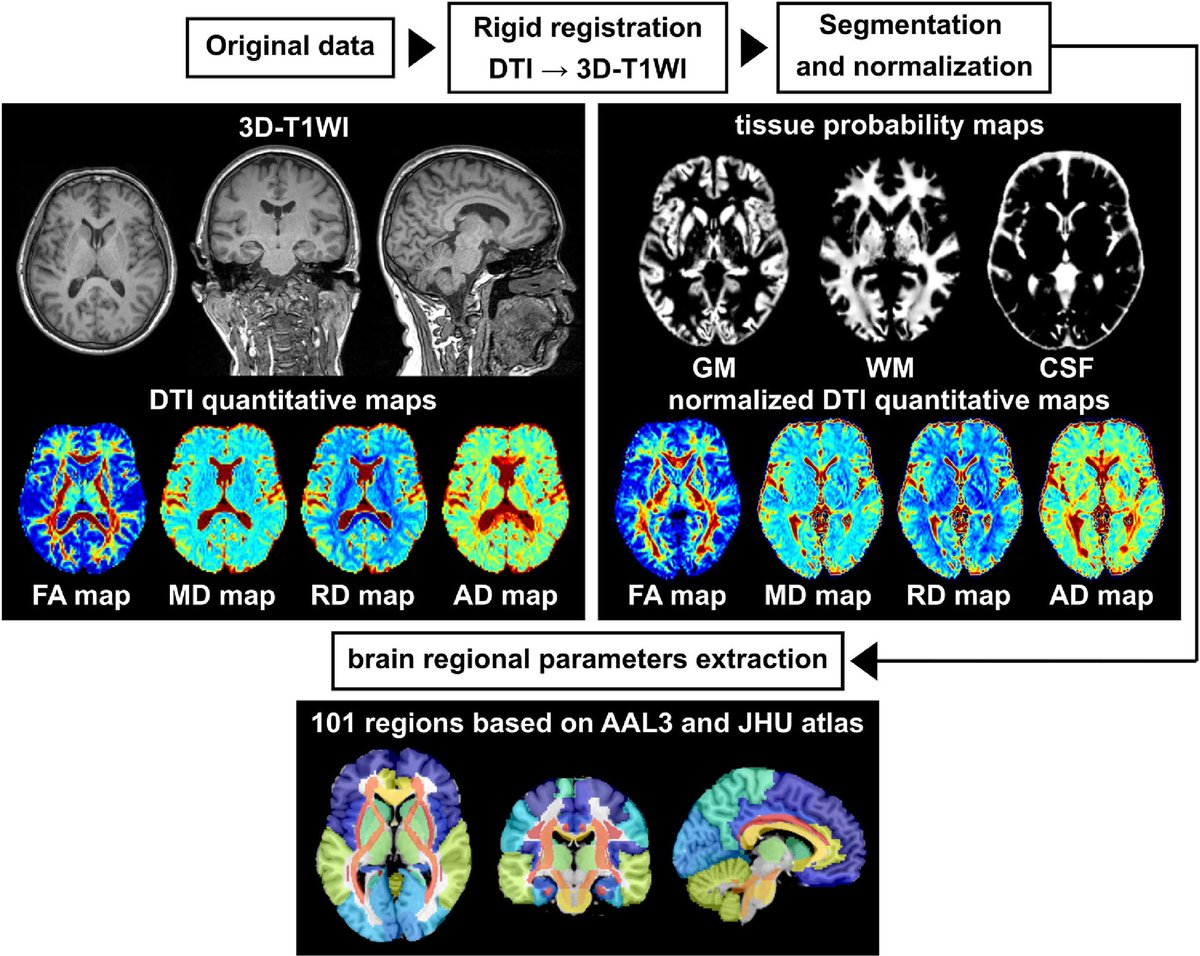
A review of 49 MRI studies shows that COVID-19 is associated with structural and functional brain changes.
➡️ Abnormalities are most commonly seen in the frontal, temporal, and parietal lobes, as well as the limbic system and subcortical regions.
➡️ These findings suggest widespread brain involvement, not limited to a single area.
➡️ The changes may explain both acute neurological symptoms and long-term effects (LongCOVID).
👉 COVID-19 is not just a respiratory disease—it has measurable, widespread effects on the brain
https://t.co/jh3xH1ZlIR
“New research from The Ohio State University College of Medicine is the first to objectively measure multisensory losses in COVID-19 patients.”
Multisensory loss has been linked to brain damage & the possible development of Alzheimer’s.
#MaskUpFightBack
https://t.co/3HIGw0bbOW
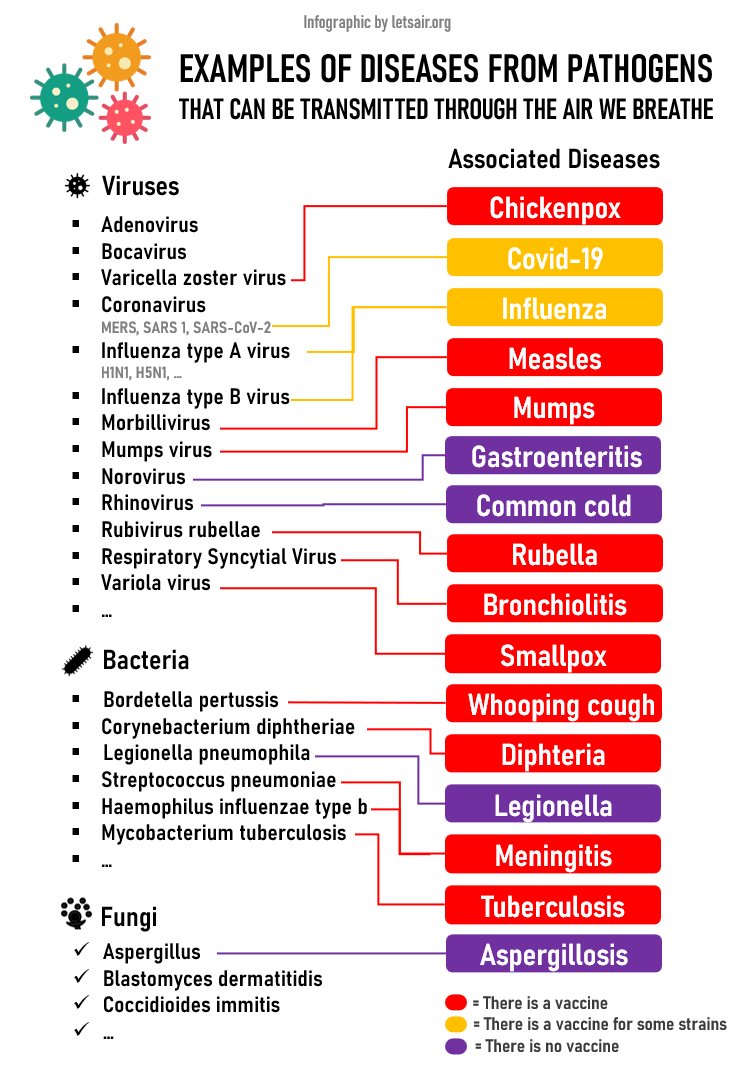
We've updated our infographic on diseases that can be transmitted through the air we breathe, adding Norovirus.
Most viruses can survive for one to several hours in a poorly ventilated room. See the excellent article in @nytimes on this topic: https://t.co/My5iX6kJ2b
Prayer for Dementia:
O Lord, you who sojourn with us in the shadowlands, be present, we pray, to Uncle John as he drifts confusedly about in that disorienting place between memory and oblivion, so that he might experience your enfolding peace & palpable presence this day. Amen.
What if our churches were places where no one ever felt truly lonely?
"The toll loneliness takes on the cardiovascular system, increasing blood pressure and heart rate, can have a detrimental effect on the brain," in addition to neurodegenerative diseases.https://t.co/9O1VIHXDIh
Alzheimer’s doesn’t start at diagnosis. It starts decades earlier — with inflammation, vascular damage, immune dysregulation. COVID hits all of those pathways.
I’ll keep my respirator on ✌🏼
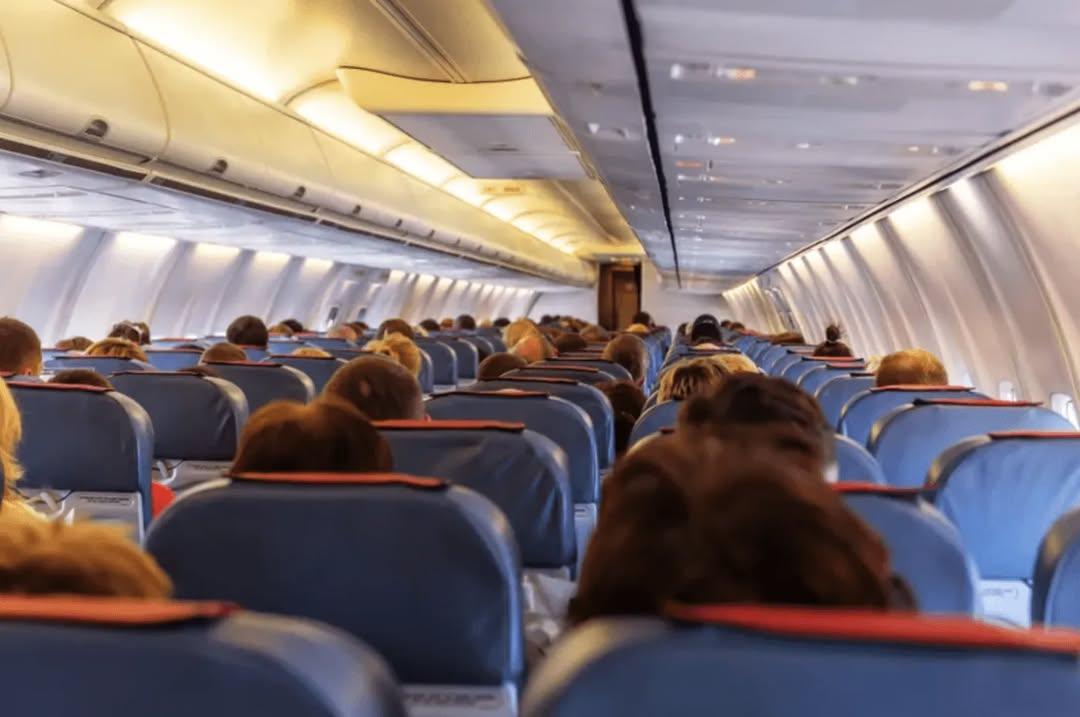
Coronavirus found in samples from 96% of flights
If you believe it's now safe to fly without a protective mask, you might want to think again. New research shows the COVID-19 virus has been found on nearly every flight tested.
https://t.co/UL9o7UkvOG
“‘Think about getting out your mask and think twice about those holiday gatherings, especially if you’re high-risk,’ Dr. Schaffner says. And, of course, do your best to stay away from people who are obviously sick.”
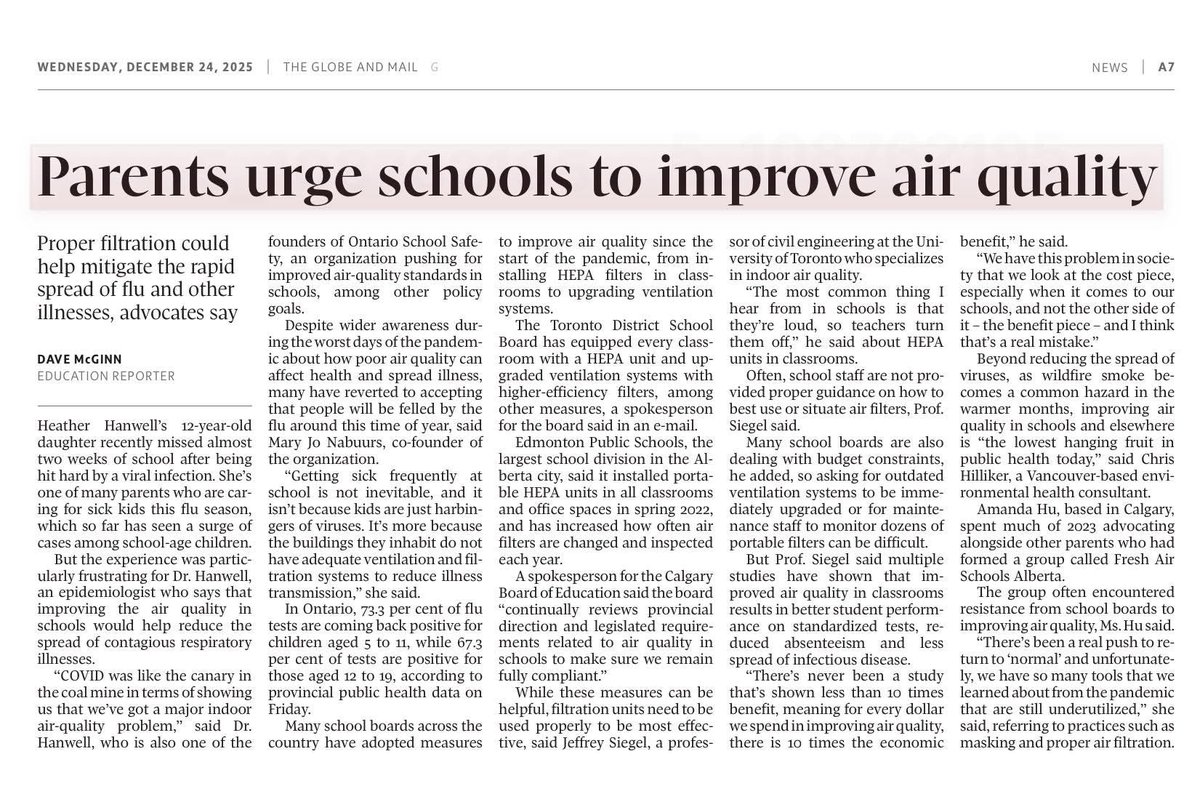
67 students. 6 weeks. 87 infections.
A new study finds the real driver of school virus spread isn’t close contact — it’s air.
Poor ventilation (CO₂ >1000 ppm) nearly doubles transmission risk. Hours in shared classrooms (RR 3.17) matter far more than minutes spent near someone (RR 1.16).
It’s the air we share. Fix ventilation.
A Morning Prayer:
O Lord, we offer to you this day our small deeds of love that may go un-noticed or un-thanked, and ask that you would bless them, so that we might know the joy of loving you in and through such little things. Amen.
(via “Prayers for the Pilgrimage”)