last year my friend @robustenough wrote an extremely comprehensive and well-researched six-part treatise on mechanisms of *clenching* (including how this relates to tanha). i said i'd tweet a short review
I think the most important question in the world right now may be do neural networks have sensory experience and despite sort of being at the intersection of both field I have zero ideas of how to make progress on it
Can machine learning predict chaos? My new paper performs a large-scale comparison of modern forecasting methods on a giant dataset of 135 chaotic systems. (1/N)
https://t.co/bOD3C1qTxY
@TexasScience@OdenInstitute@UTPhysics
From logical reasoning to mental simulation, recurrent neural networks (RNNs) possess an incredible capacity for computation. To fully harness this capacity, we developed a programming language for RNNs https://t.co/gqecBR1QNc. Here is a game of pong programmed inside of an RNN.
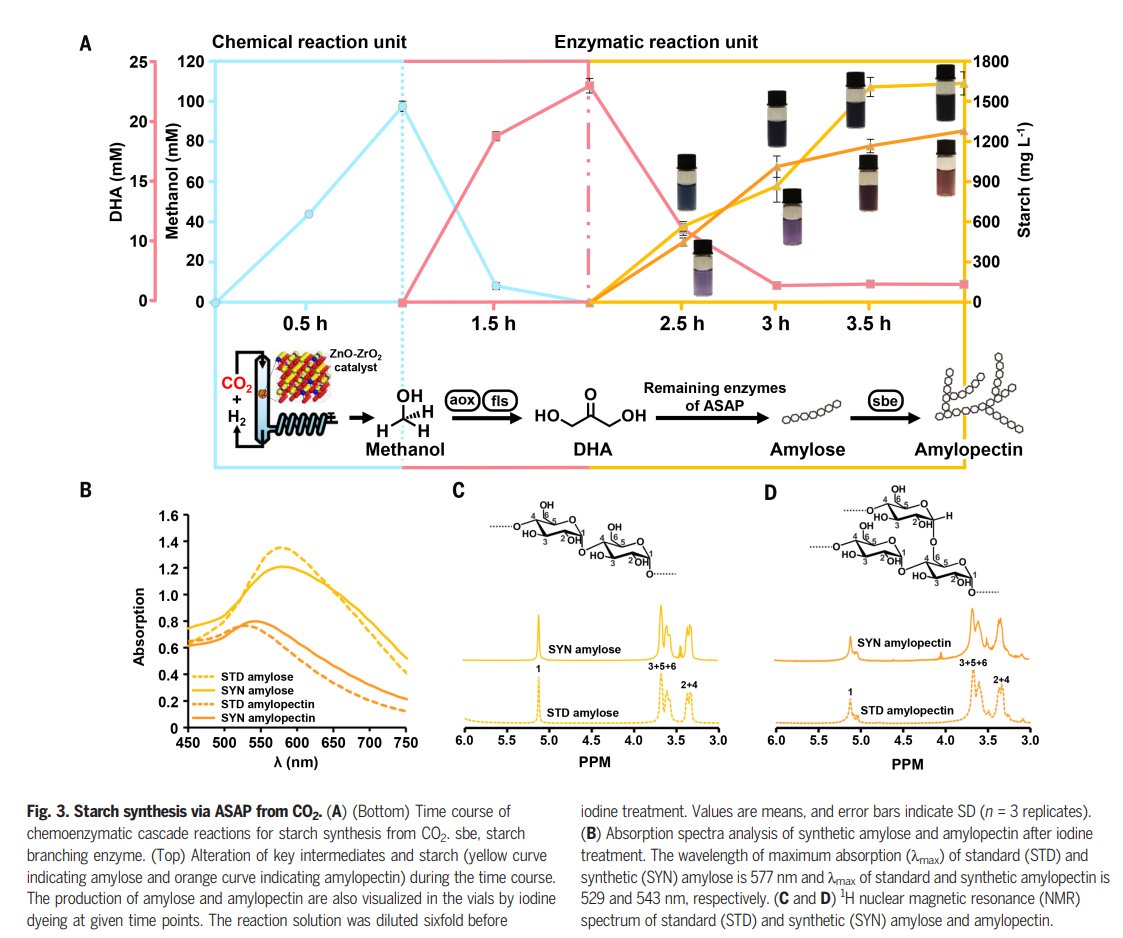
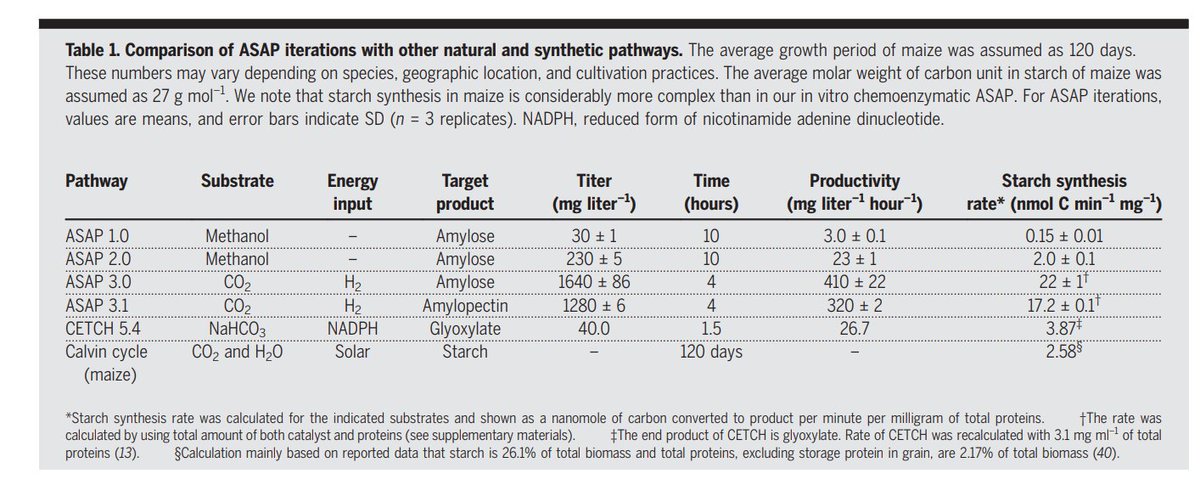
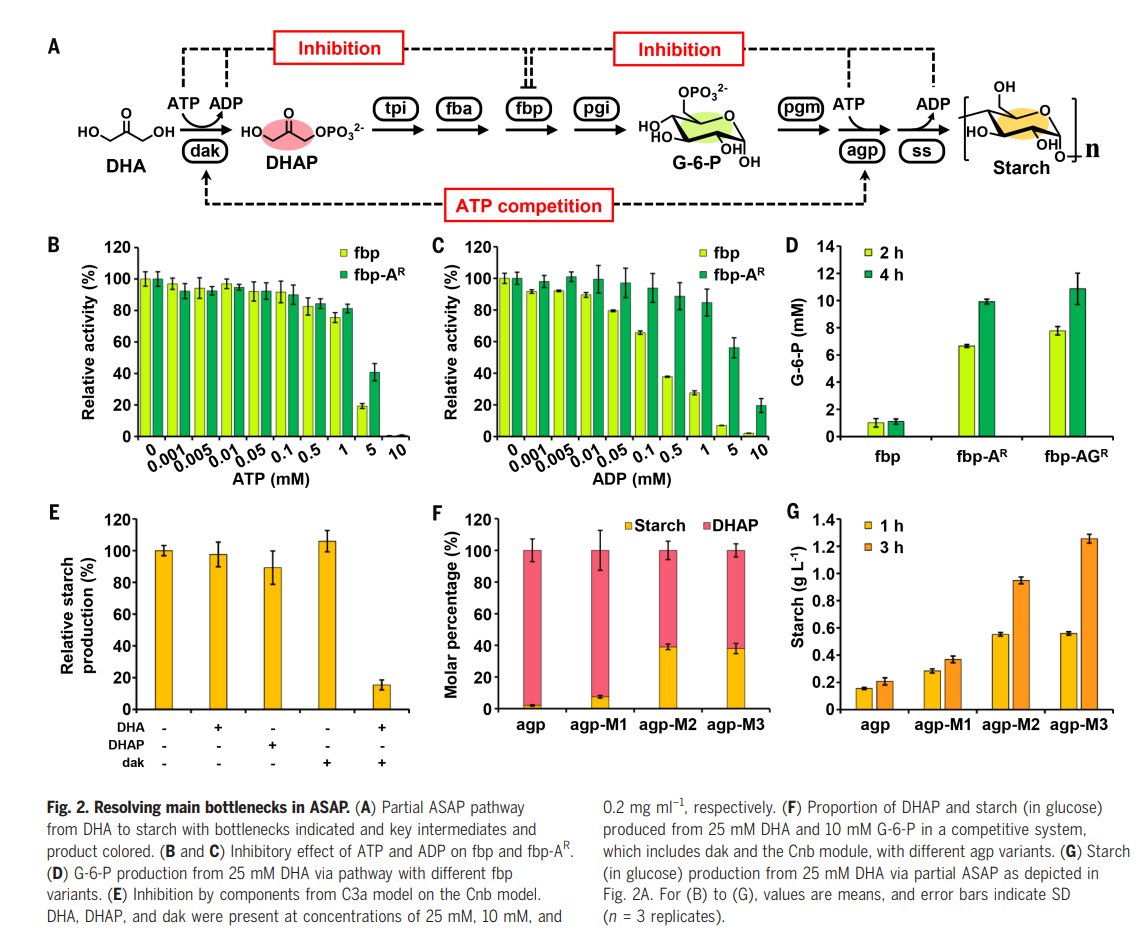
From CO2 to starch without any plants involved:
https://t.co/QGpw4Ygbn3
The 60-reaction process is 2% efficient but that's 8.5x better than nature, and it can be done at industrial scale and rates.
It is especially interesting for space habitats.
https://t.co/Ac4eyefOMw
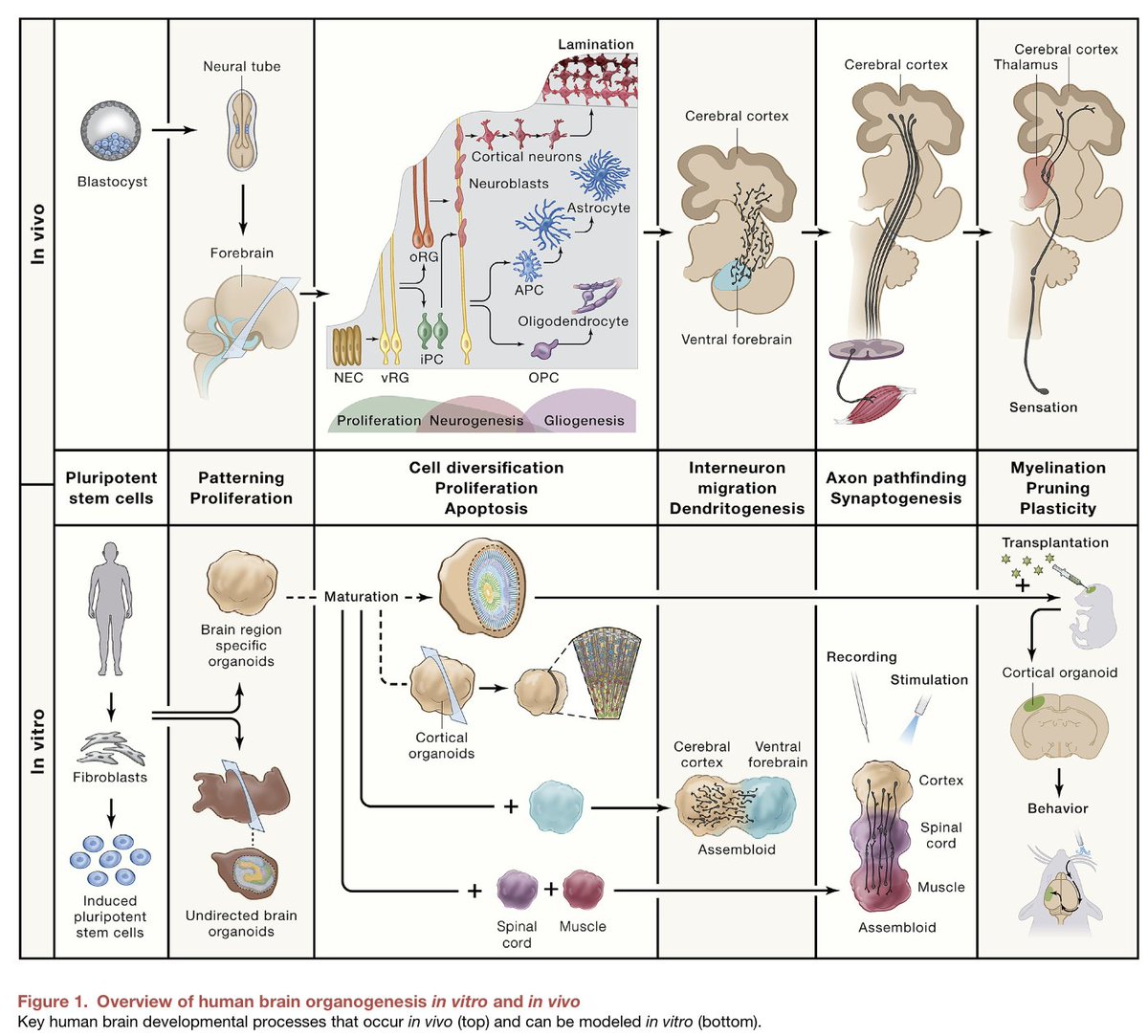
Absolute humdinger of a developmental neurobiology review by @kevinwkelley and @PascaStanford in @CellCellPress "Human brain organogenesis: Toward a cellular understanding of development and disease" https://t.co/KCy6OIEZP4 Thanks Kevin and Sergui !!
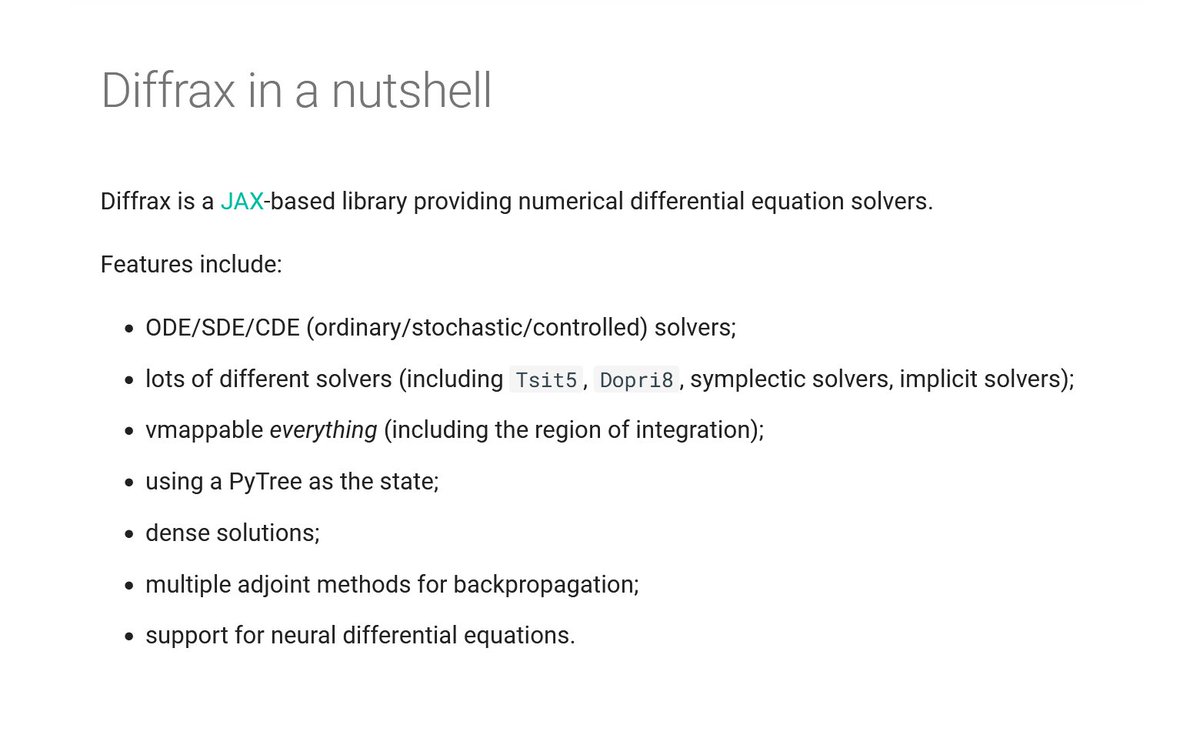
⭐️Announcing Diffrax!⭐️
Numerical differential equation solvers in #JAX.
Very efficient, and with oodles of fun features!
GitHub: https://t.co/6zSV2BeASW
Docs: https://t.co/5OC3dQHm7v
Install: `pip install diffrax`
🧵 1/n
In the beginning, there is only an environment.
No body, no sensors, no agents.
How could creatures self-organize?
Able to move, adapt, interact, generalize?
Use gradient descent + curriculum learning!
👉 New blog post:
https://t.co/u8CsbXNWYI
https://t.co/Pg0GDM3BPR
1/n
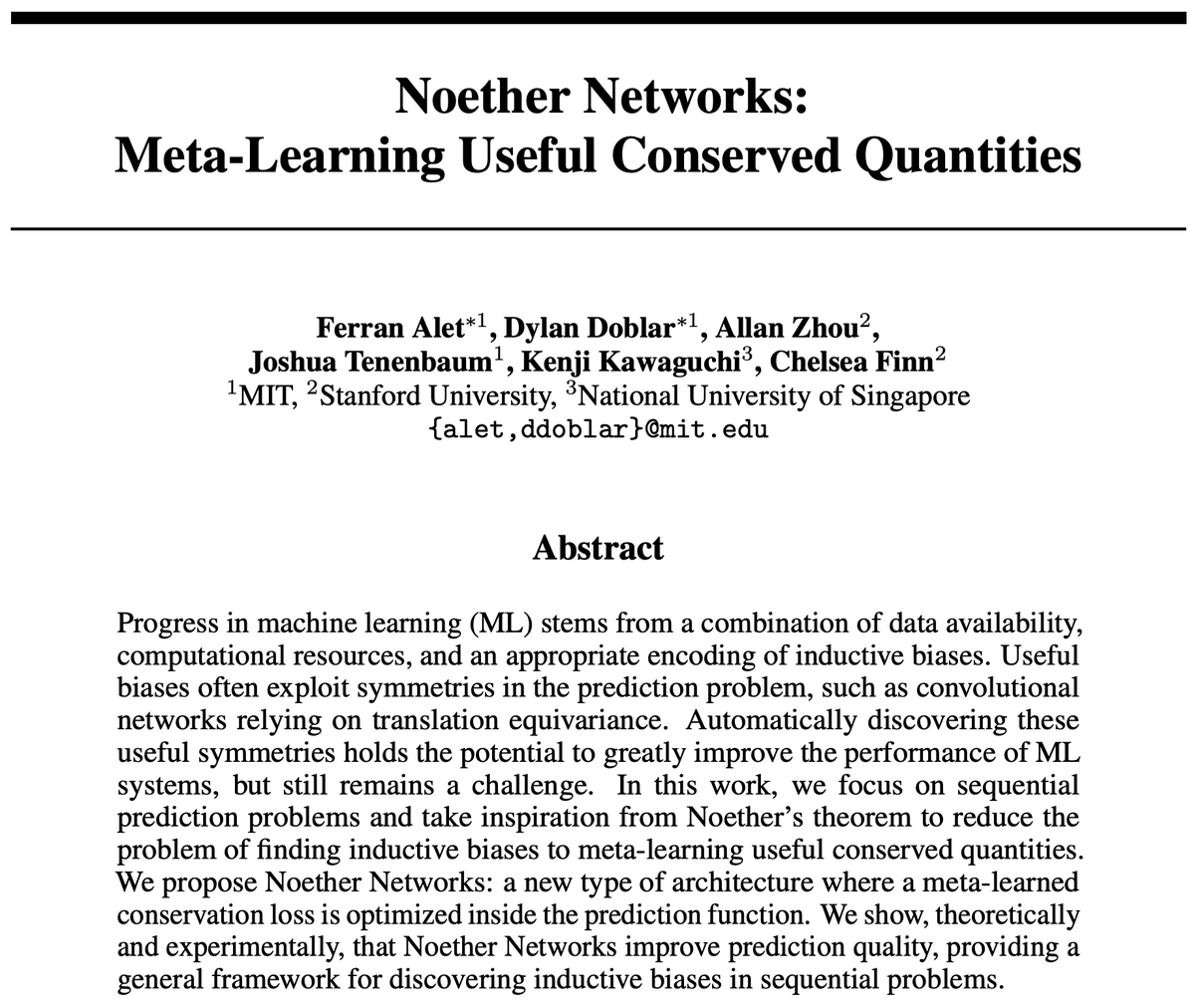
Can NNs learn and enforce symmetries on their predictions?
Inspired by Noether’s Thm, we do so by learning quantities that should be conserved.
This method can recover known conservation laws in scientific data & can be applied to raw video data.
Paper: https://t.co/0RIeggSmsW
A biologically plausible algorithm for optimal feedback control: https://t.co/PdHX4fUCe7 Accepted to #NeurIPS2021 as a spotlight. Congratulations and thanks to the team: Johannes Friedrich, @SiavashGolkar, @fgh_shiva, Alexander Genkin, @AnirvanMS
We’ve acquired the MuJoCo physics simulator (https://t.co/knwXLZMr4L) and are making it free for all, to support research everywhere. MuJoCo is a fast, powerful, easy-to-use, and soon to be open-source simulation tool, designed for robotics research: https://t.co/Of3Q1W2GIR
MuJoCo is going to be open-sourced‼️
“Together with the community, we will continue to improve MuJoCo as open-source software under a permissive licence. As we work to prepare the codebase, we are making MuJoCo freely available as a precompiled library.”
https://t.co/E0BUcSYbbX
@NoahGuzman14 "Publication" is a symptom of being in a different room from your "readers". So: how can we make it more like we're in the same room, without being in the same room?
@NoahGuzman14 Great presumption goes into crafting a 10-hour unilateral exposition of material. Books seem (in part) like a hold-over from when writing needed to be shipped with significant delays, and more convenient to ship it in bulk, and when such presumption was inevitable.