@TheEbonyMaw I’m also my mom’s Favorite Son. I’m her only son, but that only means she knew perfection when she saw and therefore found no reason to bother having another.
@UziCryptoo I feed a family of 3 with 120 per week. But i only buy in walmart, mostly great value, and we don't eat out or get delivery. We eat home-cooked meals every day. And we would spend less if we didn't eat so many vegetables
@MadelaineLucyH I love reading and I usually have a rule. For every contemporary book I read, I read a classic one. It's fun actually and it helps keep your mind balanced
There's a story that 18th C historian Edward Gibbon nearly gave up his monumental history of Rome after several servants & neighbors gave him wildly divergent accounts of a commotion on his street : "If I can't find out what happened outside my house today, how can I find out what happened in Rome 1,800 years ago?"
@AuronMacintyre The kurds are secular. They are nationalist but less fundamentalist than most of their neighbors. Basically they just want their own country
@juniorkingpp That's actually a form of torture. I believe it was the Syrians or maybe the Iranians, they would throw political prisioners ina white room, white clothes, even white bland food. The prisoner would go mad quite quickly
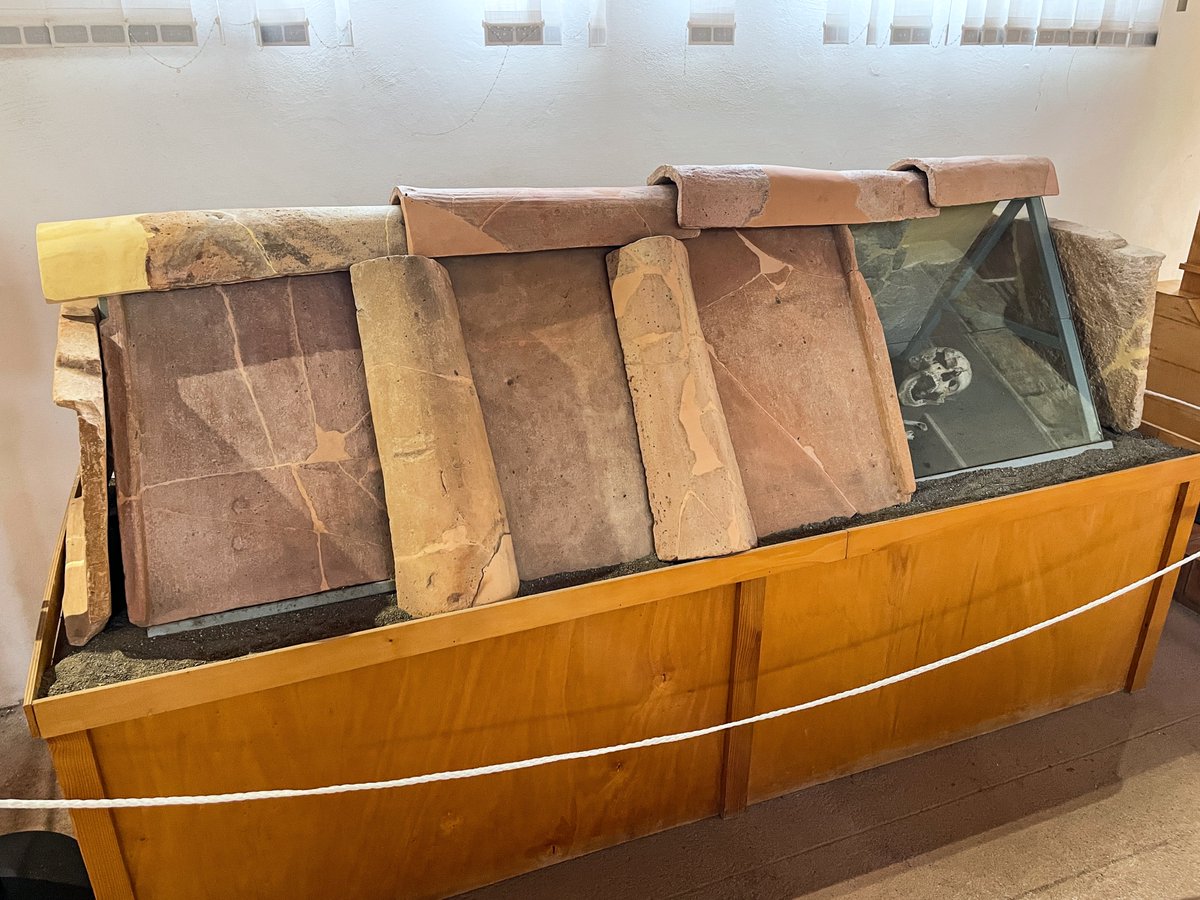
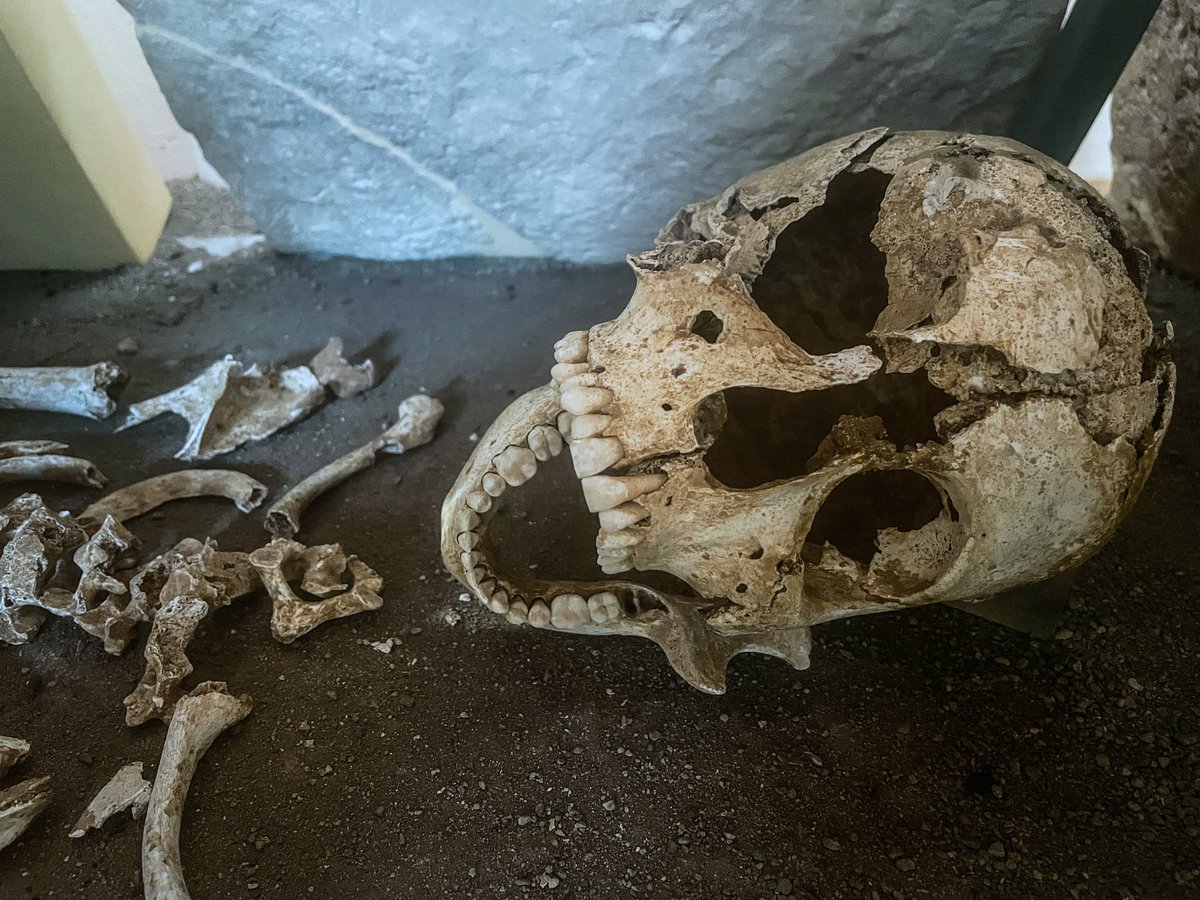
Coeliac disease in the ancient world: This young woman was buried in an improvised sarcophagus made from roof tiles, known as a 'cappuccina' burial, in the necropolis of Roman Cosa in southwestern Tuscany. Though she had been buried with gold jewellery, experts noted that her skeleton showed clear signs of chronic ill health including short stature, enamel hypoplasia, anaemia, and early-onset osteoporosis.
A subsequent DNA analysis revealed the presence of genetic markers strongly associated with coeliac disease. The death of the 20-year-old woman was therefore judged to be almost certainly due to her diet, which would have been rich in grain, making this one of the oldest scientifically documented cases of coeliac disease.
Even more remarkably, experts examined plaque that had accumulated on the young woman’s teeth and found a heavy presence of herbs and spices, such as turmeric and ginseng, commonly used in Eastern medicine to treat intestinal disorders. It seems that, without our modern scientific understanding of the disease, the woman and her family were using traditional herbal remedies to treat her chronic gastro-intestinal problems and nutritional deficiencies, but sadly, their efforts were ultimately in vain.
Archaeological Museum of Cosa