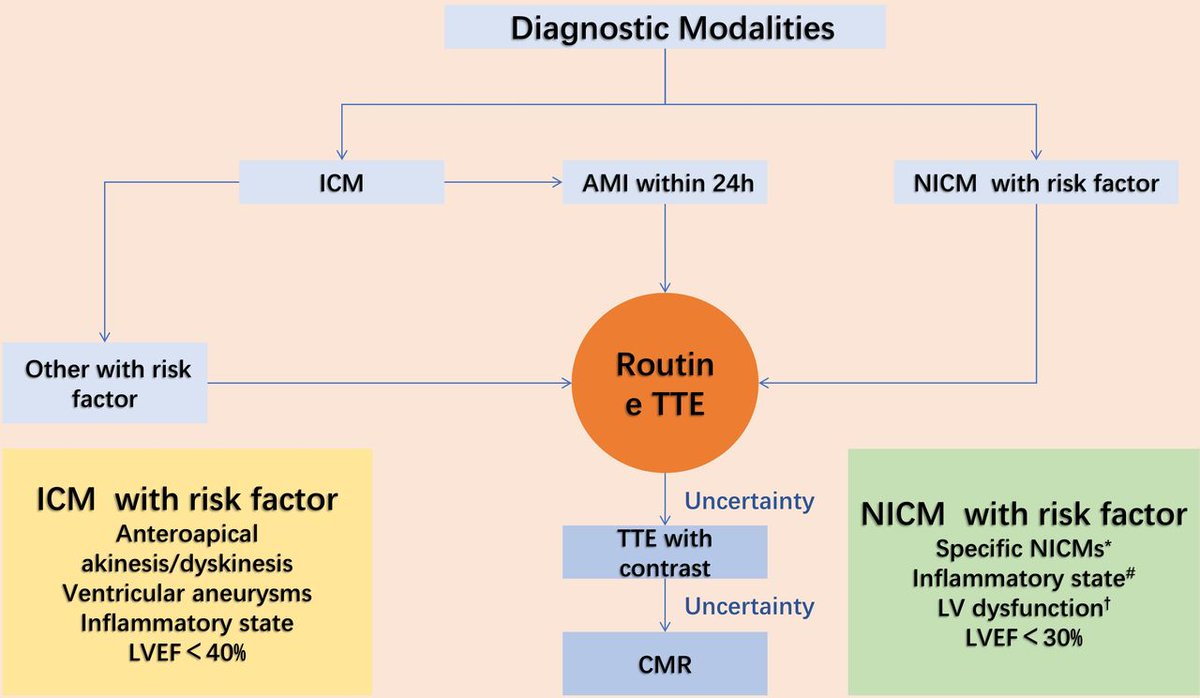
Approximately 80% of all strokes are ischaemic. The underlying pathology is often multifactorial, involving interrelated arterial and cardiac conditions. Identifying the specific cause of stroke is critical for short-term and long-term care. Learn more: https://t.co/mdNKRmpjJd
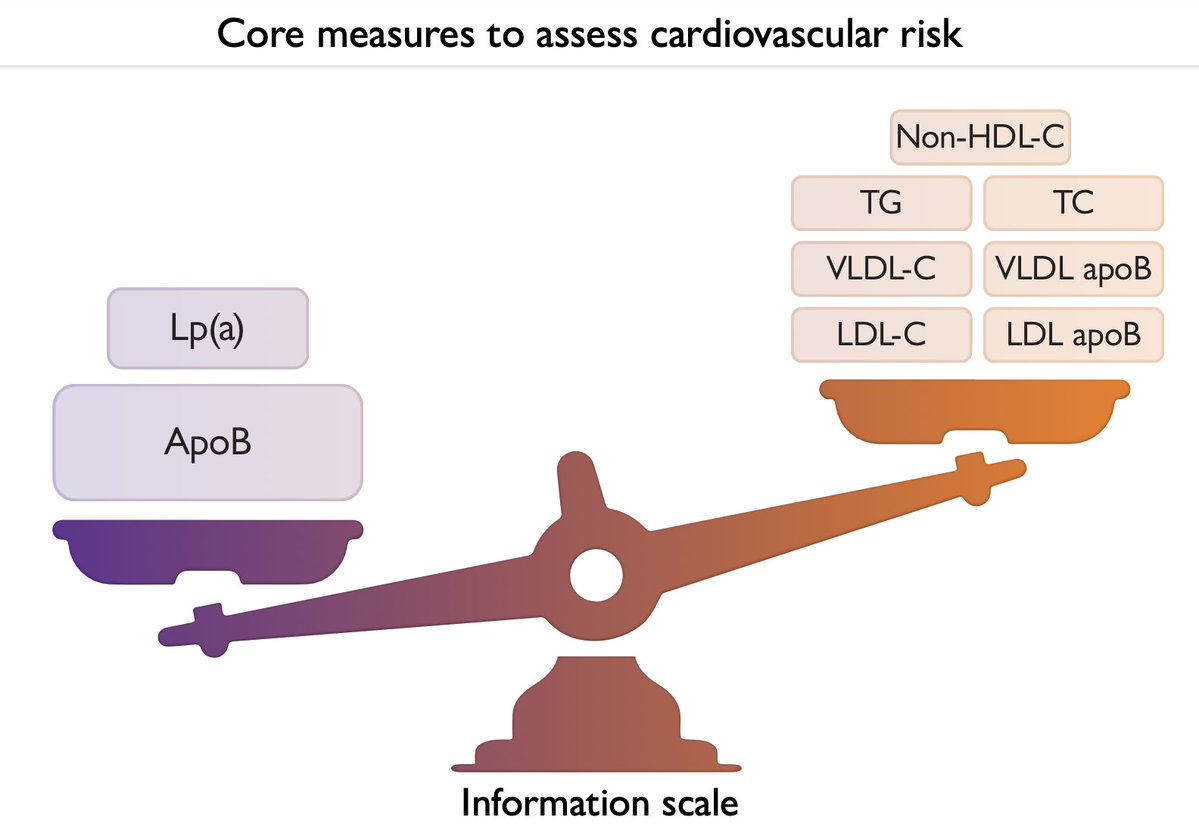
☝️No estimate of the apoB lipoprotein-related risk of CVD is complete without measurement of both apoB and Lp(a)
ApoB is the true core marker of atherogenic particle burden, and Lp(a) is an independent, non-negotiable player in cardiovascular risk.
✅ ApoB reflects the number of atherogenic particles, not just the cholesterol they carry.
✅ Lp(a) adds risk beyond ApoB—even in normolipidemic patients.
✅ The combination of both offers superior prediction of events and treatment guidance.
👉 It's time to stop counting cholesterol and start counting particles.
If your risk assessment doesn’t include ApoB and Lp(a), you’re not seeing the full picture.
Let’s raise the bar in preventive cardiology.
https://t.co/KHo83CXRvU
@society_eas@fhpatienteurope@escardio@ehj_ed
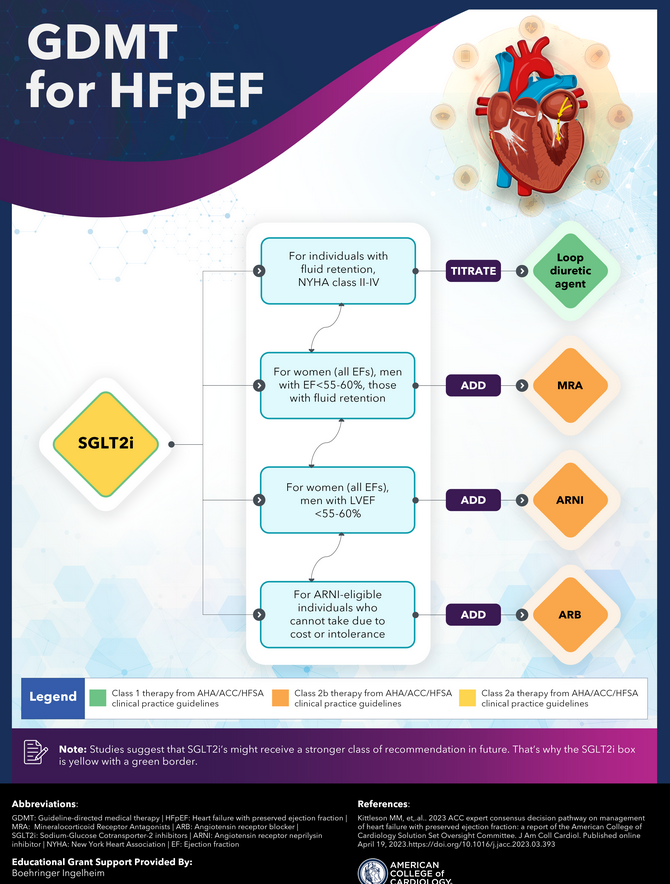
ICYMI: The ACC recently launched a comprehensive resource package, "HF in a Box," designed to support clinicians in the management of #HeartFailure.
All resources address HF GDMT & are available free of charge in both English & Spanish. Find out more: https://t.co/XCiF6pkP3d
📢 Hot off the press in @LipidJournal:
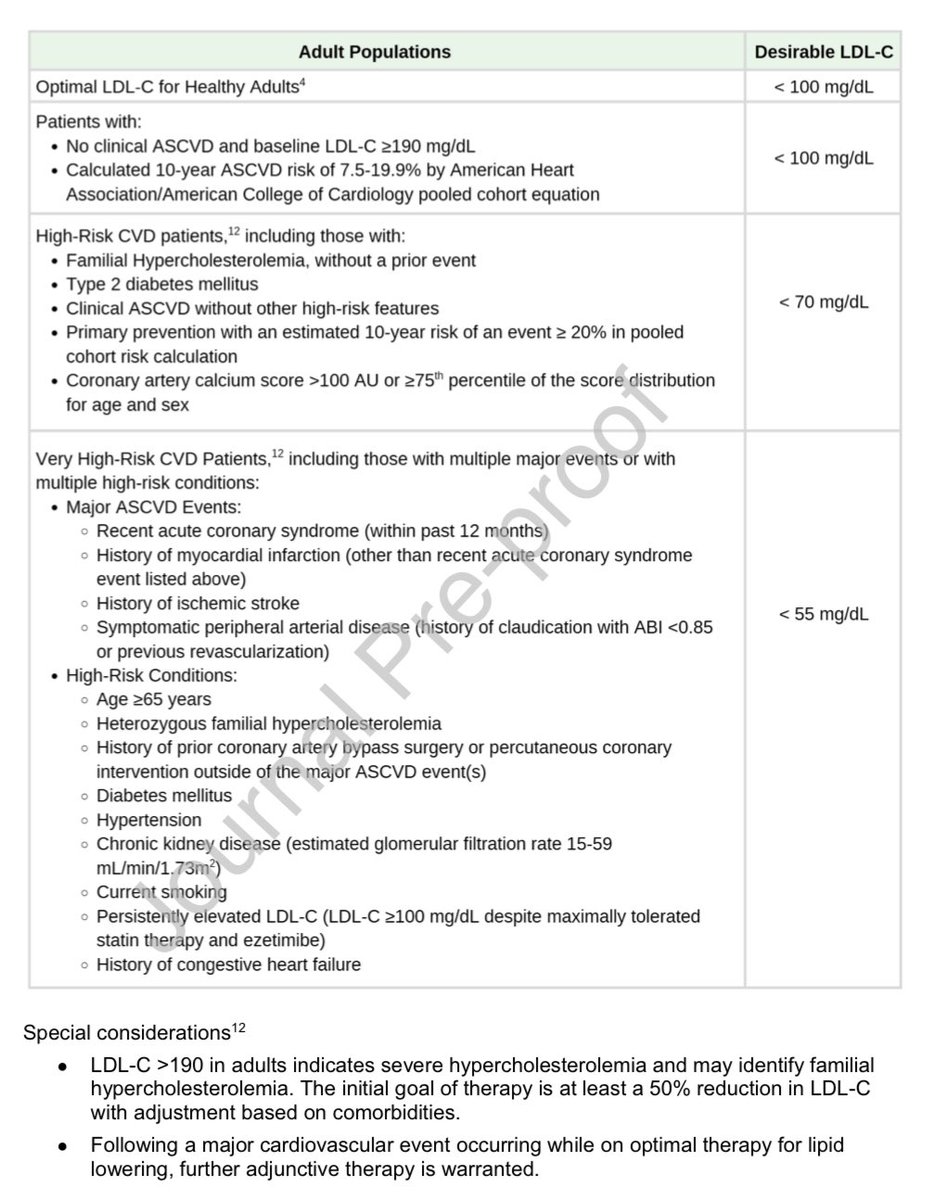
LDL-C management just got clearer: “Lower for longer is better.”
This new guidance from the National Lipid Association brings no-nonsense, risk-based recommendations for real-world practice.
✅ LDL-C is causal
✅ Lowering it reduces events
✅ Targets can go <40 mg/dL safely
✅ Time matters—start early, stay low
📉 Don’t wait for plaque to build up—treat the cause, not the consequence.
👉 Read it here: https://t.co/hKP6IQvMTZ
@CBallantyneMD@nationallipid@Drlipid
Break down key updates from the @nkf’s 2025 Spring Clinical Meetings—now streaming on @medliveofficial. This free, #CME-credited program offers practical insights into diagnosing and managing two rare forms of #KidneyDisease: C3 glomerulopathy (#C3G) and primary immune complex membranoproliferative glomerulonephritis (#ICMPGN): https://t.co/MAfjaqYWR0
#Nephrology #C3Glomerulopathy #Glomerulopathy #Glomerulonephritis #Kidney #MPGN #MedicalEducation #NKFClinicals @goKDIGO
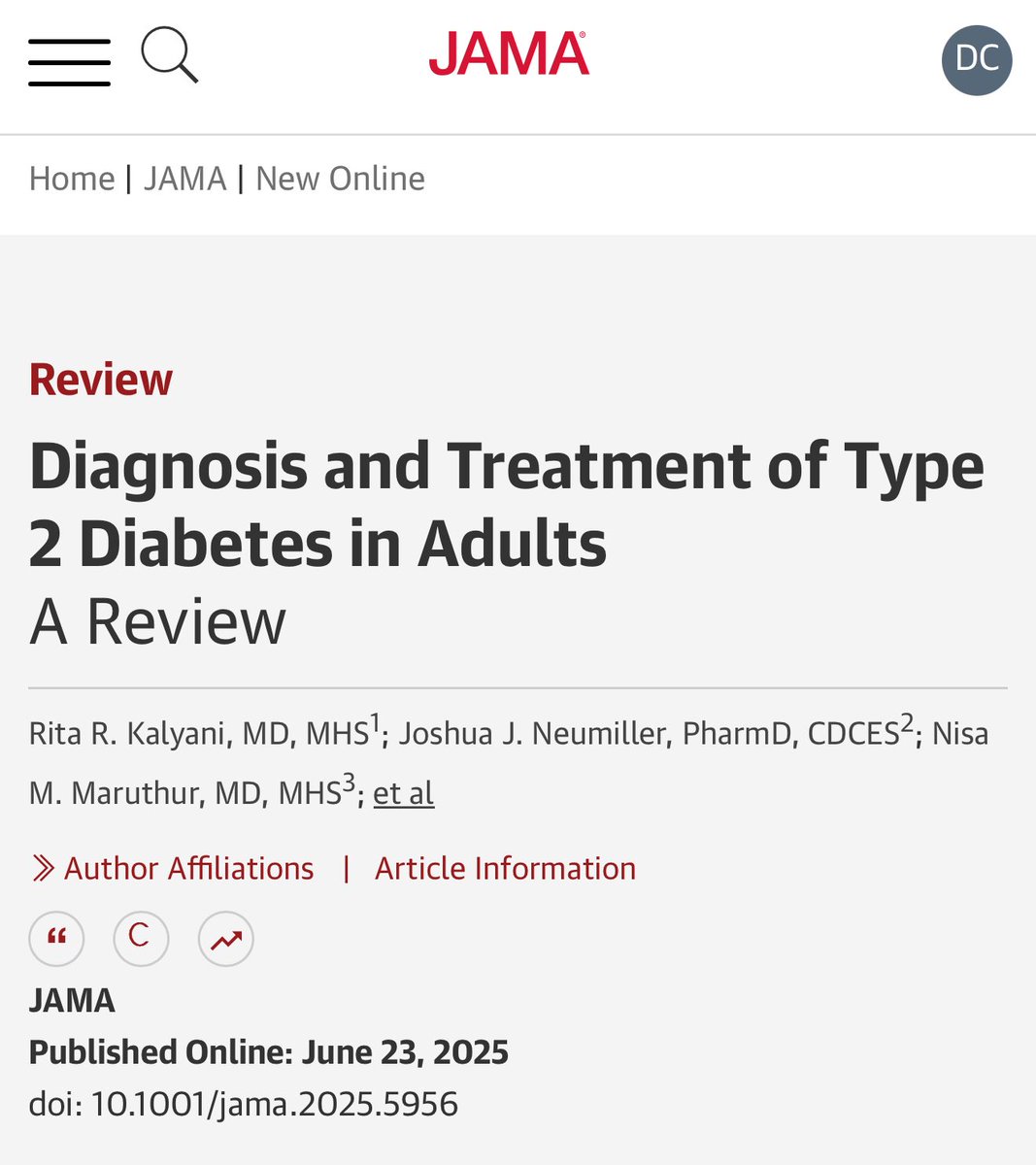
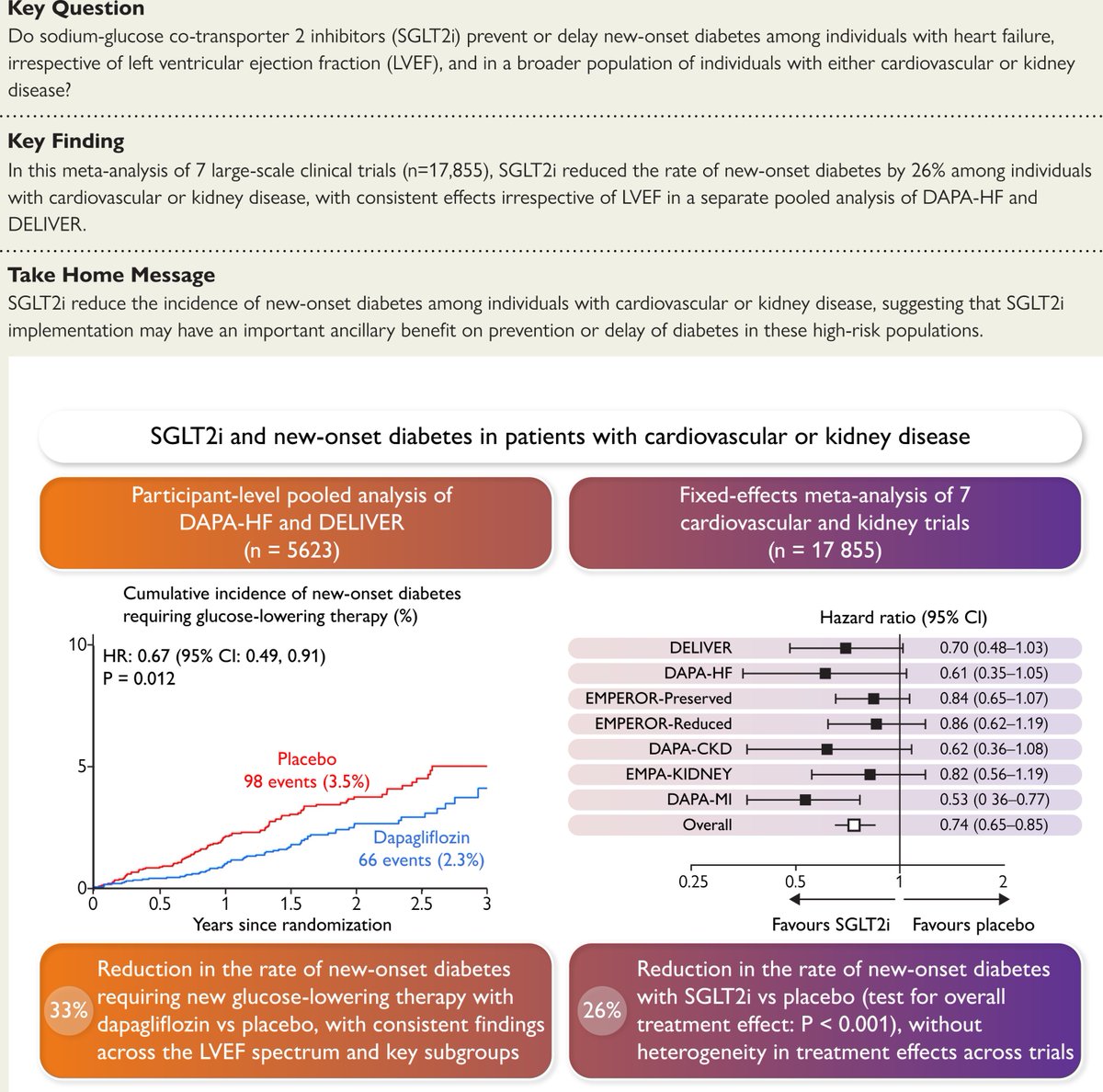
SGLT2i can reduce the incidence of new-onset diabetes among individuals with cardiovascular or kidney disease. Read more in #EHJ 👉 https://t.co/ITPAx40TVB
@RoccoMontone@ehj_ed#diabetes
@CBallantyneMD’s interest in preventive cardiology was inspired by his family’s history of heart disease. He knows that early interventions—like controlling LDL-C levels—can reduce the burden of cardiovascular disease and save lives. https://t.co/Ui5Ehe5Mko
Central limit theorem
If the sample size is sufficiently large then the sampling distribution of the mean approximates a normal distribution, even if the underlying distribution from which the samples were drawn was not normal.
🔗https://t.co/HB0B67AWvw
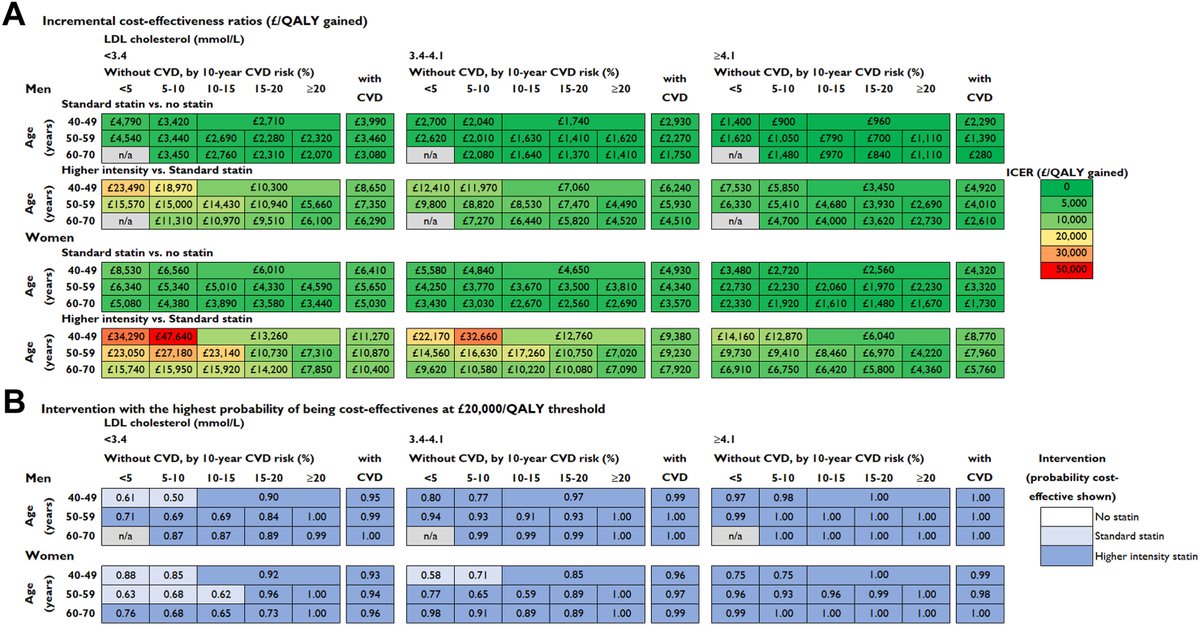
V. interesting paper suggests statins cost effective for essentially all adults
Given this work & recent results from @arjunmanrai@JamesADiao on issues w/ PREVENT vs PCE risk functions, is it time to move beyond risk-centric paradigm for statin allocation?
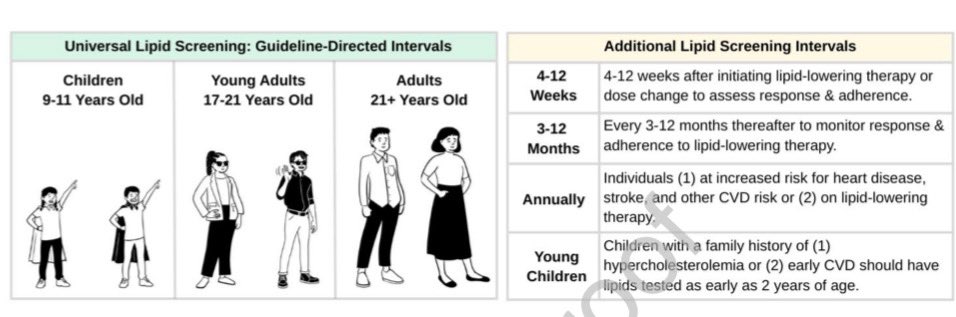
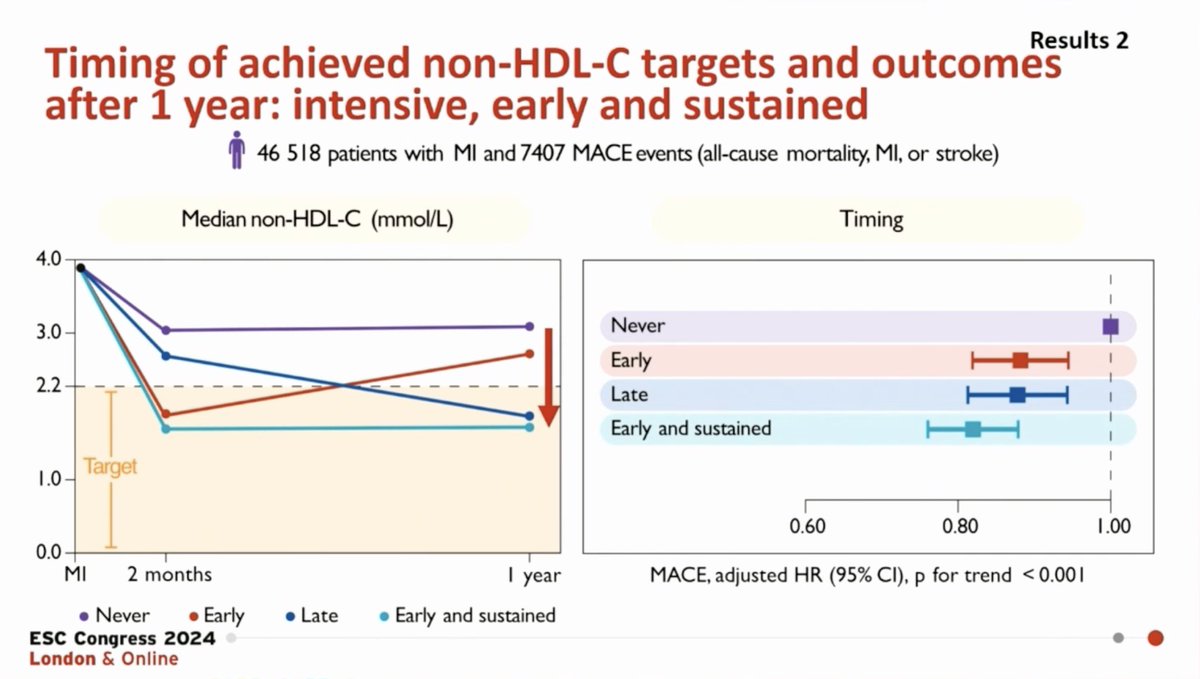
Early intensive lipid lowering therapy saves lives ❤️ 💊 💉
🔸 Strike while the iron is hot (immediately post event)
🔹 Follow patients up & communicate LDL goals to patient & primary care
🔸 Listen to concerns & educate the patient on the ‘legacy affect’ of LDL lowering
LDL⤵️, earlier, longer 👉🏼 better outcomes
@RACGP #MedTwitter #CardioTwitter #MedEd #FOAMed