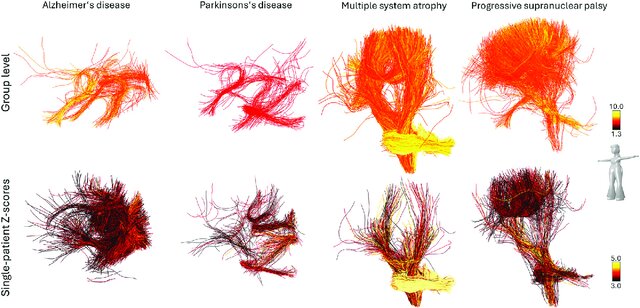
#brain stuff: The degenerome—a novel streamline-wise approach for white matter integrity in #neurodegeneration
Article: https://t.co/Z17kfC5Poj
Code: https://t.co/XwcflMFevI
#Alzheimer#Parkinson
Top-down medial prefrontal cortex-to-hypothalamic paraventricular nucleus circuit regulates social avoidance and conditioned fear in male mice
https://t.co/wDC8eJ23ew
Even when the brain is “at rest,” it is not silent.
A new Nature paper suggests that spontaneous brain activity may reflect a critically initialized neural network: stable, but close to the edge of instability.
8 years ago I met Epstein via zoom. A mutual contact put us in touch as I was building my brain interface company Kernel and he had supposedly done some neuroscience stuff at MIT.
After a ten minute video call I immediately called the person who put us in contact and told him that Epstein seemed like a very dark person. I felt sick to my stomach. I also told him I that never wanted to speak to him again. I remember this so clearly because I knew nothing about him but weirdly, intuitively, something was deeply wrong. Being in his proximity felt dangerous. Despite having nothing to go off of, I never interacted with him again and came to find out years later that he'd had a fucked up past.
When @LnDriscoll began her doctoral research at Harvard, her first task was to find the baseline of how specific neurons fired. Then the baseline kept moving.
@DianaMKwon for @Nature asked the researchers grappling with the brain's shifting code: https://t.co/uJNIIyblAf
Can sleep’s core benefits be delivered without actually sleeping?
Scientists induced sleep-like neuronal “off periods” during wakefulness in mice, reducing local sleep pressure, weakening synaptic strength, and even restoring memory consolidation during sleep deprivation. The findings suggest key functions of sleep may depend on specific brain activity patterns rather than sleep itself. #SleepScience #Neuroscience #Memory
https://t.co/K5ImYi7bKI
Today I am proud to announce the launch of the Brain Health Accelerator, a global initiative to transform our understanding of brain disease and accelerate the development of new treatments.
For more than 20 years, the @AllenInstitute has built foundational data, tools, technologies, and knowledge that have helped reshape neuroscience. Today, we are taking the next step: bringing together scientists, clinicians, technologists, AI experts, patient advocates, philanthropists, and industry partners around a shared mission to tackle some of the world’s most devastating brain diseases.
#BrainHealth will initially focus on Alzheimer’s disease, Parkinson’s disease, Huntington’s disease, ALS, and Lewy body disease, while building a radically open and collaborative framework designed to accelerate progress across many neurological disorders.
This effort launches with a total commitment of more than $400 million, including $200 million from the Allen Institute (supported by the Fund for Science and Technology), $100 million from the Bezos family, and an additional $100 million from @awscloud, @NIH-supported programs, and @Everything_ALS.
We believe the future of brain health will be built through unprecedented collaboration, cutting-edge biology, advanced AI, and open science.
Science unites us. Together, we can go farther and create a healthier world.
#BrainHealth #Neuroscience #OpenScience #AI #BrainInitiative #NIH #Neurodegeneration #Alzheimers #LewyBodyDisease #Parkinsons #ALS #HuntingtonsDisease