The U.S. military has lost or sustained damage to at least 81 aircraft in the war with Iran — nearly double the 42 identified just five months ago — and a new Congressional Research Service analysis warns that replacing some of them could strain the military's ability to meet demands elsewhere.
The losses include 12 F-15E Strike Eagles, an F-35A Lightning II, seven KC-135 refueling tankers, an E-3 Sentry early warning aircraft that took a direct hit from an Iranian strike, and at least 45 MQ-9 Reaper drones. Some damaged aircraft have returned to service, but CRS flagged the aging E-3 fleet specifically as a capability gap that could increase risk in other theaters.
The tally comes eight months into a war that has already burned through an estimated $22.3 billion in munitions and raised hard questions about whether the U.S. defense industrial base can keep up with what the military is spending.
Full story here https://t.co/iPWp1VARSw
RIYADH, Oct 7 (Reuters) - Syria is carefully considering providing military assistance to key ally Saudi Arabia amid an escalating war against the Iran-backed Houthis in Yemen, a US official and a Syrian military official briefed on the matter said.
Options being considered include defensive aid to protect the kingdom from attacks, or deployment of forces in an offensive capacity to help Saudi-backed Yemeni troops fight the Houthis, the sources said.
1/5
🚨 SCOOP: The Syrian government and Lebanese militant group Hezbollah have held face-to-face talks in Turkey to try to calm tensions between them, according to six sources briefed on the first known meeting between the longtime foes.
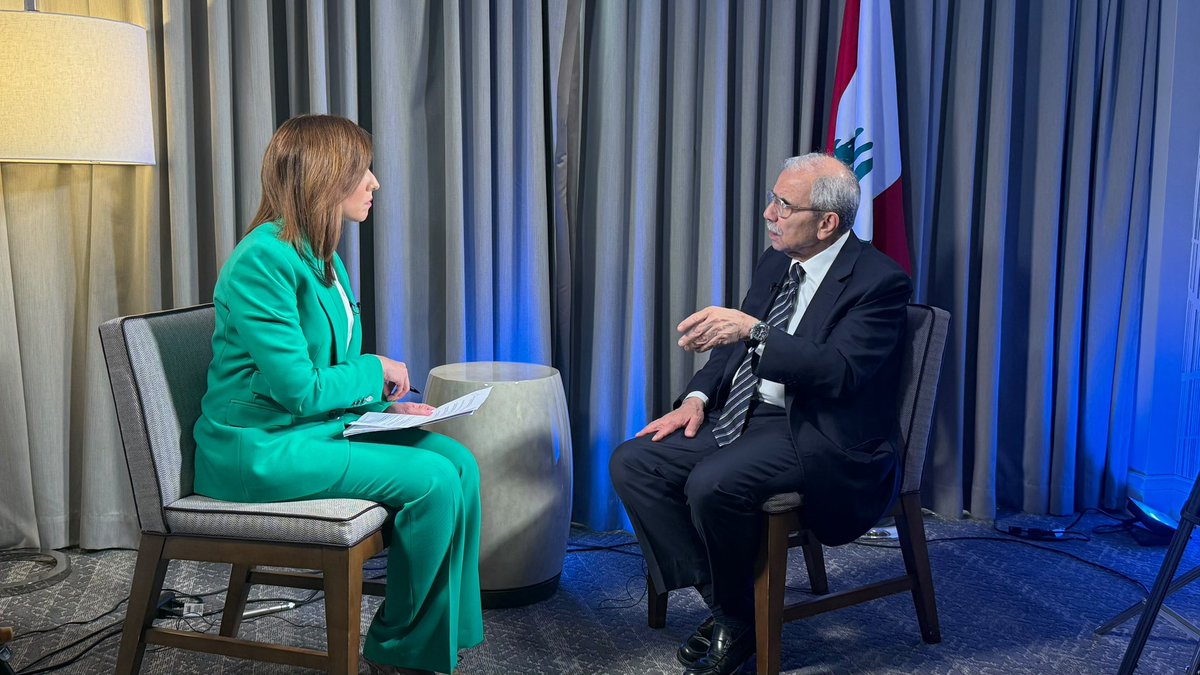
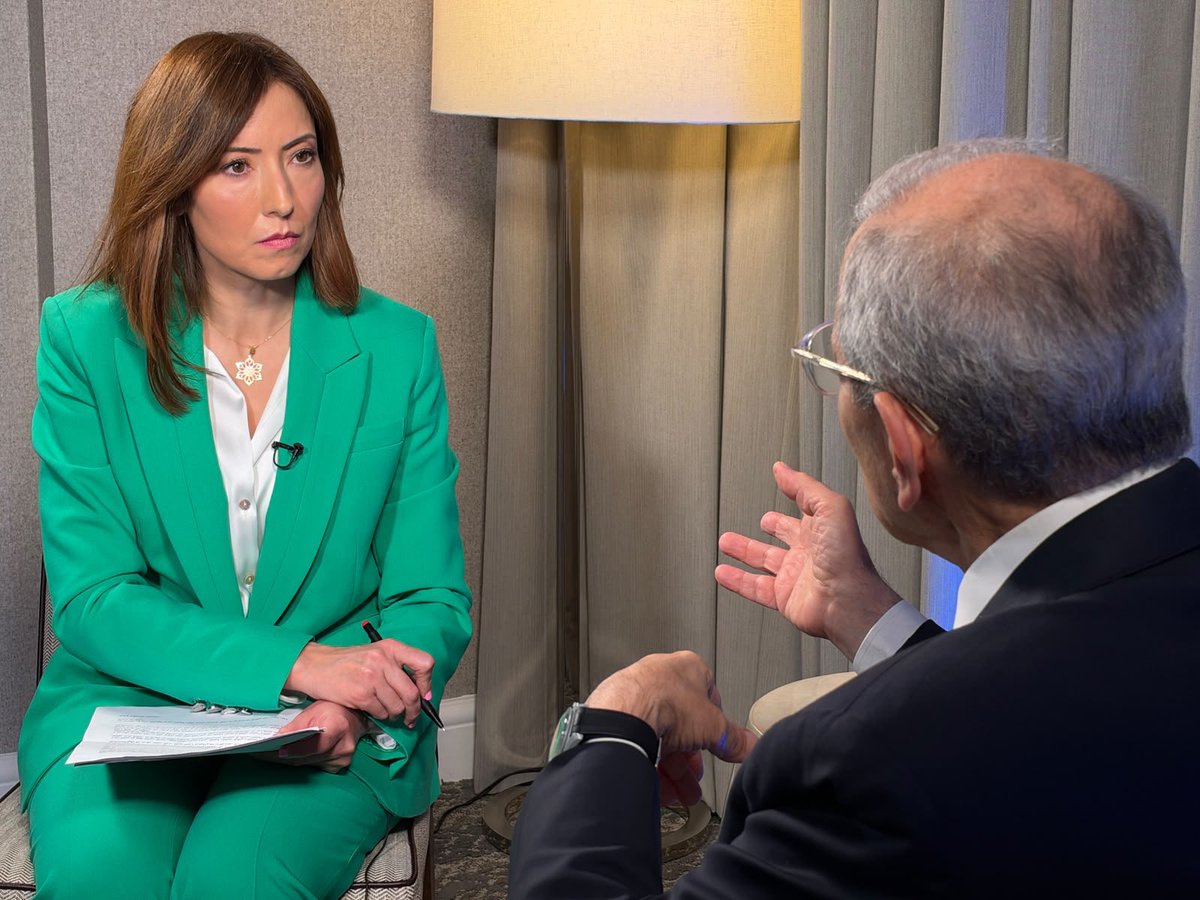
‼️ I sat down with Lebanese Prime Minister @nawafsalam at the end of his visit to Washington, D.C. He spoke frankly about some of the key issues facing Lebanon. In his words:
— On relations with Iran and his first state-to-state meeting with the Iranian president: “We want a state-to-state relationship with Iran based on mutual respect. This is what we asked of the Iranians: a relationship between two states, based on mutual respect.”
— On the trilateral agreement with Israel: “Secretary Rubio is aligned with us on the necessity of having a verification process for the trilateral agreement.”
— On Hezbollah’s weapons and the state’s monopoly on arms: We agreed on placing all weapons under the exclusive authority of the state. Hezbollah agreed to this by being part of the government. We reiterated it in the ministerial statement, and Parliament granted us confidence on that basis.
— On the future of UNIFIL: “UNIFIL, as it is today, is not going to be renewed. But we don’t agree with having a vacuum. We need a UN presence to monitor and report, rather than peacekeeping forces in the traditional sense.
— On Washington’s concerns about Lebanon’s cash economy: “The U.S. wants Lebanon to address the cash economy.”
— On Lebanon’s negotiations with the IMF: “Lebanon asked the U.S. to help with the IMF.”
— On demarcating the border with Syria: “Border demarcation with Syria will come at some point, and it would be beneficial.”
— On cooperation with the World Bank: “We have several projects with the World Bank.”
The full interview will air on Asharq Bloomberg tonight at 01:00 AM , KSA time .
And there was a lighthearted moment during the interview that I’ll share it at the right moment — it shows you a side of the Prime Minister you rarely get to see.
🚨🗳️ Élections 2026 : la participation atteint 28,05% à 17 H (Intérieur)
Pour suivre les détails de ces élections, rendez-vous sur https://t.co/2tg4izRipr et sur nos réseaux sociaux tout au long de la journée et de la soirée électorale.
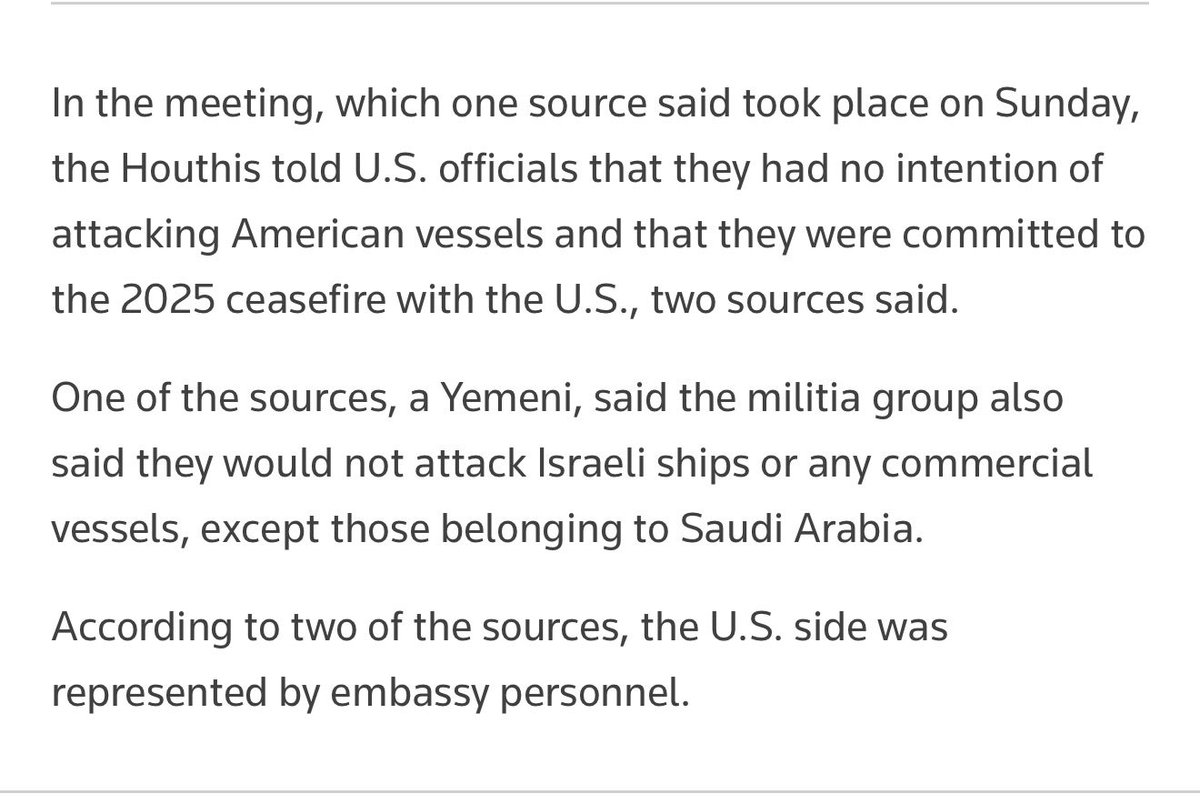
‼️ This paragraph from Reuters story on the meeting between US and Houthis stands out:
The Houthis told US officials that they had no intention of attacking American vessels or Israeli ships.
La bombe qui pourrait tt changer à moins d’un mois & demi des élections & qui fait la une de tous les médias 🇮🇱 ce matin: 10 jours avant l’attaque du 7 octobre, #Netanyahu aurait été averti par MBZ qu’une offensive majeure du #Hamas se préparait contre 🇮🇱. https://t.co/ALiPBv4eQZ
1) The past week has seen a significant escalation in southwestern #Yemen, with the Houthis advancing toward government-held territory as government forces push back across several fronts. What are the Houthis trying to achieve?
[MESSAGE PERSONNEL]
Aujourd’hui, j’ai envie de vous parler d’un sujet autrement plus intime et, à mes yeux, autrement plus important, que les soubresauts de la vie politique.
La femme qui partage ma vie, Sophia Rakrouki, publie Le Grand Guide de la Fertilité aux éditions Marabout.
Sophia est sage-femme et accompagne depuis des années des femmes et des couples confrontés à ces questions qui surgissent parfois brutalement dans une vie : est-ce que je pourrai un jour avoir un enfant ? Pourquoi mon corps ne suit pas le calendrier qu’on avait imaginé ? Suis-je infertile ?
C’est aussi grâce à elle que j’ai découvert la réalité qui se cache derrière les mots « endométriose », « congélation des ovocytes », « PMA » ou « SOPK ». Loin des caricatures qui entourent parfois ces sujets – on l’a encore vu lorsque le « réarmement démographique » s’est invité dans le débat politique – il y a surtout des femmes, des hommes, des couples, leurs doutes, leurs espoirs, leurs peurs et parfois des parcours très longs.
C’est à eux que Sophia s’adresse.
Elle le fait comme elle exerce son métier : sans juger, sans inquiéter inutilement, en trouvant les mots justes pour rendre compréhensible ce qui paraît parfois terriblement compliqué. Ce livre donne des clés pour comprendre son corps, sa fertilité, les difficultés qui peuvent survenir et les possibilités qui existent pour y faire face.
Évidemment, je ne suis pas tout à fait objectif. Mais j’ai vu le travail, l’énergie et surtout le soin qu’elle a mis dans chacune de ces pages.
Alors, pour une fois, je laisse volontiers les socialistes à leurs querelles pour vous parler d’un livre dont je suis particulièrement fier et, plus encore, de celle qui l’a écrit.
Tout comme RSF, la Société des journalistes de RFI s'inquiète de la disparition du journaliste Moussa Kaka au Niger. Nous appelons à ce que tout soit mis en œuvre pour le retrouver au plus vite.
Soon after Oman and Iran announced a proposed framework for a temporary transit route in Hormuz, de-mining operations, regional dialogue, and plans for future negotiations, Oman's Sultan Haitham visited Saudi Arabia, underscoring how closely these two GCC states are coordinating on Hormuz/Iran negotiations as well as broader regional security concerns (I imagine Yemen is also high on the priority list).
C'est donc fait.
Mazloum Abdi devient le conseiller personnel d'Ahmad al-Sharaa quant à la gestion de toute la question kurde.
Leurs parcours très parallèles, que j'avais mis il y a un moment, finissent par trouver le même sillon.
Impressionnant.
Exclusive: Terms of the Agreement Ahead of the Dissolution of the #SDF
1- Mazloum Abdi @MazloumAbdi to be appointed as a presidential adviser.
2- Elham Ahmad @ElhamAhmadSDC to be appointed as a deputy in parliament, with a portfolio related to foreign affairs or constitutional matters.
3- Kurdish to be recognized as an official language, with theoretical subjects taught in Kurdish.
4- The Women’s Protection Units (YPJ) to join the Ministry of Interior as part of an internal security and counterterrorism force.
5- SDF units to be deployed along the borders.
6- Mazloum Abdi and Elham Ahmad to travel to Turkey to meet Abdullah Öcalan.
7- The Kurdistan Workers’ Party (#PKK) to sever its ties with the Kurdish units.
8- 🇹🇷 to remove Mazloum Abdi’s name from its terrorism list, as it did with #SDF commander Sipan Hamo (Samir Oso).
The leaders of Saudi Arabia, Pakistan and Turkey gathered in Mecca on Friday to sign a new defense pact, the capstone of months of diplomatic coordination. Notably absent, however, was Egypt, the fourth member of the Quad that has worked to de-escalate the Iran war. Why? Mada Masr spoke to regional and Egyptian sources about the political aims the pact is looking to advance and why Egypt declined to join.
https://t.co/f8lB8JZRDp
Syria's foreign minister said during a visit to Beirut on Thursday that Damascus was open to meeting the Iran-backed Lebanese group Hezbollah "if interests require it", Lebanon's state news agency reported.
Asaad al-Shibani met Lebanese leaders including President Joseph Aoun and parliament speaker Nabih Berri, a Hezbollah ally, in his first visit to Lebanon since U.S. President Donald Trump raised the possibility of Syrian forces combating Hezbollah in Lebanon.
Syrian President Ahmed al-Sharaa has previously denied what he called rumours about any Syrian presence entering Lebanon.
The U.S. and Iran held technical talks in Doha on Wednesday as they seek to agree on the flow of shipping through the Strait of Hormuz and secure a lasting ceasefire, a source with direct knowledge of the talks and an Iranian official said.
U.S. President Donald Trump's son-in-law Jared Kushner and envoy Steve Witkoff met the prime minister of Qatar — a mediator in the talks alongside Pakistan — to lay groundwork for the negotiations, but would not be attending the discussions themselves, the source with direct knowledge of the talks said.
The talks are based on a 14-point interim accord signed last month that was meant to halt the war that began with U.S.-Israeli strikes on Iran in February and reopen the Strait of Hormuz, whilst setting up 60 days of negotiations for a permanent peace deal.
However, the U.S. and Iran have sparred publicly over the meaning of the interim pact, leading to tit-for-tat strikes over the past week.
Hormuz Scoop: Oman recently delivered a formal proposal to the United States and other Western allies that outlined a plan in which shipping companies would pay service fees to use the strait, according to the Iranian official and a regional diplomat.
https://t.co/bjjgK1KjYk




![A_Oberdorff's tweet photo. [MESSAGE PERSONNEL]
Aujourd’hui, j’ai envie de vous parler d’un sujet autrement plus intime et, à mes yeux, autrement plus important, que les soubresauts de la vie politique.
La femme qui partage ma vie, Sophia Rakrouki, publie Le Grand Guide de la Fertilité aux éditions Marabout.
Sophia est sage-femme et accompagne depuis des années des femmes et des couples confrontés à ces questions qui surgissent parfois brutalement dans une vie : est-ce que je pourrai un jour avoir un enfant ? Pourquoi mon corps ne suit pas le calendrier qu’on avait imaginé ? Suis-je infertile ?
C’est aussi grâce à elle que j’ai découvert la réalité qui se cache derrière les mots « endométriose », « congélation des ovocytes », « PMA » ou « SOPK ». Loin des caricatures qui entourent parfois ces sujets – on l’a encore vu lorsque le « réarmement démographique » s’est invité dans le débat politique – il y a surtout des femmes, des hommes, des couples, leurs doutes, leurs espoirs, leurs peurs et parfois des parcours très longs.
C’est à eux que Sophia s’adresse.
Elle le fait comme elle exerce son métier : sans juger, sans inquiéter inutilement, en trouvant les mots justes pour rendre compréhensible ce qui paraît parfois terriblement compliqué. Ce livre donne des clés pour comprendre son corps, sa fertilité, les difficultés qui peuvent survenir et les possibilités qui existent pour y faire face.
Évidemment, je ne suis pas tout à fait objectif. Mais j’ai vu le travail, l’énergie et surtout le soin qu’elle a mis dans chacune de ces pages.
Alors, pour une fois, je laisse volontiers les socialistes à leurs querelles pour vous parler d’un livre dont je suis particulièrement fier et, plus encore, de celle qui l’a écrit.](https://pbs.twimg.com/media/HRUDyCRakAAXdJO.jpg)



![A_Oberdorff's tweet photo. [MESSAGE PERSONNEL]
Aujourd’hui, j’ai envie de vous parler d’un sujet autrement plus intime et, à mes yeux, autrement plus important, que les soubresauts de la vie politique.
La femme qui partage ma vie, Sophia Rakrouki, publie Le Grand Guide de la Fertilité aux éditions Marabout.
Sophia est sage-femme et accompagne depuis des années des femmes et des couples confrontés à ces questions qui surgissent parfois brutalement dans une vie : est-ce que je pourrai un jour avoir un enfant ? Pourquoi mon corps ne suit pas le calendrier qu’on avait imaginé ? Suis-je infertile ?
C’est aussi grâce à elle que j’ai découvert la réalité qui se cache derrière les mots « endométriose », « congélation des ovocytes », « PMA » ou « SOPK ». Loin des caricatures qui entourent parfois ces sujets – on l’a encore vu lorsque le « réarmement démographique » s’est invité dans le débat politique – il y a surtout des femmes, des hommes, des couples, leurs doutes, leurs espoirs, leurs peurs et parfois des parcours très longs.
C’est à eux que Sophia s’adresse.
Elle le fait comme elle exerce son métier : sans juger, sans inquiéter inutilement, en trouvant les mots justes pour rendre compréhensible ce qui paraît parfois terriblement compliqué. Ce livre donne des clés pour comprendre son corps, sa fertilité, les difficultés qui peuvent survenir et les possibilités qui existent pour y faire face.
Évidemment, je ne suis pas tout à fait objectif. Mais j’ai vu le travail, l’énergie et surtout le soin qu’elle a mis dans chacune de ces pages.
Alors, pour une fois, je laisse volontiers les socialistes à leurs querelles pour vous parler d’un livre dont je suis particulièrement fier et, plus encore, de celle qui l’a écrit.](https://pbs.twimg.com/media/HRUDyCYbYAABKmy.jpg)


