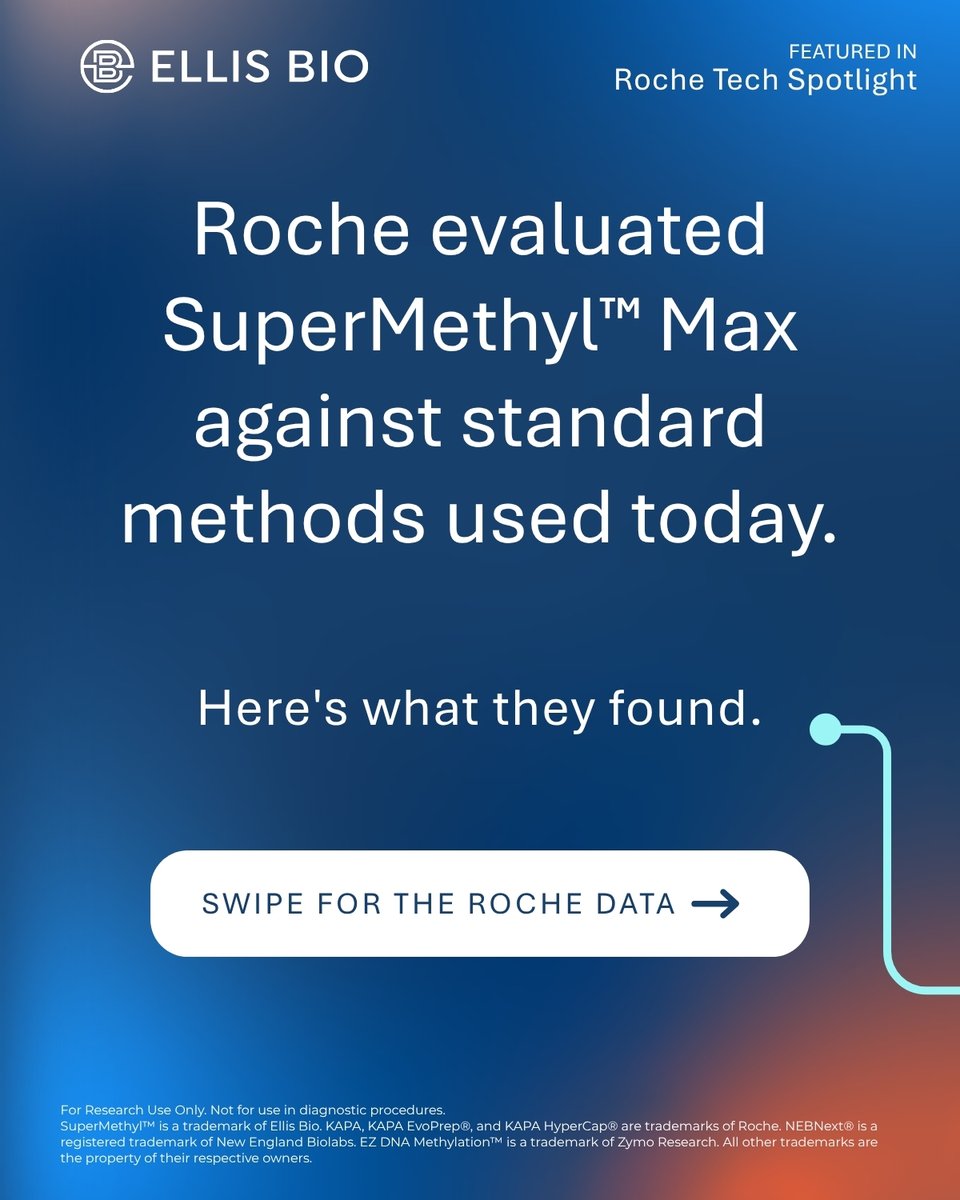
Proud of this one. In an independent side-by-side benchmark, Ellis Bio's ultra-mild bisulfite SuperMethyl™ Max led on conversion accuracy with the lowest false-positive rate. For low-input cfDNA, every converted molecule counts. #methylation#liquidbiopsy
New @Roche Tech Spotlight: a side-by-side look at 5 low-input cfDNA methyl-seq workflows on a single KAPA EvoPrep® library prep. SuperMethyl™ Max came in highest on conversion accuracy and lowest on false-positive rate. https://t.co/ZAfu9WAMG6
#methylation
If you work with low-input cfDNA methylation and fragmentomics and every molecule counts, this one's for you. Recovery and accuracy shouldn't be a trade-off.
SuperMethyl™ Max, our flagship kit, is built on ultra-mild bisulfite chemistry: it preserves the cfDNA fragment profile on par with EM-seq while keeping the conversion efficiency, reliability and simplicity bisulfite is known for.
Happy to share data or send a kit for your samples. Just message me.
Bisulfite doesn't have to destroy your cfDNA.
For years, the trade-off in cfDNA methylation work has been accuracy versus integrity. Conventional bisulfite gives reliable C-to-T conversion but fragments already-short cfDNA, erasing the nucleosome footprint that fragmentomics relies on. Enzymatic methods preserve fragment length, but at the cost of a longer, multi-step workflow and less consistent conversion.
SuperMethyl™ Max uses ultra-mild bisulfite chemistry to remove that trade-off. In the gel below, cfDNA converted with SuperMethyl Max keeps its mono- and di-nucleosome peaks intact, on par with EM-seq, while conventional bisulfite visibly degrades them.
Why it matters:
🧬 Methylation and fragmentomics from a single conversion
🧬 More usable molecules from low-input samples
🧬 Bisulfite's high accuracy and simplicity, without the DNA damage
Interested in testing SuperMethyl Max on your samples? Reach out or visit https://t.co/dpcWCfsPxf.
#cfDNA #DNAmethylation #LiquidBiopsy #Fragmentomics #Epigenetics
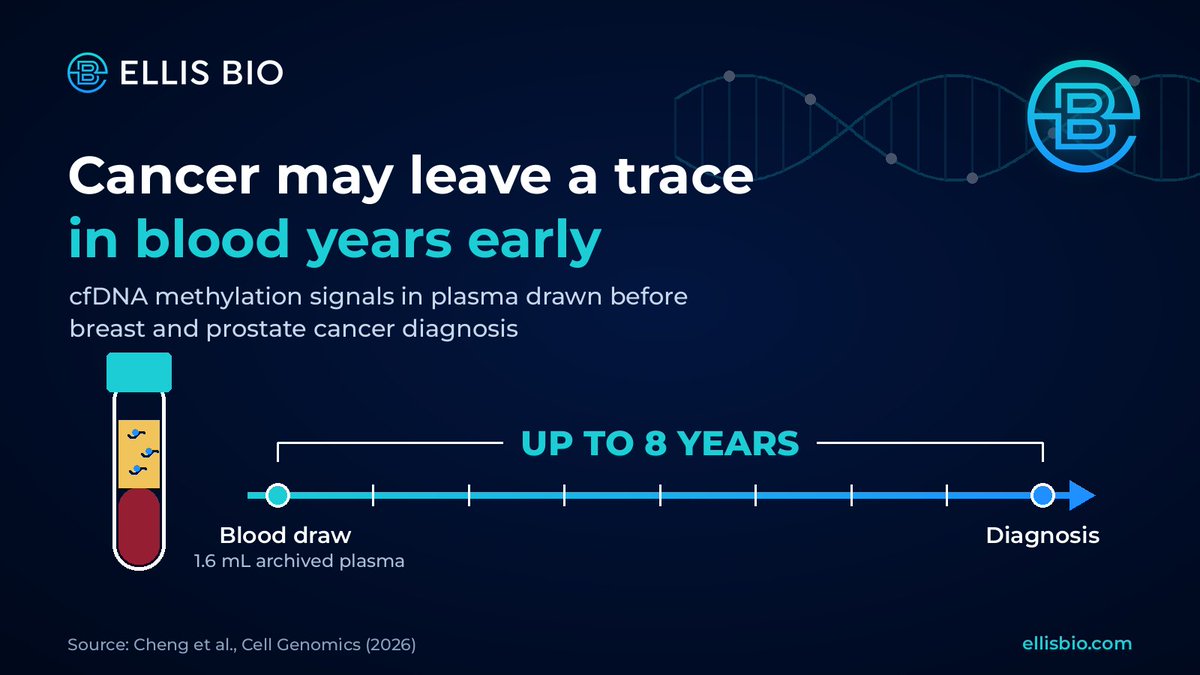
The detail that stuck with me: 1.6 mL of archived plasma per person. Biobank samples are small and precious, so how gently you treat each fragment matters.
Cancer may leave a trace in blood years early. New in Cell Genomics: cfDNA methylation signals in plasma drawn up to 8 yrs before breast and prostate cancer diagnosis, from just 1.6 mL per person. Signals were modest, and sample quality mattered. 🧬 #DNAmethylation#cfDNA
BREAKING NEWS
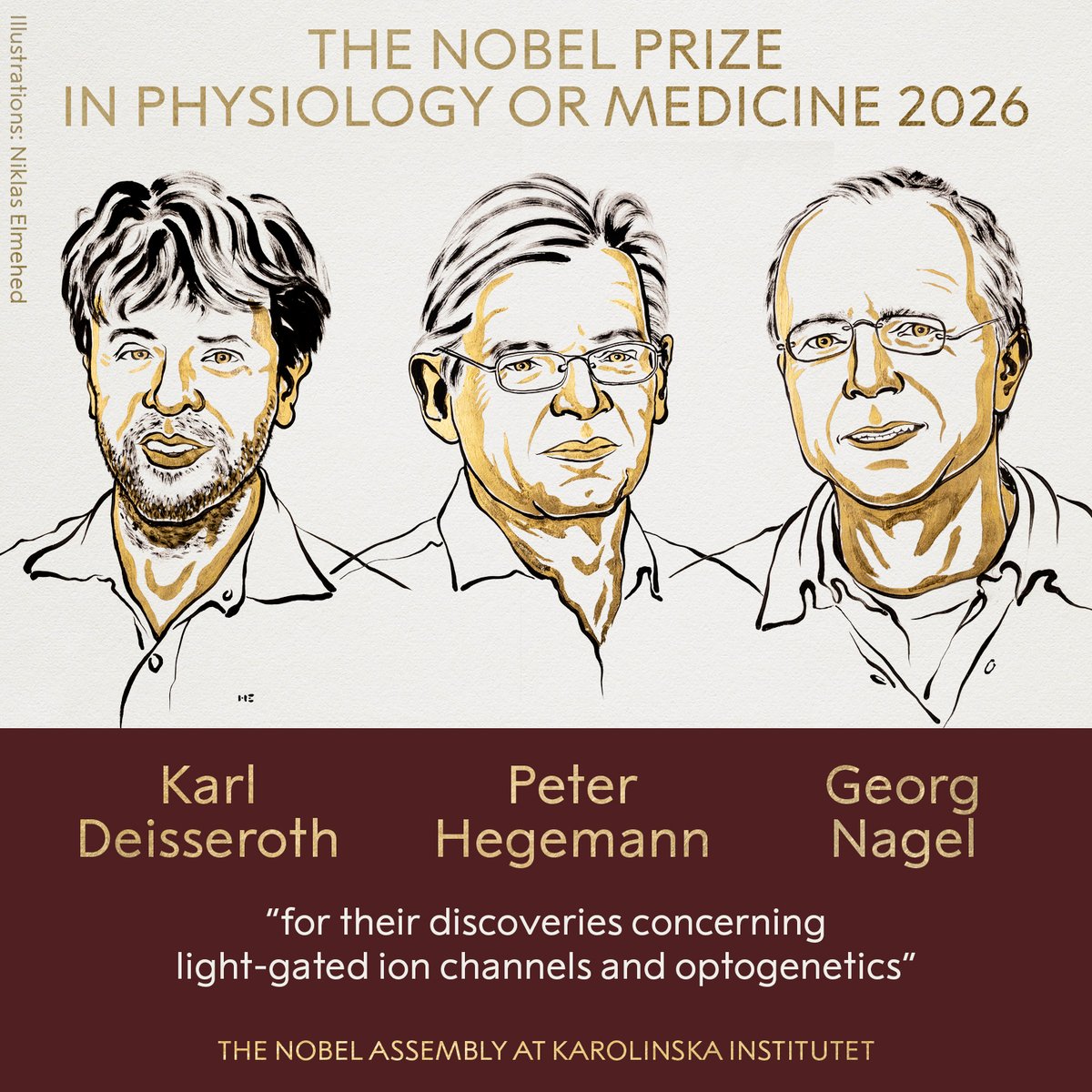
The 2026 #NobelPrize in Physiology or Medicine has been awarded to Karl Deisseroth, Peter Hegemann and Georg Nagel “for their discoveries concerning light-gated ion channels and optogenetics.”
Additionally, long reads are great when you have micrograms of intact DNA. cfDNA and low-input samples are a different game, and that's where gentle and fast bisulfite still wins. 🧬
Fair point on conventional bisulfite: harsh conversion fragments DNA and costs coverage. That's why we built SuperMethyl™ Ultra-Mild Bisulfite chemistry. 99.8% conversion with almost no DNA damage. Happy to run a head-to-head on matched samples. 🧬
Fair point on conventional bisulfite: harsh conversion fragments DNA and costs coverage. That's why we built SuperMethyl™ Ultra-Mild Bisulfite chemistry. 99.8% conversion with almost no DNA damage. Happy to run a head-to-head on matched samples. 🧬
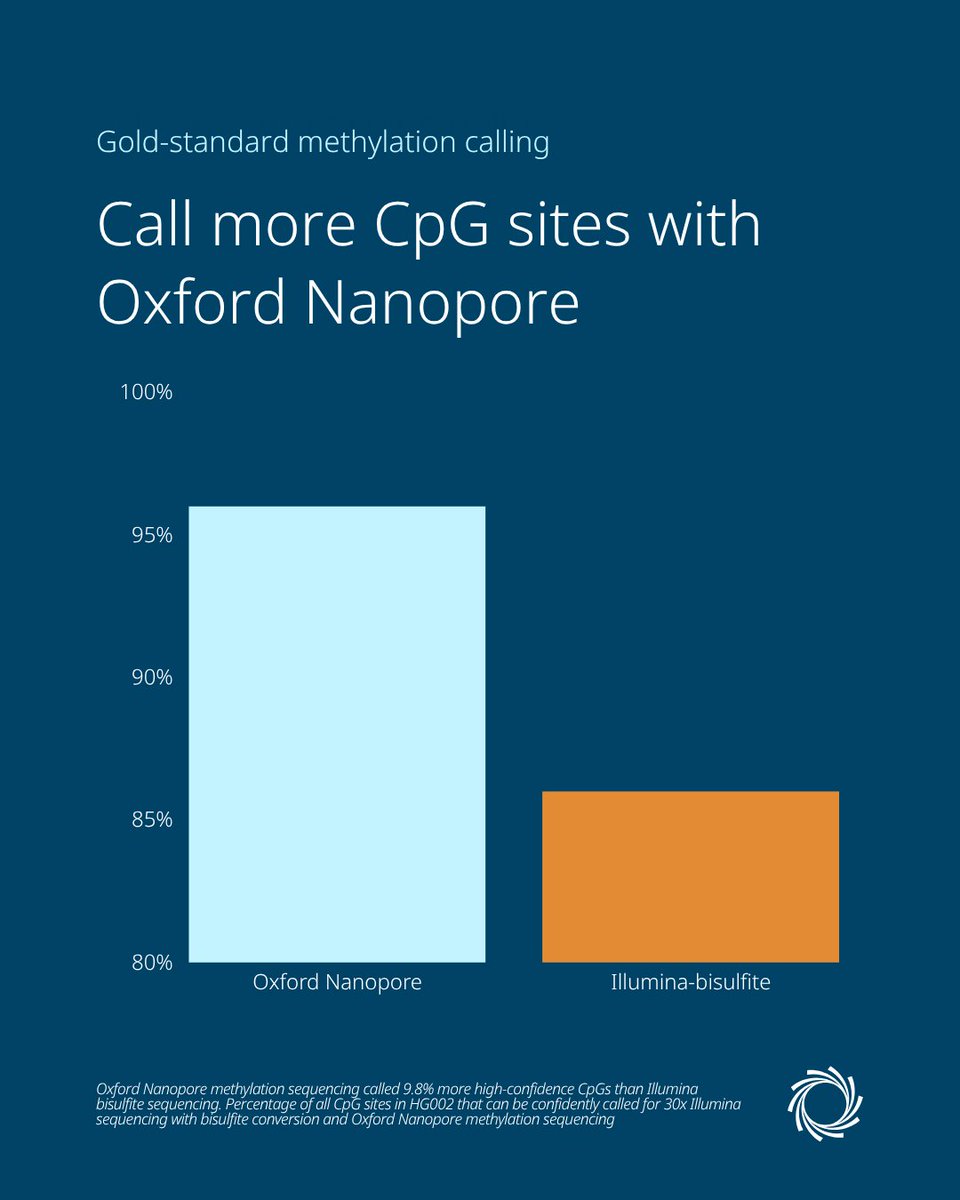
See more biology with gold-standard methylation calls.
In our benchmarking, the Oxford Nanopore confidently called ~10% more CpGs than Illumina bisulfite sequencing.
https://t.co/nxF08WK6FP
Flagging cancer risk from blood methylation up to eight years before diagnosis means reading very faint signals in routine samples. That is where conversion quality matters most: every CpG lost or misread is signal you can't get back.
DNA methylation patterns in blood could identify people at high risk of prostate or breast cancer up to eight years before diagnosis, Oxford Population Health researchers report. dlvr.it/TVk8t8
I'm a cardiologist. Young hearts age fast in old bodies. Old hearts get younger in young ones. That’s the headline from a new Harvard/Brigham study (Poganik et al., bioRxiv) that Eric Topol just flagged as “impressive” and a challenge to some earlier parabiosis thinking.
They grafted hearts across age groups in mice, then checked 11 real human transplants with big donor–recipient age gaps. Using DNA-methylation clocks, the transplanted heart rapidly took on the recipient’s biological age—not the donor’s. Young hearts in older hosts accelerated. Older hearts in younger hosts showed epigenetic rejuvenation. Functional measures (wall thickness, heart rate, exercise capacity) also tracked the new host more than the original donor. The effect stayed local to the graft; it didn’t rewrite the rest of the recipient’s body.
The systemic environment—blood, immune signals, circulating factors—can overwrite an organ’s epigenetic clock. Aging is not purely cell-autonomous. The “young milieu” has real reprogramming power; the “old milieu” has aging power. That is both a constraint and an opportunity.
It suggests: We may be able to expand the heart-donor pool if older organs can be biologically “reset” by a younger host. Identifying the exact circulating factors (or immune/neuronal signals) that drive this reset becomes a high-priority target for plasma-based or small-molecule interventions. Organ-level clocks are plastic and environment-dominated—consistent with the broader shift from calendar age to organ-specific biological clocks that Topol and others have been documenting.
@davidasinclair — this looks like another data point that the systemic milieu can rewrite epigenetic age in a living organ. How does this land next to partial reprogramming and circulating-factor work? Does it change how we think about heterochronic interventions or donor-organ strategy?
The field just got a cleaner demonstration that the body you put an organ into can be more powerful than the age of the organ itself. That’s a big deal for both transplant medicine and longevity science!!!
Not all clock noise is biology. Incomplete conversion and DNA loss during bisulfite treatment add technical variance at individual CpGs, especially with low input. Measuring noise is a great step; minimizing it at the bench is the other half.
1. Do not go 175 MPG, folks...
2. No one died!?!?!??!!?!? Teslas are REALLY F*CKING SAFE CARS!
I only buy Teslas because I want my family safe.
Staying alive is the name of the game, folks... life is precious.
Don't do stupid stuff; always choose the safest option.
@aadel_chaudhuri@MayoRadOnc Congrats to Dr. Weiskittel! Telling true recurrence from radiation necrosis in GBM is such a hard clinical call, and a great use case for cfDNA methylation. Curious how much plasma input you needed. Low input is exactly what we obsess over at @Ellis_Bio 🧬
@isliquidbiopsy Agree it's a reality check. From the upstream chemistry side: early-stage tumors shed very little ctDNA, so every molecule lost during conversion is signal you never get back. Sensitivity gains will come from the wet lab as much as from the models.
A 7-2 panel vote is a big moment for methylation-based screening. The part people don't see is that the signal is only as good as the chemistry that preserves it. That's what we obsess over at Ellis Bio!🫡
An FDA panel just voted 7-2 that Galleri's benefits outweigh its risks. Blood-based cancer screening through cfDNA methylation is getting close.
Every one of those tests depends on converting trace amounts of fragmented DNA without losing any. That's what SuperMethyl™ is built for. 🧬 #DNAmethylation #cfDNA