#runnerbliss chasing my ASICS to places where art, science & fascinating people connect.Sound mind sound body. Wireless Health Fitness Food Running Skiing Style
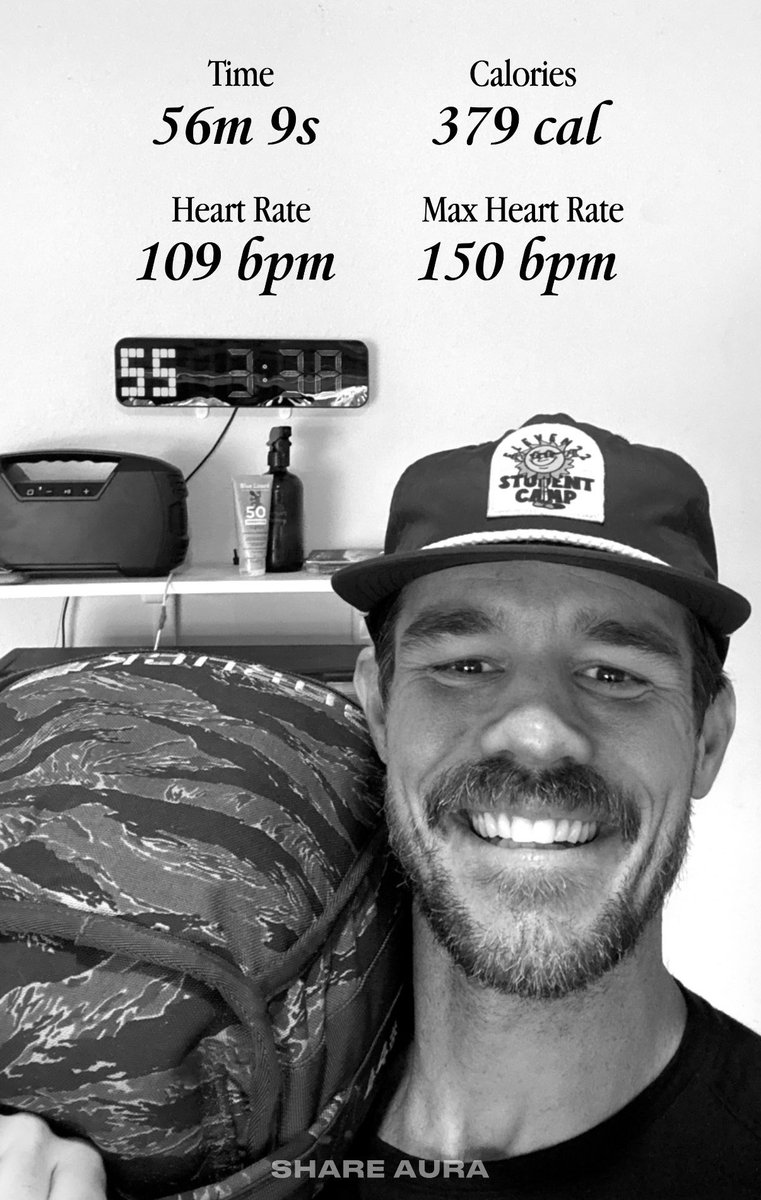
Still got it at 43, Dad edition 👨🏻
Won the softball league championship and hit a home run in my final at bat
Bench pressed my body weight (185) three times and on my way back to 225
Signed up for a BJJ comp in January
Just keep showing up and put in the reps 💪
In 2024, 0.7% of the Ironman World Championships field in Kona finished in 8 hours or less.
That means 99.3% of the sport’s TOP athletes didn’t.
An 8-hour ironman is the hardest to achieve on this list, and it’s not even close.
The widespread use of Helvetica and other sans serif fonts are to blame for some part of the spiritual aesthetic decline and things looking kind of bland. Before, fonts were much more interesting. Midcentury, Art Deco, and then ornamental etc…
Bring back the life.
I wonder how many athletes wake up feeling great, check their HRV and suddenly start questioning how they feel.
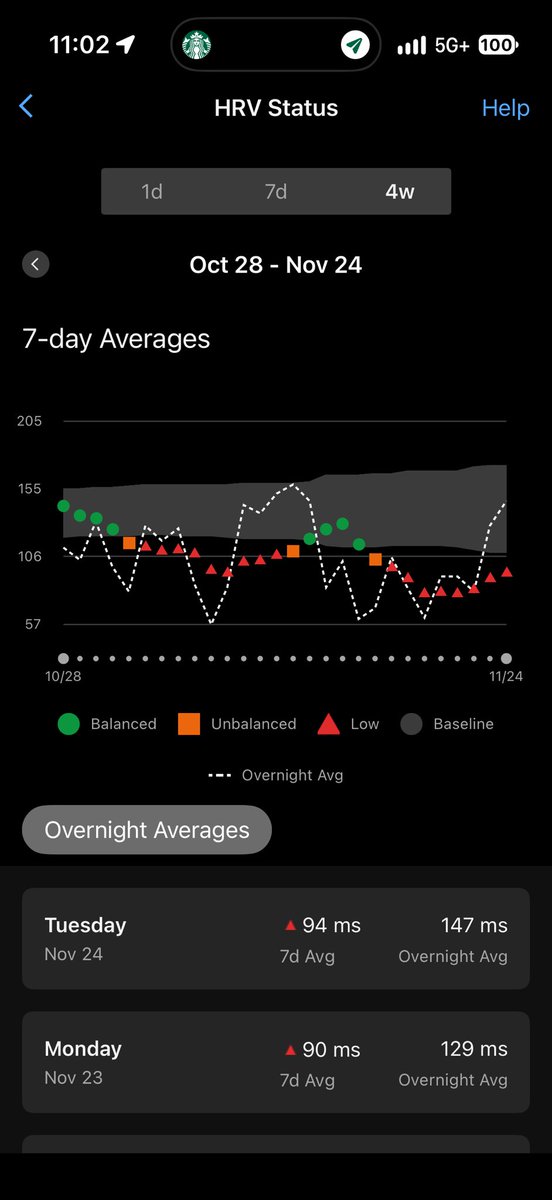
Below are my last 8 weeks of HRV data.
My 7-day average HRV has dropped by 36% over the past 4 weeks, and Garmin has classified my training status as “strained” since November 17.
Yet I’m waking up feeling great.
I’m training quite a bit right now and intentionally maintaining a small calorie deficit, so I’m curious what’s driving the decline.
But HRV is only one piece of information I’d use to make training decisions.
I’d also want to know:
- Has my resting HR changed?
- Am I sleeping and fueling adequately?
- Are my easy runs starting to feel harder?
- Am I struggling to hit my usual workout paces?
- Am I recovering between sessions?
A sustained decline in HRV deserves attention, even when you feel good.
One thing I’d encourage athletes to try:
Assess how you feel each morning before checking your recovery data.
Today on the pod, mile world-record holder Josh Kerr. He told the world he would break the record, then went out and did it. Streaming now in all the places.