#SingaporeThingsMumbaiShouldHave
Part 6: Covered Walkways
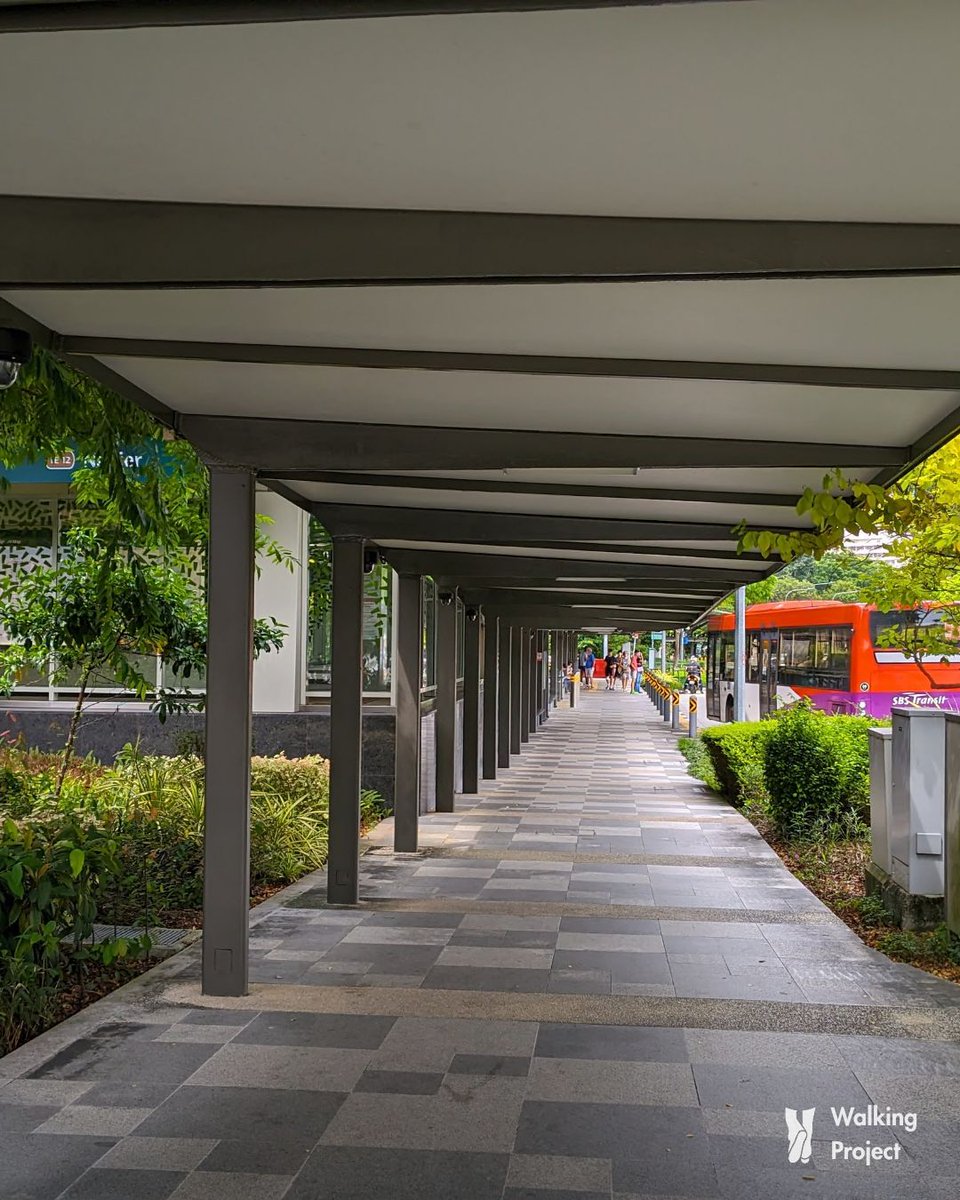
One of the most unique things about Singapore was its covered walkways. When I first heard about the concept, I wasn't immediately on board. It felt like a cop-out from simply planting more trees for shade. But seeing it in person helped me understand the context and appreciate both its implementation and intent.
Singapore has covered walkways across its streets with a combined length of 246 kilometres. Made of galvanized steel and aluminium, they provide comfortable width and adequate vertical clearance.
The beauty of these walkways is their thoughtful placement. They aren't built everywhere, but form a network focused on transit connectivity.
Covered walkways are commonly found:
• Between MRT stations and bus stops.
• Between housing estates and transit hubs.
• Between shopping malls and MRT stations.
• Between office complexes and transit hubs.
• Along key pedestrian routes lacking natural shade.
• Near major pedestrian crossings and intersections.
They're only built where there isn't adequate shade from buildings or trees—not everywhere.
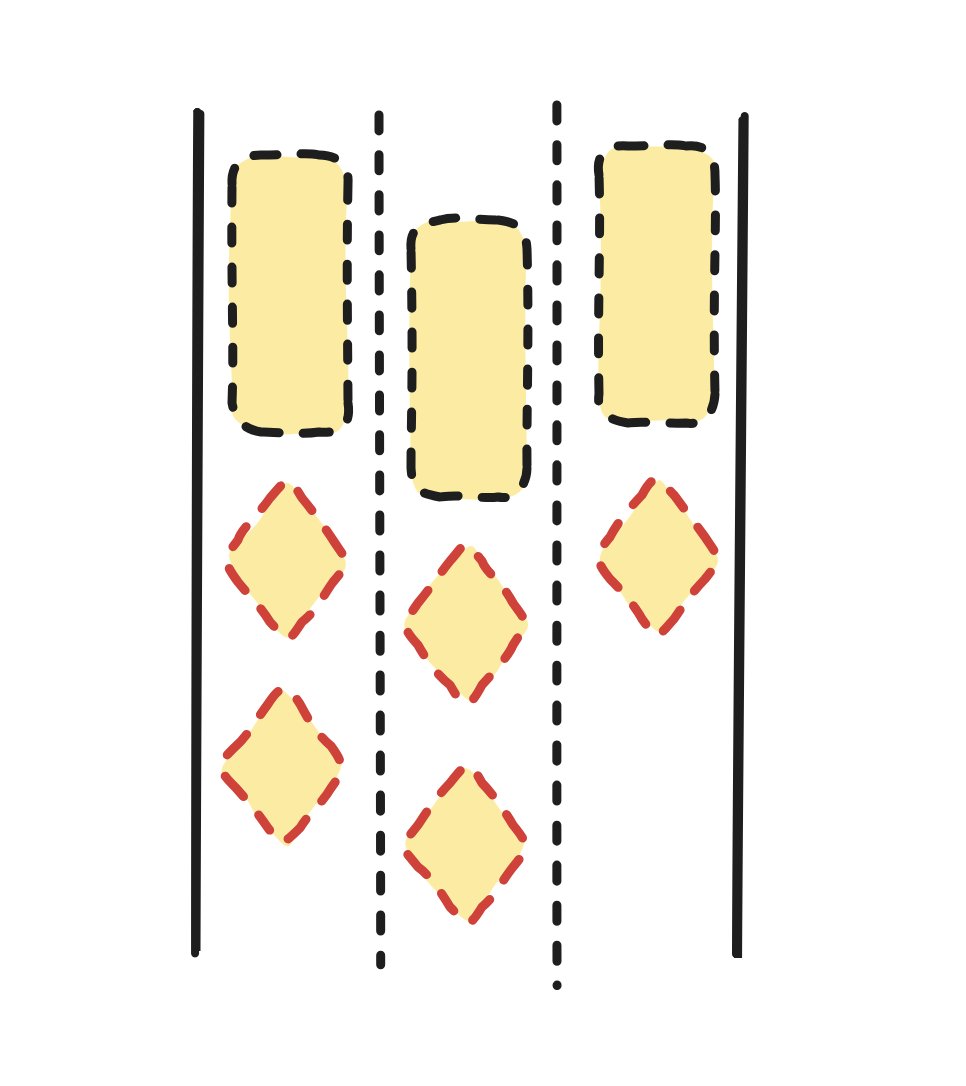
Indian cities typically have lane widths of around 3.5 metres, compared with European standards of roughly 2.8–3.0 metres.
These wider lanes create "imaginary lanes" in the minds of undisciplined drivers, who try to squeeze between two adjacent vehicles.
Reduce the lane width, and you'll likely see a significant improvement in lane discipline and smoother traffic flow.
Every country protects its own. Very few countries with a decent sized military have ever told me that Indian firms are welcome. They’ve sugar coated with arguments like “oh, we only buy if you have a gobbledygook registration” or “our tariff structure may not work until you bend over for us”. Some have skin colour requirements too. But firms from the same countries get special treatment in India from all & sundry. Difference - they are fine with being selfish. We want to be morally right.
We will still fight since geopolitics has evened the playing field & if we don’t succeed now, it’s a big opportunity lost.
And so I’d like decision makers to also know that you don’t ever earn respect until you protect your own. Screwdrivergiri is just a singular wave for foreign OEM’s to ride on. It’ll be over in no time. What about your future waves.
#SingaporeThingsMumbaiShouldHave
Observation #5:
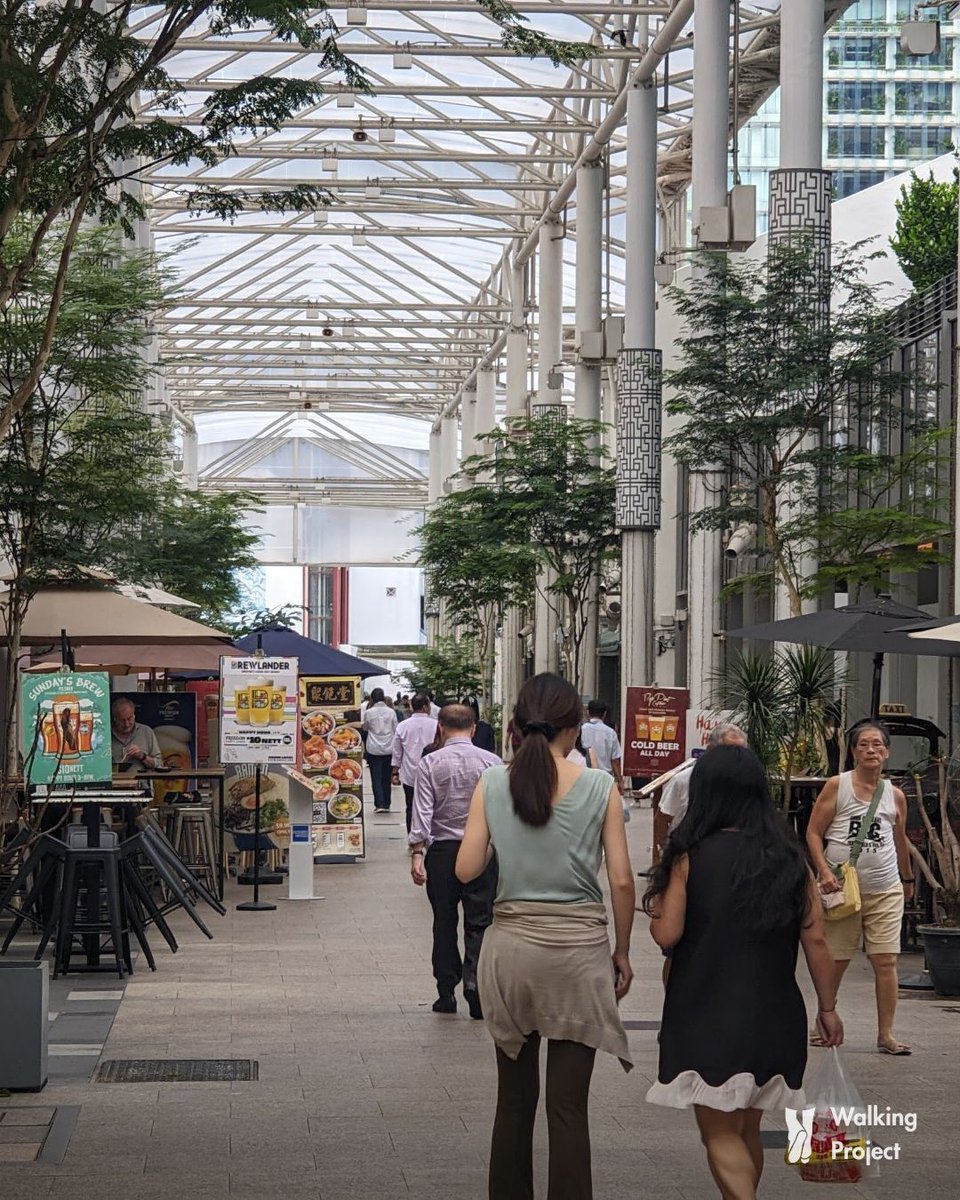
Singapore has many permanent pedestrian-only streets in dense, busy neighbourhoods like Downtown, Chinatown, Bras Basah, Clarke Quay and Boat Quay.
These areas extend from nearby metro stations such as Telok Ayer, Raffles Place, Chinatown, Clarke Quay and Bras Basah. They are lined with craft breweries, clubs, restaurants and shops with outdoor seating. Office-goers from nearby skyscrapers spill onto these streets during the day, while at night they transform into vibrant party hubs.
#SingaporeDiaries #WalkingProject
@peenyacolada_ Make footpaths wide enough and Enforce street vendors to setup ONLY in designated zones.
Street vendors assume footpaths to be "free real estate". That needs to stop.
Ever heard people from Tokyo justify that the city receives the most and highest magnitude earthquakes, so it's 'natural' for buildings & infrastructure to fall? No right?? Then why tf do Mumbaikars keep justifying "no other city receives rainfall like Mumbai" for urban flooding?
@supriyasahuias@tnforestdept@UNEP@IUCN@IUCNssc@WWF@WWFINDIA Wonderful work. How much will it cost to permanently shift this railway line on viaducts and let the elephants cross at ground level. Or perhaps raising the height of the mound and constructing permanent wildlife underpasses.
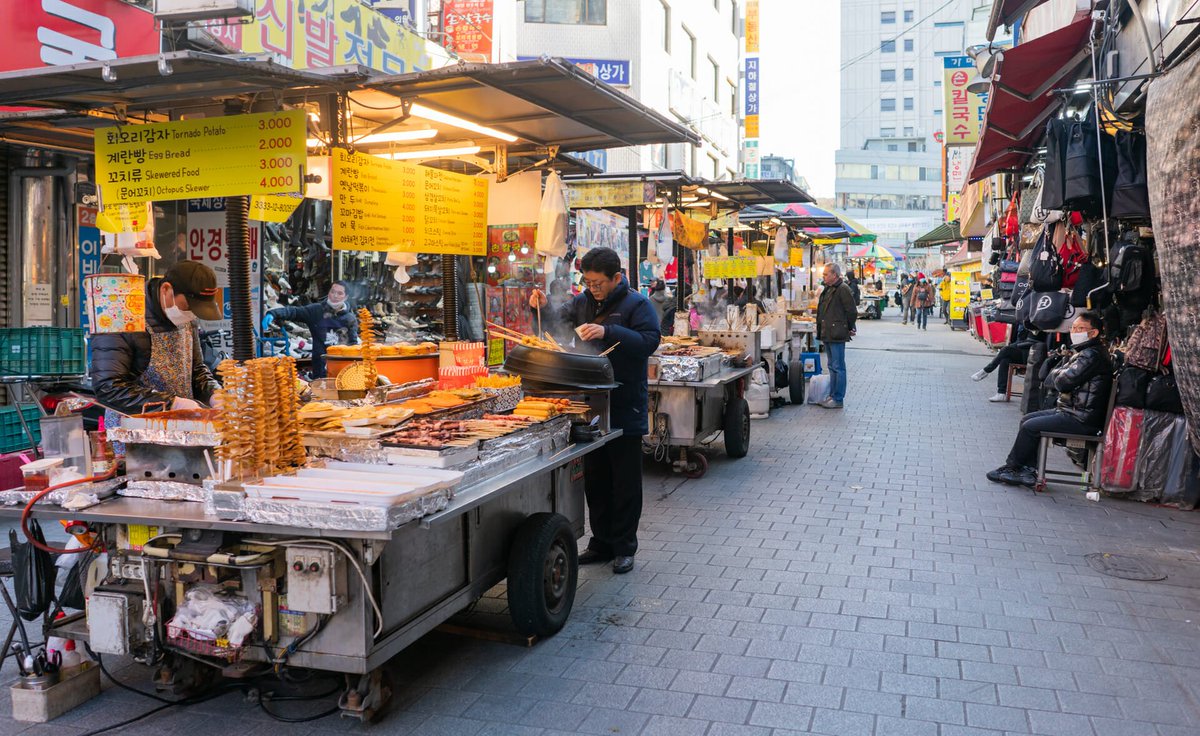
One of the best ways to retain (legal) hawkers is to pedestrianise an entire non-arterial street with clear hawking & pedestrian walkway zones. Imagine Church Streets but without vehicles.
Imagine one such street offering unique experience in every area. Seoul does this already.
@bhaumikgowande The timeline is a little fudged tho :p
Homer most likely took the idea of odyssey from the bronze age collapse that happened in 1300 BC onwards. Indo-greek kingdoms started from 200 Bc..
But its also true that our civilizations were in contact with the greeks for a long time.