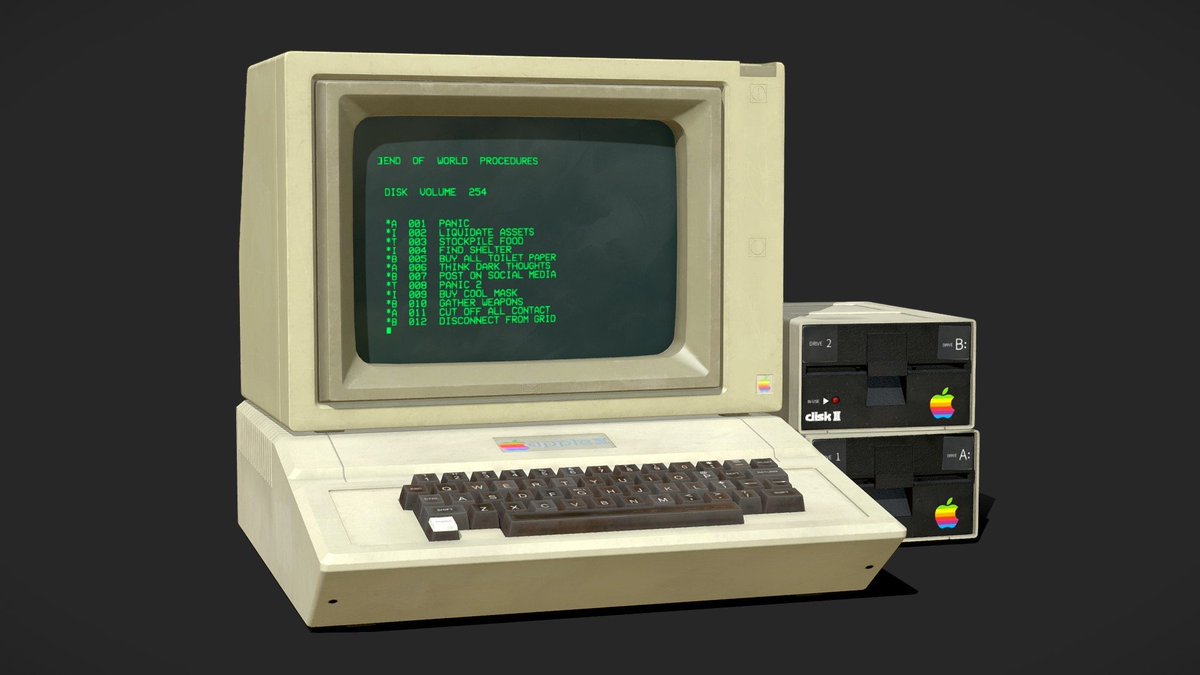
Writing text back and forth with an LLM is like we're all the way back to the era of command terminals. The "correct" output is a lot closer to custom web apps written just for your query, information laid out spatially, multimodal, interactive, etc. Will take some time.
5) Excel to website
This large CSV contained data about news articles from local stations in Japan. Manus analyzed the data and created a website that presents key trends and overviews of the best and worst articles.
Manus is great for building fun web apps.
In response to one prompt, Manus created a face comparison website, autonomously deploying deep learning algorithms to measure facial similarity between photos.
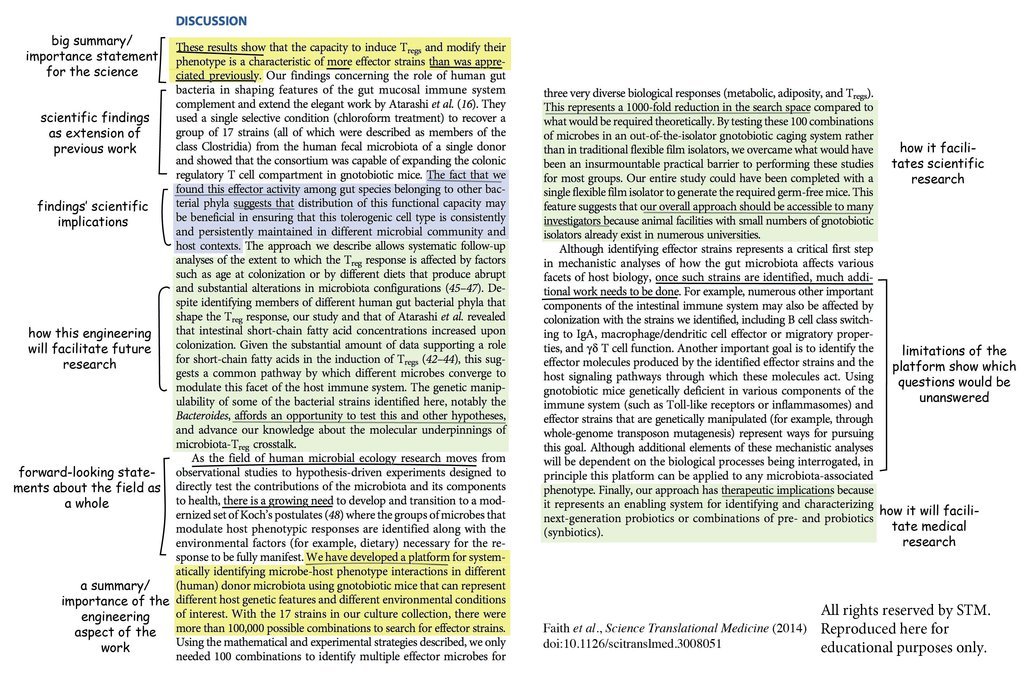
All rejected papers share one common flaw: a weak discussion section.
I know because I used to write them too.
If you're stuck on the discussion section,
wondering how to tie it all together,
this is for you:
How I turned a 50-page literature review into a concise 10-page masterpiece using 9 simple questions:
Most researchers get lost in endless summaries.
They miss the big picture.
But there's a simple framework to fix this.
I call it the 9-Question Literature Review Framework:
PhD students — How to 10x your PhD productivity?
𝟏. 𝐀𝐯𝐨𝐢𝐝 𝐬𝐨𝐜𝐢𝐚𝐥 𝐦𝐞𝐝𝐢𝐚 𝐢𝐧 𝐭𝐡𝐞 𝐟𝐢𝐫𝐬𝐭 𝐡𝐚𝐥𝐟 𝐨𝐟 𝐭𝐡𝐞 𝐝𝐚𝐲: Social media is not controllable. As we scroll, we see content irrespective of whether or not we really want to see it. Some of the content deeply impacts us such as a horrible incident or something bad happened to a loved one. If it happens, you might not be productive for the rest of the day. So, better avoid it in the first half.
𝟐. 𝐀𝐭 𝐥𝐞𝐚𝐬𝐭 𝟒 𝐡𝐨𝐮𝐫𝐬 𝐨𝐟 𝐝𝐚𝐢𝐥𝐲 𝐟𝐨𝐜𝐮𝐬: Our mind does not work to its maximum potential all the time. However, it does work in a focused way for 3-4 hours. Make sure to work with full focus for at least 4 hours a day. Get yourself disconnected from mobile phones, emails, etc, and work on the most challenging task. It shouldn't be 4 consecutive hours, though.
𝟑. 𝐋𝐞𝐚𝐯𝐞 𝐥𝐢𝐠𝐡𝐭 𝐭𝐚𝐬𝐤𝐬 𝐭𝐨 𝐭𝐡𝐞 𝐞𝐧𝐝 𝐨𝐟 𝐭𝐡𝐞 𝐝𝐚𝐲: Not all PhD tasks require equal focus. For example, replying to some emails, marking student submissions, and voluntary tasks for a conference do not require too much mental focus. Work on them at times when you are not too productive.
𝟒. 𝐉𝐮𝐬𝐭 𝐬𝐭𝐚𝐫𝐭: Procrastinating PhD tasks is quite common. Don't procrastinate. Follow the 5-second rule. If you don't jump towards the task in the first 5 sec, your brain starts pushing you away from it. Everything is difficult before you do it, just do it.
𝟓. 𝐓𝐫𝐲 𝐏𝐨𝐦𝐨𝐝𝐨𝐫𝐨: It helps especially during paper writing. Some students follow this technique and have shown good results. Set a timer to 25 mins and solely focus on writing during these 25 mins. Once the timer hits, take a 5 min break and come back again.
𝟔. 𝐓𝐚𝐤𝐞 𝐧𝐨𝐭𝐞𝐬: As a PhD student, you should be eager for ideas. These ideas you can take from many places - meetings, conferences, and your own thoughts. Don't let them fly away. You can easily take notes even on your mobile phone. Take notes and reflect on them later.
𝟕. 𝐃𝐨𝐧'𝐭 𝐥𝐞𝐚𝐯𝐞 𝐬𝐡𝐨𝐫𝐭𝐞𝐫 𝐭𝐚𝐬𝐤𝐬 𝐟𝐨𝐫 𝐭𝐨𝐦𝐨𝐫𝐫𝐨𝐰: Replying to an email, passing your paper through Grammarly, and sending a group meeting agenda are shorter tasks. These tasks take 5-10 min. However, when you are on the way back ending your day, you will feel like you have done several tasks - a feeling of accomplishment for the day.
𝟖. 𝐀𝐯𝐨𝐢𝐝 𝐭𝐨𝐱𝐢𝐜𝐢𝐭𝐲: Some activities, people, and content around you can be toxic. A 5-sec toxic engagement can ruin your day. It can demotivate you and keeps you unproductive for the whole day. Identify these and keep yourself away.
𝟗. 𝐃𝐨𝐧'𝐭 𝐰𝐨𝐫𝐫𝐲: Being worried is something not unusual for PhD students. However, being worried doesn't solve any problems but the right actions do. For the right actions, you first need to get yourself out of the worry bubble. Taking PhD worries out of your head will double your productivity.
Anything to be added?
I'll be sharing 20 practical tips for PhD productivity in my this week newsletter.
Please subscribe: https://t.co/5t7Z1AIuh9
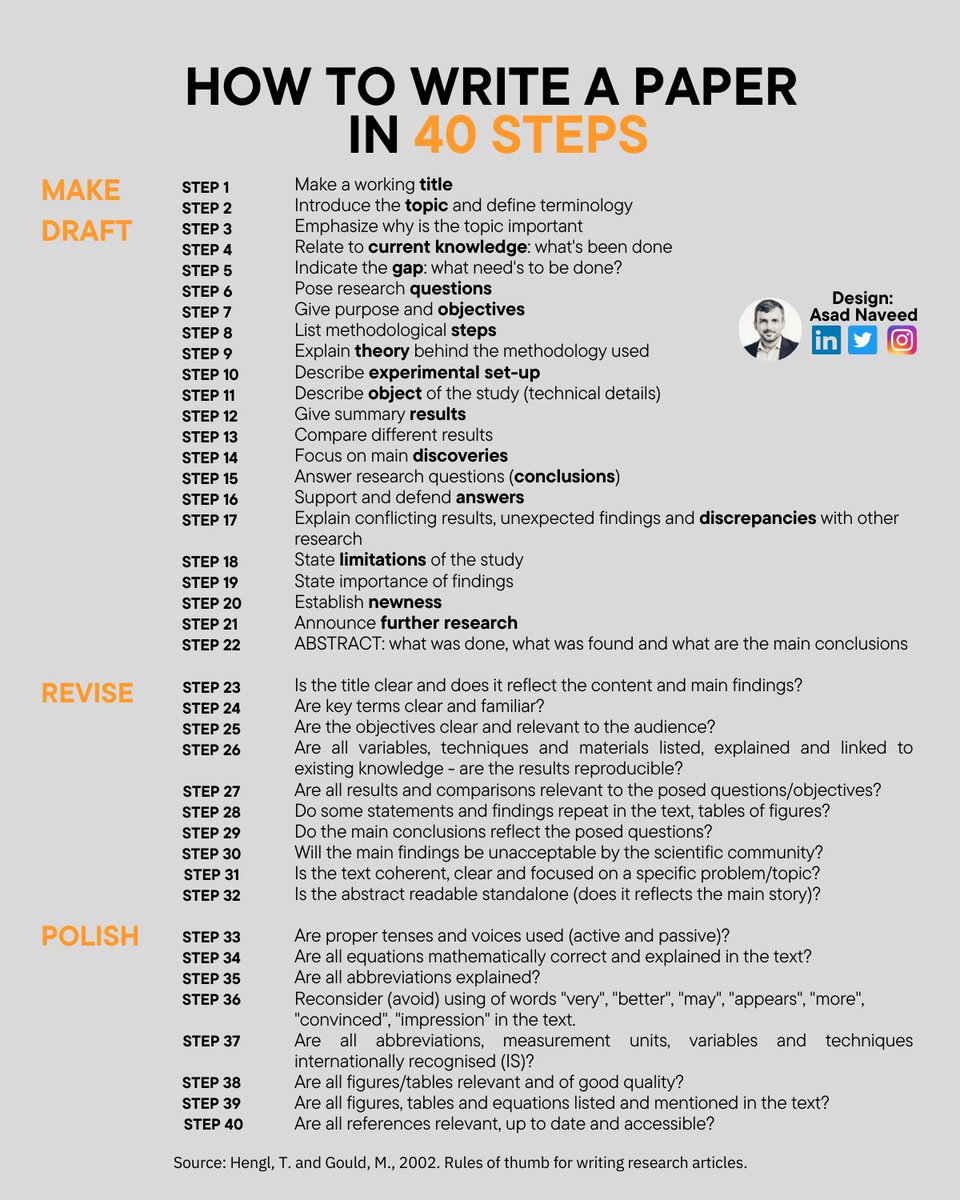
Writing a paper is no small feat!
Breaking it down into bite-sized steps makes it achievable.
Here's a guide how to write a journal article in 40 steps: ⬇️
How to write for publication (6 steps)
Getting published is easier than you think.
But it requires a strategy.
Here’s a six-step guide to help you navigate the process: