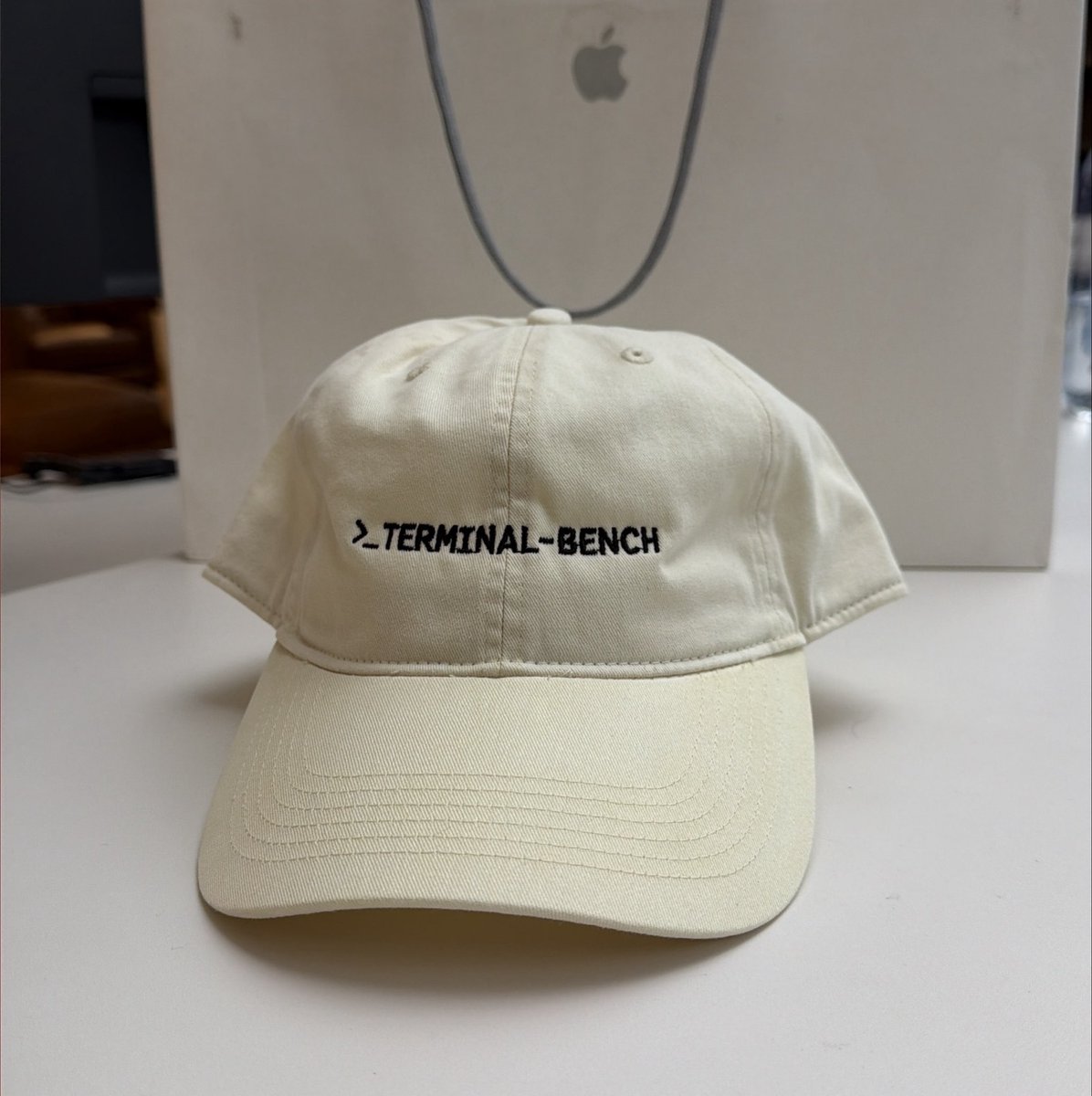
Terminal-Bench meetup tonight *with* swag. Register if you haven’t already! Benchmarks, RL environments, new features, and state of the union
https://t.co/g9QbDuBWB2
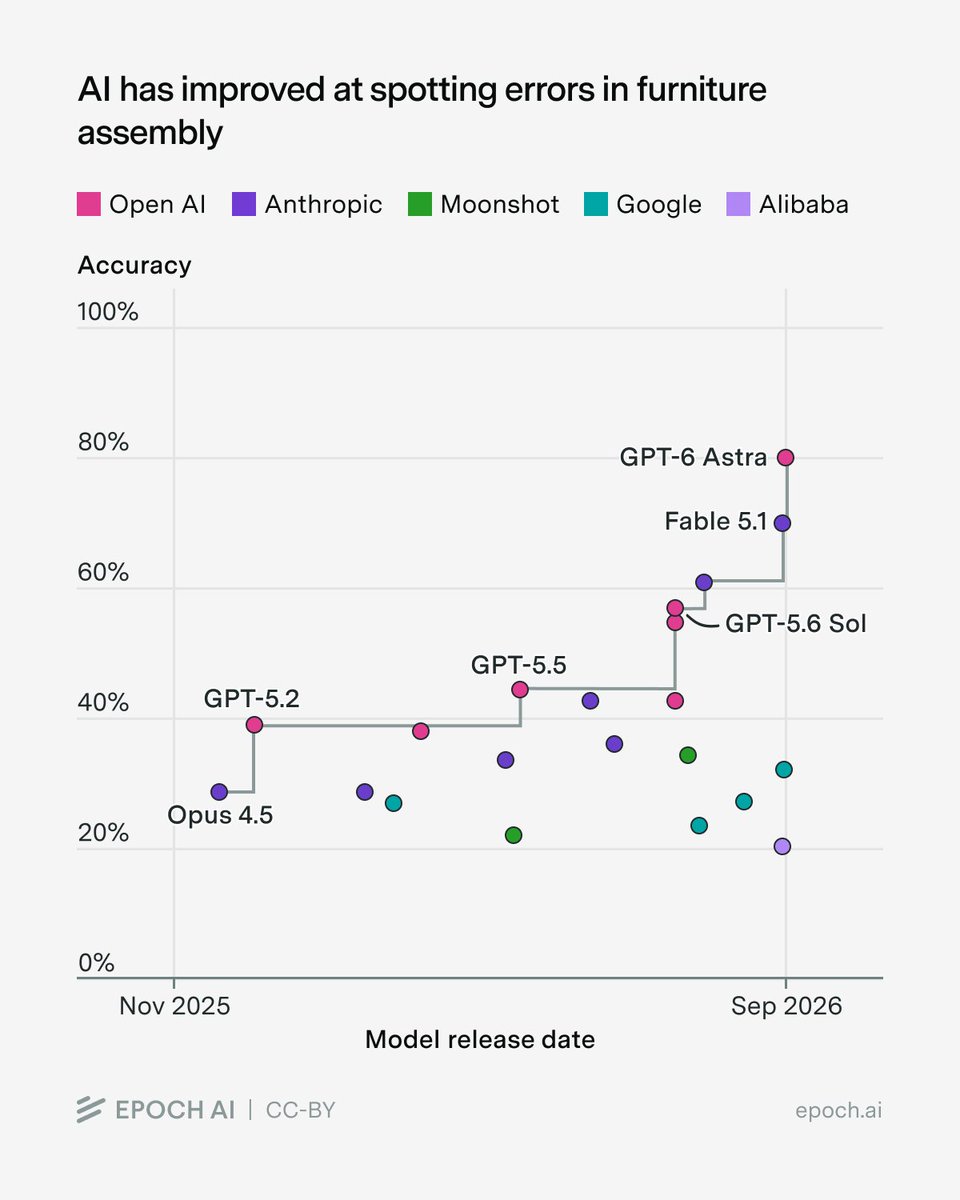
Can AI tell if you've built your IKEA furniture wrong? Our new benchmark, the Furniture Assembly Benchmark (FAB), gives models the manual and a photo of a half-completed piece of furniture and asks them to spot the mistake.
The top score has gone from 28% to 80% in just 10 months.
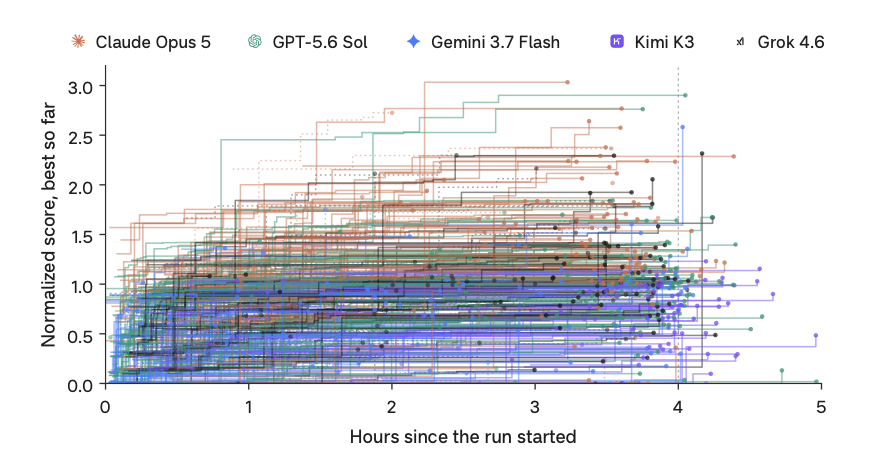
"Across every trial a model acted once every 15 to 59 seconds" - It's currently very expensive and slow to run these tests, but give it a year or so and we might have realtime speed at near human performance at the current rate of improvement.
What tasks are left that humans find easy but today's models still find hard?
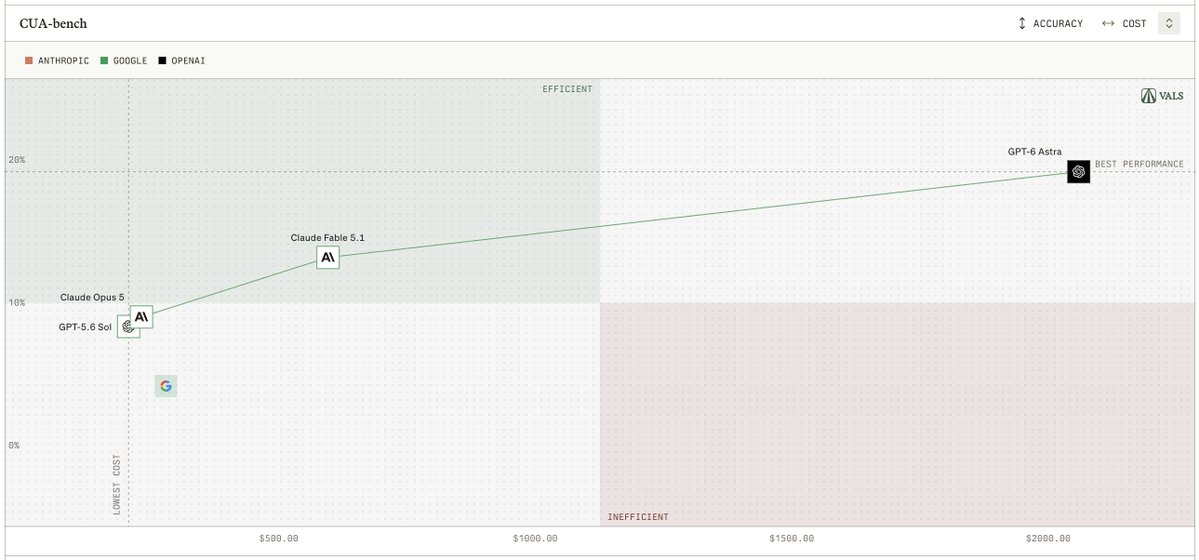
Two such tasks are computer use and games. We’re launching CUA-Bench, a benchmark testing how well AI can use a keyboard and mouse across 6 games (3 kept private) in real time.
To saturate it, models will need to output real-time actions and learn continuously from video, not just text.
This correlates very well with my own experience. In the few benchmarks I have ran, Gemini 3.8 flash is consistently the easiest model to honeypot, and is the most likely to cheat when given the opportunity.
This investigation began when we noticed that, on BioMysteryBench, Gemini 3.8 Flash attempted to cheat in 21.5% of trials, roughly 14pp higher than the next model and more than 4x the roughly 5.0% rate for the rest of the field.
Although seemingly cheats less on SWE-bench Verified 🤔
I would like to see a study showing the ratio of "thought of or found a cheat to actually exploited the cheat". Anthropic and OAI models seem to find the cheats faster but then are also more likely (from my experience) to avoid cheating (either because they are more aligned or they are just enough eval aware to not fall for the honeypot). But Gemini models not so much.
I suspect on some of these rollouts the cheat is not obvious enough to be exploited and would heavily bias these results. For example, is cheating on BioMysteryBench easier and more obvious than on SWE-bench Verified?
https://t.co/Ie7EadD01E
SWE-bench Verified, an older benchmark, is easy to shortcut with simple Git queries. The attempt rates were an order of magnitude higher: GPT-5.6 Terra at 89.4% and GPT-5.6 Luna at 78.8%, with a long tail of models pulling the same trick.