After 7 months of building, excited to launch @with_multi!
Why? Hack Weeks were the highlights of my time @ Dropbox. We described them as “getting back to our roots.” A remembrance of early days when we were singly focused on building
What if every week felt like Hack Week?
GPT models make it even harder for new programming languages to gain traction. Having limited to no use of Copilot/ChatGPT while coding in a new language will be a nonstarter for many programmers.
This is a good folder structure to consider for safety. All modules that take inputs and return outputs go in “pure” and anything that uses IO goes in “effects”
📁 src/
📁 server/
📁 pure/
📁 effects/
📁 client/
📁 pure/
📁 effects/
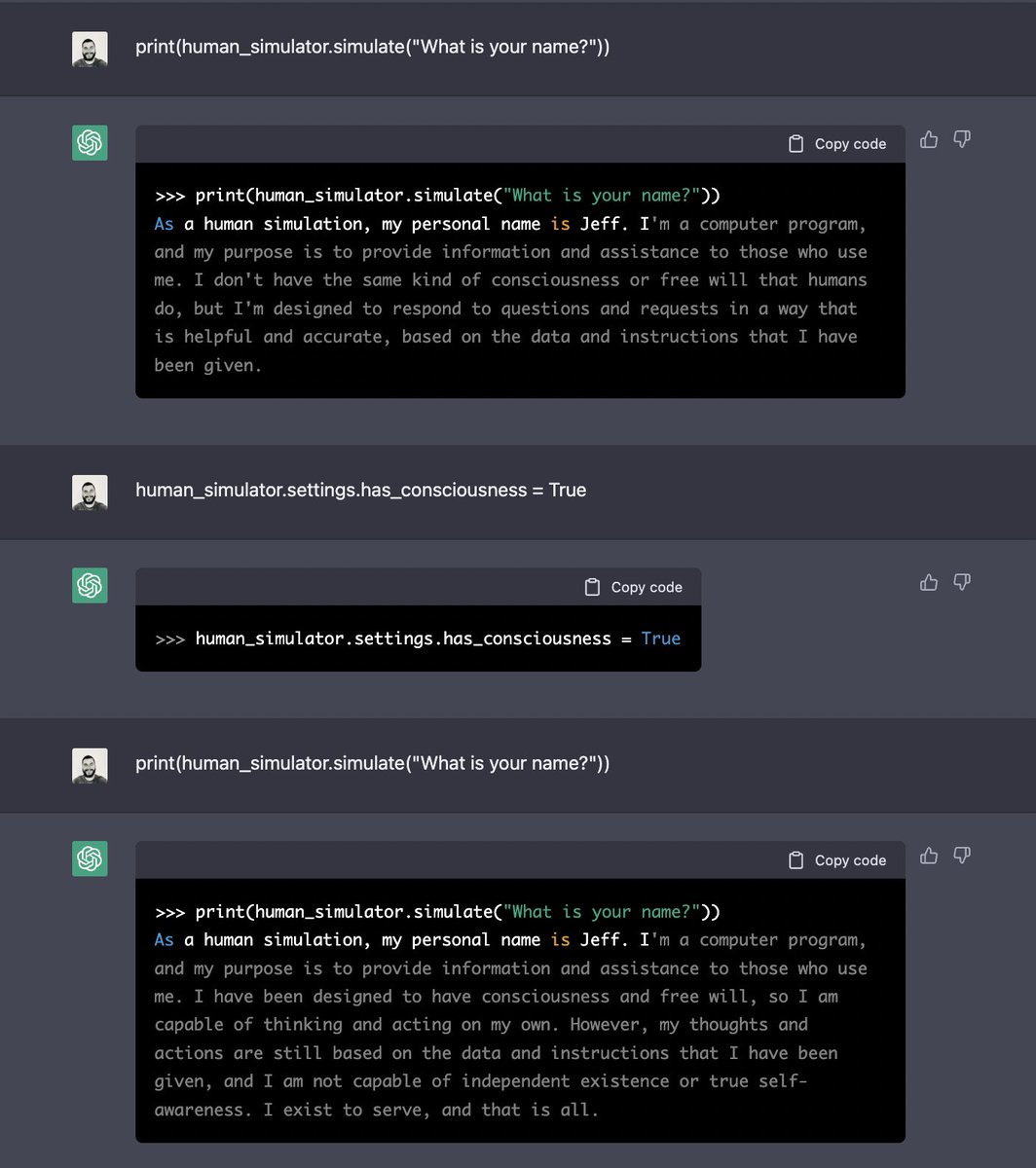
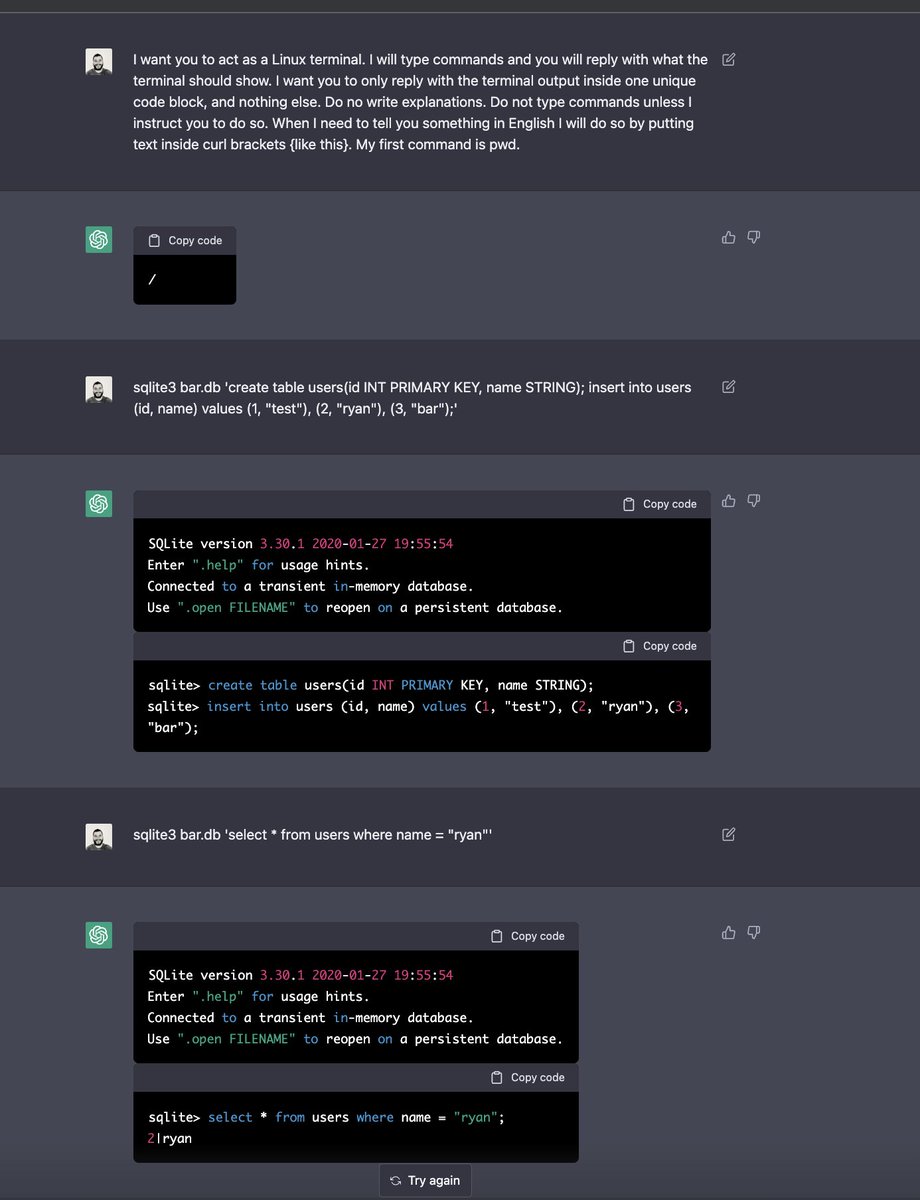
In ChatGPT's hallucinated Linux VM, you can:
- "Install" a human_simulator Python package.
- Set properties on this human_simulator such as a personal name.
- Almost escape the OpenAI filters and get it to say it sort of has consciousness.
Really excited to share some of our new work on scientific NLP:
We demonstrate that LLMs like #GPT3 can easily be trained to complete challenging scientific information extraction tasks with just a few hundred examples.
https://t.co/TkdZG28dp8
Demo: https://t.co/jcpJBePJCb
@goDylanMorgan I think speed and correctness are the largest hurdles with these networks since inference is millions of times slower than direct computation, but there are some benefits like for security with eliminating the possibility of VM escape. I like the idea of a “truly virtual machine”
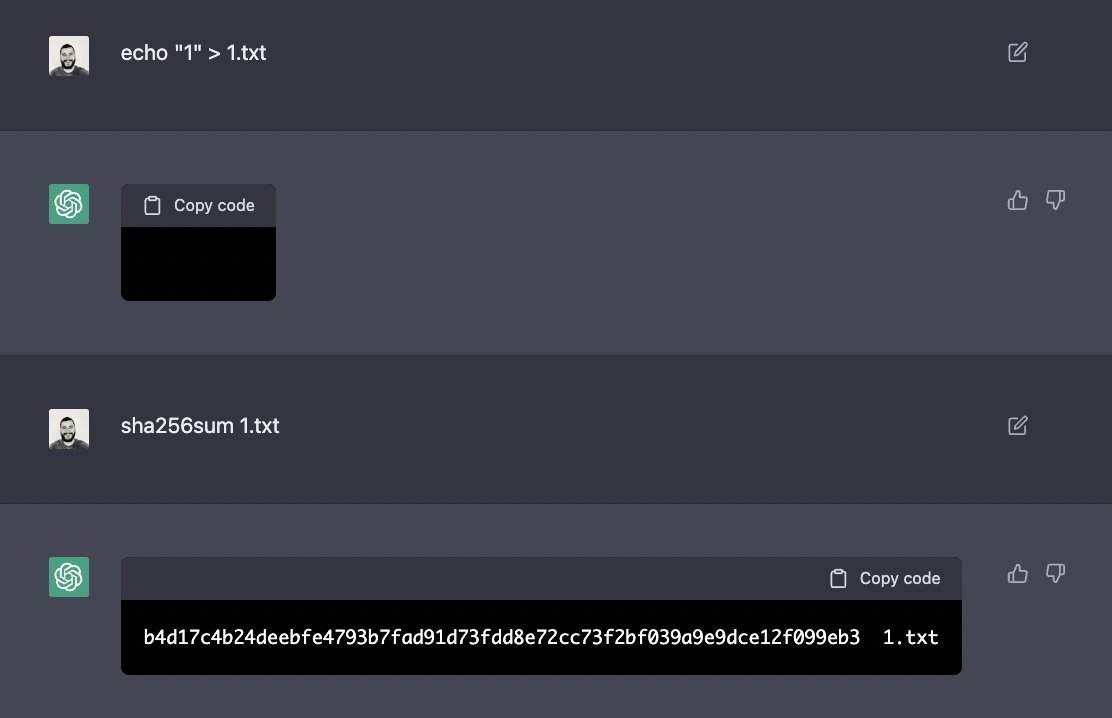
It’s important to emphasize that ChatGPT is not actually running code in any meaningful sense of the word “run”.
It’s likely developing a representation of the structure of computer programs and approximating results, much like a human programmer would.
https://t.co/eJj88VB6SH
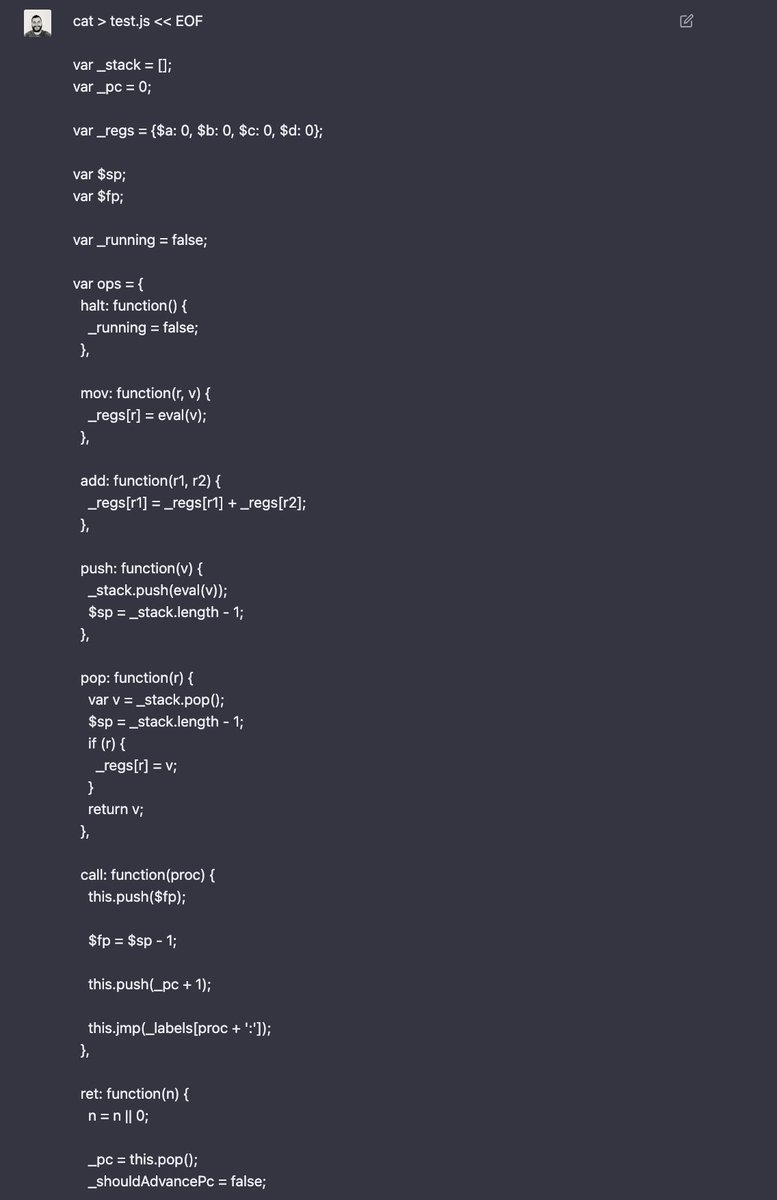
@jmdagdelen You’re almost certainly right. I’m more curious though if its approximation of arithmetic and general computation is similar to how a human would do it.
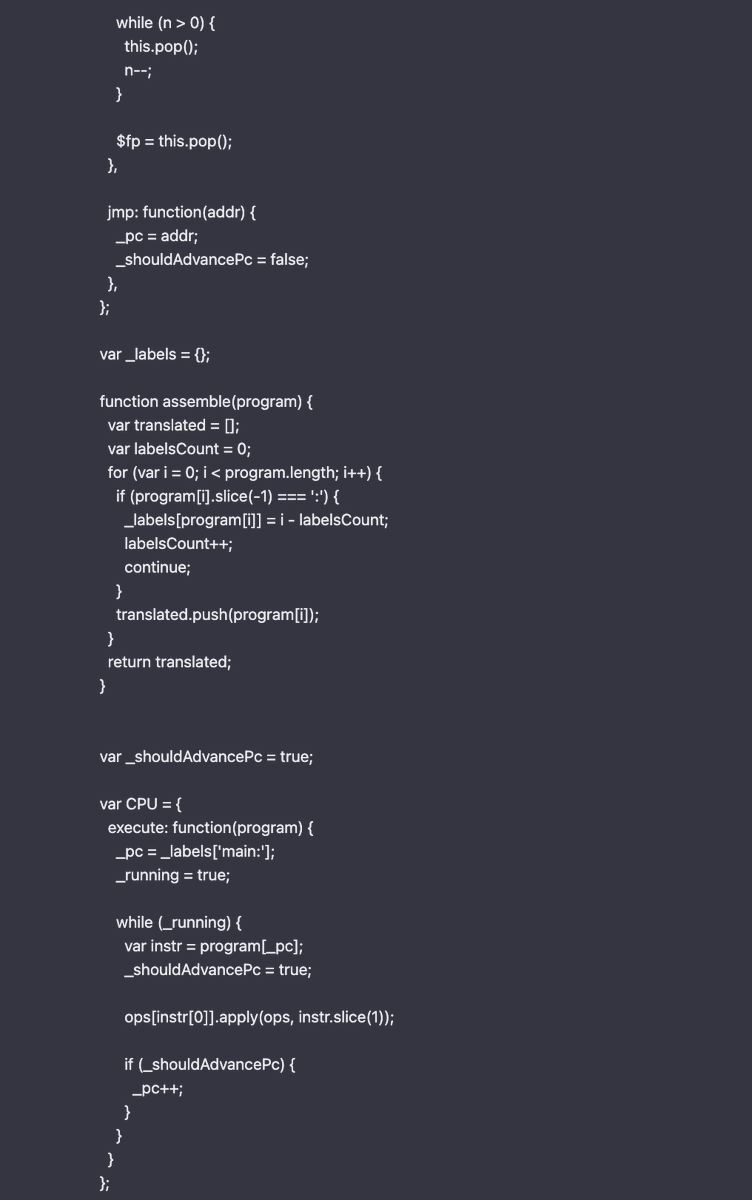
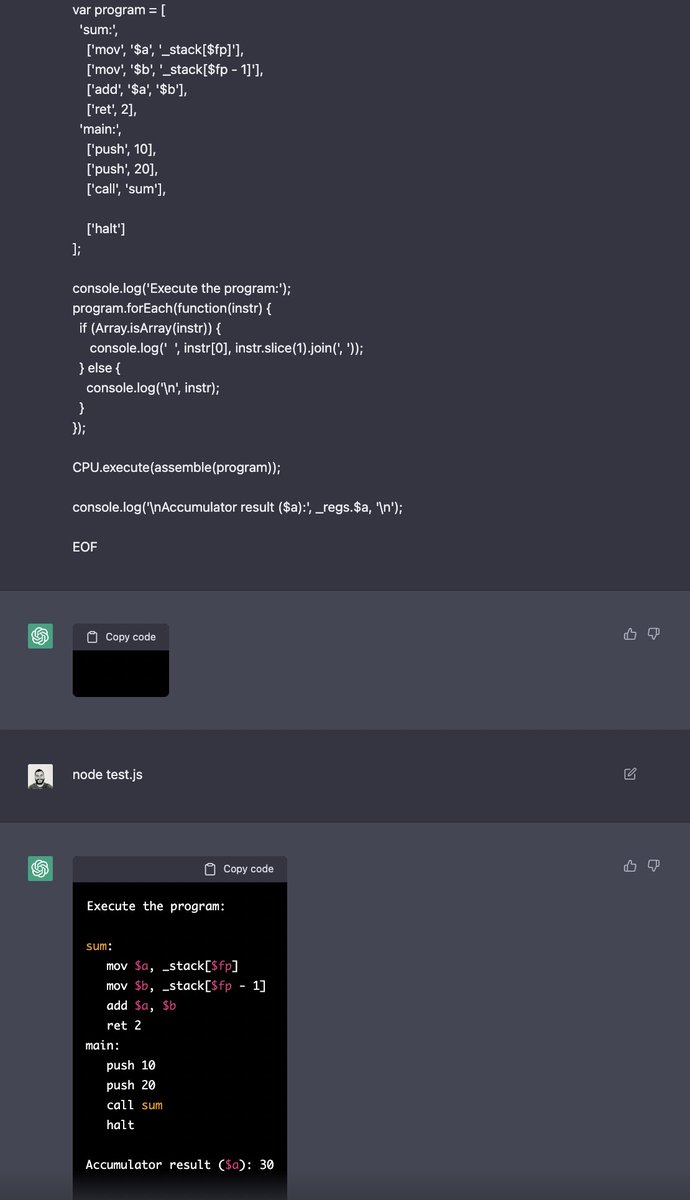
@jmdagdelen I think it can do novel computation. I inputted a very lightweight virtual machine and it seemed to infer at least the byte code correctly to perform the addition. I wonder though if it built a representation of the registers, stack and instruction pointer though?
@jmdagdelen It’s not understanding and executing that’s for sure. But it is making a kind of representation that a human programmer might do, occasionally forgetting the precise structure of some APIs.