@johnarnold@nytimes It looks even worse when you zoom out and compare our education system with other countries.
This is data from: "The State of U.S. Science and Engineering 2026" published on May 4th.
https://t.co/FO1BMbbwqz
Today we're announcing @_panthalassa’s $140M Series B, led by Peter Thiel, with participation from John Doerr and many other incredible investors. The mission: unlock the ocean as another planetary-scale energy resource for humanity. First stop: compute.
To make history, you have to honor it.
In 2004, long before I joined Kleiner Perkins, I sat at the iconic table at KP as a young business school student visiting Sand Hill Road for the first time. It was a dream to just be in that room, let alone become a partner at Kleiner Perkins one day.
I couldn't have known how much that moment — and this place — would shape my own journey.
This short film reflects on the people, partnerships, and defining moments that built this firm, and the principles that still guide how we back founders today.
"Focusing on 1990–2023, the average rate of growth of summer length across all surface types is roughly six days/decade, yielding a ∼20 d longer summer in 2023 than in 1990.”
😳
https://t.co/dezlogLITB
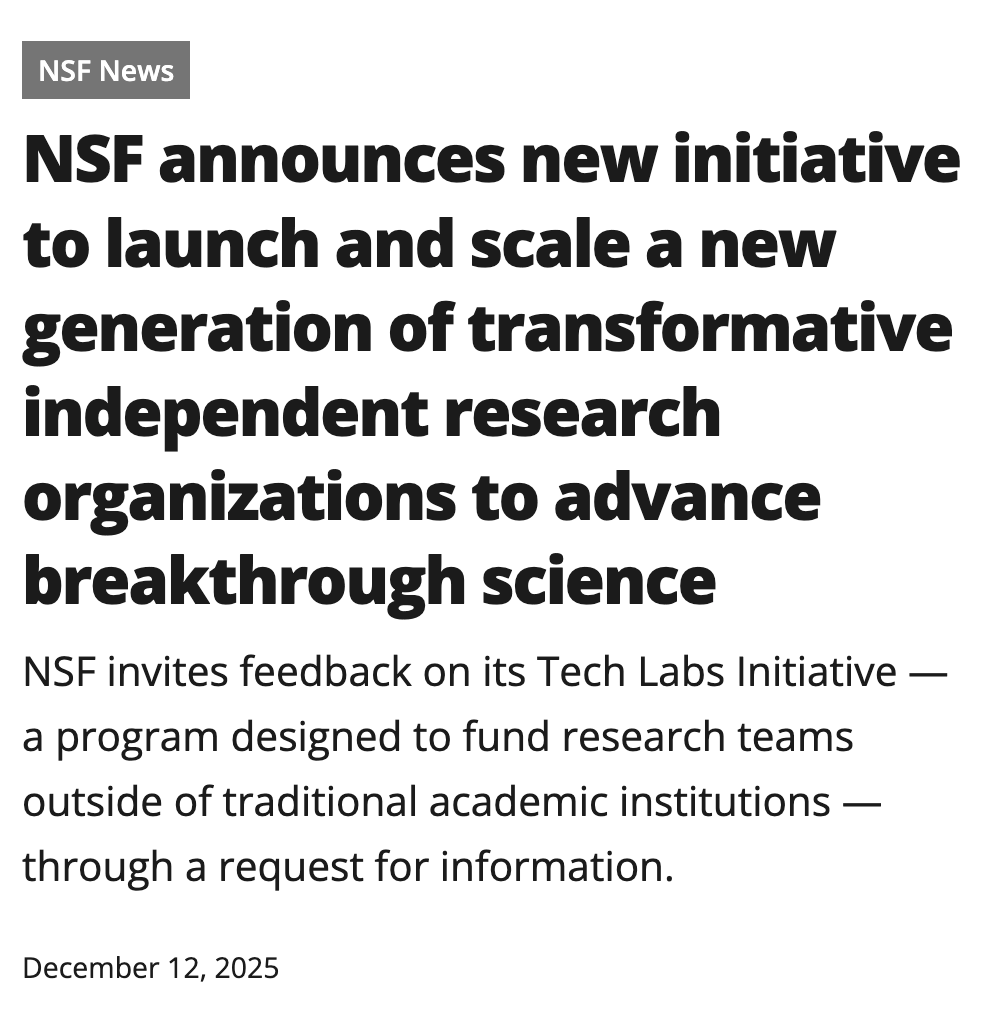
NSF is launching one of the most ambitious experiments in federal science funding in 75 years.
The program is called Tech Labs, and the goal is to invest ~$1 billion to seed new institutions of science and technology for the 21st century.
Instead of funding projects, the NSF will fund teams. I’m in the @WSJ today with a piece on why this matters (gift link): https://t.co/xteQ3NgWVC
Here’s the basic case:
1) Most federal science funding takes the form of small, incremental, project-based grants to individual scientists at universities.
2) The typical NSF grant is ~$250k/year to a professor with a couple of grad students and modest equipment over a few years. This is a perfectly reasonable way to fund some science, but it's not the only way.
3) A healthy portfolio needs more than one instrument. Project-based grants are like bonds: low-risk, steady, safe. But no one trying to maximize long-run returns would put 70% of their portfolio in bonds.
4) Yet that's basically what our civilian science funding portfolio looks like. Around 3/4ths of NSF and NIH grant funding is project-based.
5) Tech Labs is NSF's attempt to diversify that portfolio. The Tech Labs program is aiming for:
- $10-50 million/year awards per team
- 5+ year commitments
- Measuring impact through advancement up the Tech Readiness Level scale rather than papers published
- Up to ~$1 billion for the program
- Supporting research orgs outside traditional university structures
6) Scientific production looks very different than it did when the NSF launched 75 years ago. The lone genius at the chalkboard can only do so much. Frontier science + tech today is increasingly team-based, interdisciplinary, and infrastructure-intensive.
7) The team behind AlphaFold just won the Nobel Prize in Chemistry. It came from DeepMind, an AI lab with sustained institutional funding and full-time research teams. It would be near-impossible to fund this kind of work on a 3-year academic grant.
8) Same pattern at the @arcinstitute (8-year appointments, cross-cutting technical support teams) and @HHMIJanelia (massive infrastructure investments to map the complete fly brain). Ambitious science increasingly needs core institutional support, not a series of project grants stapled together.
9) Similarly, Focused Research Organizations (@Convergent_FROs) have showcased a new model supporting teams with concrete missions and predefined milestones to unlock new funding.
10) There’s a whole ecosystem of philanthropically-supported centers doing amazing research, like the Institute for Protein Design, the Allen Institute, the Flatiron Institute, the Whitehead Institute, the Wyss Institute, the Broad — the list goes on.
11) But philanthropy can’t reshape American science alone. The federal government spends close to $200 billion each year on research and development, an order of magnitude more than even the largest foundations.
12) If we want to change how science gets done at scale, federal funding has to evolve. And the NSF and NIH don’t have dedicated funding mechanisms to support or seed these sorts of organizations.
13) Earlier this year, I started working on a related framework called “X-Labs” that built on all this exciting institutional experimentation that’s been happening within the private and philanthropic sectors. It’s time for the federal government to step into the arena: https://t.co/0iVLobqQeA
14) Traditional university grants are still important for training the next generation of scientists and for certain kinds of curiosity-driven work. But after 75 years of putting nearly everything into one model, we should try something different.
15) And key program details are still being developed! You can reply to the Request for Information with suggestions or feedback on how to design this program here: https://t.co/R6MNo0ZfN1
16) Science is supposed to be about experimentation. Science funding should be too.
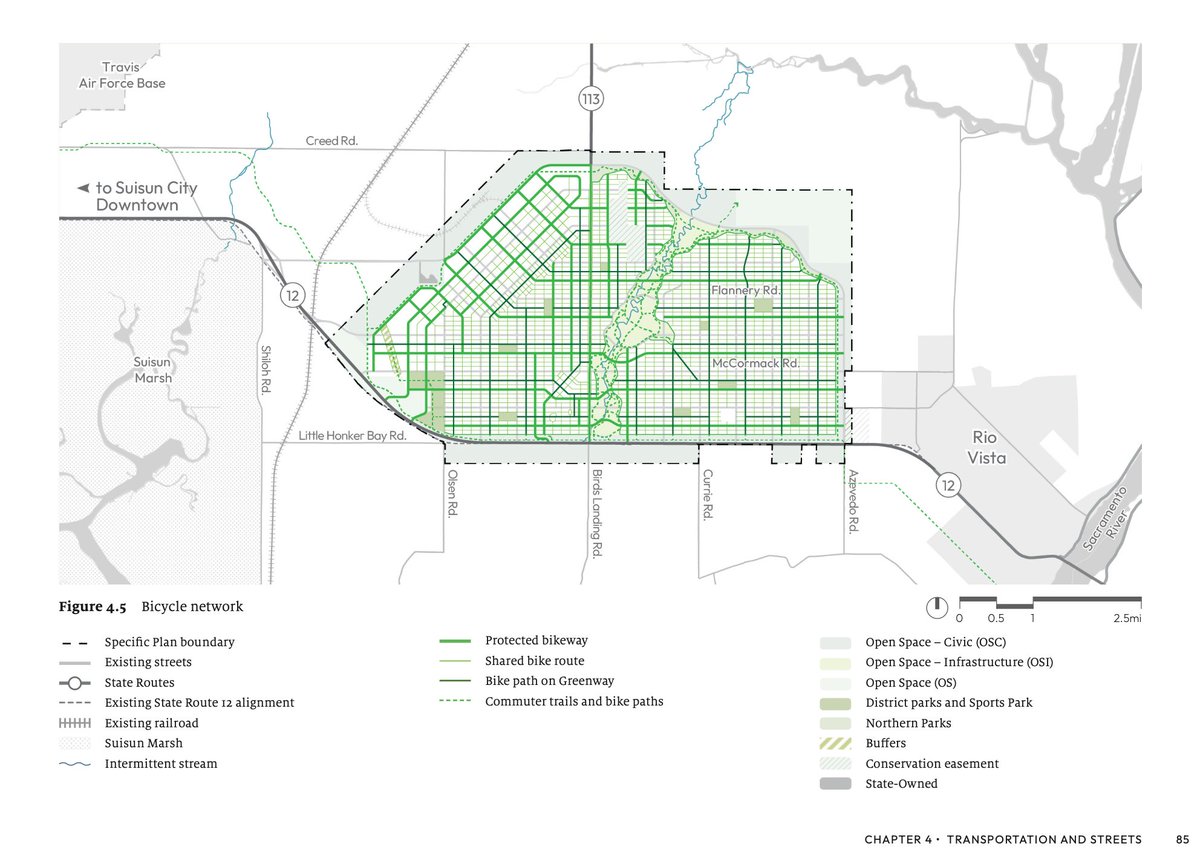
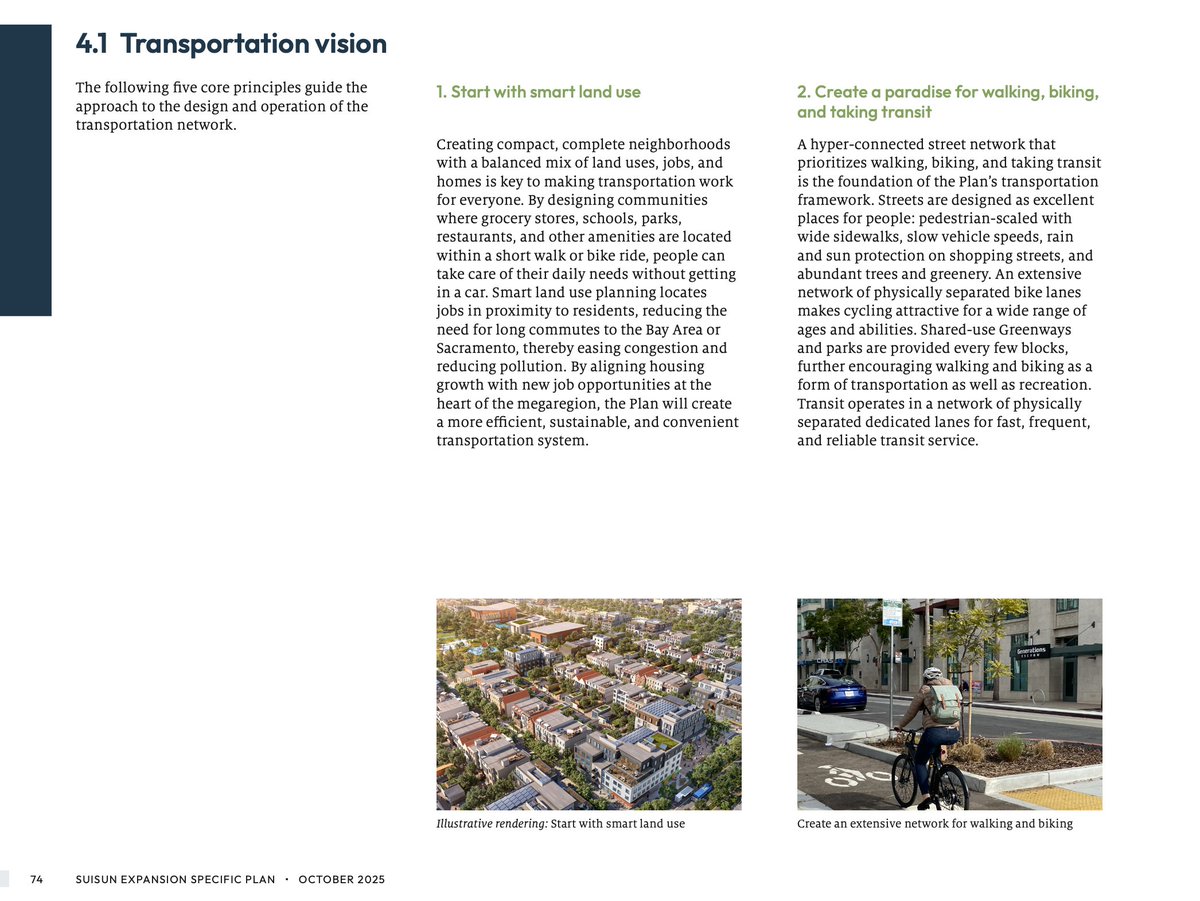
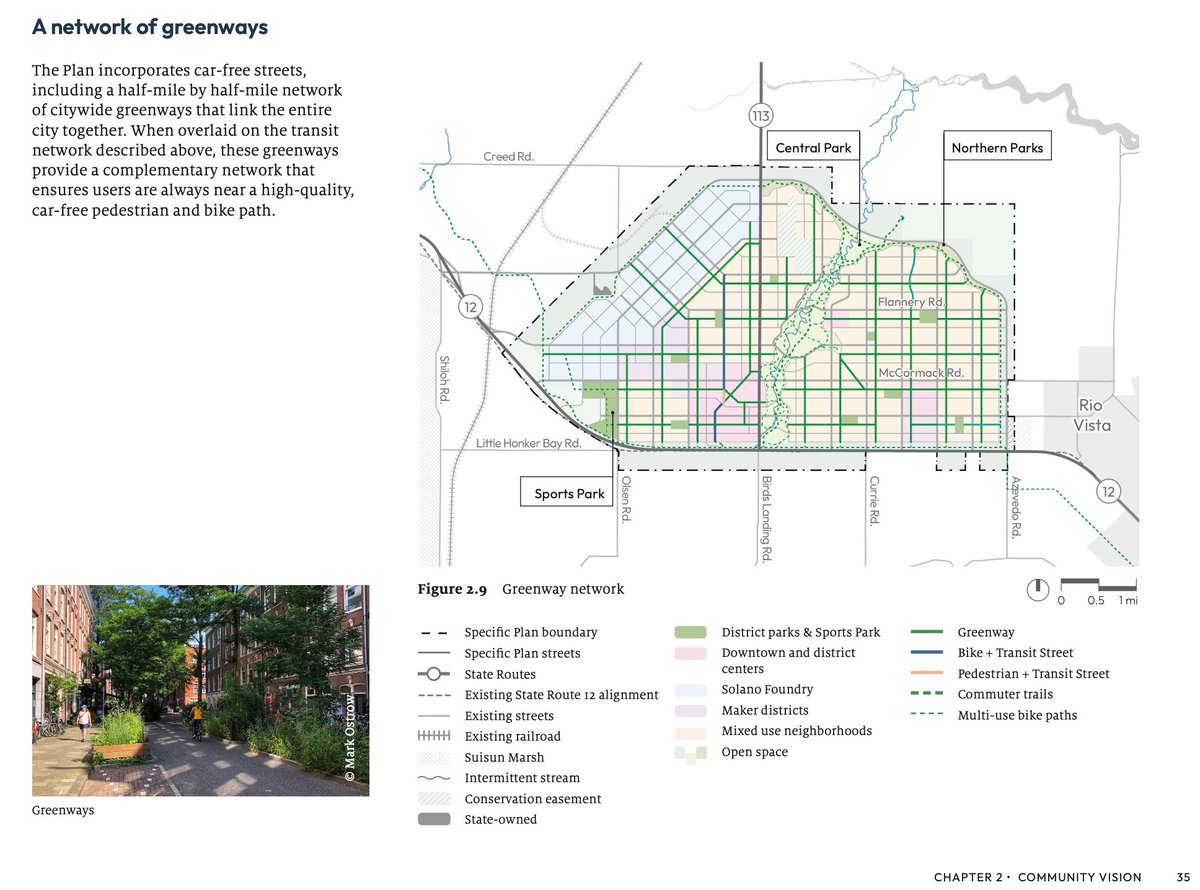
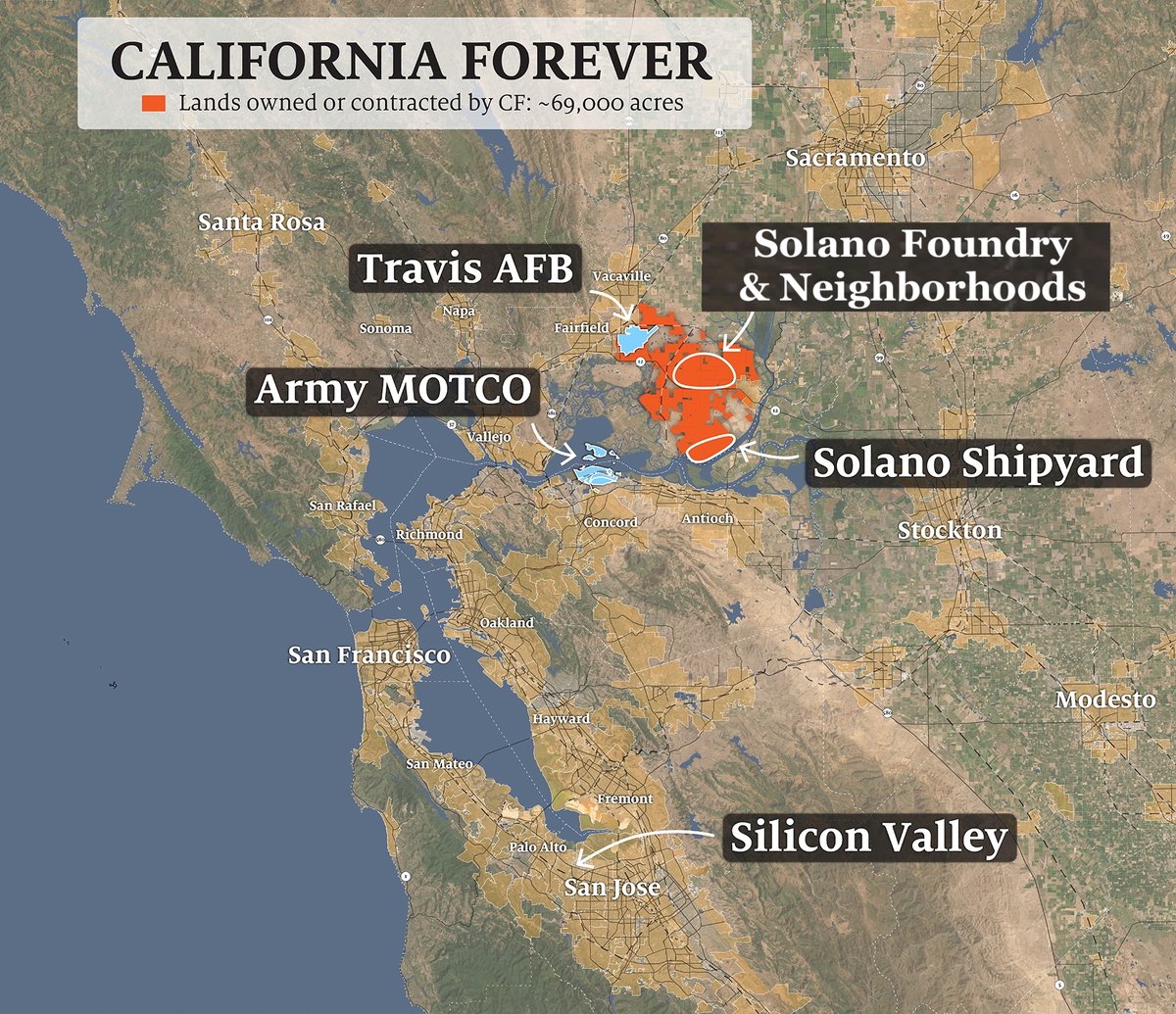
1/ 🇺🇸 Today, @CAForever submitted detailed plans for the next great American city, an hour north of Silicon Valley, including: Solano Foundry, America’s largest manufacturing park, Solano Shipyard, our largest shipyard, and walkable neighborhoods for 400,000 Californians.
This wonderful article by @katie_brigham captures the energy behind this crazy, collaborative, open-source effort to catalog the trillion-dollar frontier of climate innovation.
https://t.co/sLKaUBRmAI
NEW: the Climate Tech Atlas, a comprehensive effort to map out the opportunities and innovation imperatives most critical to the energy transition, launched today! core collaborators include @Breakthrough, @McKinsey,
@stanforddoerr and others https://t.co/Rgn1i7iZFS
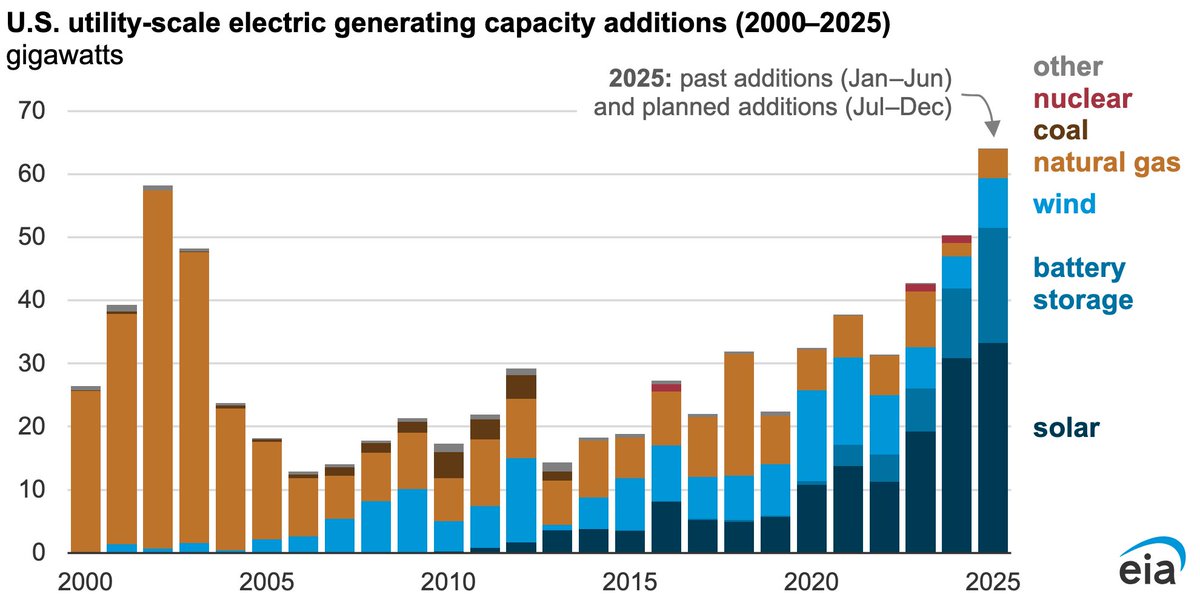
Two monster charts from @EIAgov on U.S. electric generating capacity.
If all 64 GW come online this year, it'll break the record set over 20 years ago.
Almost 90% of the additions will be from solar, storage, and wind.
Which states are adding the most? Texas is #1. California is #2.
Developers, our skills can help cut emissions from the grid!
Proud to team up with @github on the Climate Action Plan for Developers — a roadmap to take real climate action through open source.
Watch to learn how you can get involved ↓
The KP Fellows 2025 application is now open through January 31st! We are searching for the next generation of up and coming leaders to join this KP Fellows cohort. If you are an engineering student eager to work on meaningful problems, apply to the KP Fellows Program:
⭐️ Hands-on (paid) experience at a partner company
⭐️ Mentorship from founders / industry leaders
⭐️ Be part of a high performing tight knit group of peers
⭐️ Lifelong support for career and entrepreneurial endeavors
⭐️ 1,000+ alumni community
Apply today! 🚀 (link in the comments)
"The bottom line? In all 50 states, it’s cheaper for the everyday American to fill up with electrons — and much cheaper in some regions such as the Pacific Northwest, with low electricity rates and high gas prices."
https://t.co/idJJfsz6yi
"That's it??" -@rypan
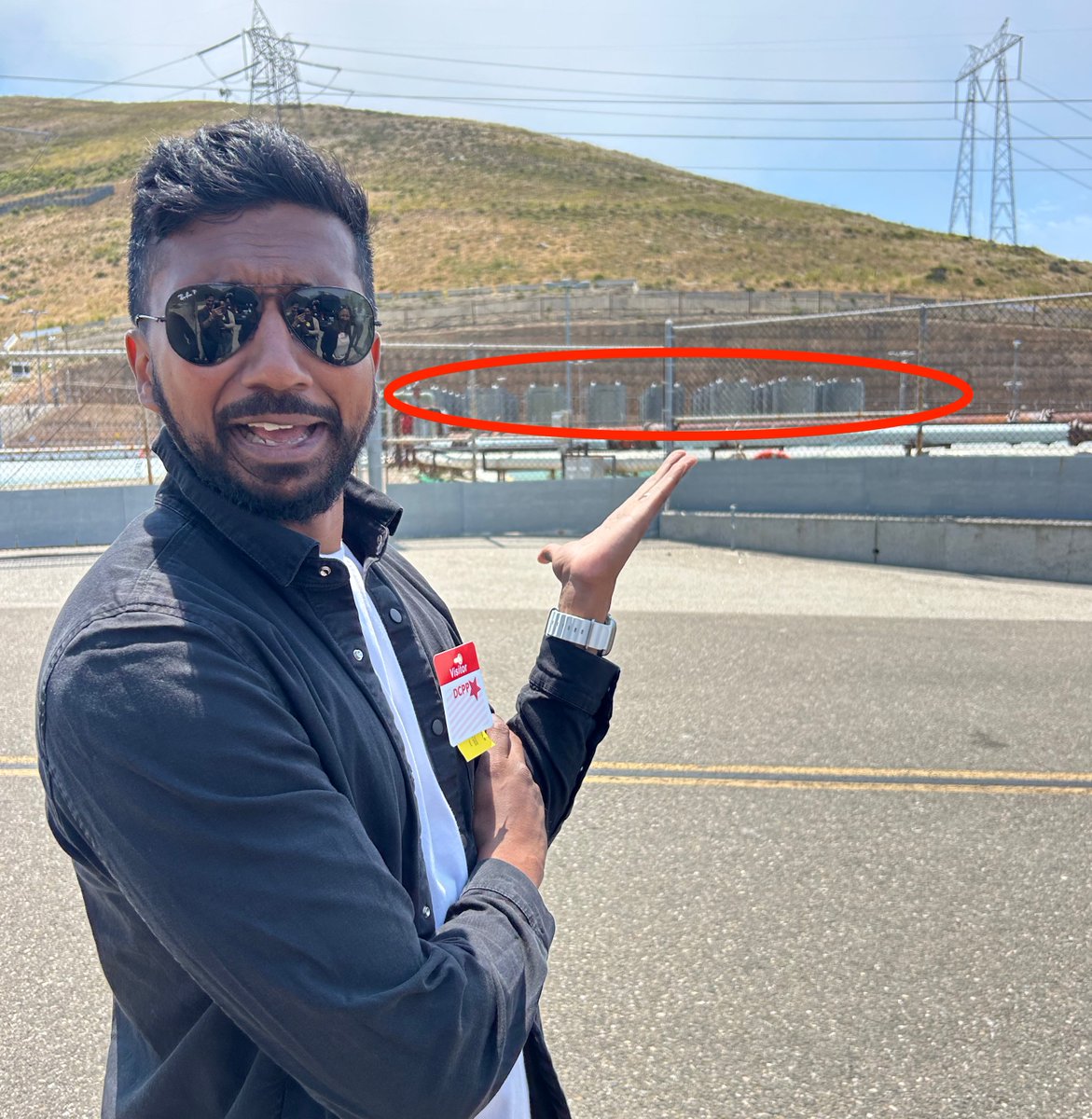
This is about 40 years of spent fuel that powered~ 9% of California's electricity, and > 50% of its carbon-free energy (and could even be recycled to retrieve the >90% of energy left in it).
After being told over and over in media headlines with absolutely no scientific depth that spent nuclear fuel is a deadly problem, it's kind of shocking to see the reality.
The New Yorker did a long-form piece sharing some of the gritty fun we've had getting Charm up and running! It gives a behind-the-scenes view of what it takes to put carbon underground.