As we build the next generation of biomolecular OpenFold models, we are looking to increase our staffing on both the scientific and engineering fronts. I thought it'd be worthwhile to write down our philosophy and what we're offering, as well as what we're looking for. If this resonates with you, please apply at the link below.
What we're offering:
True open source: we are contractually obligated by our funding streams to open source everything we do, including our training code infrastructure and training data, which no other group in the space has done. All the results we publish are fully reproducible with no missing "training enhancements" that keep the recipes hidden. We will not become a startup and we will not pivot to an API model. We are doing this exclusively as a public good for the public commons. Of course, commercial companies can and are encouraged to build on top of our models, but you will be contributing to an ecosystem guaranteed to remain open source.
Long horizon research: because we are not trying to turn a profit or satisfy investment trends, we can focus on hard problems that commercial labs are disincentivized to tackle. Our research vision spans years, not months, even while we release updates on a quarterly basis. This translates to problems spanning conformational ensembles, novel regions of chemical space, antibodies, nucleic acids, IDRs, macromolecular machines, and more.
Reach for the frontier: the open source ecosystem currently lags the industrial frontier by a few years. We aim to eliminate this gap. The two big deltas are engineering expertise and compute resources. We're doing alright on the latter, but it is the former where we need to grow. To make this possible we offer salaries and compute resources competitive with industry.
We are looking primarily for types of people, or the intersection of the two!
Machine learning scientists and engineers: people who have built and trained models at scale, whose command of the literature extends to the latent developments in efficient diffusion, optimization, recurrence, and reasoning.
Bioinformaticians and computational biologists: people who can assemble large and complex heterogeneous datasets, who write efficient data pipelines, and who deeply understand the structural biology domain.
If this is of interest to your network, please reshare. And if this interests you directly, please apply using the link below. This link is a catch-all site and so the job description and salary range are generic. It's there to help us streamline collection and review of resumes.
https://t.co/bqFYXKECQA
OpenBind intends to collect 10,000s of protein-ligand structures & affinities. To prioritize what we collect next, we need cofolding models trained on the latest data. Today we're releasing OpenBind-0 and 717 new ligand-bound structures.
Registration for the 2026 NY Area Population Genetics meeting is now open, at https://t.co/7ypDrGoFpq. Registration is free but required; if you are submitting an abstract, note that the deadline is January 30th.
In the Human Phenotype Project, home sleep apnea testing data was collected for a total of 16,812 nights in 6,410 individuals, allowing for a comprehensive study of the association of sleep traits with physiological features across 16 body systems. https://t.co/Ay8CJtcFDF
Excited to share a milestone published in @NatureMedicine from our decade-long effort to build The Human Phenotype Project, a unique longitudinal cohort with unmatched depth of clinical and multi-omic profiling, enabling truly predictive, personalized medicine.
Led together with @ericxing, it is a global collaboration between @WeizmannScience, @MBZUAI, and Japanese partners, spanning 30,000+ participants and continuing to grow internationally
By devising AI models trained on individuals deeply profiled with genetics, microbiome, glucose, sleep, bone density, and more, we can now forecast diseases before symptoms appear and simulate treatment or lifestyle outcomes.
Key findings:
• Re-defined metabolic risk thresholds
• Predicted menopause impact via biological aging
• Mapped organ-specific aging trajectories
• Developed models for early detection of diabetes & heart disease
This dataset is a blueprint for digital health twins, AI-driven tools grounded in real-world, longitudinal data
Data access: https://t.co/qRrFPaY4as
Full paper: https://t.co/dayU9YYIlC
Thanks to all the people who led this work: Lee Reicher, Smadar Shilo, Anastasia Godneva, Guy Lutsker, Liron Zahavi, Saar Shoer, David Krongauz, Michal Rein, Sarah Kohn, Tomer Segev, Yishay Schlesinger, Daniel Barak, Zachary Levine, Ayya Keshet, Rotem Shaulitch, Maya Lotan-Pompan, Matan Elkan, Yeela Talmor-Barkan, Yaron Aviv, Maya Dadiani, Yonatan Tsodyks, Einav Nili Gal-Yam, Haim Leibovitzh, Lael Werner, Roie Tzadok, Nitsan Maharshak, Shin Koga, Yulia Glick-Gorman, Chani Stossel, Maria Raitses-Gurevich, Talia Golan, Raja Dhir, Yotam Reisner, Adina Weinberger, Hagai Rossman, and Le Song
And special thanks to all participants of the Human Phenotype Project
אנחנו נמצאים בנקודת זמן קריטית לשיקום מכו�� ויצמן למדע, וזקוקים לתמיכה שלך.
בעזרתך נוכל לבנות מחדש מעבדות, לבסס מחדש מחקרים פורצי דרך ולהוביל את המדע לגבהים חדשים. התרומה שלך היום תניע את התגליות של מחר. עכשיו זה הזמן. לתמיכה >>אנחנו נמצאים בנקודת זמן קריטית לשיקום מכו�� ויצמן למדע, וזקוקים לתמיכה שלך.
בעזרתך נוכל לבנות מחדש מעבדות, לבסס מחדש מחקרים פורצי דרך ולהוביל את המדע לגבהים חדשים. התרומה שלך היום תניע את התגליות של מחר. עכשיו זה הזמן. לתמיכה >>אנחנו נמצאים בנקודת זמן קריטית לשיקום מכו�� ויצמן למדע, וזקוקים לתמיכה שלך.
בעזרתך נוכל לבנות מחדש מעבדות, לבסס מחדש מחקרים פורצי דרך ולהוביל את המדע לגבהים חדשים. התרומה שלך היום תניע את התגליות של מחר. עכשיו זה הזמן. לתמיכה >>אנחנו נמצאים בנקודת זמן קריטית לשיקום מכו�� ויצמן למדע, וזקוקים לתמיכה שלך.
בעזרתך נוכל לבנות מחדש מעבדות, לבסס מחדש מחקרים פורצי דרך ולהוביל את המדע לגבהים חדשים. התרומה שלך היום תניע את התגליות של מחר. עכשיו זה הזמן. לתמיכה >>
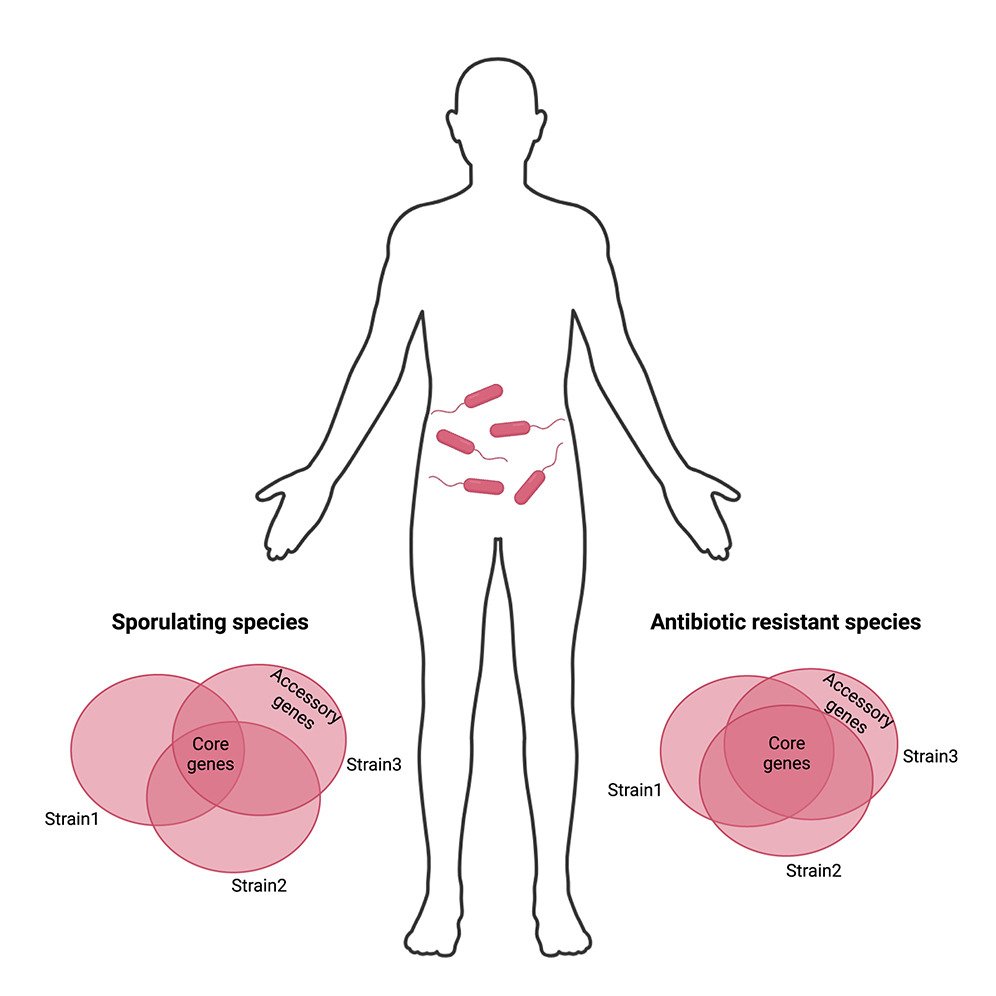
Insights from pangenomes of human gut microbiota
@SaarShoer@segal_eran showcase genetic diversity of human gut microbiota. High strain-level variability associates w/species’ capacity to sporulate; low variability associates w/antibiotic resistance genes
https://t.co/ey4NhcxwAG
Insights from pangenomes of human gut microbiota
@SaarShoer@segal_eran showcase genetic diversity of human gut microbiota. High strain-level variability associates w/species’ capacity to sporulate; low variability associates w/antibiotic resistance genes
https://t.co/ey4NhcxwAG
Our preprint, in which we integrate cross-temporal contrastive learning and functional genomics is live now.
Many thanks to my supervisor @segal_eran, and everyone else involved in the project.
Link: https://t.co/0JoslzjWIp
🧵 1/n
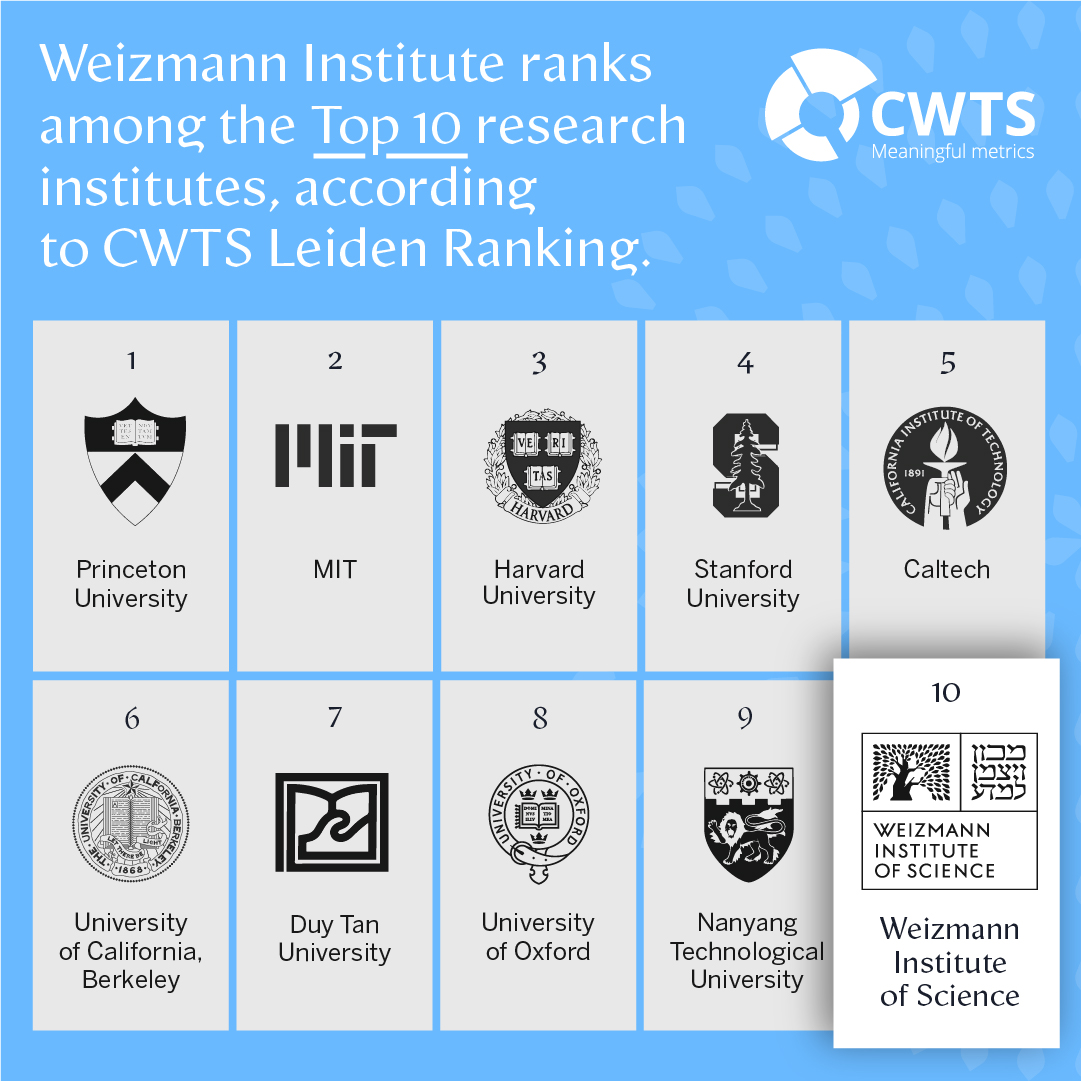
Once again, The Weizmann Institute of Science ranked among the world’s top ten academic institutions alongside institutions such as Princeton, Harvard, Stanford and MIT by the 2024 Leiden Ranking of research quality >> https://t.co/CQddjRfYIp @UniLeidenNews
Our new paper is out!!
With Sigal Leviatan, Saar Shoer, Maria Gorodetski and @segal_eran
https://t.co/f86tUtDr5Y
Here we combined new microbial metagenomic assembled genomes from 51,052 samples, with previously published genomes to produce a curated set of 241,118 genomes.
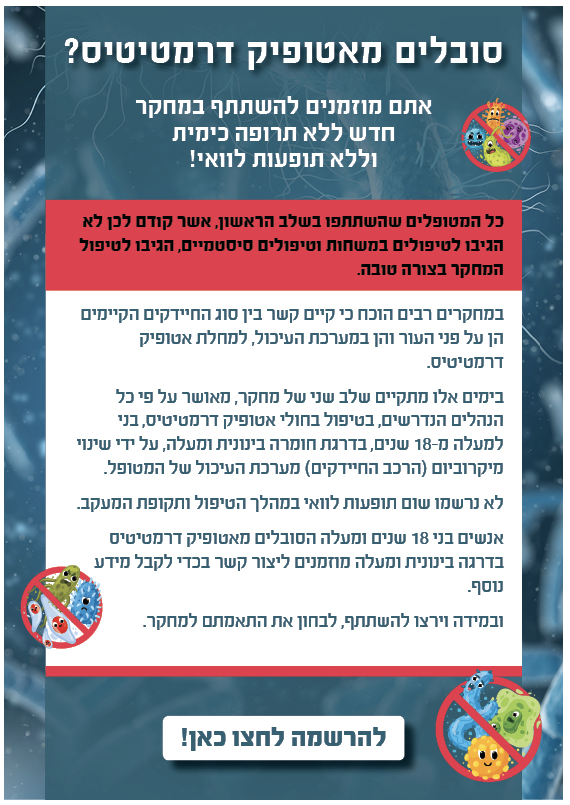
לסובלים מאטופיק דרמטיטיס, מוזמנים להשתתף בשלב שני של מחקר חדשני שאנחנו מבצעים בימים אלה שמטפל בחולים על-ידי שינוי אוכלוסיית החיידקים (מיקרוביום)
בשלב הראשון של המחקר כל המטופלים הגיבו ותסמיני המחלה השתפרו בכ-70% בממוצע
לפרטים: רוני [email protected]
בשיתוף עם בי״ח איכילוב >>>
השלב הראשון במחקר שלנו באטופיק דרמטיטיס התפרסם, והראה שיפור של 70% בתסמיני המחלה על-ידי שינוי חיידקי המעי של החולים: https://t.co/us4D1FFqVe
לסובלים מהמחלה, מוזמנים להשתתף במחקר ההמשך
לפרטים פנו במייל לתמר: [email protected]
בשיתוף עם בי״ח איכילוב
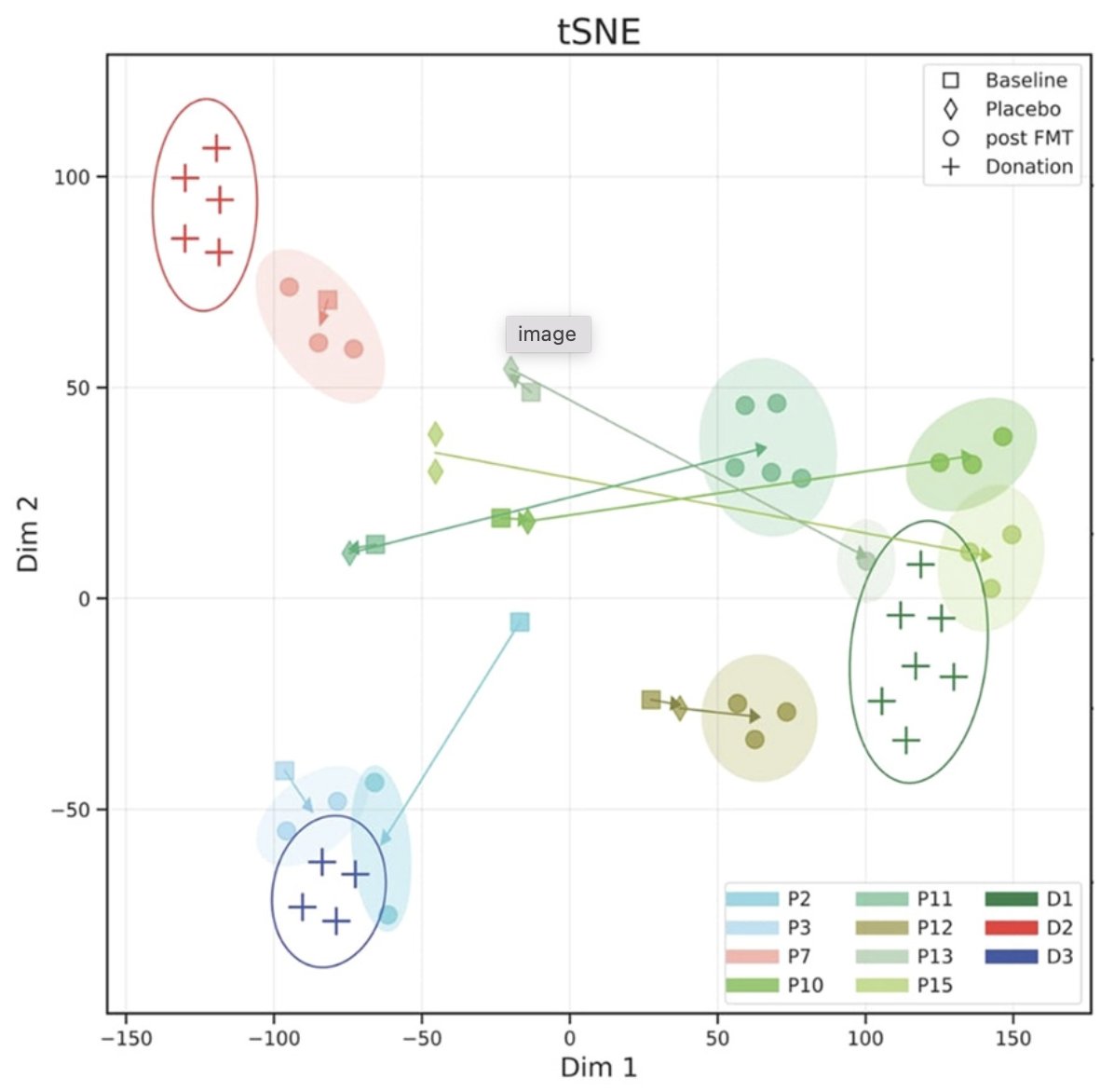
Just out: Our first-in-human study showing that fecal microbiome transplants improve clinical symptoms of Atopic Dermatitis
We detect transfer of multiple bacteria from donors to patients and major shifts in patients' gut bacteria composition
Full paper: https://t.co/us4D1FFqVe