SALTGIANT is a project funded by the European Union’s Horizon 2020 research and innovation programme under the Marie Skłodowska-Curie grant agreement n° 765256
Very proud of @sydneyunigeo PhD student, Chris Alfonso, who just published his 1st paper in GSA Bulletin! 👏 This project used spatio-temporal data mining (powered by #pyGPlates + #gplately) and machine learning to help find new porphyry copper deposits.
https://t.co/ZbIMIGgSPa
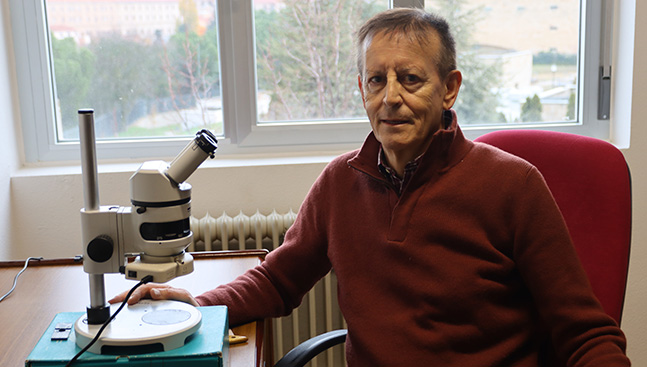
🌊 Científicos del Grupo de Geociencias Oceánicas de la USAL estudian cómo un depósito gigantesco de sal reconfiguró radicalmente la biodiversidad marina del Mediterráneo hace 5 millones de años. 👇
➡️ https://t.co/adwKPu9qDm
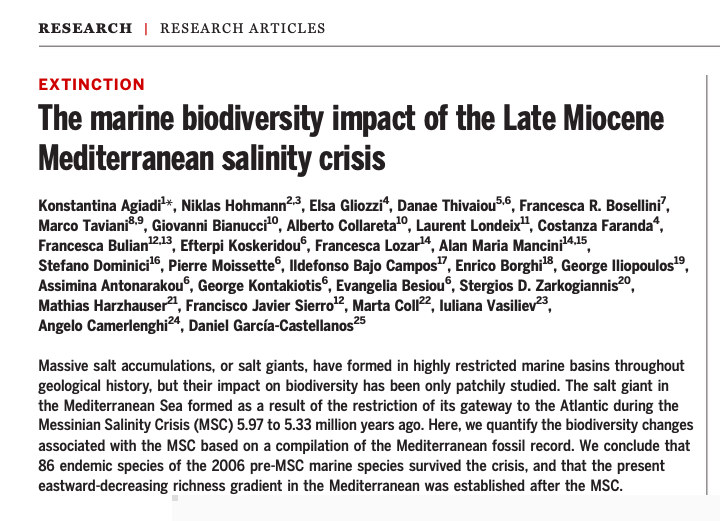
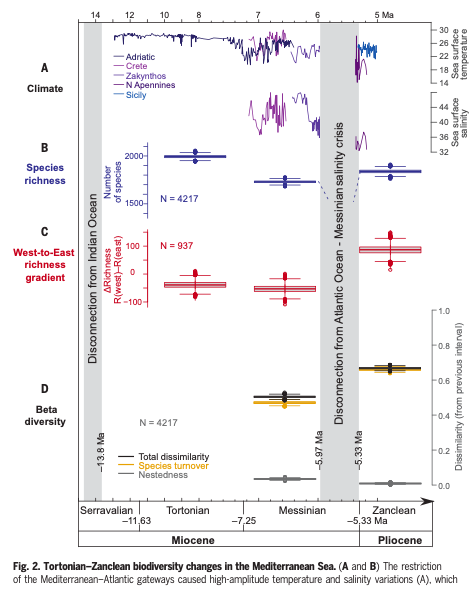
How long do ecosystems need to recover from a mass extinction? I am glad to share today's paper in Science: "Biodiversity impact of the Messinian salinity crisis", in collab with @kagiadi and many others.
1/5
https://t.co/OCoEi1FO9G
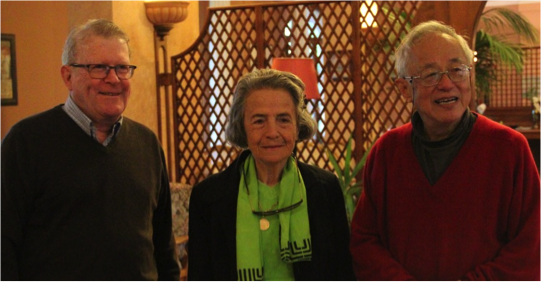
Sad to know that Maria Bianca Cita just passed away. I just know a small part of her research in micropaleontology, and it's already huge. Here in Brisighella, 2013, with Ken Hsu and Bill Ryan, her colleagues onboard the Glomar Challenger in the 70s.
The Cost Action ‘SaltAges’ has been approved and is already open for any geoscientist, historian, social scientist or industry partner interested in the origins and the roles of Salt to sign up in the working groups:
https://t.co/U1oHmh0Ya0 @kagiadi @MedSalt@GEO3BCN_CSIC
🧵
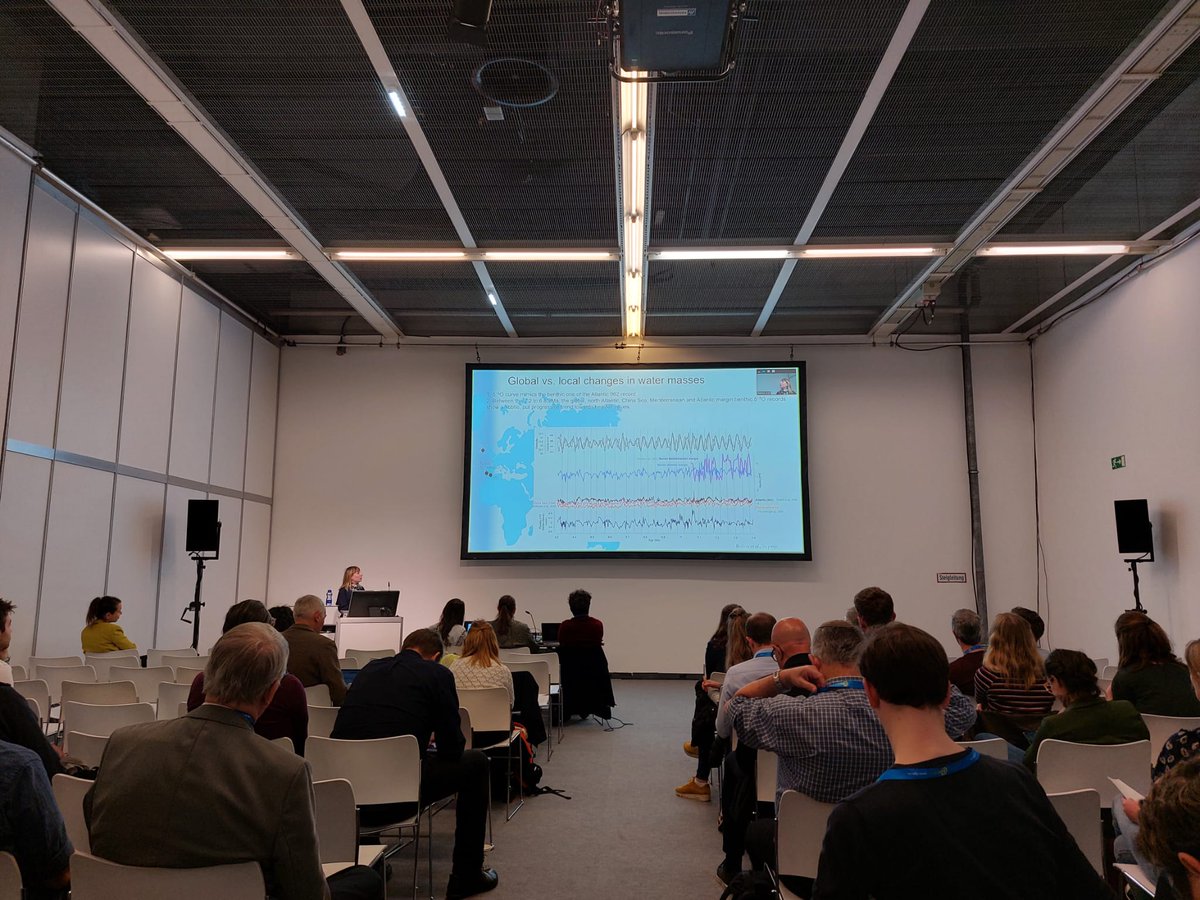
Drop by our #EGU24 poster session SSP1.4 Salt Ages. The poster session will have a diversity of posters with a variety of subjects and proxies about gateways and Salt Giants. Posters are listed in the below thread
https://t.co/JR1fHHEQfS
@MedSalt@saltgiant@IMMAGEland2sea
If you have a presentation related to The Messnian crisis or any Salt Giant and you want to publisize it with a tweet, mention us @saltgiant and we’ll retweet you.
Here is Thursday’s session:
https://t.co/R02QKRvxiC
New paper out! Read it if interested in modelling of the gateway restriction prior to the Messinian Salinity Crisis. @saltgiant@MedSalt https://t.co/BHJCevMdZc
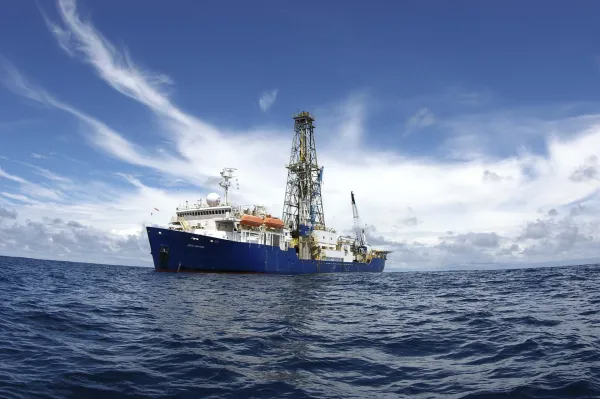
A total of 117 people onboard @TheJR for #exp401, including 29 non-IODP scientists, the expedition project manager and 2 outreach officers. 85 more people who do not appear on these photos :)
🔝 Científicos de la #UGR y el @IACT_divulga participan en una expedición oceánica internacional de dos meses para recuperar sedimentos marinos del Mioceno.
🚢 @FJavierHernnde2 (IACT) y Francisco Javier Rodríguez-Tovar (UGR) forman parte del proyecto
https://t.co/LVtujB4kuV
With great sadness we inform you that Judith A. McKenzie, Professor of Earth System Sciences at ETH Zurich from 1996 to 2007, passed away on 11 August 2023. She will always remain an important role model and good friend in our memories.
https://t.co/HLRdkjqXnv
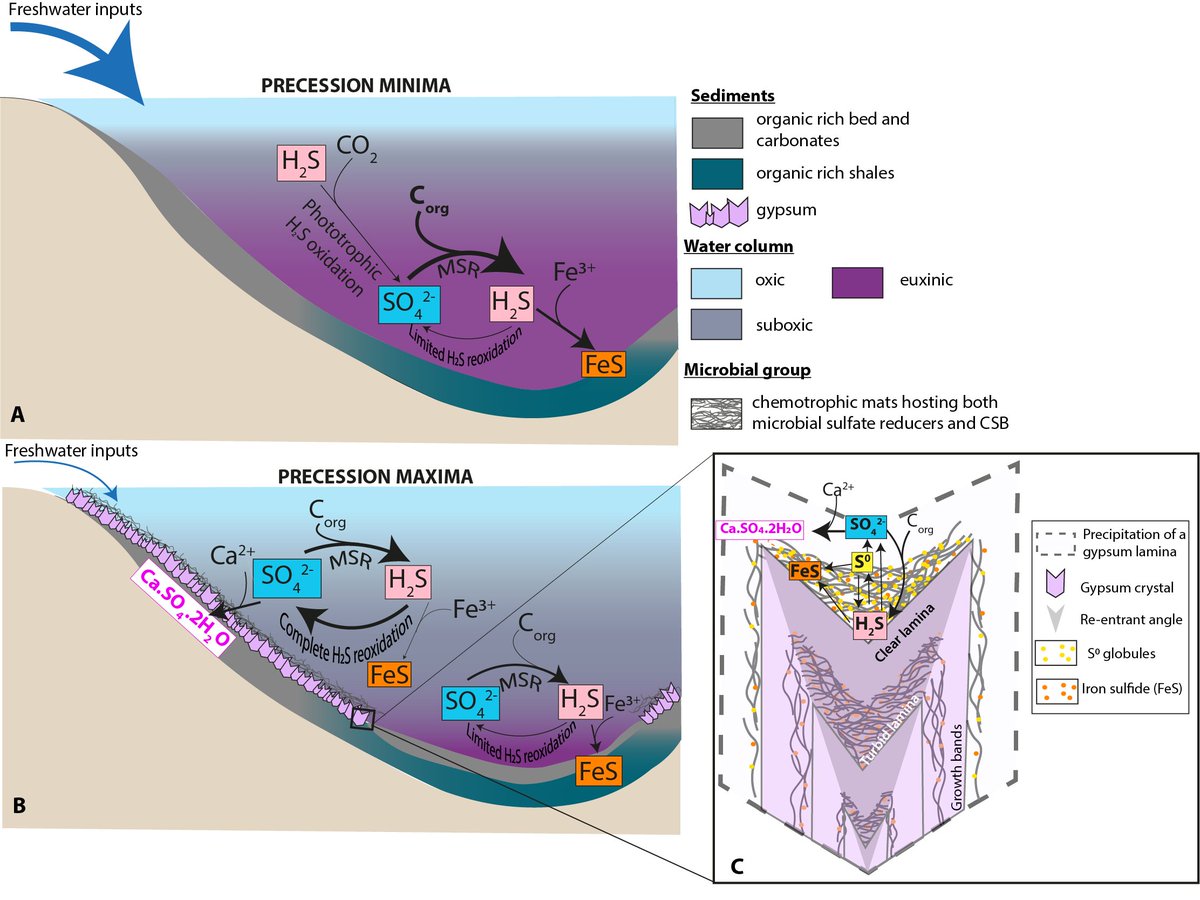
We measured the multiple sulfur isotopic composition of both the tiny sulfide globules entrapped in these filaments AND the gypsum that contain these filaments
Sadly, our ETN project will end in July.
15 international researchers have been exploring and learning together to solve a huge geological challenge on the Mediterranean past. @HorizonteEuropa@HorizonEU@CORDIS_EU@CSICCat@CSICdivulga
See below and meet the #SALTGIANT Team!👇👇
This allowed us to reveal a “cryptic” cycling of sulfur contemporaneously to gypsum precipitation. It implied both negligible net sulfate consumption and sulfide production, despite a significant benthic flux of organic carbon remineralized through microbial sulfate reduction.
6 million years ago, the Mediterranean Sea went dry and accumulated kilometres of salt. What caused this vast Mediterranean salt pan?
Discover @saltgiant, a four-year European project dedicated to understanding one of the largest salt deposits on Earth
https://t.co/TRv4yjX50F
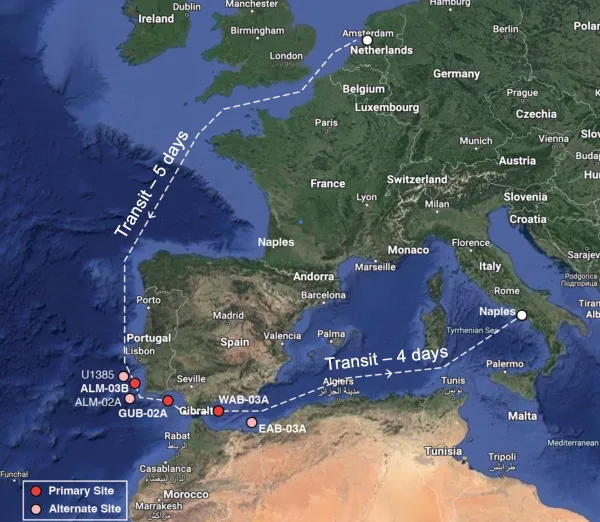
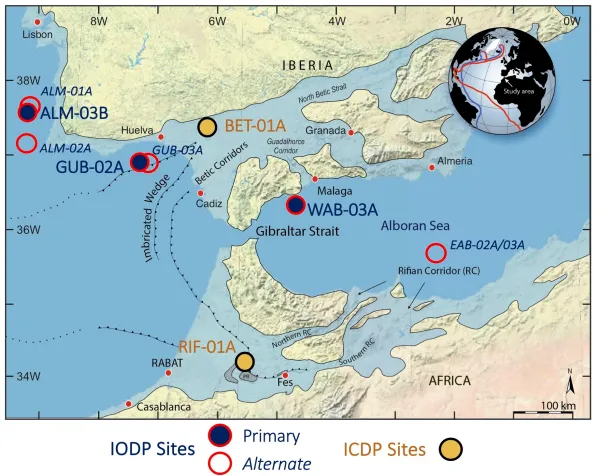
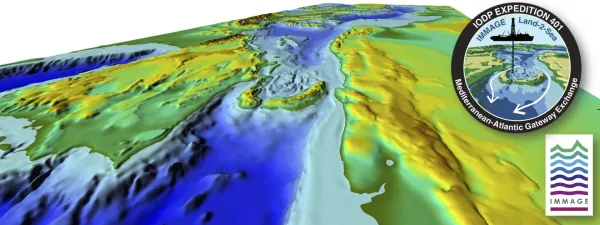
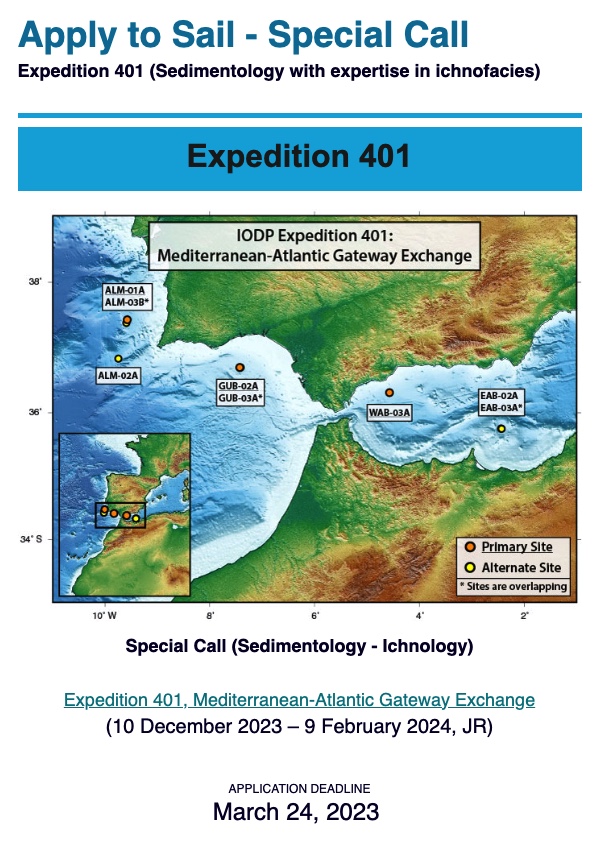
Special Call Deadline Approaching: #IODP Expedition 401, Mediterranean-Atlantic Gateway Exchange, the offshore part of the @IMMAGEland2sea project - Seeking scientists with expertise in Sedimentology/Ichnology - Apply by 24 March https://t.co/D3yTH8C1Tp https://t.co/e2qvcz6zOM