Middle East researcher, author & ex-journalist. Currently UAE-based consultant with @EurasiaGroup focusing on Gulf geoeconomics. Views mine. 🇺🇸/🇱🇧/🇫🇷/🇪🇸
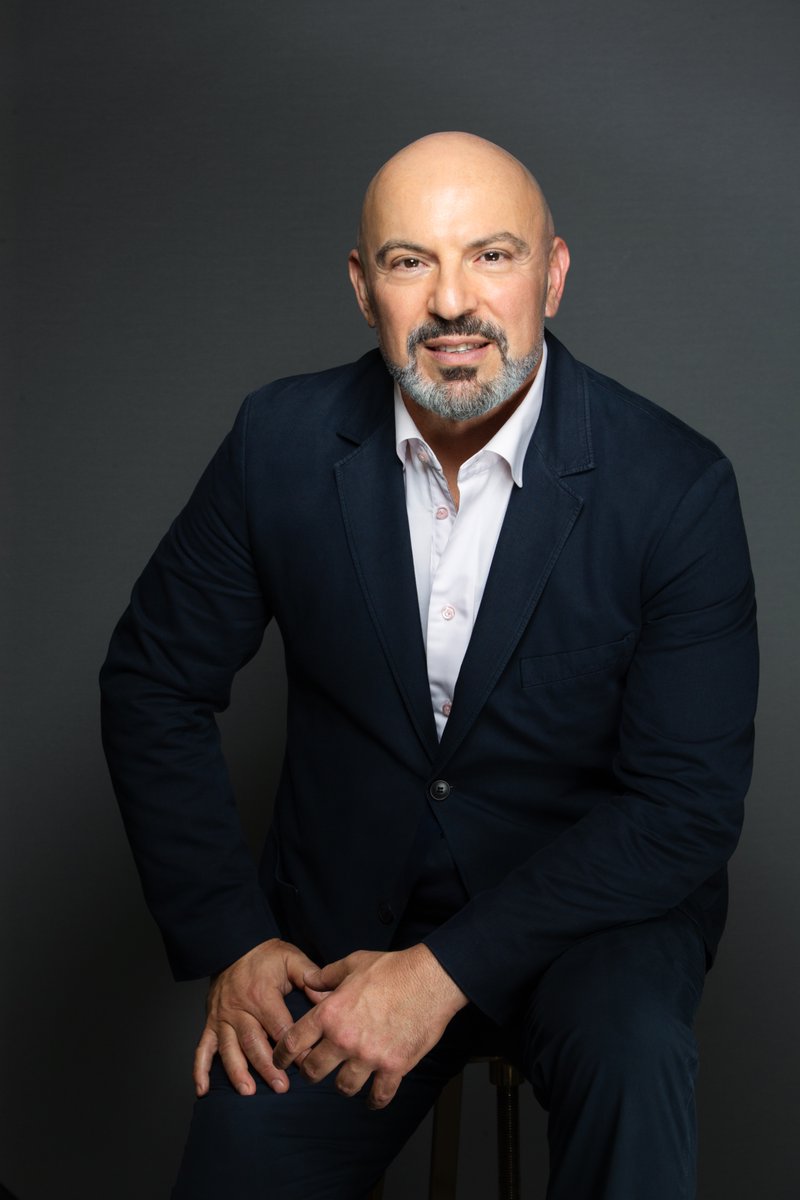
Personal News: Excited to join @EurasiaGroup's Middle East & North Africa team as a consultant, collaborating with the multi-talented @FirasMaksad and other top-notch colleagues and experts. My focus will be on geoeconomics & long-term investments and transformations in the Gulf Arab region (Photo: Blue Eye Picture, Dubai)
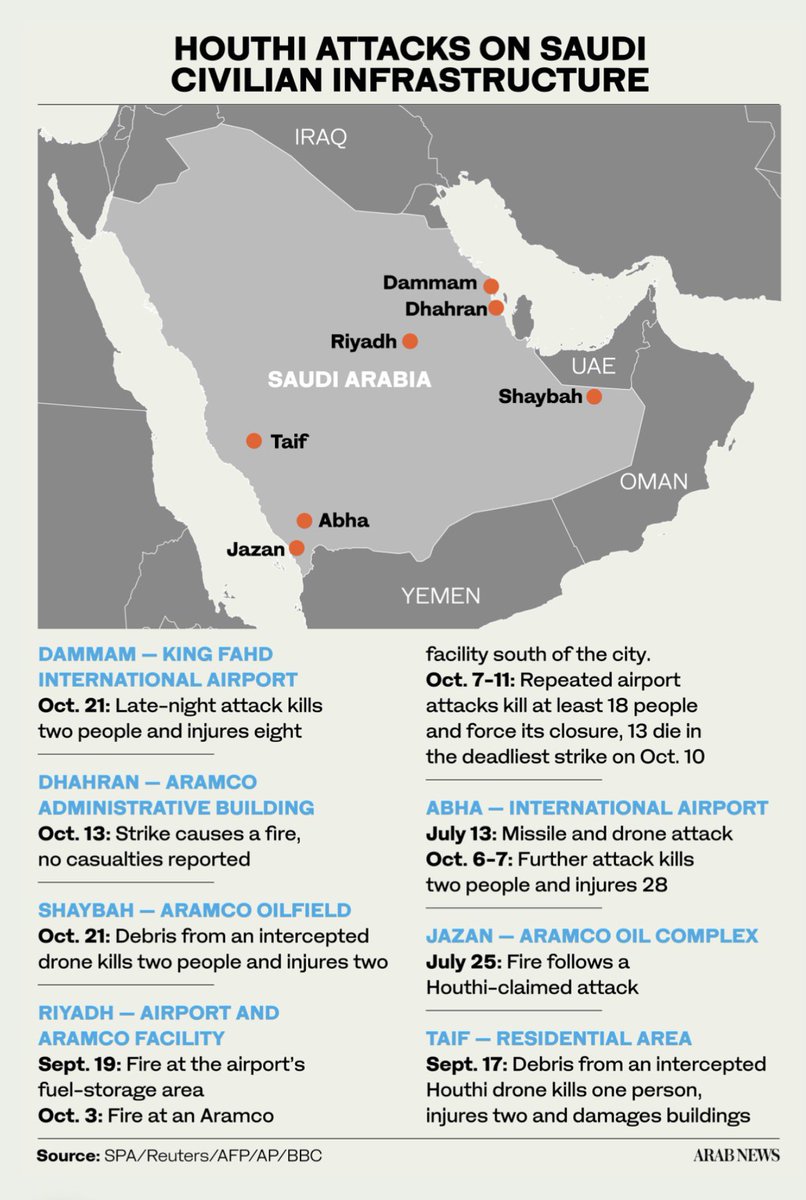
Arabian Peninsula 🧵(1/3): The Houthis claimed that they struck the world’s largest oil refinery in Saudi Arabia on October 27 as part of their campaign against Saudi Arabia. ISW-CTP cannot verify the Houthis’ claim at the time of this update, however.
The Houthis claimed that they struck the Ras Tanura oil refinery in Saudi Arabia with a ballistic missile on October 27 for the first time in the 2026 fighting.
The Houthis had previously refrained from targeting Saudi Arabia’s most significant oil facilities in this current conflict and may have targeted Ras Tanura to increase pressure on Saudi Arabia to compel it to concede to Houthi demands, following reports that Saudi Arabia and the Houthis failed to arrive at a ceasefire agreement during negotiations in Iran on October 26.
An Iranian source told Emirati media on October 27 that the Houthis conditioned any ceasefire agreement on Saudi Arabia lifting its blockade of Houthi-controlled airports, which Saudi Arabia presumably rejected.
The Houthis separately claimed to have struck King Khalid Air Base, Abha International Airport, and Najran International Airport in Saudi Arabia in addition to the Saudi Defense Ministry headquarters in Riyadh on October 27.
The Saudi Joint Forces Command reported that Saudi air defenses intercepted five ballistic missiles and four drones over Saudi Arabia, including Riyadh, on October 27.
Iran is threatening South Korea’s shipping company Sinokor: “At least 70 of Sinokor’s ships have been involved in a trade that has built up since the summer involving shuttle runs to shift oil from Gulf producers through the Strait of Hormuz to more risk-averse tankers waiting off Fujairah in the Gulf of Oman” @FT reports
https://t.co/qxi49bSqDv
Arab Parties’ Strong Showing May Bring Role in Formation of Israel’s Next Government: Mansour Abbas, the leader of Raam, told a television interviewer that the turnout showed that Arab voters, who make up about 20 percent of Israel’s population, had channeled their “frustration and despair” into “hope”
https://t.co/ceXQC24l8V via @NYTimes
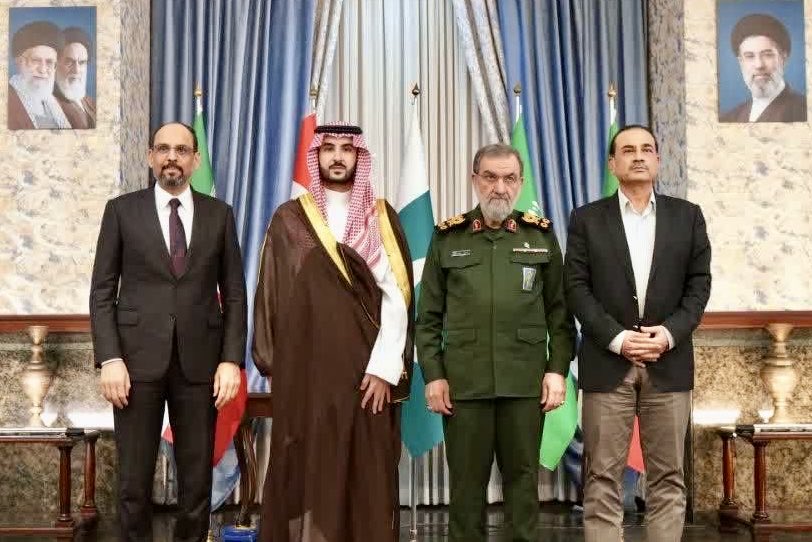
The Mecca Defense Accord is in Tehran.
🇸🇦🇹🇷🇵🇰🇮🇷
The message to #Iran:
• We opposed this war from the start. We won’t join US-Israeli strikes.
• Attack #Saudi interests, and you may force us into action. Don’t.
• We’ll help broker a diplomatic off-ramp.
The bigger picture:
Trump’s full-throated endorsement of Netanyahu & threats to expand the war is widening the rift with regional partners. They fear a postwar vacuum: an unchecked #Israel, a wounded but dangerous Iran, and a retreating US.
The result?
A race to reshape the region’s security architecture, with competing coalitions and middle powers rushing to fill the void.
Jordan has struck what its military says were "terrorist organizations" in Syria in retaliation for an attack on a Christian funeral last week that killed nine people
https://t.co/LCdWdQwQDr
“He’s not that tall and doesn’t have good English and people say rude things about the way he looks,” said Hanoch Daube, who served as Eisenkot’s chief of staff when he was deputy head of the military. “But when you have a very tough decision to make, this is the guy you want next to you.”
https://t.co/ioTTqzuhqJ
A key driver of expected US military action against Iran is that while the oil shuttle through Hormuz is working, it’s ultimately unsustainable.
Oil is flowing at pre war levels, but too many tankers are taking hits, according to senior sources.
Trump’s backing of Netanyahu reflects a preference to continue prosecuting the war with a familiar partner.
But Trump’s bet on Bibi is an uncertain one at best. It also comes at the expense of his ambition to expand Arab - Israeli normalization to include Saudi Arabia.
More via @BBCWorld & @EurasiaGroup
The terrorist attack against Karak will be met with the harshest retaliation. Those who delude themselves into thinking that they can divide Jordanians with their bullets have no chance in the face of our unity. All Jordanians, from north to south, are partners in land and fate, and nothing stands between them. Our deepest condolences to the families of the martyrs and we wish a speedy recovery to those injured.
Every Jordanian life is precious, and we will strike with an iron fist against those who dare to threaten our nation
NEW: SPECIAL REPORT | How Hezbollah Is Preventing Its Disarmament, Again
Hezbollah supporters blocked roads in Beirut and protested the Lebanese government’s attempts to assert sovereignty on October 16 and 17, after a series of government internal security raids compromised Hezbollah’s weapons smuggling, illicit finance, and de facto statelets within Lebanon.
Lebanese government initiatives to disarm Hezbollah over the past two decades failed because Hezbollah repeatedly succeeded in coercing the government to abandon its course. Hezbollah is a formidable military organization even after recent setbacks. It has ample weaponry, some (albeit decreased) support among Lebanon’s Shia population, and an institutionalized role in the Lebanese government.
Hezbollah views efforts to deter it as an existential threat, and dismantling Hezbollah’s military organization would be akin to the destruction of Hezbollah. Hezbollah is not a political party; it is a military force that created a political party and social apparatus to protect itself.
The United States and international partners must support the LAF’s disarmament efforts and ensure that the Lebanese government outpaces Hezbollah’s reconstruction efforts to wrest popular support from the group.
There are two key areas where the United States can use limited resources to realize outsized gains:
1. Reconstruction Aid: The United States, Lebanon, and international partners must carefully manage and provide reconstruction aid to southern Lebanon through government institutions that Hezbollah has not infiltrated.
2. Military Advisers: A relatively small force of US advisers may be able to have an outsized effect on the capabilities of the Lebanese army.
The UAE has announced it plans to invest €15 billion into Greece, building on the joint investment initiative, which was launched in May 2022 with a value of €4 billion. The plan was unveiled on the sidelines of an official visit to the European country by Sheikh Khaled bin Mohamed, Crown Prince of Abu Dhabi.
I am standing to be Secretary-General because I believe this is a moment to act with greater urgency: to act earlier, bring people together across difference, and drive the work forward until it produces concrete results. That is how we rebuild trust in the United Nations and ensure it delivers meaningful change for the people it exists to serve.
My vision: https://t.co/G449B8vaTI
Exclusive: U.S. and Israel draw up plans for renewed strikes on Iran after midterm elections. Iranian officials have promised to retaliate this time by expanding their targets, saying war will not be quick nor limited. Our story: w/ @julianbarnes@EricSchmittNYT@ronenbergman@natan_oden
https://t.co/mNA7fZNN6d
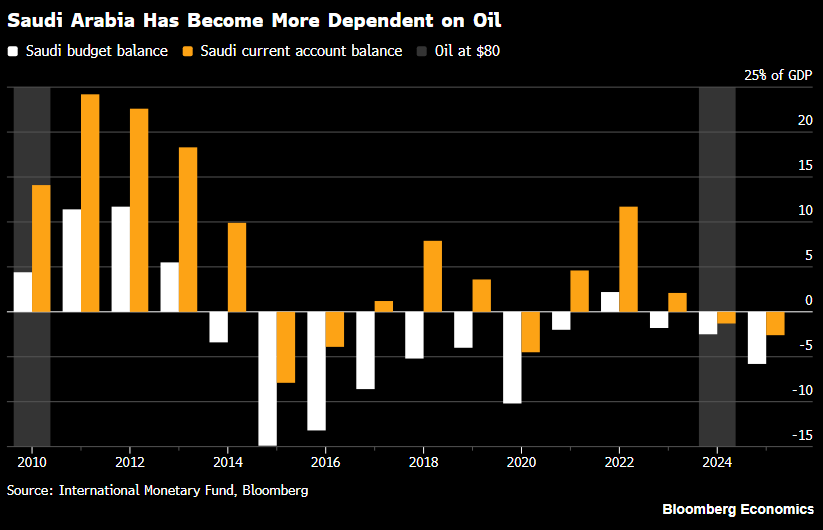
Saudi Arabia is cash rich: ~$700 billion in foreign assets
But cashflow poor: it has been running two deficits (chart)
The Iran war, and the fighting with the Houthis, are adding to the bill
Full analysis on @TheTerminal
#Focus | Banking reform: Constitutional Council ruling leaves power struggle unresolved
The annulment of Article 3 preserves the reference to the Code of Money and Credit, which the IMF says needs modernizing.
Read @Mouniryouniss' article below
https://t.co/DACC0hzPvB