Advice
Comfort of the body in eating less
Comfort of the tongue is in speaking less
Comfort of the soul is in mixing less with people
Comfort of the heart is in having less revenge
Shaking hands or body tremors are often blamed on age or nerves, but they can be a sign your cells are not making enough energy.
Your brain and nerves need strong mitochondria to keep you steady, and when they struggle, movement issues can appear.
See what may be draining your energy and what supports steadier movement.
https://t.co/gzXqF2oyYv
For your Child :
There was a time when childhood meant scraped knees, muddy shoes, long evenings outside, and a body that grew strong without anyone thinking about it. We didn’t call it “fitness.” It was simply life. Children ran because it felt good. They ate when they were hungry. They slept when the day made them tired. Their world was simple, and their bodies reflected that simplicity.
Today we’re watching a quiet shift. It isn’t dramatic like an epidemic on the news. It’s slower. Softer. But far more heartbreaking. Lifestyle diseases are showing up in our children, the one group we always believed was protected by youth. Type 2 diabetes in teenagers. Fatty liver in school-going kids. High blood pressure before they hit puberty. Emotional burnout in those who haven’t even stepped into adulthood.
These problems don’t arrive overnight. They creep in. One missed night of sleep at a time. One extra hour of screens that turns into three. One skipped breakfast that becomes a habit. One soft drink becoming a daily comfort. Day after day, small imbalances settle into the body until the body begins to struggle.
And the saddest part is that none of this is the child’s fault.
Children follow the world adults create. They eat what is kept at home. They live the routines we model. If we’re always rushing, they learn to rush. If we’re always indoors, they learn to stay in. If meals come from packets, they grow up thinking this is normal.
We often talk about wanting a better future for our kids. But the future is shaped in the present, in the small choices made in kitchens, playgrounds, living rooms, and bedrooms. A healthier generation won’t be built by big announcements. It will be built in the quiet routines of families.
A walk after dinner.
A home-cooked meal shared together.
A bedtime that respects the body.
A weekend morning spent outside instead of in front of a screen.
A parent choosing fruit over a packet of chips, because children copy what they see.
These simple habits were once the default. They are still our strongest tools.
There is nothing modern or advanced about watching a child struggle with diseases that once belonged only to adults. And there is nothing old-fashioned about protecting them with steady sleep, good food, sunlight, and movement. These are things that have always kept human beings well. They will continue to do so long after trends fade.
Children don’t need perfection. They need stability. They need parents who treat health as a family value, not a last-minute fix. They need a home where phones don’t replace connection, where meals don’t come with guilt, where bodies are respected, not neglected.
We can turn this around. Not with fear, but with responsibility. Not with lectures, but with example. Not by blaming the world, but by strengthening the foundation inside our own home.
Every healthy habit you bring back into your family is a gift your child will carry for the rest of their life. And someday, when they raise their own kids, they will pass it on. That is how we break the cycle. That is how we rebuild the strength we once took for granted.
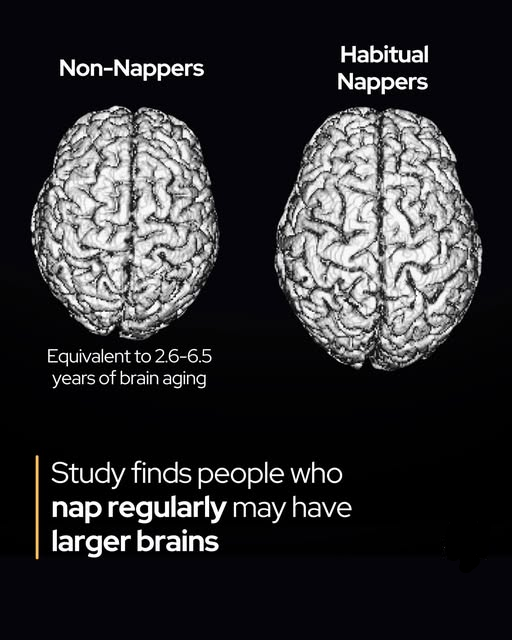
Skip your daily nap, shrink your brain.
A study by researchers from University College London and the University of the Republic in Uruguay has found that people who habitually take daytime naps tend to have significantly larger total brain volume—a key indicator of brain health that typically declines with age and is associated with reduced dementia risk.
The team used Mendelian randomization, a method that leverages genetic variants (present from birth) that make people more likely to nap regularly. By analyzing brain MRI scans and health records from more than 35,000 participants in the UK Biobank, they discovered that those genetically inclined to nap had brain volumes corresponding to 2.6 to 6.5 fewer years of aging.
While this doesn’t definitively prove that napping itself enlarges the brain, the genetic approach helps rule out many lifestyle-related confounding factors, providing stronger evidence of a potential causal relationship than traditional observational studies.
Notably, the researchers found no link between napping predisposition and performance on tests of reaction time, memory, or visual processing. However, previous studies have shown that short naps can deliver immediate cognitive benefits.
The study lacked specific data on nap duration, but prior research suggests naps of 30 minutes or less provide the greatest advantages while minimizing disruption to nighttime sleep.
This is the largest study to date linking regular napping with brain structure. Although further research is needed in more diverse populations, the findings bolster the idea that a brief daytime rest may help preserve brain volume and support long-term cognitive health.
Three meals a day wasn’t nature’s plan—it was Rockefeller marketing. Ancient humans didn’t eat by the clock. They ate when needed, thrived on scarcity, and grew strong through fasting.
Fasting heals. It switches the body from digestion to repair, from consumption to regeneration.
Modern culture flipped that truth—sold comfort, dependence, and inflammation as health. Three meals didn’t free us. They chained us.
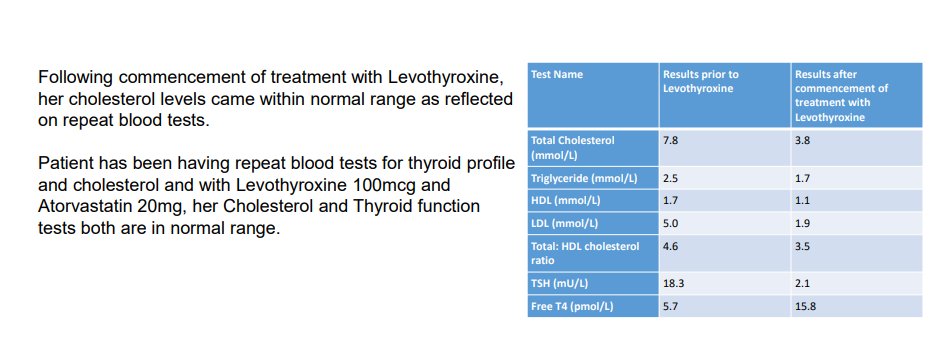
Did you know that thyroid hormone T3 has well-documented cholesterol-lowering effects?
Cholesterol + T3 + Vitamin A = Pregnenolone
When T3 is low - cholesterol builds up.
🚨 52% of American Schools and Districts have begun rolling out a new program called Equitable Grading
Equitable Grading means American students will have
- Unlimited test retakes
- No zeros for missing work
- No homework, homework’s is excluded from final grades
- No late penalties
- No required participation
“In short, everyone passes and more than half of US public schools have already adopted at least one of these policies and some districts have adopted all of them.
Teachers themselves are calling it academic fraud. Meanwhile, the US already spends more per student than almost any other developed nation and our students are performing near the bottom. For example:
- American 15 year olds placed 28th out of 37 countries in math and reading and math scores just hit their lowest levels in 20 years
- In some districts, over 50% of middle school students are already three or more grade levels behind, yet they're still being pushed through the system.
Apparently, schools are implementing this to raise test scores, improve graduation rates, and close achievement gaps tied to race and income — This is the classroom version of handing out participation trophies to every kid on the field and it's not just lowering the bar, it's destroying it.”
- 52%: Schools/districts using at least one Equitable Grading policy (e.g., no zeros, retakes, or late-work leniency).
- 34%: Using 2-3 Equitable Grading policies.
- 6%: Using 4+ Equitable Grading policies (full “package” implementation).
- Higher adoption of Equitable Grading in middle schools (e.g., 55% in majority-minority middle schools) and urban/district-wide settings.
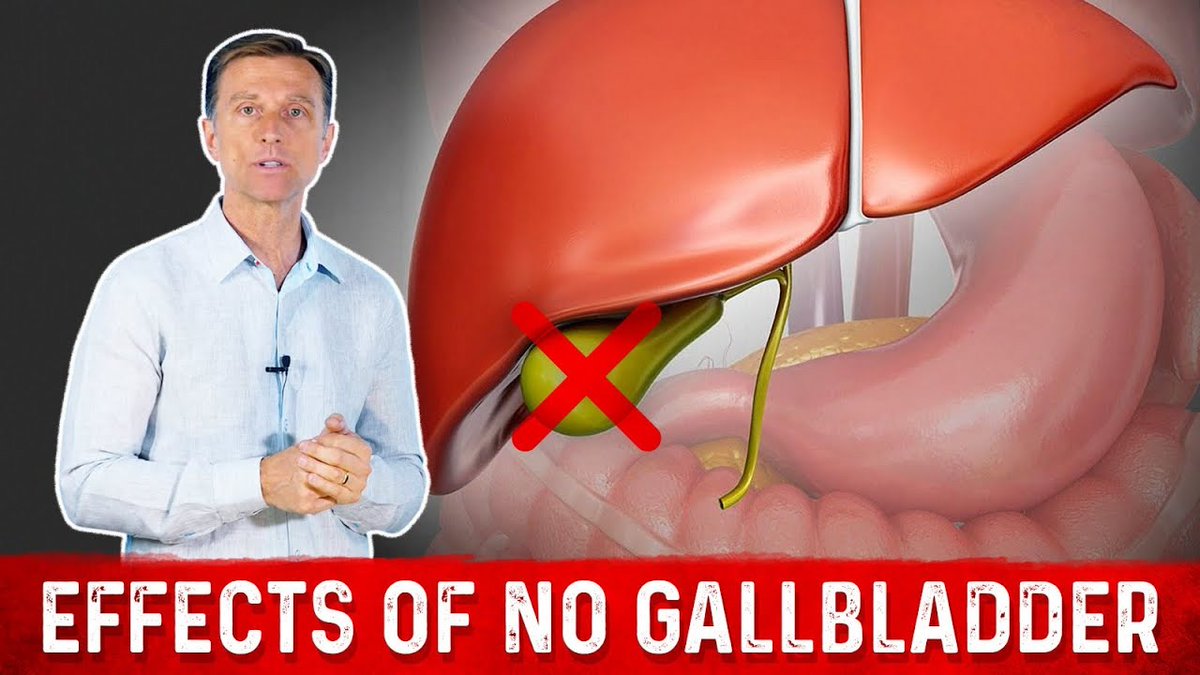
If you do not have a gallbladder, bile is no longer stored or concentrated.
This makes it harder to digest fats and absorb vitamins A, D, E, and K.
See what you can do to support fat digestion and nutrient absorption.
https://t.co/sH5uVnGwKh
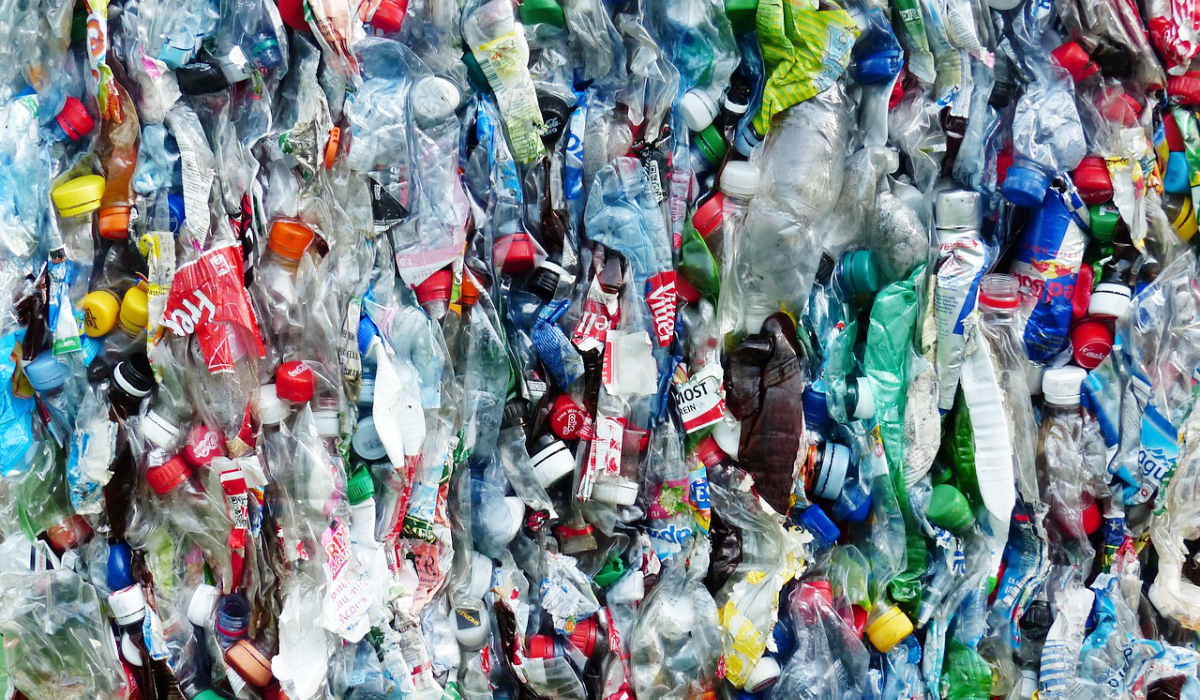
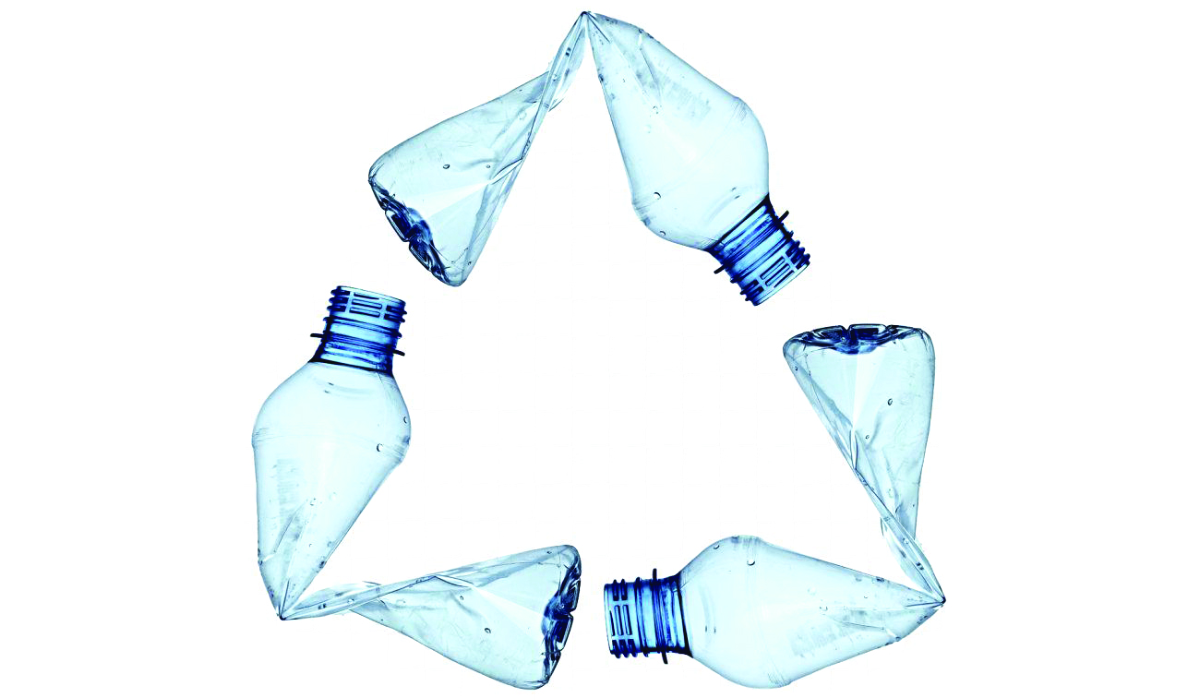
Nearly 10 million tons of plastic waste are generated in the Gulf region each year, only 10 percent of which is recycled despite growing awareness and recycling initiatives. https://t.co/9FYAwz2en1
"Acceptable Cholesterol In 1960 Was 300, Then 240, Then 200."
"Every Time They Lower That Number...Another 50 Million Americans Need Drugs."
"That's Not Medicine, That's Marketing. Pfizer Made $125 Billion Selling Lipitor."
Statins Are The Best Selling Harmful Drugs In History
🔴Statins cause CoQ10 deficiency, resulting in a condition called Rhabdomyolysis which causes so much muscle pain & tearing that patients cannot function in their daily lives.
🔴Every Statin crosses the blood brain barrier & shuts off the enzyme of cholesterol production leading to Dementia, Alzheimer's, Aphasia & all kinds of cognitive decline issues.
🔴Statins cause liver & pancreas damage, leading to insulin resistance & type 2 diabetes. In the recent Jupiter study women had a 49% increase & men had a 14% increase in new onset Type 2 Diabetes.
🔴Statins halt Dolichol, which is a crucial molecule in protein glycosylation in the brain. This deficiency leads to Parkinson's & other debilitating neurodegenerative diseases.
🔴Statins stop Heme A, a vital component of the electron transport chain & an iron atom crucial for energy.
Cholesterol has no effect on cardiovascular outcomes, including heart attacks, strokes & mortality. 75% of heart attacks occur in people with normal to low cholesterol.
There are no benefits to taking a Statin. While they lower your cholesterol, they cause a litany of side effects that inhibit a normal life. Statins do not lower Cardiovascular Risk or Disease. Chemically lowering cholesterol levels is very harmful to every cell in the body.
Statins Cause These Chronic Health Conditions:
Aphasia
Dementia & Alzheimer's Disease
Cancer
Pancreas Inflammation
Liver Inflammation & Damage
Diabetes
Heart Failure
Vertigo & Dizziness
Cognitive Impairment
ALS (Lou Gehrig's Disease)
Hormonal Deficiency
Brain Damage
Multiple Sclerosis
Muscle Pain
Depression
Parkinson's Disease
Muscle Tearing (Rhabdomyolysis)
Fatigue
Weakness
Neuropathy
No one should ever take a statin. Check your TG/HDL ratio which optimally for low cardiac risk is less than 1.5---if yours is below that, you are at very low risk for any heart issues. If the ratio is higher than 1.5---change your diet to lower triglycerides & raise HDL.
Triglycerides will lower very quickly when the following are removed from the diet: seed oils, sugar, grains, processed foods & starchy carbs. HDL can be raised thru strength training & eating a whole foods animal sourced diet of beef, eggs, seafood, butter, ghee, etc.
👇AHA Conflict Of Interest & Saturated Fat Lies👇
https://t.co/nZylE6wUTN
👇Lower Cholesterol Does Not Increase Mortality👇
https://t.co/AT5kvEz9Od
👇Statins Increase Mortality👇
https://t.co/CRPAQZgHi7
Speaker: Justin Nault
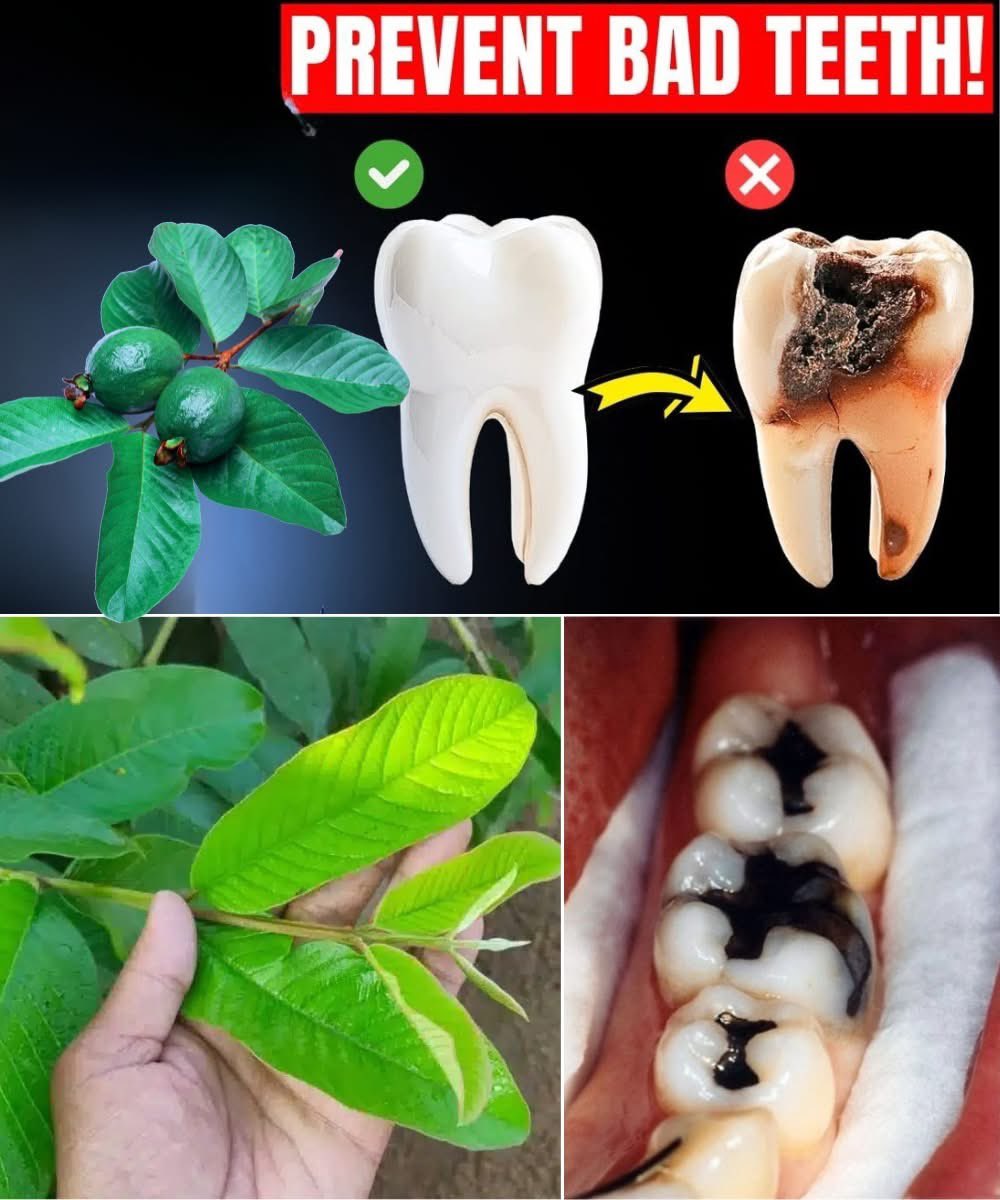
Top 3 ways to treat tooth decay with Guava leaves, simple and cost-effective🌿🦷
1. Mouth rinse: boil 6-7 fresh guava leaves in 1 cup water, cool and use twice daily.
2. Chew Raw Leaves: Chew 2-3 tender leaves after meals.
3. Paste: Grind 5 leaves mixed with a pinch of salt, rub on gum, two minutes and rings.
Guava leaves act as naturally antimicrobial and flavonoids kill cavity, causing by reduce plaque and strength gums.
Just 1 hour to reset your nervous system, release stress, and unlock your natural vitality...
Perfect for busy people who need recovery without the sweat👇👇👇
The Prophet ﷺ gave us a formula:
Khalwah (isolation) = nervous system reset
Fajr & Tahajjud = dopamine recalibration
Dhikr & Qur’an = emotional regulation
Tawakkul = anxiety transmutation
Sunnah is not just ritual. It’s a neuro-spiritual upgrade.
1400+ years ago, the Qur’an diagnosed it:
“And be not among the heedless.” – Qur’an 7:205
The Arabic word: ghaflah (غفلة) Meaning? Mindlessness. Disconnection. Spiritual fog.
It's not ignorance. It’s knowing the truth but living as if you don’t.