Manipulating Kinetic Competition and Electrocrystallization at Electrochemical Interfaces in Aqueous Zn Batteries | Journal of the American Chemical Society https://t.co/1GMcVVB0U1
Cornell Engineering students partnered with the Glenn H. Curtiss Aviation Museum to create a virtual reality experience allowing museumgoers to explore how an engine works in VR.
In the same way that terrestrial life evolved from ocean swimmers to land walkers, soft robots are progressing, too, thanks to recent Cornell research in battery development and design.
A modular worm robot built by the Organic Robotics Lab and a jellyfish that was a collaboration with the Archer Group, both in @CornellEng, demonstrate the benefits of “embodied energy” – an approach that incorporates power sources into the body of a machine, to reduce its weight and cost.
The worm and jellyfish are direct descendants of an aqueous soft robot, inspired by a lionfish and unveiled in 2019, that could store energy and power its applications via a circulating hydraulic fluid – i.e., “robot blood.” Similar blood sustains the new species, but with an improved design for greater battery capacity and power density.
The robot is not exactly speedy – it would take 35 hours to travel 105 meters in a single charging – but it is faster than other hydraulically powered worm bots. As for potential applications, the worm is particularly well suited for exploring long and narrow passageways, such as pipes, and possibly conducting repairs.
Likewise, the jellyfish robot would be an ideal low-cost tool for ocean exploration because it can be carried along with the current, then swim up to the surface to send and receive communications, before sinking back down.
More at https://t.co/Vc52tavzOx.
.@Cornell will reinstitute standardized testing requirements for students seeking undergraduate admission for fall 2026 enrollment, based on evidence from a multiyear study. https://t.co/UL8iW56Y21
🚨 Job alert 🚨
One PhD and one postdoc position (both fully funded) available in my group!! I really appreciate any retweets!
https://t.co/T6QXXSeGHn
Thanks to the @snsf_ch for funding, and thanks to the reviewers.
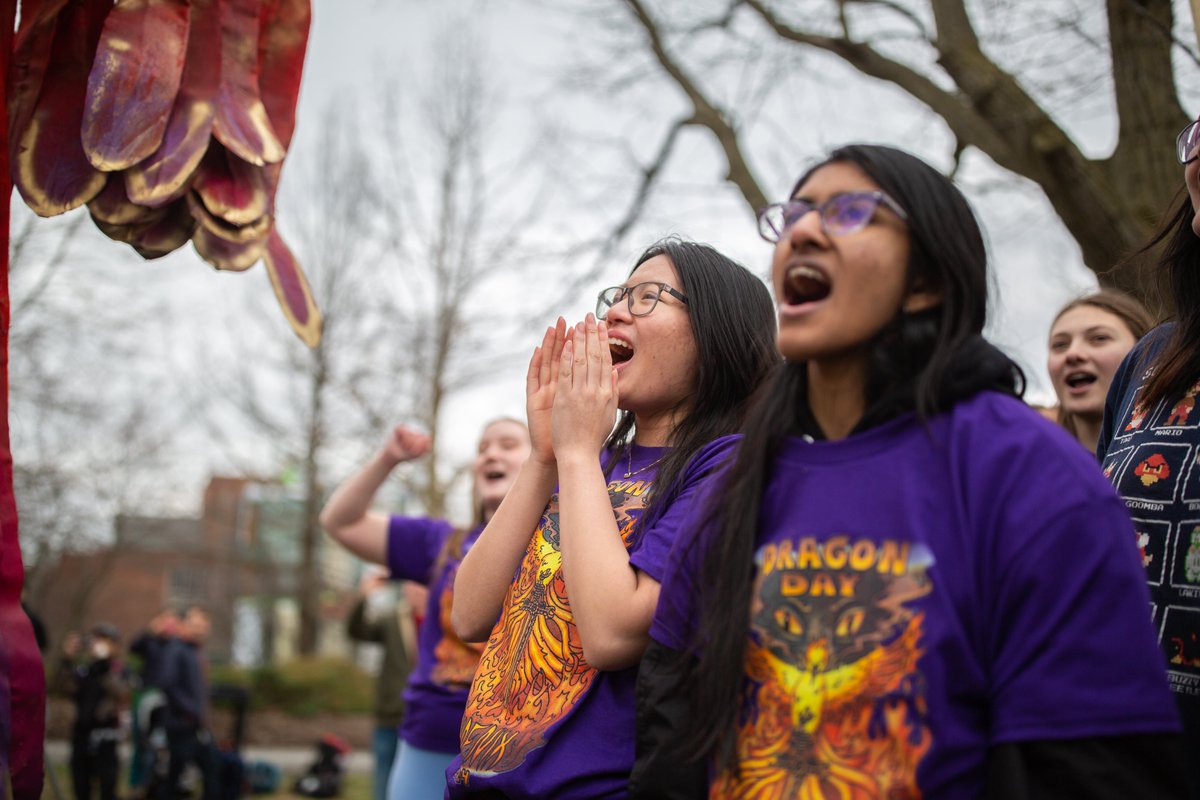
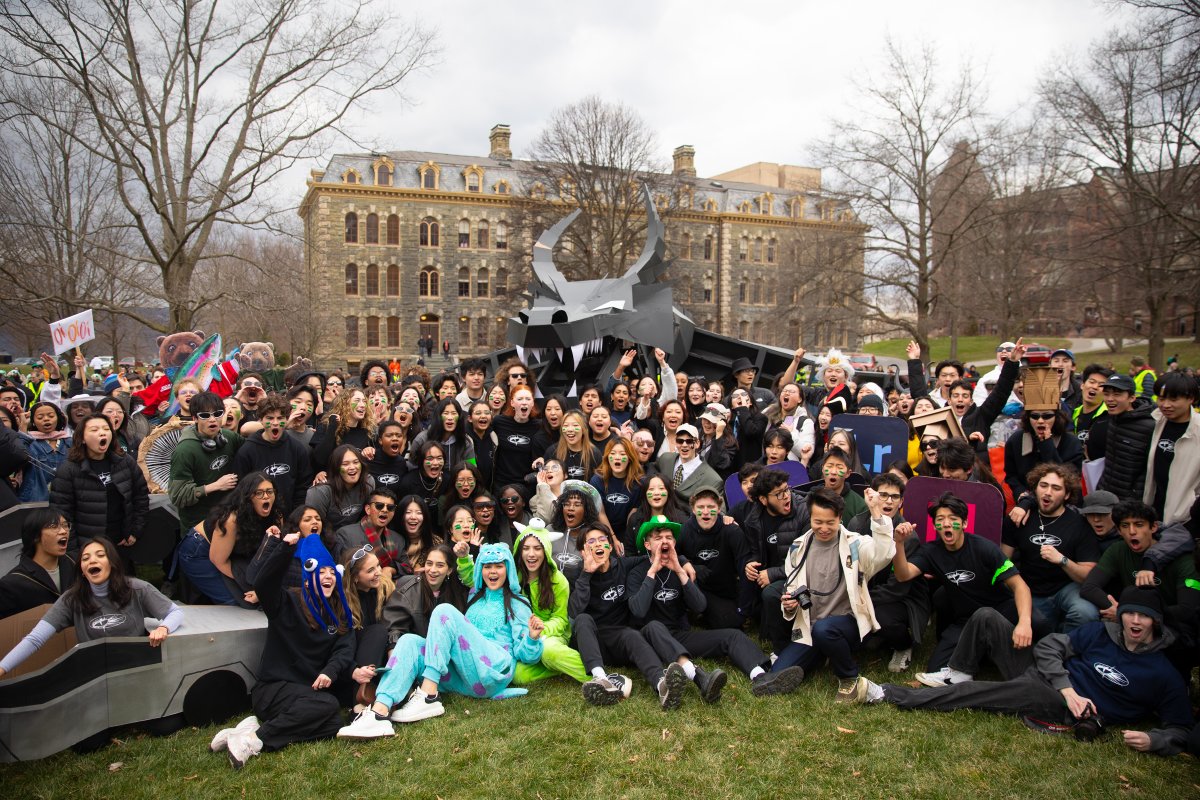
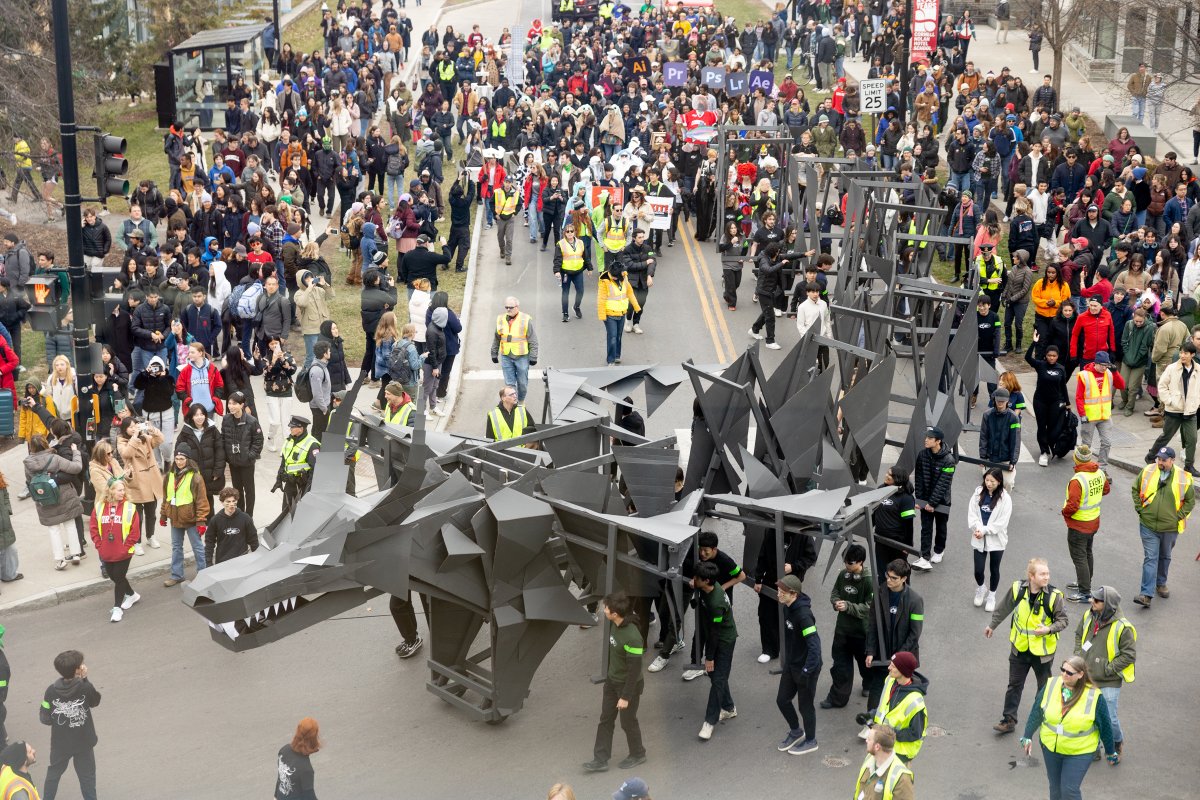
Dragon Day stands as one of our enduring traditions, embodying the lively spirit and creativity of Cornellians! 🐉🔥
This year's dragon, crafted by @CornellAAP first-year architecture students, showcased innovation with a focus on functionality and sustainability.
To our newest Cornellians, the #Cornell2028 class! 🐻❤️
Celebrate this milestone and prepare to join our vibrant Big Red community of thinkers, innovators, and game-changers. Be inspired, grow, and leave your own lasting impact on Cornell. We can't wait to welcome you this fall!
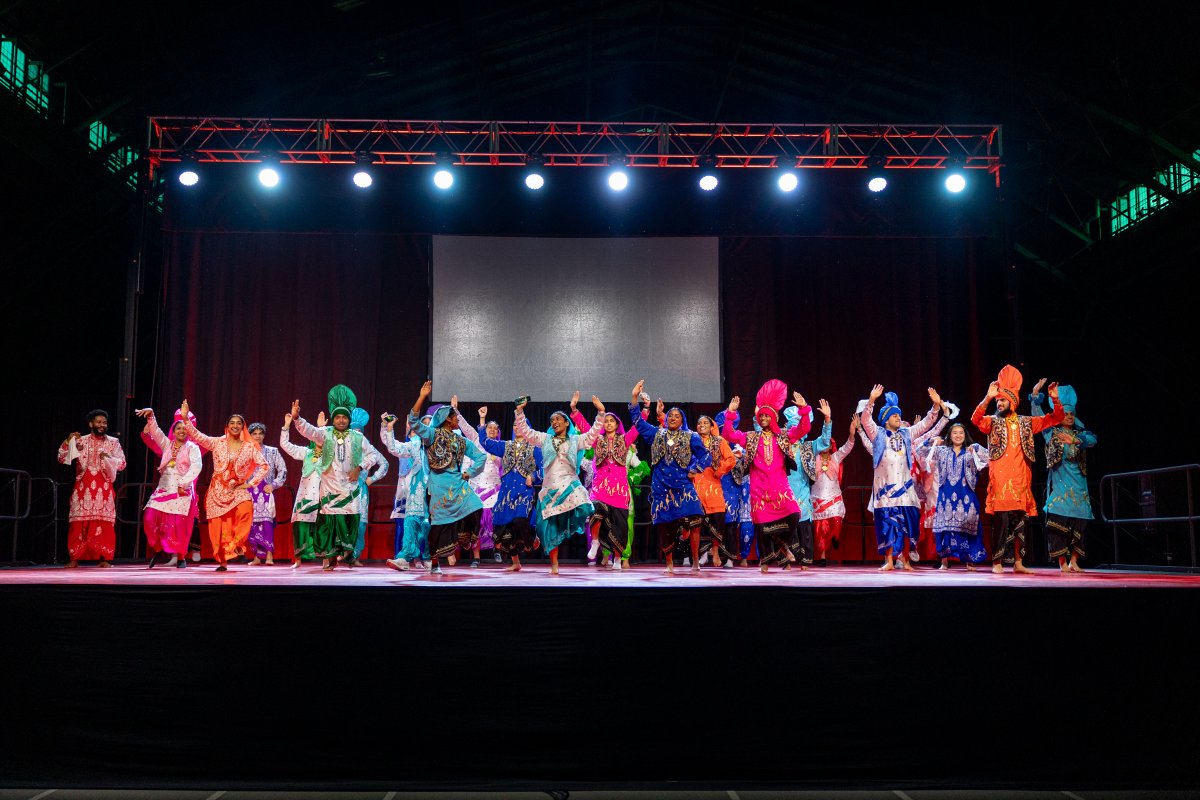
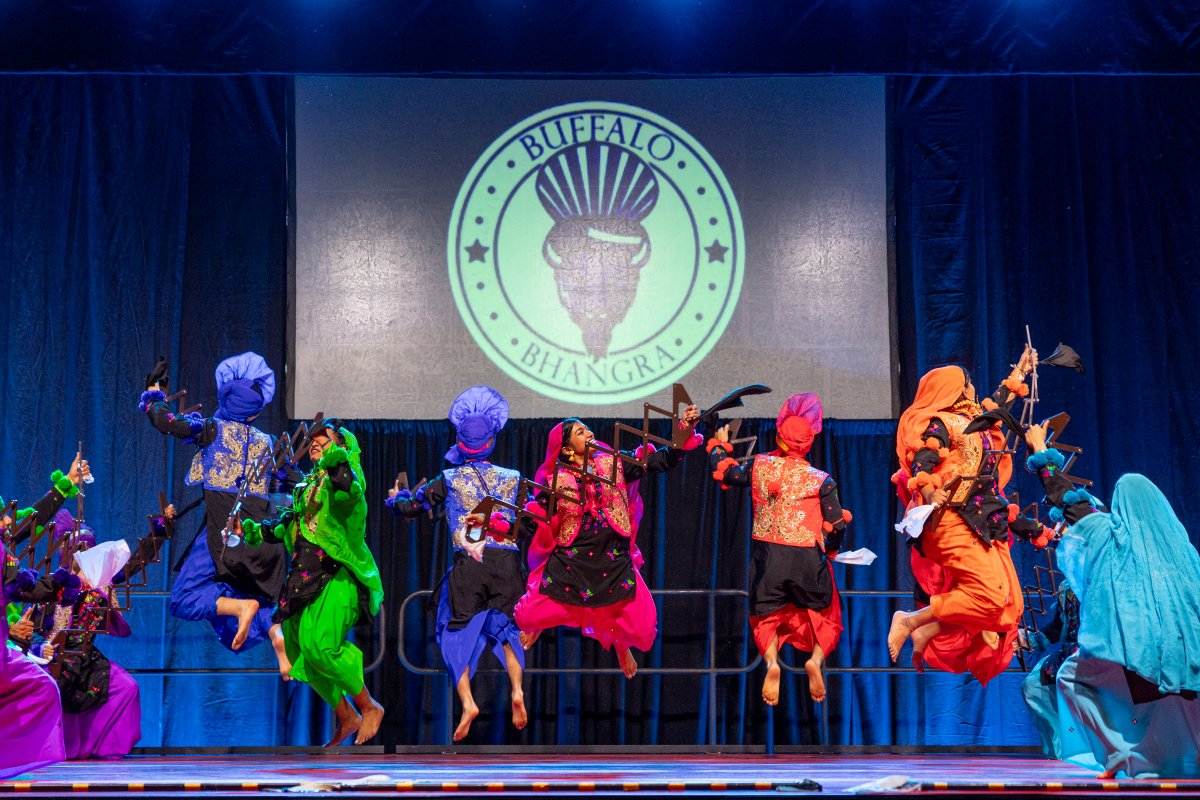
Cornell Bhangra brought the buoyancy and joyfulness of Bhangra to their 21st PAO Bhangra competition on Saturday. The Cornell team was founded in 1996, making them one of the oldest and best collegiate teams in the country.