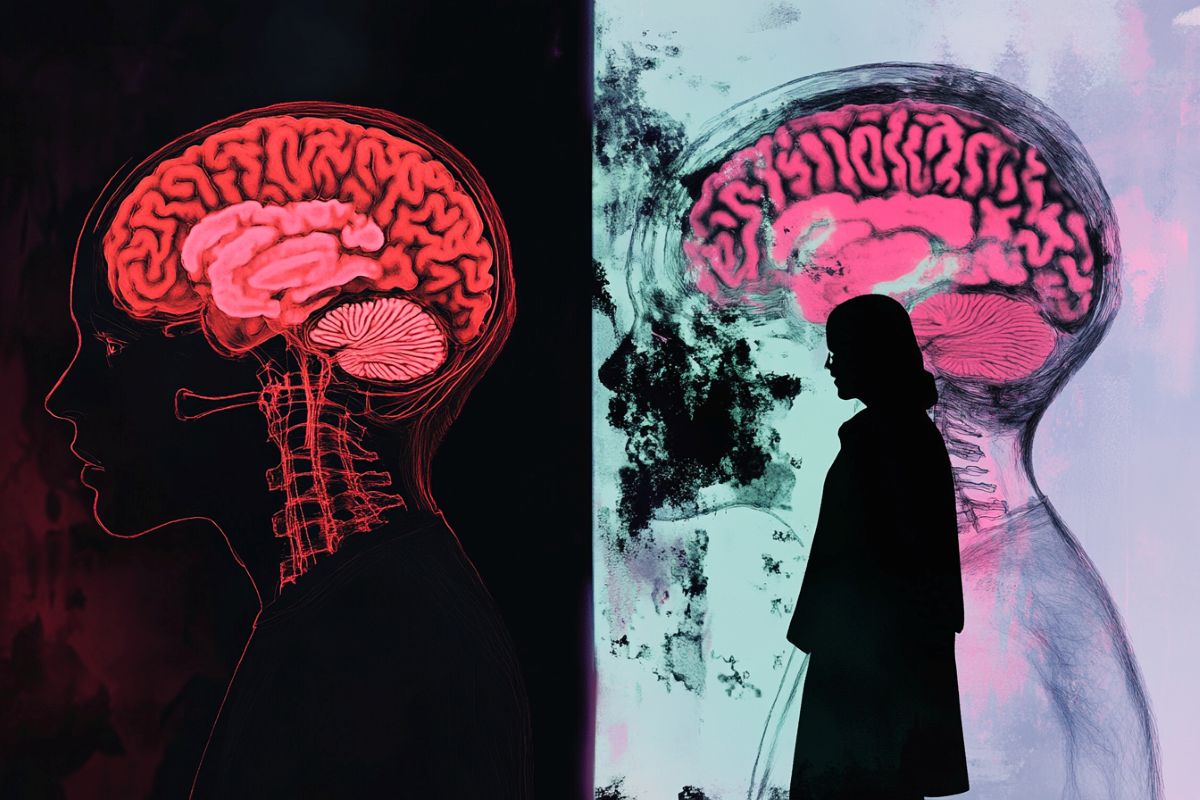
T Cells Found Living in Healthy Brains
A surprising discovery has revealed that T cells, typically known for fighting infections, also reside in healthy brains.
Researchers found these immune cells concentrated in the subfornical organ, a brain region involved in thirst and hunger regulation.
These cells don’t originate in the brain but appear to migrate from the gut, guided by shifts in the microbiome.
This suggests a novel form of communication along the gut-brain axis, where immune cells serve as couriers of the body's internal state.
Removing these cells from mice led to altered food-seeking behavior, demonstrating their functional importance.
These findings suggest the immune system plays a more nuanced role in brain function than previously understood.
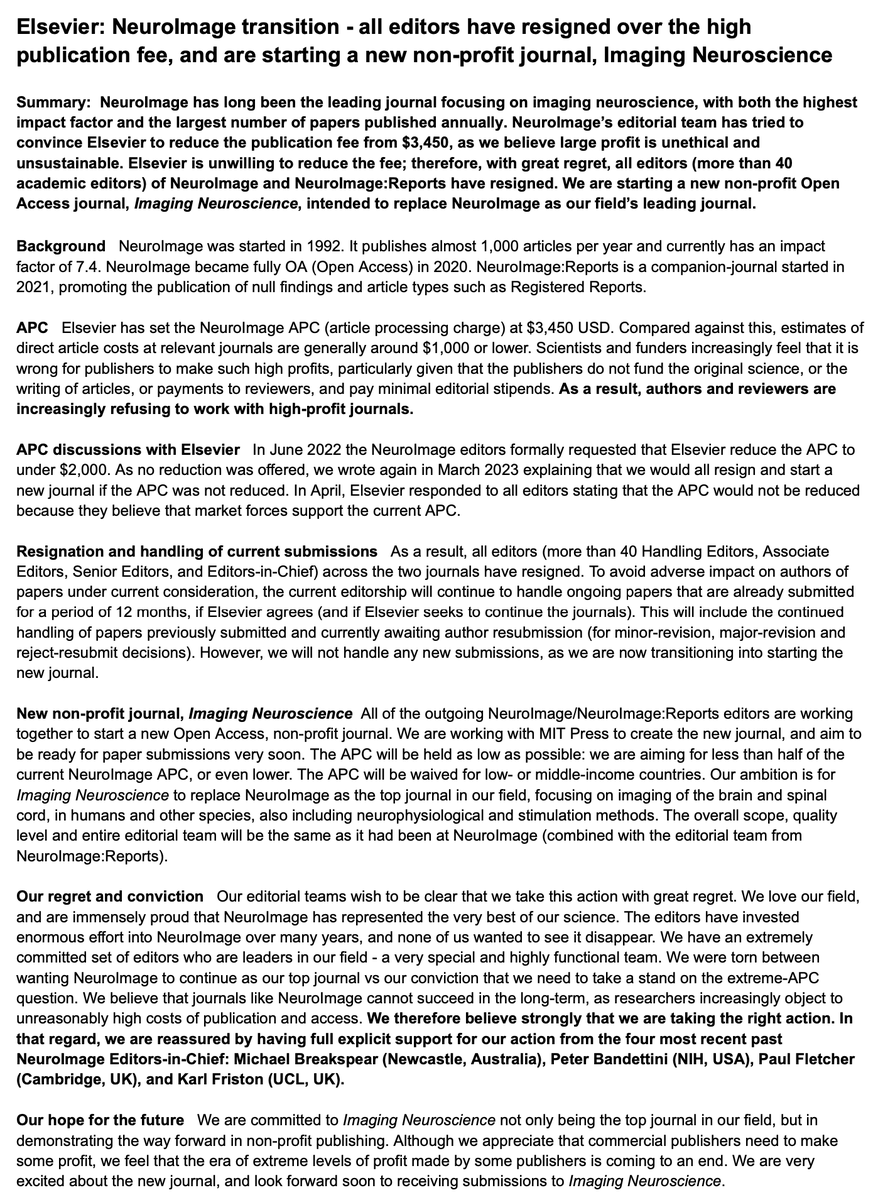
Bystander PTSD Alters Brain Differently Than Direct Trauma
A new study reveals that witnessing trauma causes distinct brain changes, different from those seen in people who directly experience trauma.
Researchers found that bystander PTSD alters protein degradation patterns in key brain regions involved in fear and memory processing.
The study also identified sex-specific differences, with women showing unique neurobiological responses that may explain their higher risk of developing PTSD.
These findings suggest that current PTSD treatments, which do not differentiate between direct and bystander trauma, may need to be adapted.
The research highlights the importance of understanding how trauma affects individuals differently based on how it is experienced.
Future work could lead to targeted treatments that consider both trauma type and biological factors.
🚨 Science, Stand-Up, & Song is back March 26th!
5 hilarious comedians
3 brilliant scientists- @ShernazBamji , Carie-Ann Hancock, & @nika_shakiba
1 host to provide music along the way! 🎵👩🔬
Tickets: https://t.co/ny9a4IoGui
Thx @ScienceVancity@scislamCA for the support!👏
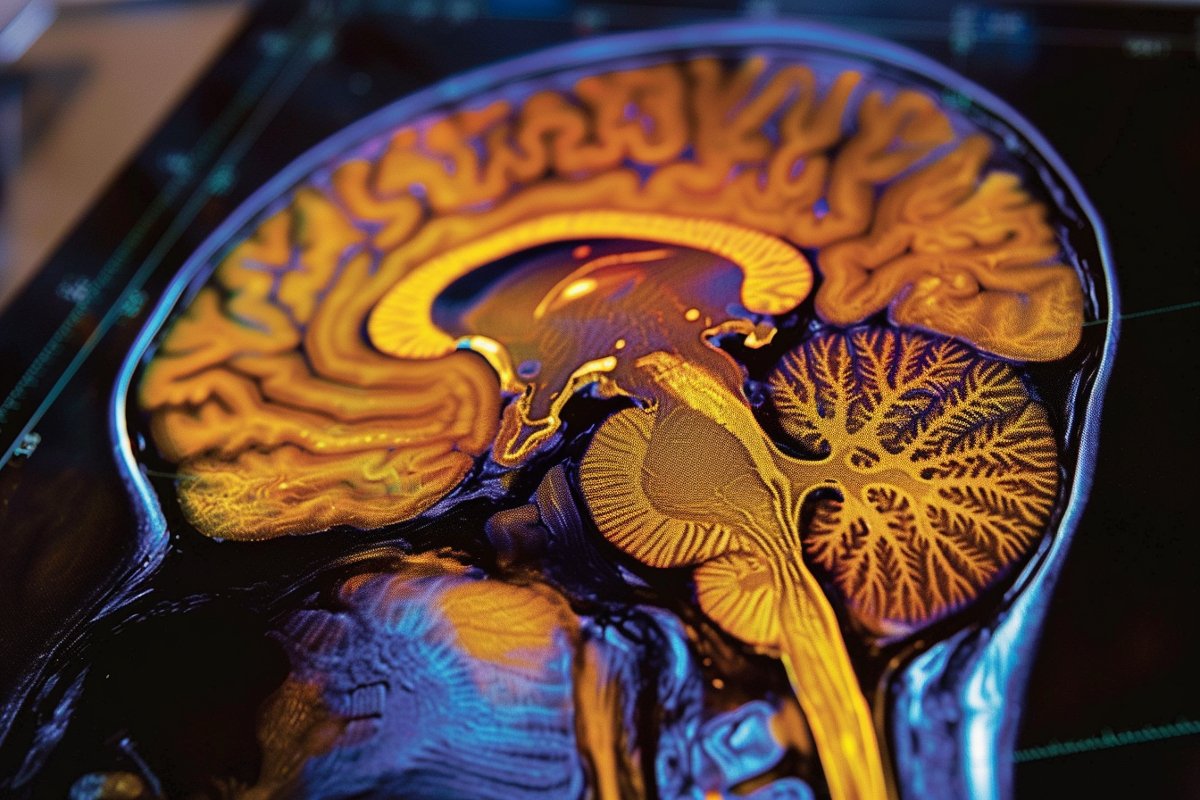
Altered Brain pH Linked to Cognitive Disorders
A new study involving 131 researchers from 105 labs worldwide uncovers altered brain pH and lactate levels as consistent features across various animal models of neuropsychiatric and neurodegenerative disorders, marking a significant advance in our understanding of these conditions.
This extensive research across 109 strains of mice, rats, and chicks, identifies energy metabolism dysfunction—specifically, changes in brain pH and lactate levels—as a common denominator in conditions like schizophrenia, bipolar disorder, depression, epilepsy, and Alzheimer's disease.
Key findings include the discovery that about 30% of animal models showed significant alterations in brain pH and lactate levels, linking these changes to environmental factors and cognitive impairments, particularly in working memory.
This study paves the way for novel diagnostic and therapeutic strategies targeting energy metabolism, offering hope for more effective treatments for cognitive impairments across a spectrum of neuropsychiatric conditions.
1/3
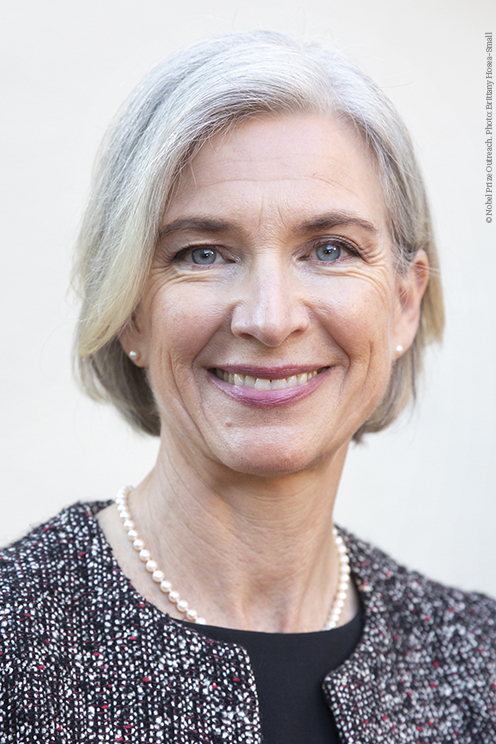
"I loved math when I was growing up. Nobody in my family was a scientist, but my father loved doing puzzles. So we did a lot of puzzles."
In our interview with 2020 chemistry laureate Jennifer Doudna, she tells us about how her scientific journey started: https://t.co/QHtle42k8Y
Einstein's "biggest blunder": 📰
In 1917, Albert Einstein introduced the cosmological constant into his theory of general relativity in order to maintain a static universe, as it was widely believed at the time.
However, just over a decade later, Edwin Hubble's observations of the expanding universe rendered the cosmological constant unnecessary. Einstein later referred to this as his "biggest blunder," although recent discoveries suggest that the constant might play a role in explaining dark energy.
All NeuroImage and NeuroImage:Reports editors have resigned over the high publication fee, and are starting a new non-profit journal
https://t.co/DmnwDKVCK7
This comes with great regret, and a huge amount of thought and discussion- please read announcement to get more details.
Are you a Canadian childhood cancer patient, survivor (17 years old or younger) or parent of a child with cancer? Share your experiences with the COVID-19 pandemic in a study led by Drs. @lindsayjibb & @NAlbertsPhD. Email [email protected] to learn more. #SKResearch
🆕 Ahead of #WorldPrematurityDay (17 Nov.), WHO published new guidelines to improve survival and health outcomes for babies born early (before 37 weeks of pregnancy) or small (under 2.5kg at birth) https://t.co/Jl0dg5TMAs
Immediate skin to skin contact for infants born 28+0-32+6 weeks does not lead to risk of hypothermia compared to conventional care.
BONUS: The STS group had a ⬇️ RR of developing hyperthermia, RR=0.70 (0.50, 0.99, p=0.04)
https://t.co/hKnIld0GRg
#neoTwitter#MedTwitter
Delicious news just in: it’s time to celebrate! The MS community went above and beyond this year’s #BurgersToBeatMS day, raising an amazing $1.4 million in support of people living with multiple sclerosis! For every bite, bill round up, donation, and burger selfie, we THANK YOU!