✨ GCNI Symposium 2026 is coming! 🧠
📅 30 Nov – 1 Dec 26
📍 LT2, YIA
🎟️ Free registration (deadline: 23 Nov)
Register here 👉 https://t.co/igBUApoWxQ
More information will be provided closer to the event: https://t.co/gLTuIjqiY8
Excited to share that our work from RIKEN is now published in Nature! 🎉
We uncovered how protein intake during development shapes lifespan and identified a mechanism that transmits a “nutritional memory” into adulthood.
https://t.co/Kz8VVxsCv9
Yet another cool story just came out of the ever so capable hands of Roy Harpaz (@RoyHarpaz).
https://t.co/KeX0jv8Azw
Roy showed that larval zebrafish will adapt and get used to crowded conditions, and that they are then, later on, less sensitive about their personal space.
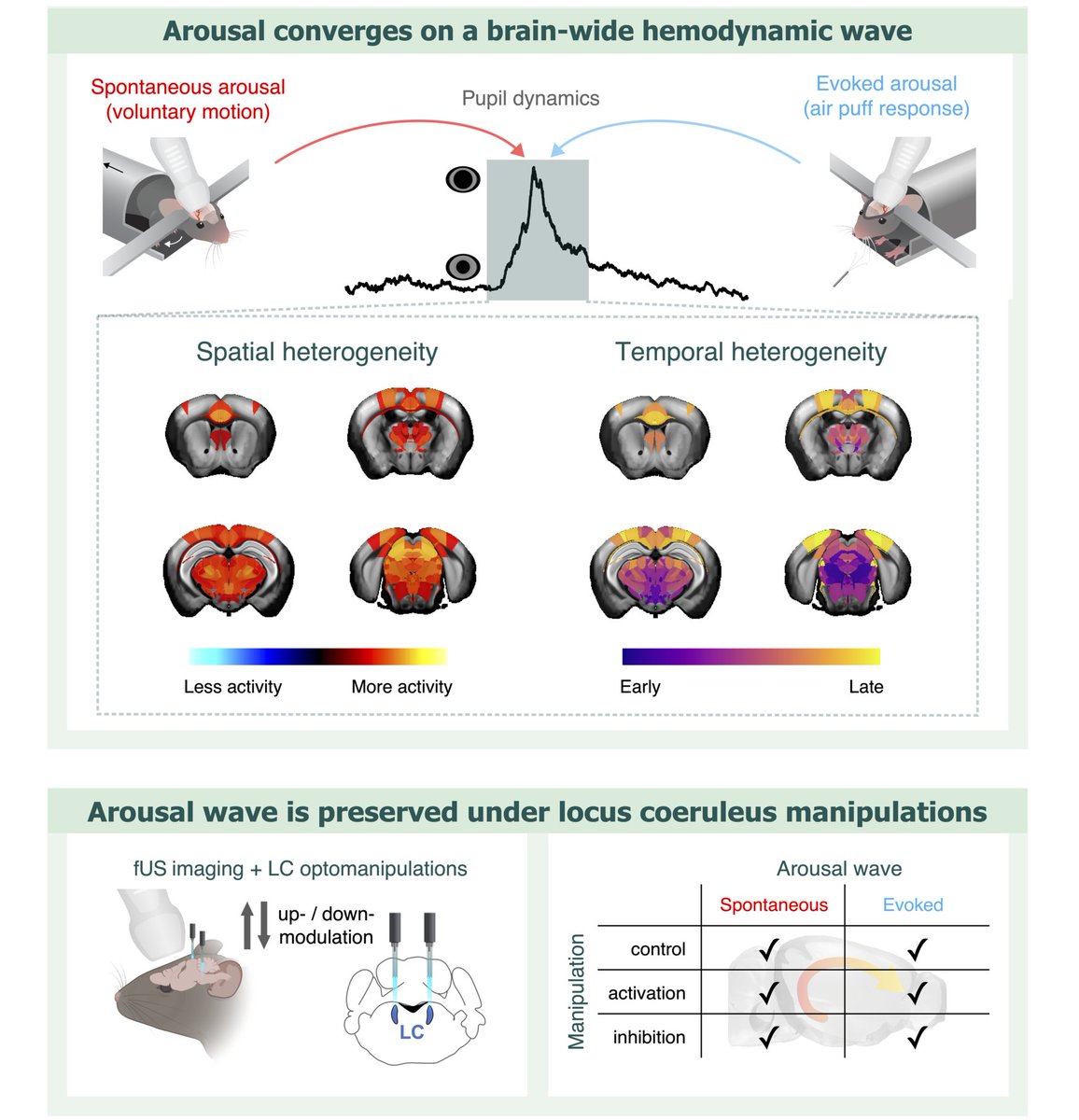
1/8. New preprint!
Using fUSi in head-fixed mice🐭, we found that arousal events trigger a brain-wide wave of activity 🌊🧠.
Surprisingly, this pattern was preserved during manipulations of the locus coeruleus, pointing to a minor role for noradrenaline.
https://t.co/TqB8VgQ4Hp
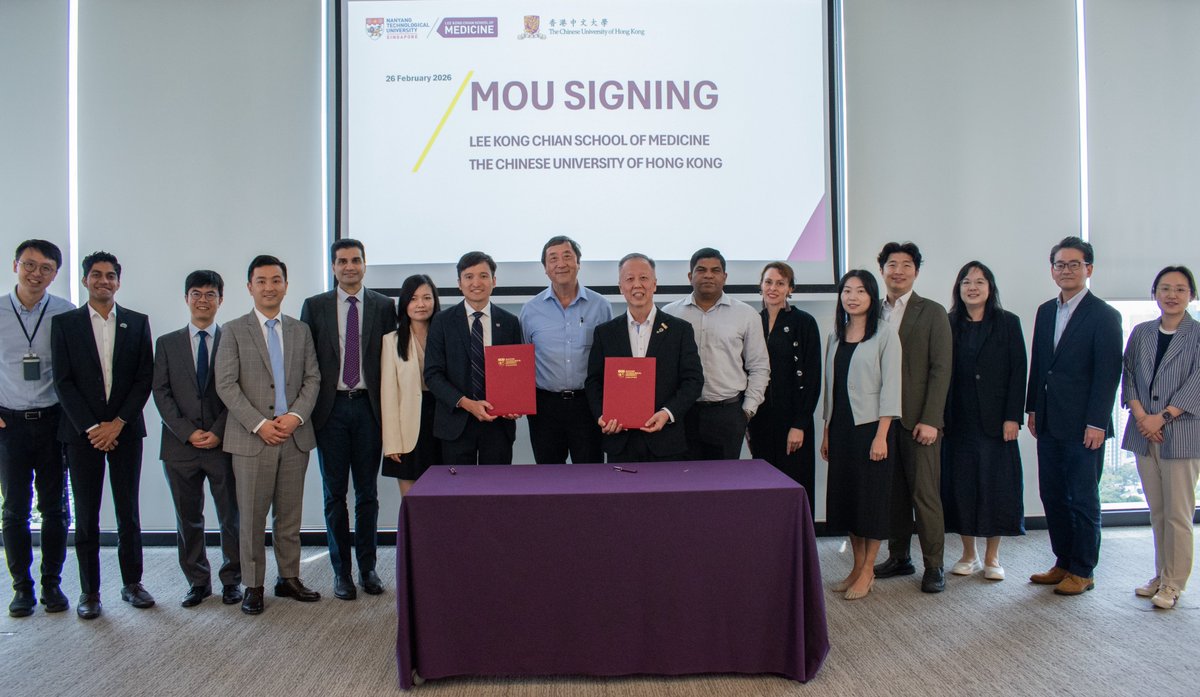
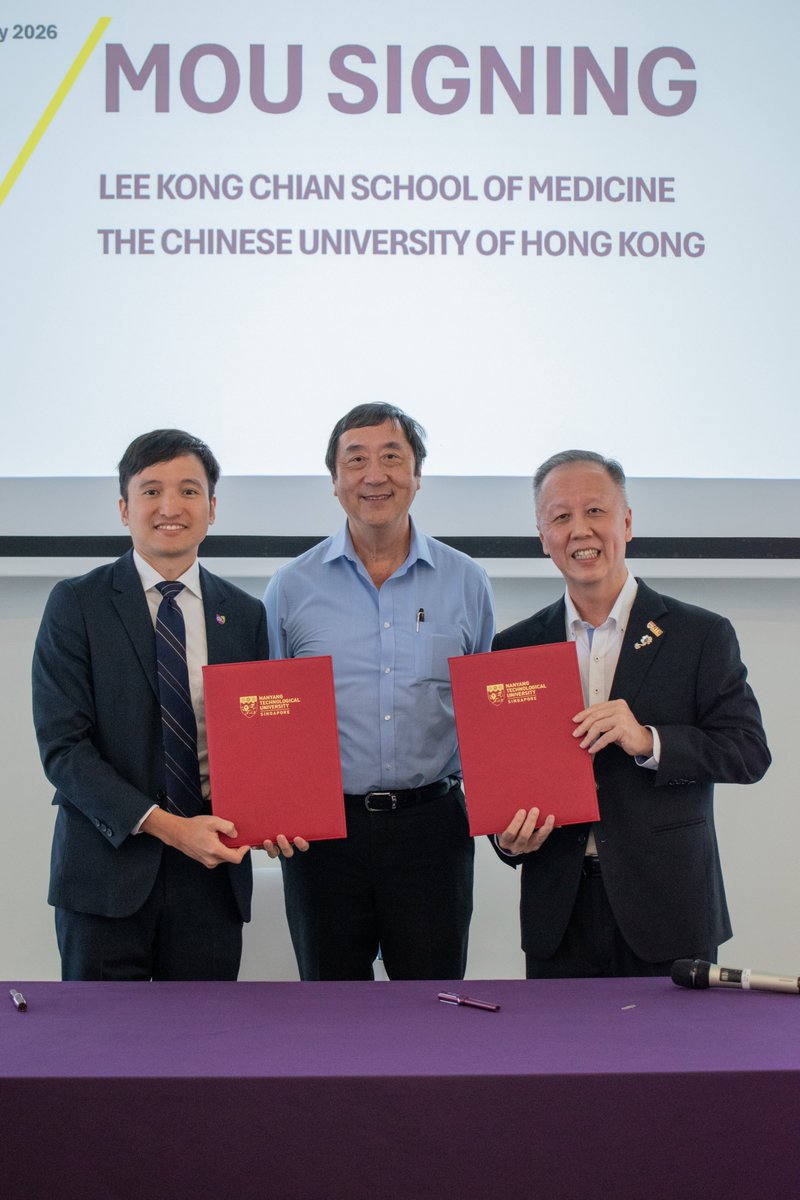
GCNI & LKCMed have signed MOU to strengthen collaboration in neuroscience! Both institutions come together during the LKCMed Neuroscience Partners Symposium on Feb 25-26 to advance brain health and nurture next generation of neuroscientists.
https://t.co/gRkSyjZ0XH
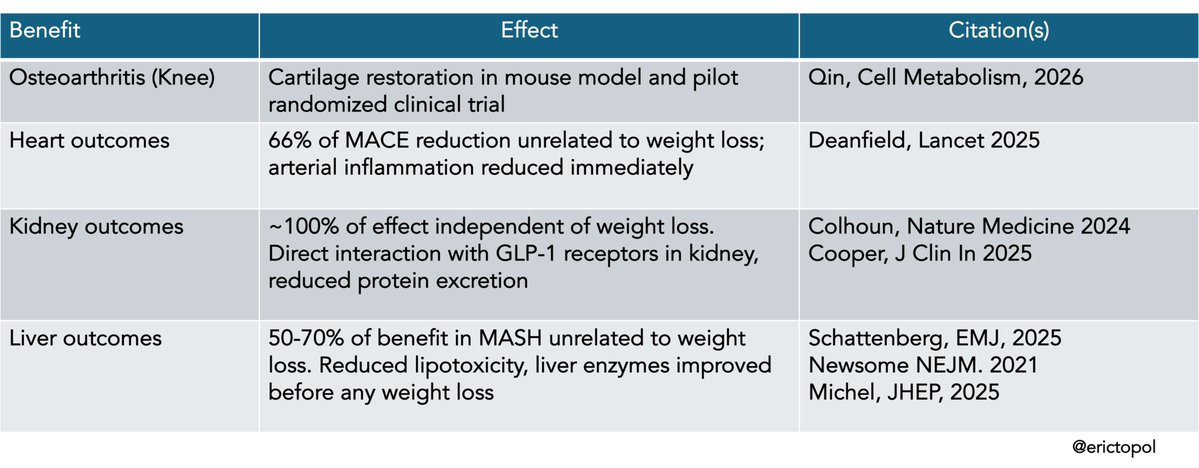
We used to think that the benefit of GLP-1 drugs (like Ozempic) was dependent on weight loss.
Now we know so many health benefits have little to do with that!
Thrilled to share that I’ll be starting my lab in the Kresge Hearing Research Institute @UMichOto in May!
We study how the brain turns gravity signals into stable movement → https://t.co/cFTiiTbjSY (yup, proudly a #zebrafish lab🐟)
If you're interested, get in touch! #newPI
We are delighted to share that Professor Carol Cheung (@CarolCheung1023) , Dr Owen Ko (@shibadaddo) and Professor Vincent Mok (@VincentCTMok) from @CUHKMedicine have recently received the #Best Use of AI Award and the #Smart People (Smart Ageing) Silver Award of #2025 Hong Kong ICT Awards for i-Cog Brain Health, the world’s first #AI-powered #retinal imaging analytic algorithm for screening Alzheimer's dementia and evaluating brain health within a few minutes.
Delighted to share the latest paper from our team in Cell Metabolism (https://t.co/OcX5XWP8q7), which has been selected as the cover article for the upcoming December 2025 issue.
In this study, we demonstrate that GLP-1R agonism (using the drug exenatide) confers body-wide multi-omic age-counteraction that rivals rapamycin, the mTOR inhibitor and benchmark anti-aging drug, in aging/aged male mice. Interestingly, we found that this is largely mediated through the hypothalamus in the brain.
Our journey began eight years ago: Upon extensive literature review and in part inspired by the 2017 EXENATIDE-PD trial paper in Lancet, we first hypothesized that GLP-1RAs might have age-counteracting properties. We provided the first experimental evidence connecting aging and GLP-1 agonism in 2020 [https://t.co/m16JMiX6C7], showing that exenatide treatment can potently counteract mouse brain vascular aging. We then demonstrated that such an effect extends to most gliovascular cell types in a companion paper in 2021 [https://t.co/5UexRIVo6C].
Now, building on our prior works, we are delighted to offer the most direct experimental support to date for the growing discussion that this drug class holds significant anti-aging potential inferred from the expanding list of clinical pleiotropic effects—a topic that was recently raised again by Dr. Lotte Bjerre Knudsen at ARDD 2025 and featured in Nature Biotechnology [https://t.co/lJ4oh6HjR7].
Currently, our clinical team and collaborators are focused on leveraging the anti-aging and anti-neuroinflammatory mechanisms to test GLP-1RAs as treatments for cerebrovascular disorders (https://t.co/o4RfihUtO2: NCT05920889 [will be published very soon], NCT06788626 [getting close to the finish line], and NCT05356104 [will take another two years]).
A huge thank you to our entire team and collaborators, editor and reviewers, and to Dr. Jennifer Ma for the cover art that perfectly captures the spirit of our work [stay tuned!], paying tribute to the scientists who made two remarkable discoveries: namely, the isolation of the first GLP-1RA exenatide from Gila monster venom, and rapamycin from Easter Island soil bacteria. Who would have thought that these two natural substances would converge on age-counteraction, at least in the aging mouse!
The single blood test that "not only indicated
how advanced the disease was but also helped to predict its [Alzheimer's disease] progression."
https://t.co/LLezud728j and more here https://t.co/mq02BanLe2
New preprint + thread 🧵
#Psychedelics induce the formation of new synapses, but where do they connect?
Our rabies tracing study reveals that #psilocybin shifts connectivity across specific cortical networks.
https://t.co/lJgJcaxoxD
1/12
Out now! Our very first paper from the lab, an impressive feat by @tobyandrews
where we show how a developing heart grows and scales up its morphological complexity to keep beating...an excellent summary below ⬇️ https://t.co/9w97Fw1BK6...
New @Nature
The possibility that lithium deficiency is a driver of Alzheimer's disease. Experimental model shows Li depletion impedes amyloid clearance, and repletion in humans could be achieved with low doses
https://t.co/Wki5c8WSR5
After 7 years & a lot of memories, I've finally decided to retire @ZebrafishRock on social media. I really want to say it was always positive but I've had a tumultuous experience w/the account. Those that make the community more toxic continue to be promoted to positions of power
The fact that the world's first installation of the arguably most powerful confocal microscope is taking place in Asia shows that policymakers there have understood how important research is for the health and prosperity of their people.
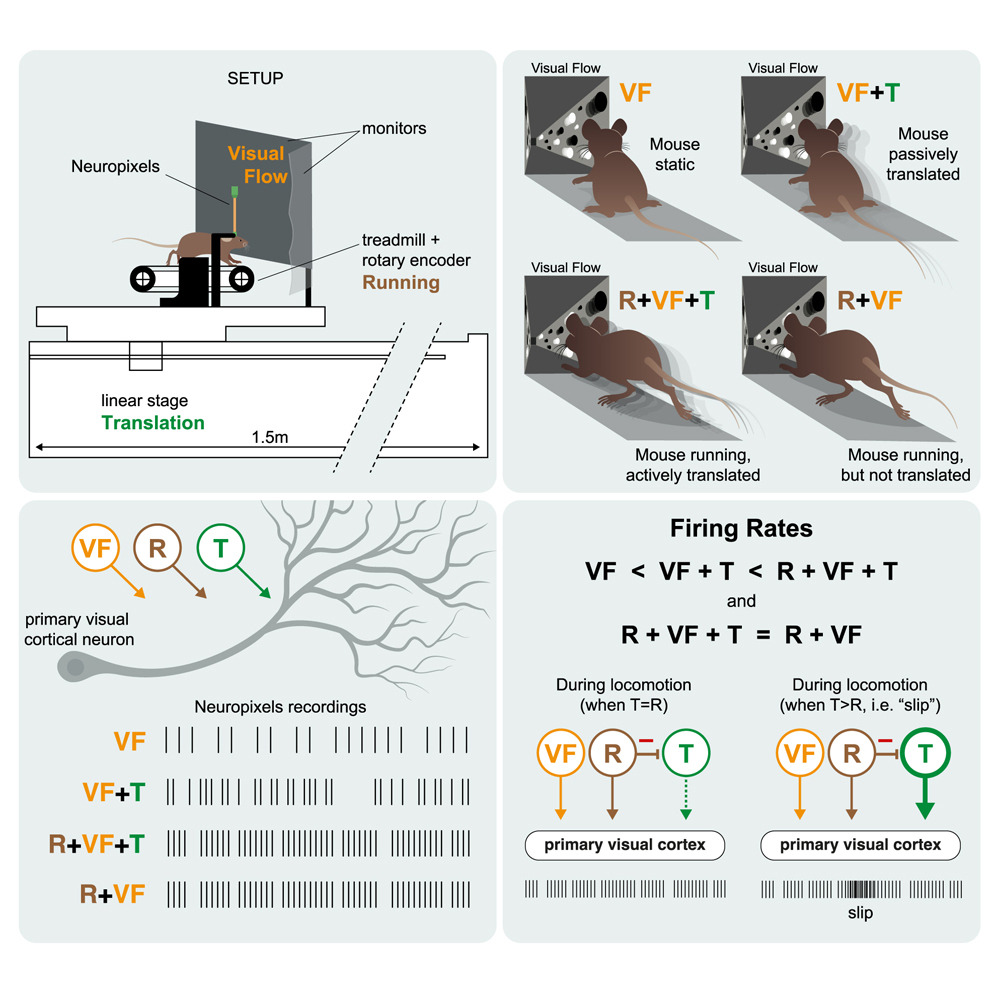
Motor and vestibular signals in the visual cortex permit the separation of self versus externally generated visual motion: https://t.co/vIXMaPh9jO
Cells in the primary visual cortex receive running, translation, and visual motion signals to process visual flow information.
How do animals move in perfect sync without a leader? In the latest Science Sessions episode, we explore how individual decisions shape collective behavior in ants, birds, fish, and more. Listen now: https://t.co/FLsR5wGPAm






![shibadaddo's tweet photo. Delighted to share the latest paper from our team in Cell Metabolism (https://t.co/OcX5XWP8q7), which has been selected as the cover article for the upcoming December 2025 issue.
In this study, we demonstrate that GLP-1R agonism (using the drug exenatide) confers body-wide multi-omic age-counteraction that rivals rapamycin, the mTOR inhibitor and benchmark anti-aging drug, in aging/aged male mice. Interestingly, we found that this is largely mediated through the hypothalamus in the brain.
Our journey began eight years ago: Upon extensive literature review and in part inspired by the 2017 EXENATIDE-PD trial paper in Lancet, we first hypothesized that GLP-1RAs might have age-counteracting properties. We provided the first experimental evidence connecting aging and GLP-1 agonism in 2020 [https://t.co/m16JMiX6C7], showing that exenatide treatment can potently counteract mouse brain vascular aging. We then demonstrated that such an effect extends to most gliovascular cell types in a companion paper in 2021 [https://t.co/5UexRIVo6C].
Now, building on our prior works, we are delighted to offer the most direct experimental support to date for the growing discussion that this drug class holds significant anti-aging potential inferred from the expanding list of clinical pleiotropic effects—a topic that was recently raised again by Dr. Lotte Bjerre Knudsen at ARDD 2025 and featured in Nature Biotechnology [https://t.co/lJ4oh6HjR7].
Currently, our clinical team and collaborators are focused on leveraging the anti-aging and anti-neuroinflammatory mechanisms to test GLP-1RAs as treatments for cerebrovascular disorders (https://t.co/o4RfihUtO2: NCT05920889 [will be published very soon], NCT06788626 [getting close to the finish line], and NCT05356104 [will take another two years]).
A huge thank you to our entire team and collaborators, editor and reviewers, and to Dr. Jennifer Ma for the cover art that perfectly captures the spirit of our work [stay tuned!], paying tribute to the scientists who made two remarkable discoveries: namely, the isolation of the first GLP-1RA exenatide from Gila monster venom, and rapamycin from Easter Island soil bacteria. Who would have thought that these two natural substances would converge on age-counteraction, at least in the aging mouse!](https://pbs.twimg.com/media/G6IARRPaMAAQ0GM.jpg)