Deciphering cellular and molecular mechanisms of synaptic function and impact on neuronal circuit output. Viral vector development and CNS gene therapy.
Delighted to share our new Nature paper: https://t.co/8hS89YrYg5
This works shows a surprising off-target effect of glutamate on another cell death channel, acid sensing ion channels (ASICs). It turns out that glutamate directly binds to ASICs as a positive allosteric modulator
Delighted to share our new Nature paper: https://t.co/8hS89YrYg5
This works shows a surprising off-target effect of glutamate on another cell death channel, acid sensing ion channels (ASICs). It turns out that glutamate directly binds to ASICs as a positive allosteric modulator
So for those of you interested in what it was that I took issue with in Hubermans first cannabis podcast, this is the Coles notes of the errors/inaccuracies that I noted. A lot of this is covered in the new episode, but some wont make it through and for others this is the TLDR
Love cellular and molecular neuro. We are hiring a staff scientist interested in building framework of molecular principles for accurate sound information encoding and contribution to auditory deficits.
https://t.co/QoDSwIFJak
Must have background in patch clamp
DM or email
Big news. We are moving.
I have officially started as the Director of the Gene Therapy Center, and as a Professor of Pediatrics and Professor of Pharmacology at UNC-Chapel Hill. I am returning “home” to lead the Center where I earned my PhD.
Check it out: most beautiful images of vATPase with a surprising partner on live synaptic vesicles from my brilliant colleague John Rubinstein and his team at SickKids Reaearch Institute & University of Toronto!
https://t.co/P8px3efub3
@UIowaACB I will always treasure my time in the Department and at the U. Amazing colleagues and research environment. It is extremely difficult to say goodbye. Once a Hawkeye always a Hawkeye.
Finally, I want to thank Dr. Emre Kul, Uchechi Okorafor @MissSafie and the rest of the team for taking on this immense challenge to solve a fundamental problem in the gene therapy field.
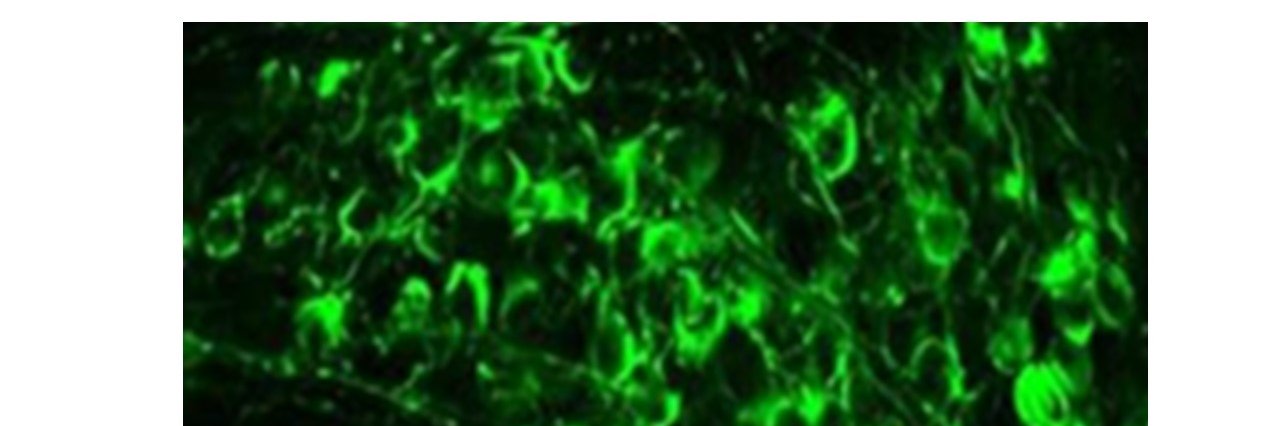
Using a “humanized” hCD46 mouse model, we demonstrate these Ad vectors transduce cerebellar cell-types, including Purkinje cells, that are refractory to Ad5 transduction.
Therefore, to overcome the current limitations of Ad vectors to treat CNS disorders, we created chimeric 1st generation Ad vectors that utilize the hCD46 receptor.
However, these Ad5 vectors are unable to transduce many neuronal cell types that are dysfunctional in many CNS disorders. The human CD46 (hCD46) receptor is widely expressed throughout the human CNS and is the primary attachment receptor for many Ad serotypes.
Adenoviral vectors (Ad) have tremendous potential for CNS gene therapy approaches. Currently, the most common vectors utilize the Group C Ad5 serotype capsid proteins, which rely on the Coxsackievirus-Adenovirus receptor (CAR) to infect cells.
Viral vector gene therapy has immense promise for treating central nervous system (CNS) disorders. Although adeno-associated virus vectors (AAV) have had success, their small packaging capacity limit their utility to treat the root cause of many CNS disorders.