Jamie Dimon, the CEO of JPMorgan, admitted one phone call could fake $100 million of revenue. sitting right next to him, Warren Buffett said he could fake any number to eight decimals.
in the clip below the two tell CNBC's Becky Quick how a CEO can bend a quarter. it is the first TV interview the two of them have ever done together.
Buffett says he has sat on 20 boards of public companies, not counting Berkshire. he has watched managers he likes get tempted by their own forecasts.
"i'd be glad if they married my daughter or were named as executors of my will"
then the ego gets involved, he says. when they find they can't hit the numbers, some of them make numbers up.
Becky asks Dimon how he would do it at JPMorgan. he says one phone call and a few swaps put $100 million into revenue.
"believe me, you can report any number you want in an insurance company for a while"
so is quarterly guidance an honest forecast - or the easiest number in finance to fake?
in the US not a single founder or investor has ever judged me by my background or my last name, literally the only thing anyone cares about here is your ability to execute
meanwhile in France, whether under the socialists or Macron, people constantly size you up based on your social background, your name and where you come from …which is honestly why europe's deeptech ecosystem is complete dogshit
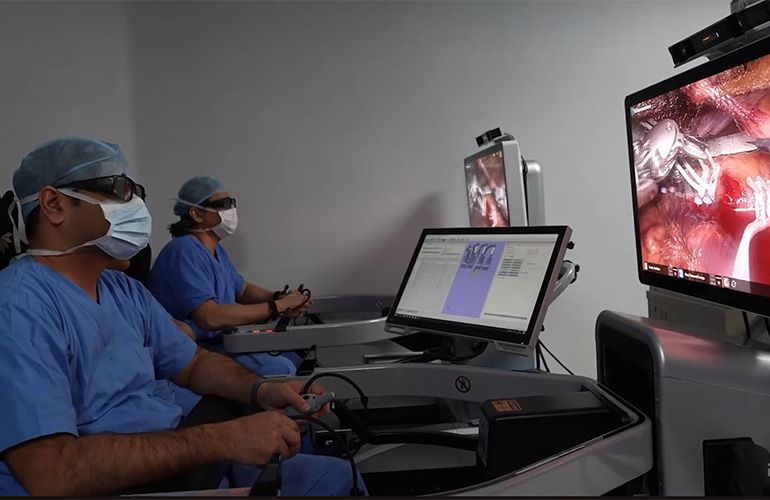
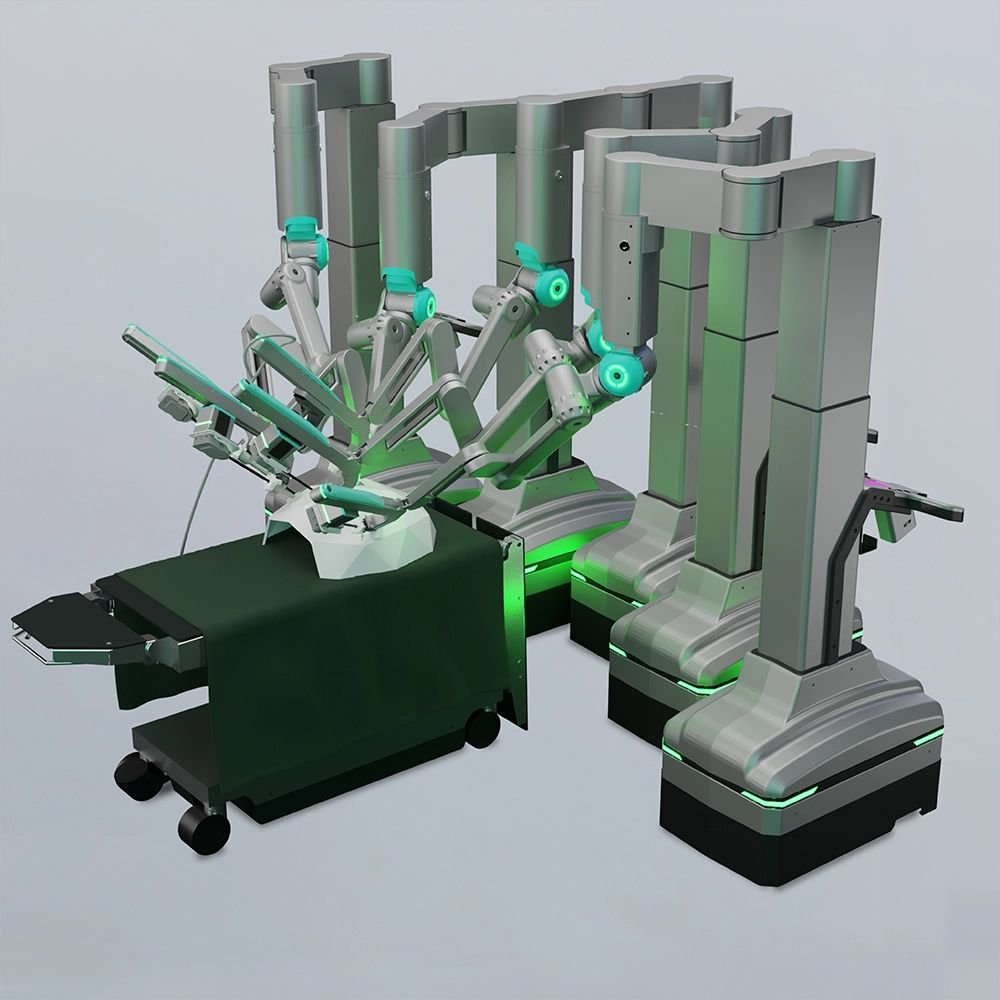
In Gurugram, 2 surgeons did a heart bypass without opening the chest / stopping the heart: 5 robotic arms, 2 consoles, a world 1st. The robot was Indian, SSi Mantra.
Why is this so quiet?
2 surgeons, Dr. Nitin Kumar Rajput of Medanta Hospital, Gurugram and Dr. Lalit Malik of Manipal Hospital, Jaipur, performed a heart bypass on a beating heart.
In such procedures, called TECAB, the bypass is done entirely through small ports with robotic arms. This time, all 5 arms of the robot worked together, driven by the 2 surgeons from 2 separate consoles, in complete sync. A stabiliser held just the target spot steady while the rest of the heart pumped on.
This is the world's 1st dual-console, beating-heart TECAB. The patient's recovery is encouraging.
And the robot was not imported. It was the SSi Mantra, built in India by SS Innovations, a company founded by cardiac surgeon Dr. Sudhir Srivastava, who guided the team.
Robotic surgery is costly mostly because the robots are. SS Innovations says it exists to change exactly that, to make world class robotic surgery affordable and accessible.
The announcement is the company's, dated 19 November. A journal publication is yet to come.
Names to remember: Dr. Rajput, Dr. Malik and Dr. Srivastava. 🙏🙏
Sources: SS Innovations, MassDevice, Mint
Photo 1: Drs. Nitin Kumar Rajput and Lalit Malik performing a beating-heart TECAB procedure with the SSi Mantra. Credit: SS Innovations via MassDevice.
Photo 2: The 5 arm SSi Mantra cart, official render from SS Innovations.
@HamadAlMajidi Thank you so much for talking about this. I am too scared to voice all the worries I’ve been facing since they took over the mgmt. No one responds. I have been suffering through allergies from black mould in the common areas, leaky flooding ceilings for 12 years. 😞
Great episode, @tracyalloway@TheStalwart
Thanks especially for asking why the Chinese Stock Market doesn’t seem to make returns for its investors.
https://t.co/eE0kpRIZjv
O gráfico do Financial Times mostra os países ricos sufocados pelo gasto com idosos, mas esconde o principal: eles estão quebrando porque insistiram no modelo errado de previdência.
Quando colocamos Brasil, Suécia, Austrália, Holanda e Chile na mesma mesa (como lembrou o @SchumpExplains), o jogo muda completamente.
Para quem não é da área, a diferença é simples:
1. Repartição (Brasil, França, EUA, Japão) = Caixa d'água sem reserva
O dinheiro descontado do seu salário hoje não é guardado: vai direto pagar quem já parou. Quando havia 8 jovens para cada idoso, funcionava.
Hoje, com famílias menores e gente vivendo até os 90 anos, a conta estoura. O governo só tem duas saídas: aumentar impostos ou cortar investimentos (obras, hospitais, escolas).
• França e Itália já gastam 13,7% a 16% do PIB só com pensões públicas.
• O Brasil, ainda demograficamente jovem comparado à Europa, já gasta quase 12% do PIB — um padrão de país rico envelhecido que trava nosso crescimento.
2. Capitalização (Austrália, Chile, Holanda) = Cofre individual
O dinheiro vai para uma conta no seu nome, é investido na economia e rende juros compostos por décadas. Na aposentadoria, você saca o seu próprio patrimônio, não o imposto do jovem que acabou de entrar no mercado.
• Austrália: Acumulou poupança privada acima de 130% do PIB, tirou Nota A no Global Pension Index 2026 e mantém o gasto público com aposentadorias abaixo de 4% do PIB.
• Holanda e Dinamarca (1º e 2º lugares no mundo em 2026): Combinam um piso básico estatal com fundos capitalizados que somam 150,9% do PIB (Holanda) e 198% do PIB (Dinamarca). Como os idosos vivem do retorno desses ativos, o orçamento do governo fica livre para investir.
• Chile: Derrubou o gasto público previdenciário para menos de 4% do PIB com a capitalização e criou um mercado de capitais forte, reforçando recentemente um piso solidário (PGU) para os mais pobres sem destruir a poupança individual.
3. Modelo Híbrido com trava automática (Suécia)
Nos anos 1990, a Suécia viu que ia quebrar e reformou tudo. Misturou capitalização financeira com uma trava matemática: se a população envelhece ou a economia desacelera, o reajuste das pensões freia sozinho para nunca gerar rombo no Tesouro. Segundo a OCDE, é um dos raríssimos países ricos onde o gasto público com aposentadorias vai cair até 2050.
Conclusão:
O problema que trava o Brasil e a Europa não é "cobrar pouco imposto". É matemática demográfica.
Na repartição, o envelhecimento vira um buraco negro fiscal. Na capitalização e nos modelos híbridos bem desenhados, cada geração financia a si mesma e deixa o Estado livre para investir no futuro.
Fontes: OCDE (Pensions at a Glance 2025 / Pension Markets in Focus 2025), Marsh & CFA Institute (Global Pension Index 2026) e Tesouro Nacional.
Those who allow for & those who take excessive leverage in the market are as horrid as those who smoke in public.
Both cause undue misery and harm to innocent people.
Hence both should be banned. Gamble in casinos & smoke in your own toilets at 🏠 like the filthy habit it is
@KrysiaJ@2point6design I have not used a duvet all year. This is certainly the hottest “winter” we have e had.
Apparently El Niño means we won’t have a proper winter this season. 😭
💯 this.
Additions just because you have my number gives you ZERO permission to call or text me.
How’d you like it if I kept showing up at your home cis I know where you live?
If I allow an app notifications, i have done so, so you can notify me when something is being delivered. I have not granted notification access for your shite spamming advertising. Just, NO!
عبدالله الشامسي يلتقي ماريا باز العاملة المنزلية التي حولت شغفها بالحلويات إلى مشروع ناجح يضم 10 مخابز في الإمارات، واليوم تفوز بجائزة الإمارات للريادة في سوق العمل التي تكرم المتميزين في القطاع الخاص
#الإمارات_اليوم
Lyon just opened a block of flats that doesn't need heating or air con
It's called "22-26", after the temperature it's meant to stay at all year. The Austrian architects behind it have already built these in Switzerland and Germany, but this is the first one in France
> walls 61 cm (2 ft) thick, twice the French average
> hollow terracotta brick that soaks up heat and lets it out slowly
> deep window recesses that shade the windows from direct sun
> little flaps by the windows that open and close on their own
> and the heating is you: bodies, cooking, showers, the fridge
It basically works like a thermos
Every flat still has backup heaters just in case, and on the worst days of a long heatwave it can still reach 28°C (82°F) inside, when it can be 40°C (104°F) outside
Over 5,700 people in France died from the heat in summer 2025, most of them over 75. So buildings like this are potentially a good answer to surviving European summers, now that heatwaves are becoming the norm