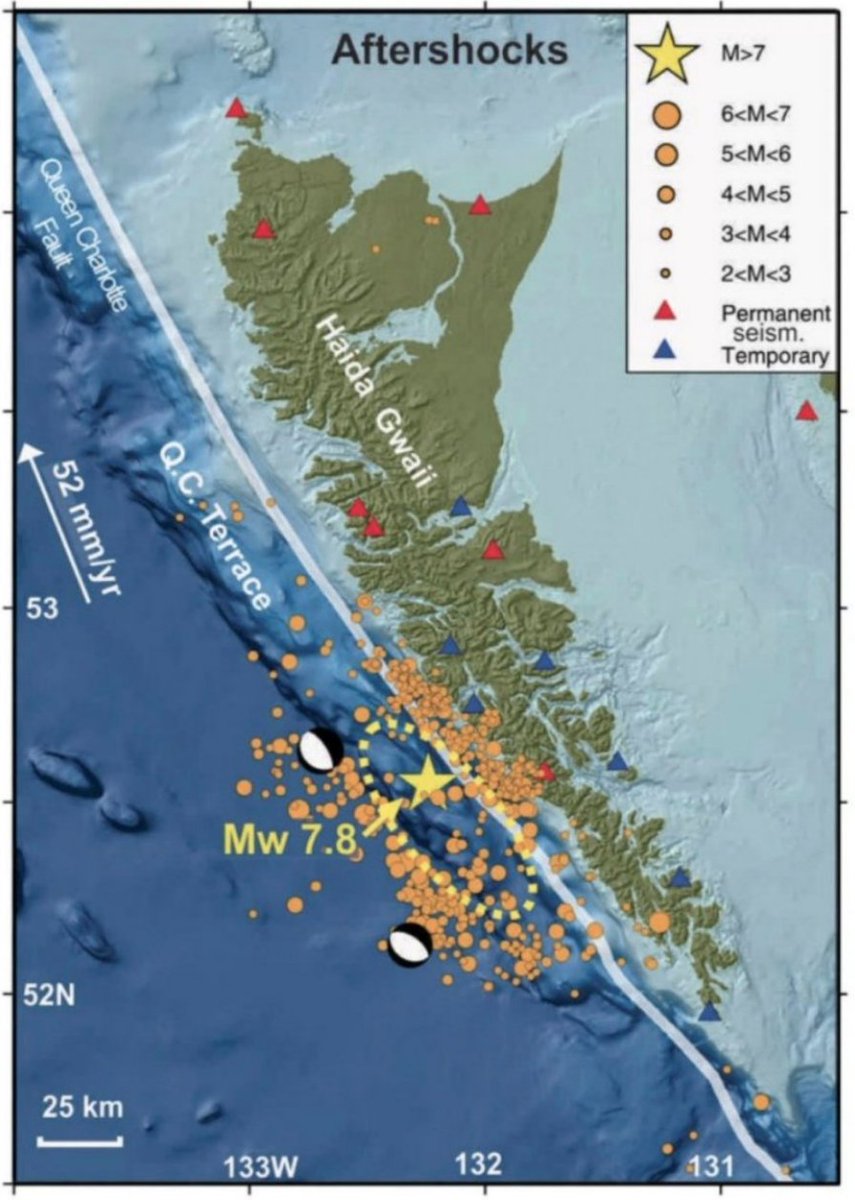
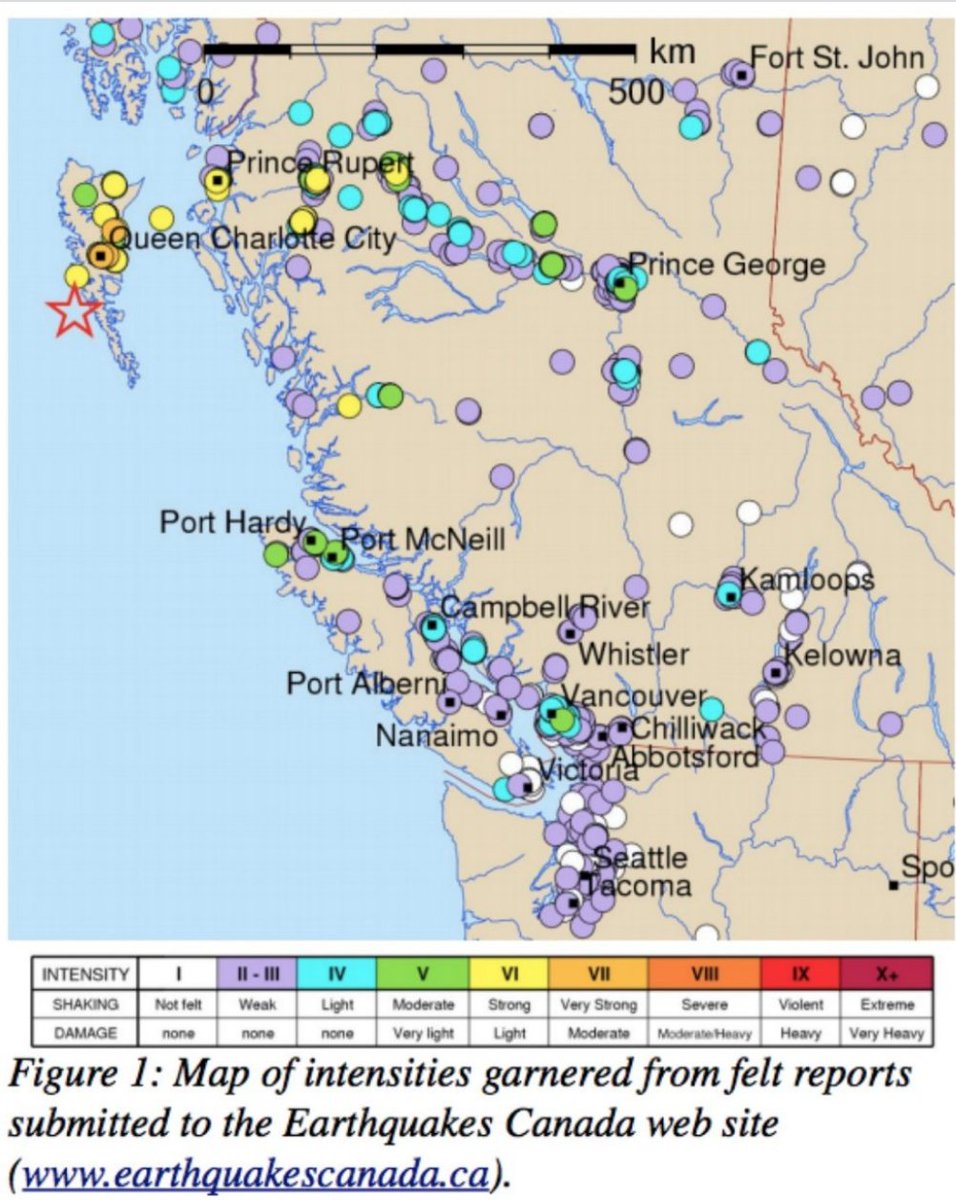
11 years ago today (at 8:04 p.m.) a M7.8 earthquake rocked #HaidaGwaii. This offshore #earthquake was felt to more than 1000 km distance, caused strong shaking, landslides, a tsunami and was followed by 1000's of aftershocks. https://t.co/2VejOpAuY2
@schaefferaj @THobbsGeo Here we can see the flashing light that’s connected to the GPS beacon. During instrument recovery, when the seismometer floats to the surface, the beacon will communicate via satellite and allow GPS tracking of the floating seismometer that’s ready to be fished out of the water.
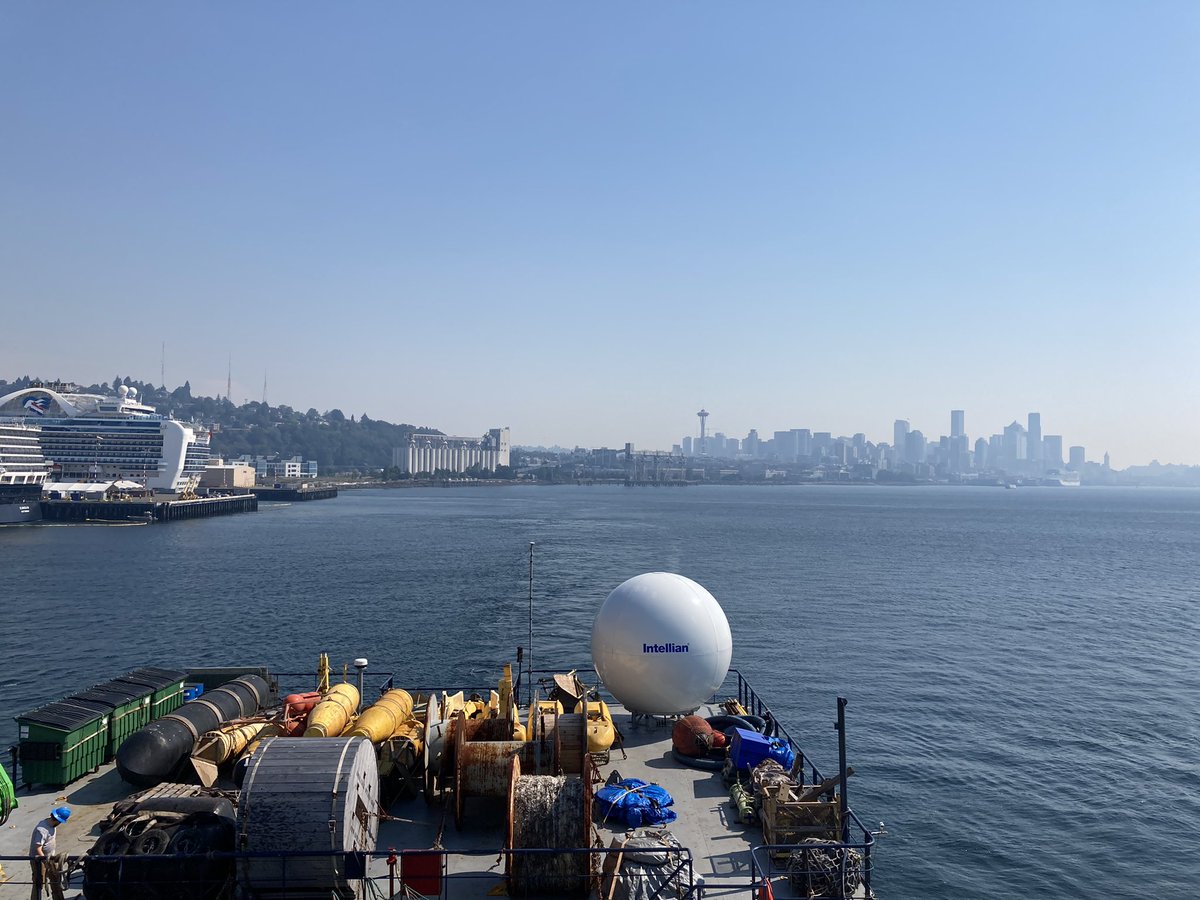
We’re on the CCGS Tully sailing along the western coast of Canada, deploying seismometers, mapping, coring, grabbing mud from the seafloor to learn more about underwater faults, landslides, and the general hazards in the area! @GSC_CGC @UBCeoas@UVicSEOS@DalScience@WCdaGeosci
Beautiful day out on the Queen Charlotte Sound and this was the 6th seismometer of the day! We drop the seismometer and down it goes to the bottom of the sea where it will sit on the seafloor, recording vibrations and earthquakes until we summon it back up next year.
First two of the Canadian NFSI OBS being deployed off Canada's west coast, to better understand earthquake hazard throughout the region. Great start to the 5-year @GSC_CGC @UBCeoas@UVicSEOS and @dalhousie NFSI collaboration!
First XBT (Expendable Bathythermograph) launch of this cruise! The probe is dropped to the ocean and measures temp and depth as it falls down the water column
Yesterday we boarded the R/V Langseth in Seattle. We are sailing towards Alaska where we will be retrieving seismometers from the ocean floor. It’s my first research cruise and I am pumped! Also worried about getting seasick.
#EarthquakeReport for M7.1 #Lindol#Earthquake in the #Philippines
Shaking reported up to MMI 9!
This has potential to be quite devastating
See more abt regional tectonics here
https://t.co/kZy1TFpDgN
USGS page here
https://t.co/GI4mzfeu0Y
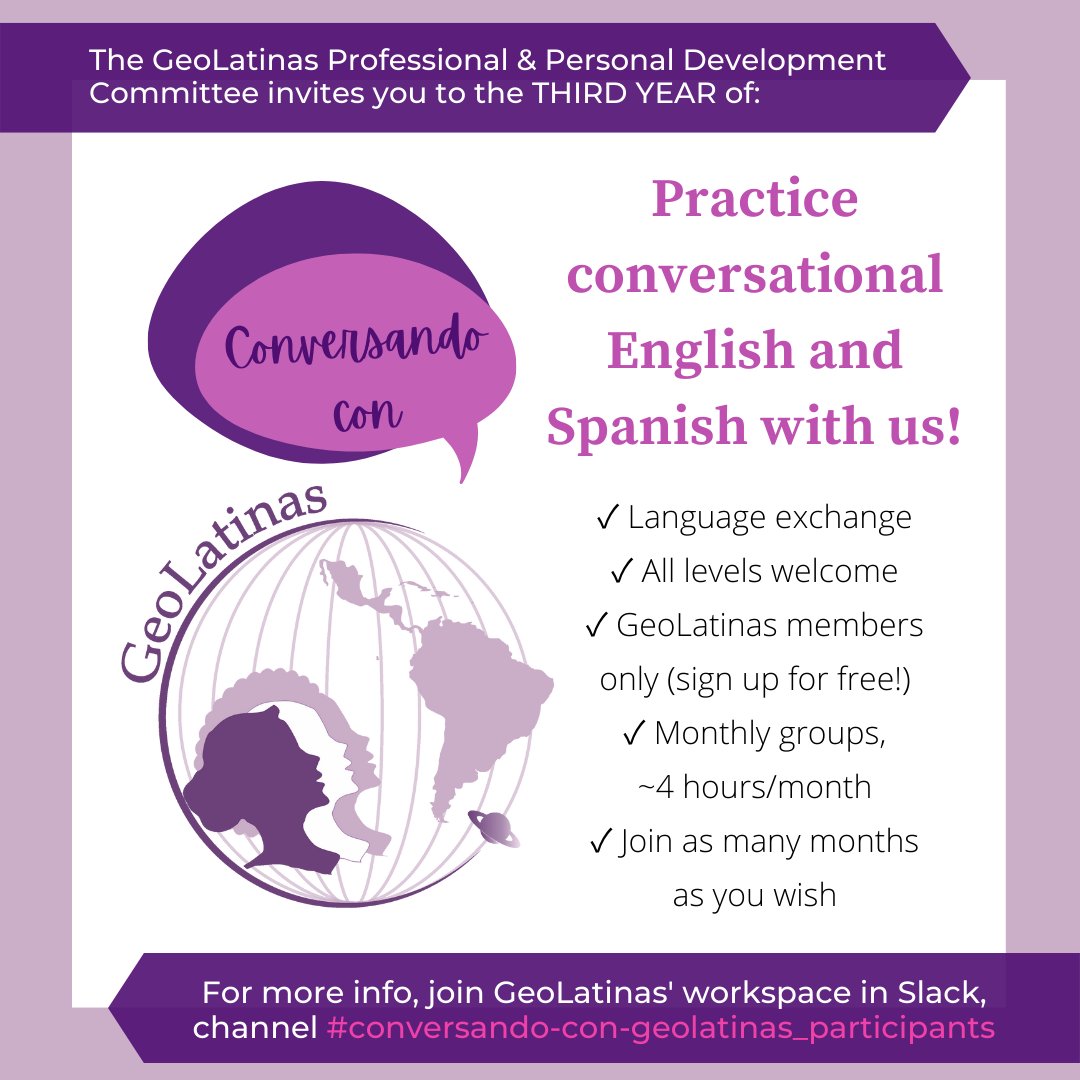
Do you want to practice conversational Spanish & English with us? The GeoLatinas Professional and Personal Development Committee invites you to participate in “Conversando con GeoLatinas”, a language-exchange initiative for Spanish & English @ all levels (1/2)👇🏽👇🏾👇🏿👇🏻👇🏽
Do you want to practice conversational Spanish & English with us? The GeoLatinas Professional and Personal Development Committee invites you to participate in “Conversando con GeoLatinas”, a language-exchange initiative for Spanish & English @ all levels (1/2)👇🏽👇🏾👇🏿👇🏻👇🏽
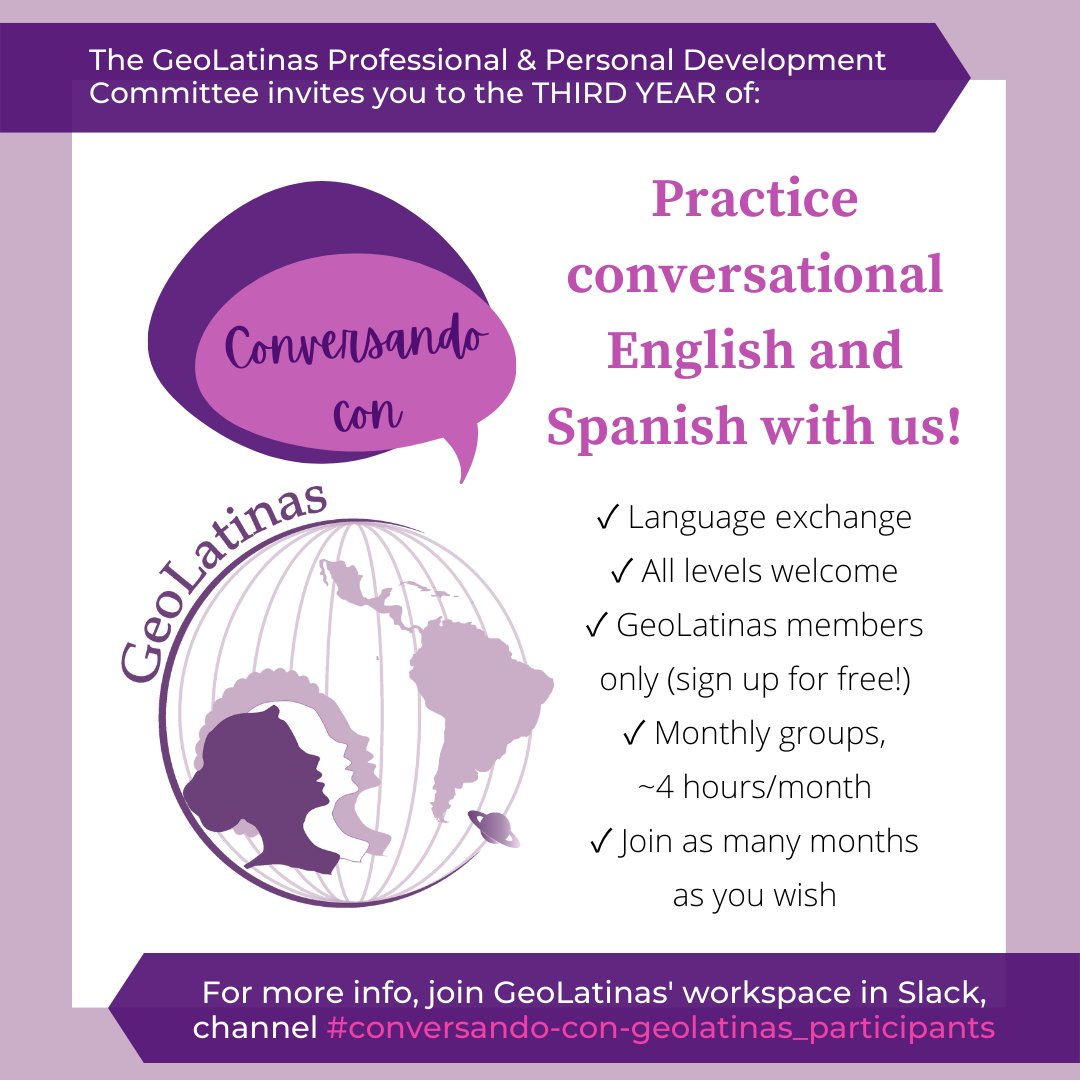
📢Do you want to practice conversational Spanish & English with us? The GeoLatinas Professional and Personal Development Committee invites you to participate in "Conversando con GeoLatinas", a language-barter initiative for Spanish & English @ all levels 🥳🤩👇🏽(1/2)
A year ago, a non-academic friend listened to a talk I gave. I thought it went great. My friend disagreed.
She said that academics are experts at making interesting stuff boring—and that we should all take a speech class.
So I did. And here are 6 most useful things I learned.
Sarah Jaye Oliva is a talented young researcher, one of the best students I have ever had at the ICTP Earth System Physics course. She just published this paper https://t.co/vK0D2I0FSj (free download link) on the state of stress of rifts.