1. Mounting political risk in #SriLanka stems from compounding effects of demand-side and supply-side economic shocks. With global miscalculations on monetary policy and Ukraine-Russia war, SL caught in a perfect storm. Then what of exports and tourism? #lka
Storms across Thailand, Indonesia, Malaysia, and Sri Lanka have devastated communities. At Apple, we’re thinking of everyone affected, and will be donating to relief and building efforts on the ground.
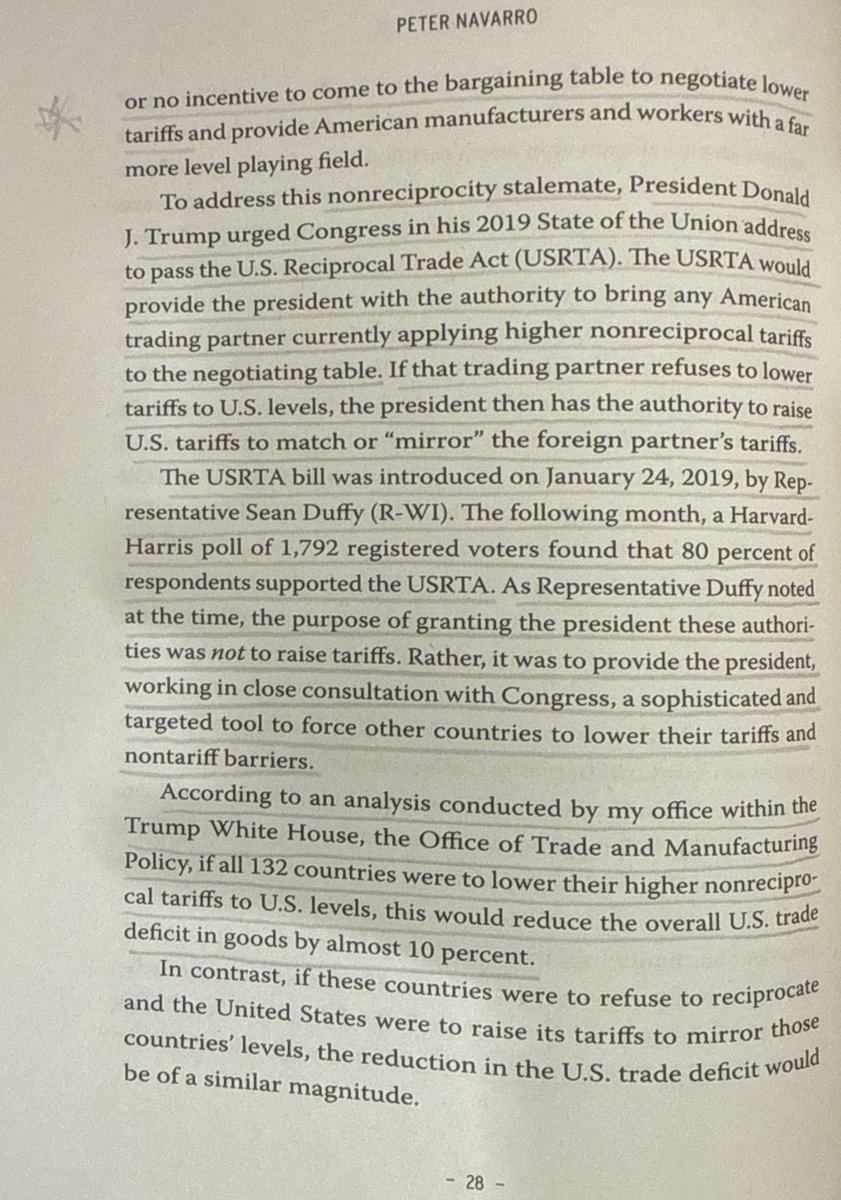
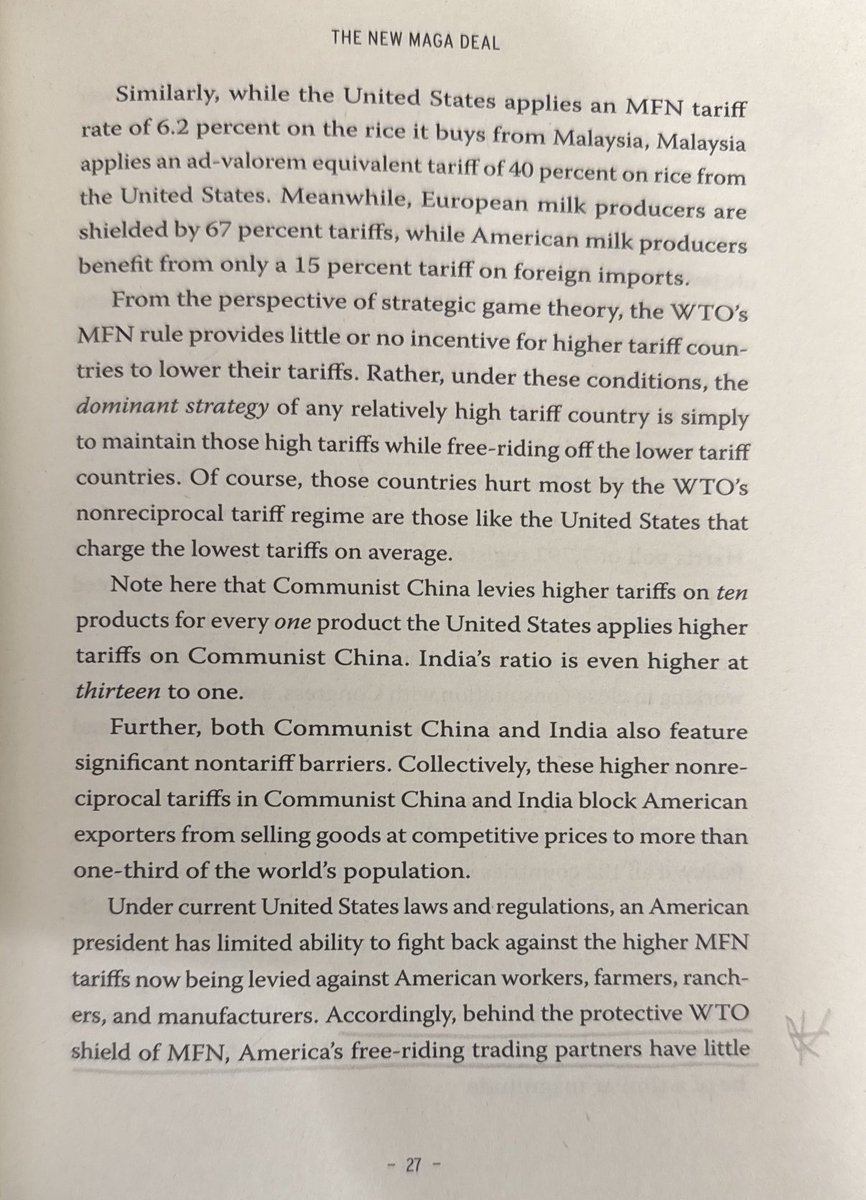
Analysis conducted by Navarro’s office in the Trump White House (first term) indicated that “if all 132 countries were to lower their higher nonreciprocal tariffs, to US levels, this would reduce the overall US trade deficit in goods by almost 10 percent.” While ideological compunctions including restoring manufacturing and rewiring the trade system may well underpin the tariffs too, Navarro’s account
and reasoning certainly suggest that negotiation tactics are at play. #trade #TrumpTariffs #SriLanka #lka
This is what Peter Navarro said last year on the Trump policy agenda (see images). Trump urged Congress to pass the US Reciprocal Trade Act in 2019. Polling indicated the bill had support from 80% of a sample size of 1,792 registered voters. #trade#TrumpTariffs#SriLanka#lka
Hulangamuwa says no COI, Man Partner @EYnews & his role as chief econ advisor to GOSL. He says had (insider) info on all matters in @IMFNews negotiation & has full access to data/strategy. If EY was a 🍎 juice company it’s ok but he himself says it is largest fin advisory in #lka
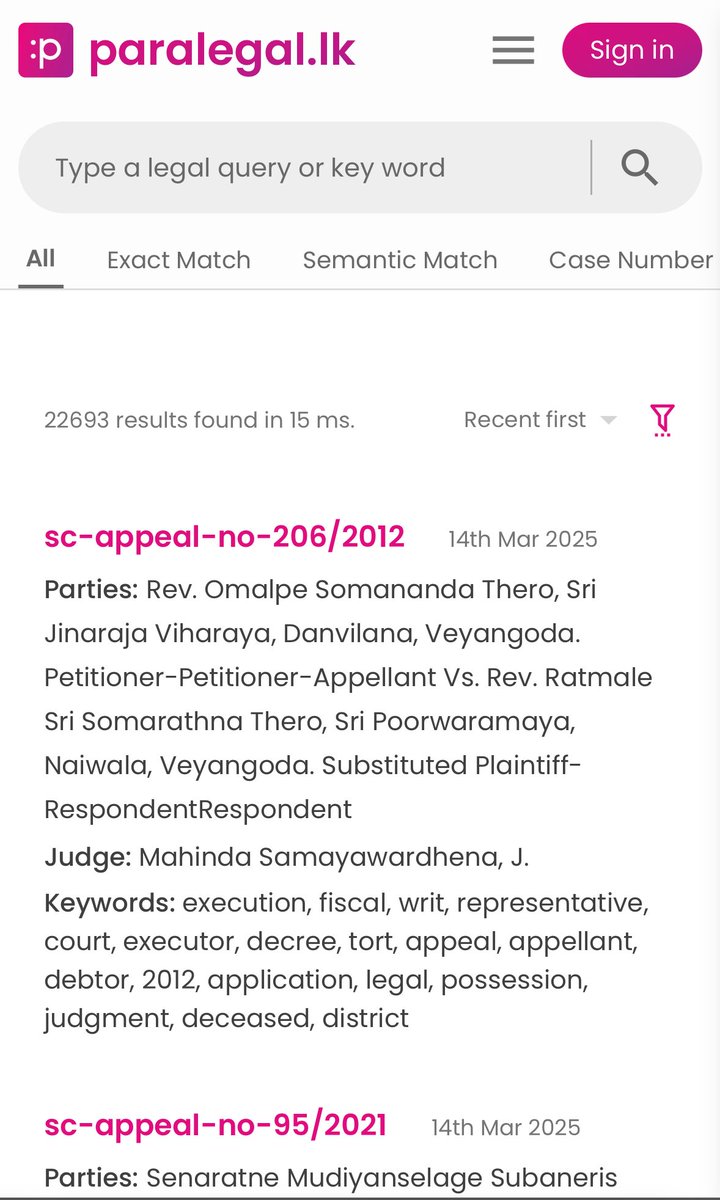
I built @ParalegalLK - a search engine for Sri Lankan law. It has been live for the past 6 months and indexes ~23,000 Sri Lankan appellate court decisions as of now going all the way back to 1870s.
Search is free.
The utter and persistent tone-deaf nature of appointments from this political camp, even as popular expression at elections was very loud rejection of politicians of Ravi K's calibre, requires a study of itself.
Sulochana, I wasn’t implying that it was a magic bullet. I was merely drawing a distinction between “system change” and “people change.” There’s no argument that attitudes and culture must change. But none of this will complete the process without constitutional change too. Replacing individuals and governing within the same system - that by definition cannot be “system change.” There are lessons worth learning from history. The system is rotten. Replacing individuals alone is insufficient. Reform is needed. Not just quick fixes. The proper type of reforms will be key to building a stronger and more resilient Sri Lanka.
This isn’t yet “system change.” It’s “people change.” “System change” needs constitutional reform. Else you merely replace the players within the same system. That’s why constitutional reform must and will happen. That’s also why the type of reforms will determine the outcomes. So there are two important aspects here. Managing the economy through choppy waters, and progressive constitutional reforms - which means managing internal politics/ideological conflicts too. Fixing the over-powerful executive presidency/abolishing it, tossing out arbitrary ministerial powers, maintaining healthy checks and balances, and fixing the public service are among a host of things that need examining. There’s an opportunity here for proper reforms. How history is written from this point on is to be seen.
“System change” can only truly be brought about through constitutional reforms, as I’m sure you would appreciate, Indi. Electing a bunch of people is not “system change.” But electing a bunch of people that would action “system change” - that’s different. A two-thirds majority was requested during the campaign for the purpose of effecting constitutional reforms. Why else would the NPP have campaigned on that basis? This isn’t yet “system change.” But it’s a start. The proof would be in the pudding. Hence the importance of following the process to understand trajectories of reforms.
@sarindaperera And these constitutional reforms must include provisions for functional empowerment of all provinces , specially North and East , so that this festering issue is settled for once and for all
The trajectory of SOE reform will be another factor quite dependent on internal ideological and power dynamics. Some of these factors will impact the government’s revenue position and the crucial Debt-to-GDP ratio. The two-thirds favours the President, lending to consolidate his legitimacy both internally and externally. But much could still depend on negotiation and compromise in the backroom politics that determines policy outcomes.
The presidential and parliamentary elections 2024 have together produced a tectonic shift in Sri Lankan politics, nothing less. The ‘aragalaya’ demanded system change. True system change and its nature will be determined by the type of constitutional reforms the NPP pushes through parliament. The design/content/mechanics of these reforms in turn will be dependent on the extent to which President Dissanayake can
marshal his rank and file favour of chosen proposals. The NPP is not a monolith. It is left-populist, but hard-core ideologies may have their own ideas on how reform should take place. Determining outcomes is contingent on understanding the extent to which power groups within the NPP may align or compete. The two-thirds majority favours the President. But internal dynamics must be understood to understand trajectories. There’s a case here not just for managing the economy, but also for the importance of constitutional reform design, and for the outcome of backroom politics. This is usually what determines outcomes. This is the process that drives policy and legislation proposals towards adoption and action. There’s a real chance for system change. But the type of change will be influenced by these factors.
Not doubting that there’s a plan. I was drawing attention to the complexity of the NPP and the JVP metamorphosis. Arguably, it’s still in a state of flux. Past metamorphosis has produced churn within it. The NPP - even the JVP for that matter - isn’t a monolith. These processes are rarely smooth, to which history attests. When thinking of reform agendas and the process towards adoption, it has a lot to do with reform outcomes. It would be remiss to ignore this.
The presidential and parliamentary elections 2024 have together produced a tectonic shift in Sri Lankan politics, nothing less. The ‘aragalaya’ demanded system change. True system change and its nature will be determined by the type of constitutional reforms the NPP pushes through parliament. The design/content/mechanics of these reforms in turn will be dependent on the extent to which President Dissanayake can
marshal his rank and file favour of chosen proposals. The NPP is not a monolith. It is left-populist, but hard-core ideologies may have their own ideas on how reform should take place. Determining outcomes is contingent on understanding the extent to which power groups within the NPP may align or compete. The two-thirds majority favours the President. But internal dynamics must be understood to understand trajectories. There’s a case here not just for managing the economy, but also for the importance of constitutional reform design, and for the outcome of backroom politics. This is usually what determines outcomes. This is the process that drives policy and legislation proposals towards adoption and action. There’s a real chance for system change. But the type of change will be influenced by these factors.
@DeRosairo Absolutely. Which is why it’s important to follow the process and for good expertise to guide it. Also why it’s vital the voting public doesn’t take their foot off the gas in the false belief that this is the finish line. It isn’t.