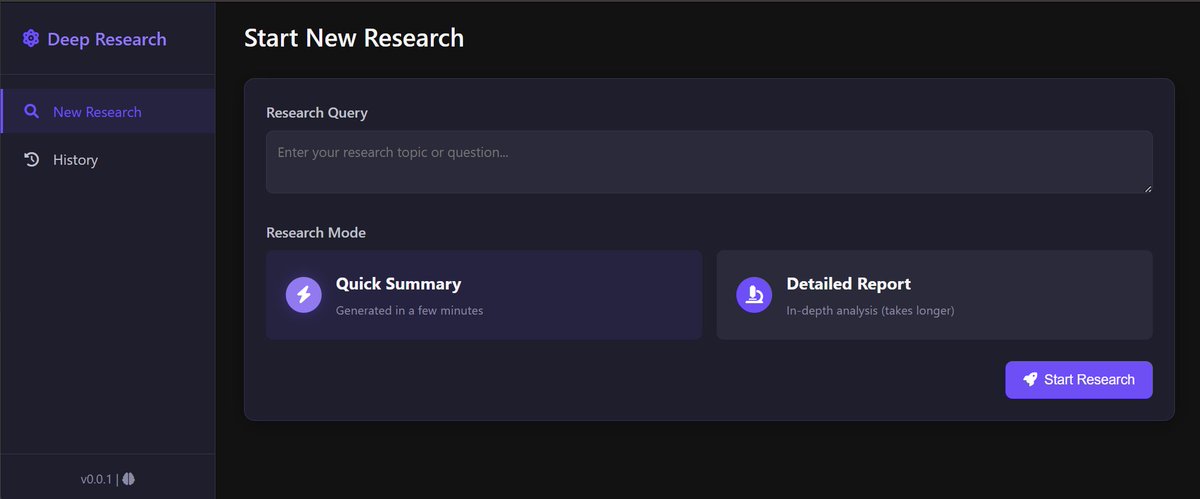
Proud to be part of this! We built RawMatAssist, an AI assistant that makes it easy to extract critical mineral data from USGS PDFs using RAG and LLMs. Want the HHI of Niobium in 2020? Just ask! 🧠📊
Try the tool👉 https://t.co/1fPQfKq4DF
Read the paper 👉https://t.co/nFvIwYcz9R
I first cut my teeth on quantitative materials criticality research back in 2012 as a postdoc @UCSB . We dug through PDF after PDF in the @USGS Mineral Commodity Summaries in a painstaking process of extracting reserve and production values for minerals on a country-by-country, year-by-year basis. The information in these documents is extremely high value, but they change each year and PDFs are not easily machine-readable making information extraction a human-intensive effort.
Enter the power of AI and LLMs! We built a RAG tool to allow users to simply query a chatbot and get high-quality responses linked to actual documents. The result is easier interaction with actionable materials criticality information than ever! Want to know the HHI of production of Niobium in 2020? Just ask! The RawMatAssist can whip it up in a jiffy! Check it out at https://t.co/LwsMYWlRjQ and huge props to my amazing students @truptimohanty30 , @sayeedh34 at @utahmse
🔍📚 Local Deep Research
An AI research assistant that runs locally, leveraging multiple LLMs for deep analysis across academic and web sources. Built with LangChain, it features RAG-powered search and flexible model support.
Explore this powerful research tool on GitHub 🚀
https://t.co/4OM9UyX6Fu
📢 Just published! Our latest research showcases a semi-automated approach for annotating texts with Google's Gemini Pro for materials data extraction. This could drastically cut down the human effort needed for labeling. Explore our findings: https://t.co/gSKUIK0nMa
We all know that materials data is out there, but the question is what type of data? in what format? how complete? and what fraction of it is in text versus table versus figure? We answer these questions in our latest paper out today in @Matter_CP https://t.co/ex1wRUByU5
Our preprint is live! Excited to share insights on data distribution in scientific literature. Explore how data resides in text, tables, and figures. Your thoughts are welcome! #MaterialsScience#DataExploration
@ Wade @SterlingBaird1@taylordsparks
Link: https://t.co/NSeVdsPpOL
DiSCoVeR is a useful tool for prioritizing novel chemical compositions in machine learning workflows. @ColtonSeegmill1 @SterlingBaird1 and @sayeedh34 recently used this tool to explore new high Tc superconductivity candidates. Out now @COMMATElsevier1
https://t.co/WT4ajqUO5g
@ChristophVoelk2 @taylordsparks You might be interested in a review paper we put together that looks at computationally and experimentally validated predictions https://t.co/tGwaHllo2U. Written ~2 years ago, and eventually going as a chapter into Inorganic Chemistry III.
If you are a developer, introduce yourself below 👇.
Here we have an awesome community of people building the technology that will power the world for the next decade, so say hi and make friends!
If you've got a Facebook account, and even if you don't, the company is going to collect data about you. Here's what you can do:
https://t.co/xxKOYB8FTm
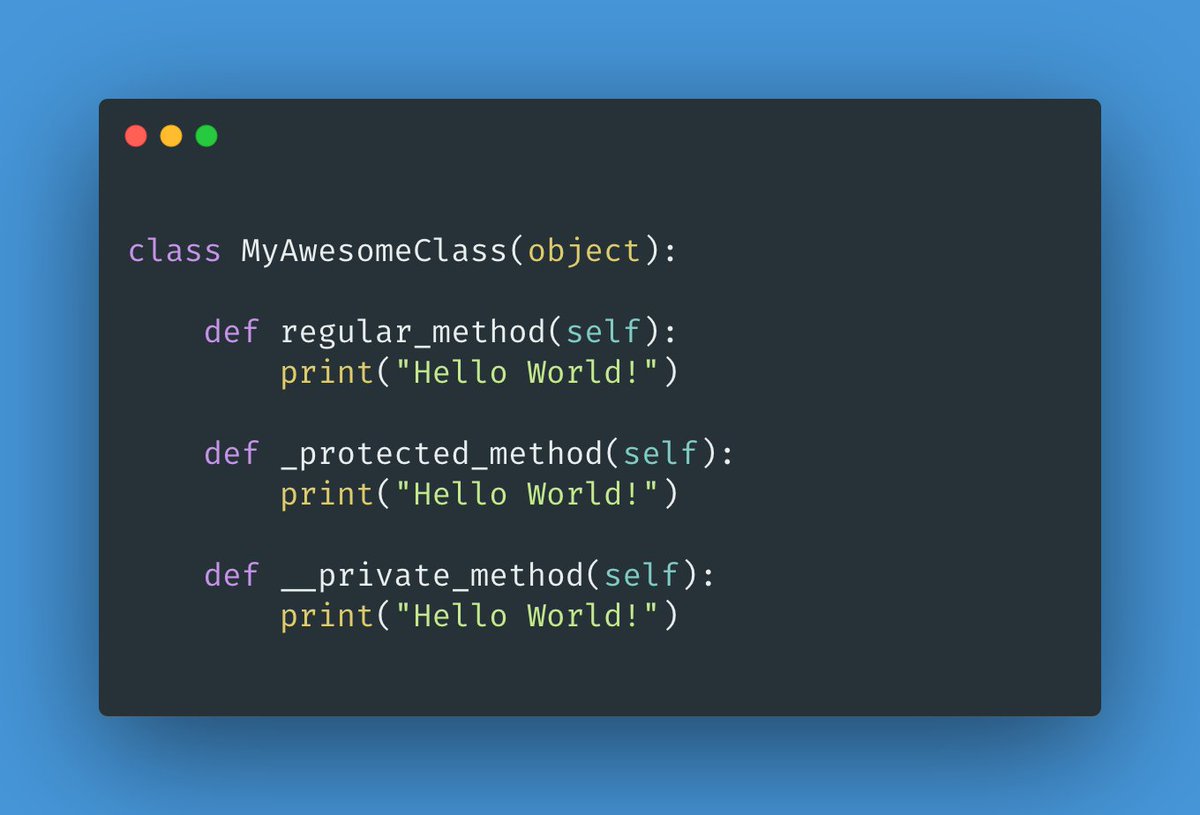
Python 🐍 Tip
Four naming conventions to remember:
1. Classes should use CapitalName format
2. Use lowercase_underscore format for functions, variables, and attributes
3. Use _leading format for protected attributes
4. Use __double_leading format for private attributes
@usembassydhaka@ECAatState We request you to consider resuming visa appointments in this international education week for new F1 students. Thousands of students are waiting for an F1 visa and are on the verge of losing their admissions.
Via @TEDx: Science is about exploration, curiosity and discovering the unknown. It's not about whether you're "bad" or "good" at it: https://t.co/8UGQg3WhPi