1/ Thrilled to share our new paper, out today in @ScienceMagazine! We built a pan-cancer spatial atlas of tertiary lymphoid structures (TLSs) and developed computation and AI frameworks to study TLS biology at scale.
https://t.co/zgcBnnm7Rl
Recent findings published in Nature show an experimental CAR T-cell therapy shrank tumors in children and young adults with aggressive diffuse midline gliomas — a cancer with historically few treatment options.
More: https://t.co/PKZUe2PJja
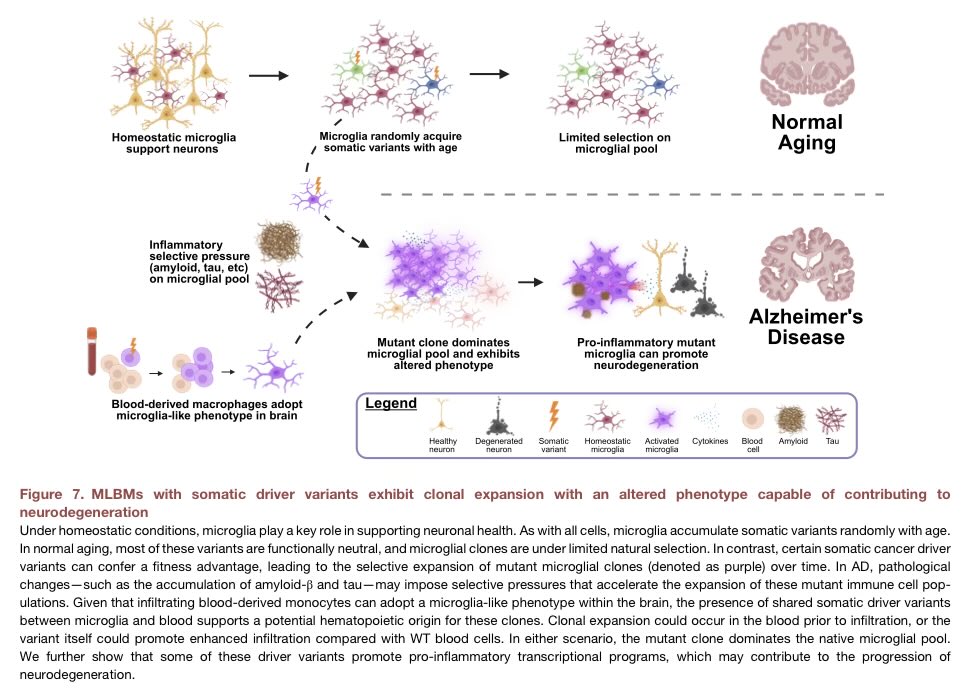
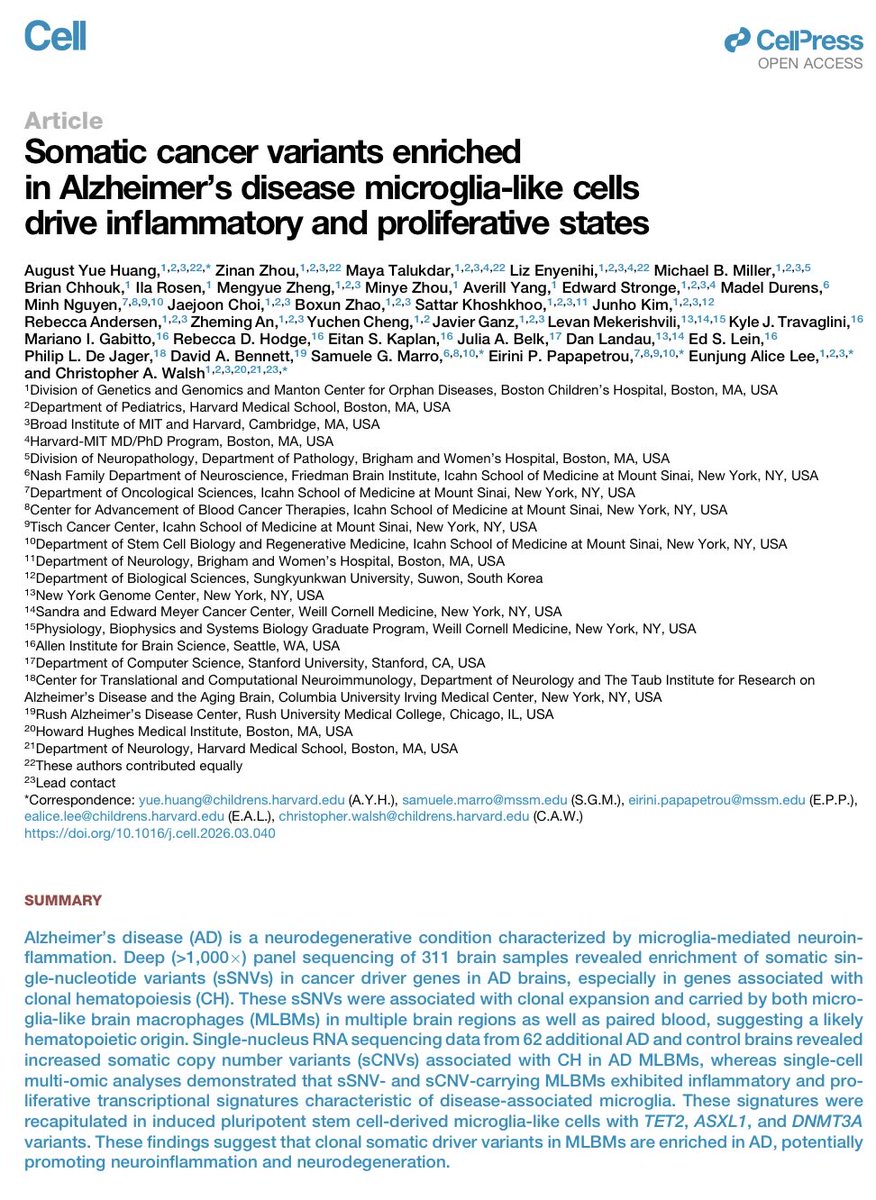
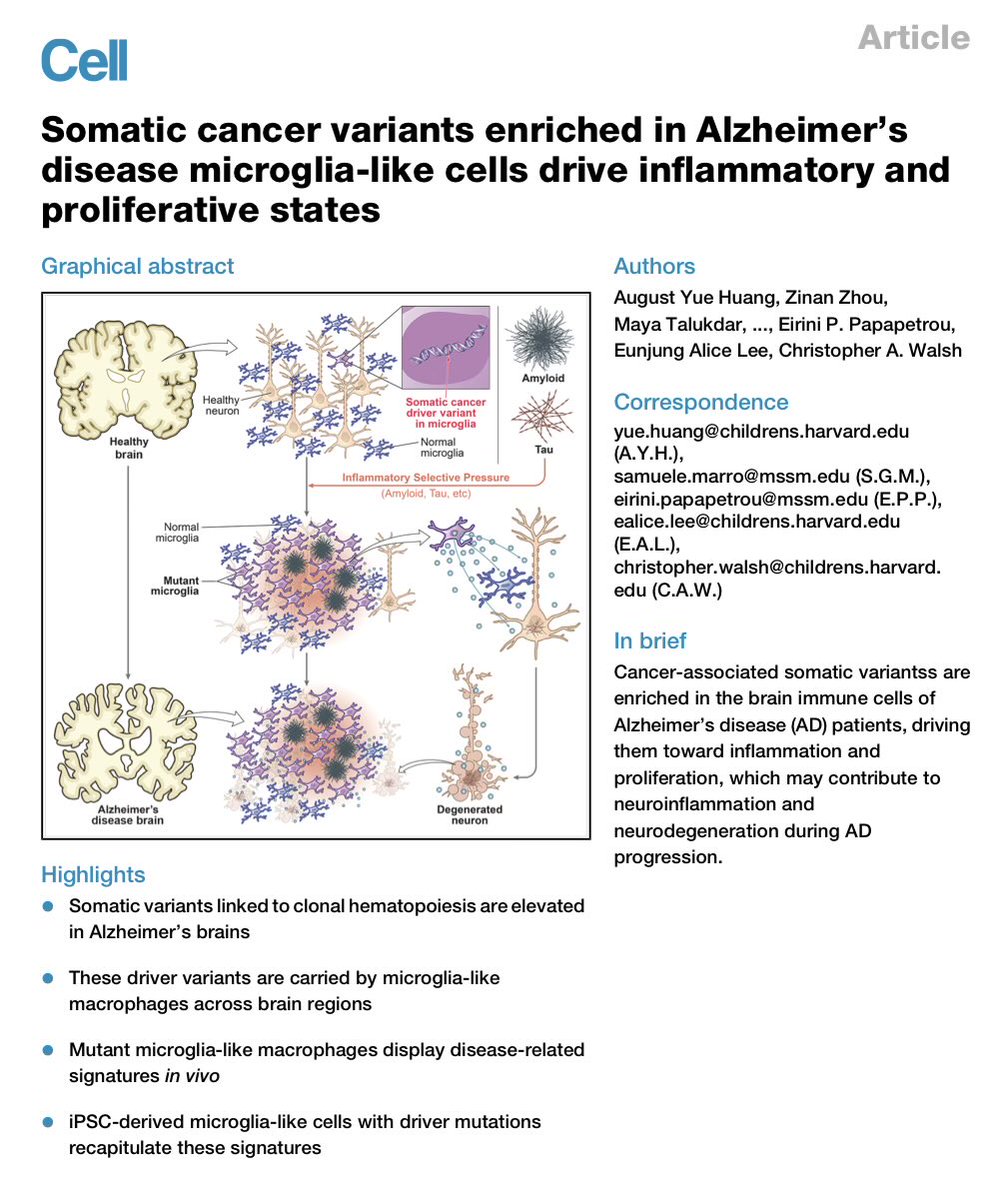
ICYMI: An @NIH-funded study showed that cancer mutations in immune cells of the brain, called microglia, help drive #AlzheimersDisease (AD). The findings suggest that anti-cancer drugs could potentially be repurposed to treat AD. https://t.co/7FbnxOY8Rx
🧬Can chemotherapy response in aggressive breast cancer be predicted from the tumor “ecosystem”?
New @Nature study shows that single-cell RNAseq and spatial transcriptomics can predict response to chemotherapy in triple-negative breast cancer (model reaching AUC = 0.84).
Triple-negative breast cancer is an aggressive breast cancer subtype lacking estrogen, progesterone, and HER2 receptors, which limits targeted treatment options and keeps chemotherapy central.
Tumors that responded better to chemotherapy more often showed:
- Interferon signaling in cancer cells — a sign of immune alert.
- Higher HLA class II expression — potentially making tumor cells more visible to the immune system.
- More actively dividing cells, especially in S phase, which chemotherapy can hit more effectively.
Triple-negative breast cancer is not one disease, but a set of distinct cellular ecosystems. And the structure of that ecosystem may help predict whether chemotherapy will work.
https://t.co/O6eKE1BUrl
#Cancet #SpatialTranscriptomics #RNAseq #SingleCell
Excited to present the first pre-print from our group, an investigation the human bone marrow microenvironments in patients with myelodysplastic syndromes (MDS) and normal age-matched subjects using Xenium genotype-informed spatial transcriptomics:
https://t.co/5fS09Yl38G
Review series on clonal hematopoiesis: beyond blood cancers.
Could clonal hematopoiesis (CH) influence the risk and progression of non-hematologic cancers? This review explores emerging links between CH and tumor biology.
https://t.co/HNewbPt8xS
Personalized neoantigen vaccines vs cancer: we've seen benefits for pancreatic, renal and melanoma. Today initial, encouraging results vs glioblastoma in 9 patients with this deadly brain cancer @NatureCancer
https://t.co/ACdCjiXnjJ
🚨 Out today in Cell! @CellCellPress
Path2Space: #AI that predicts spatial transcriptomics (ST) from H&E pathology, enabling spatial biomarker discovery in #BreastCancer at scale.
📄 https://t.co/GtrmH9zIDs
🧵1/8
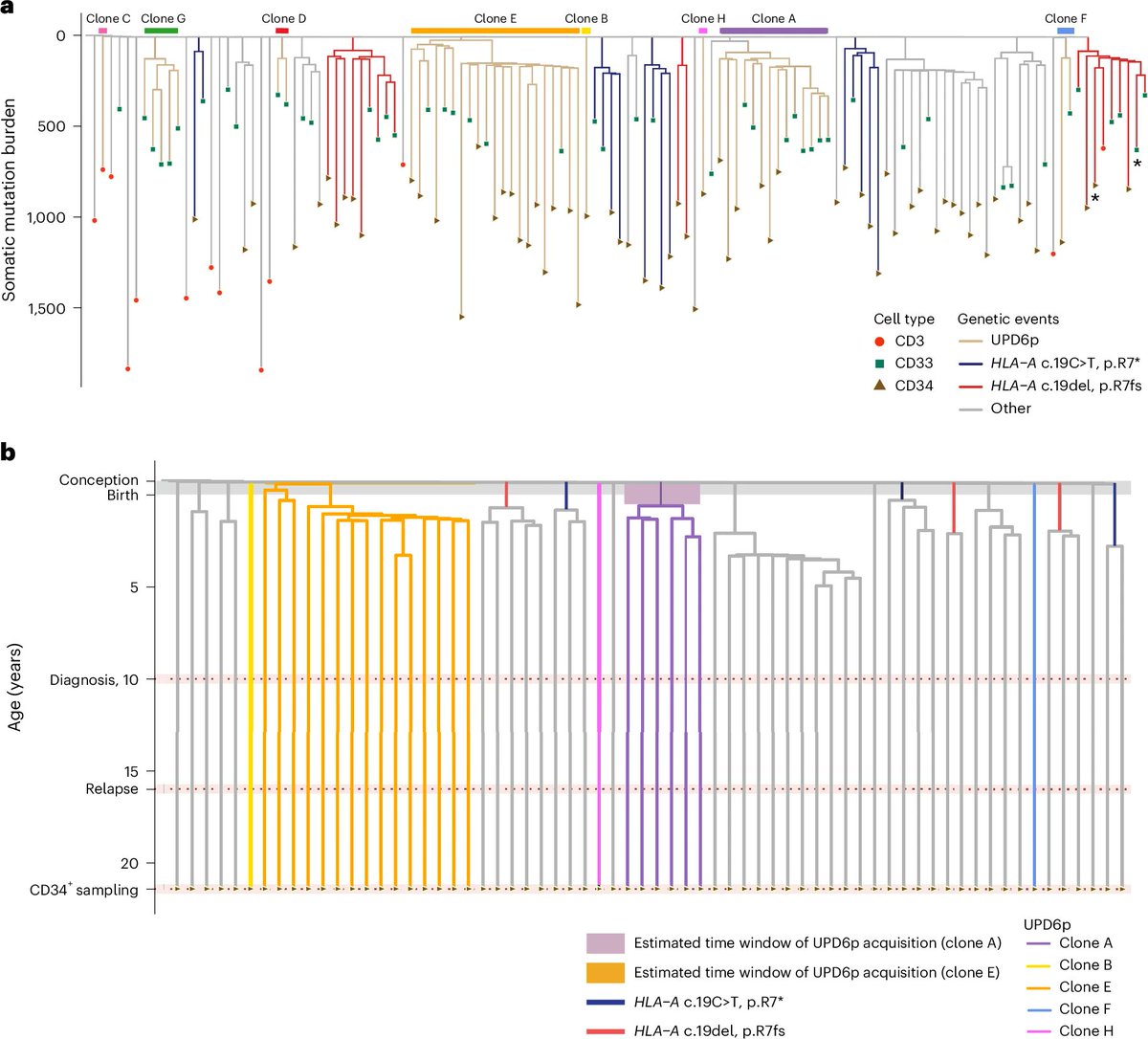
Another beautiful work on #CH in aplastic anemia from our colleague @marrowgenes is now available in @NatureGenet. Single-cell mapping of clonal hematopoiesis shows the striking heterogeneity of clonal events in AA, with 6pUPD being acquired at birth. https://t.co/7UeFLv3ycu
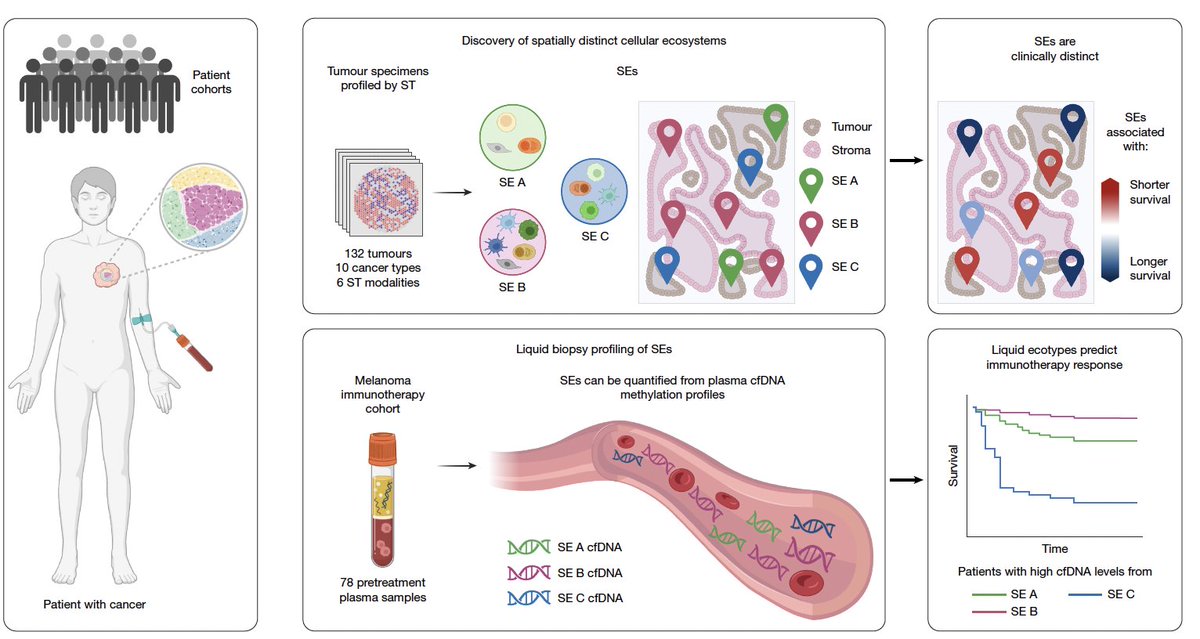
We've known how important the tumor microenvironment is for cancer progression and treatment, but we never had a non-invasive blood test to assess it. Today, as reported @nature, one has been discovered https://t.co/rDaF5YUwTq
🚨 New in Sci Transl Med! https://t.co/ky3tgJE44E
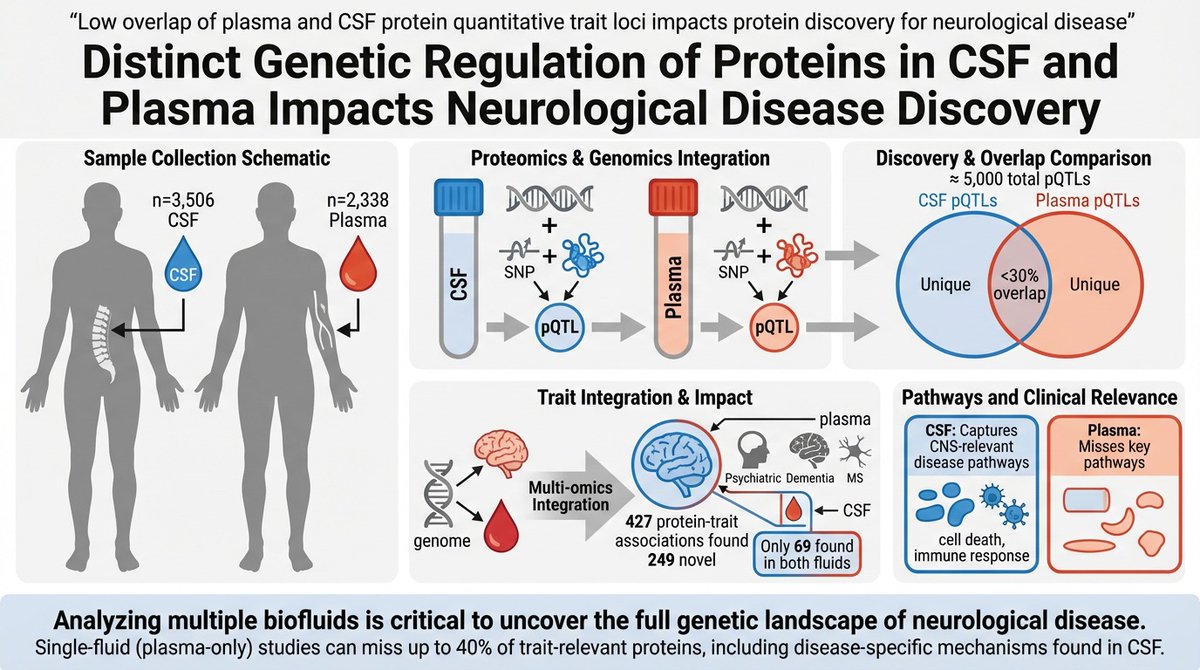
Our cross‑fluid proteogenomic study shows <30% of pQTLs are shared between CSF and plasma, revealing why plasma misses key biology. We identify 427 protein–trait (249 new) links. Context matters for target discovery. 🧠🔬
Colonoscopy, cancer prevention, and the new arithmetic of benefit - @TheLancet
“The study's 13-year results compel a recalibration of what colonoscopy can—and cannot—achieve at the population level.
https://t.co/vDOv0cSkjY
Ovarian function suppression is arguably the most important advancement for ER+ young women with breast cancer, markedly reducing recurrence.
Now more trials on how to support side effects for these women thrown into early menopause. #bcsm
Is this a potential pathway for discovering a new biomarker to diagnose inflammatory breast cancer (IBC) through liquid biopsy? As you know, diagnosing IBC has been challenging due to limitations in clinical diagnosis. Currently, it is not possible to definitively determine if a breast cancer case is IBC using pathology or molecular testing. https://t.co/XmmYJJu5YD
New @ScienceMagazine
The o-1 reasoning model (text only, from @OpenAI, released, Sept 2024) exceeded performance cf GPT-4 and physicians for clinical vignette management reasoning and in a real-world emergency department assessment for initial triage @AdamRodmanMD@PeterBrodeurMD@arjunmanrai@jonc101x
https://t.co/tPZqZAE8cd
Online here: https://t.co/nzzWChWPkD
Open access here: https://t.co/MEUA5HUeGx
Key supporters of this work are @CR_UK , @CRUKLungCentre , @UCLHresearch alongside many others
Online Now: Dissecting the cellular architecture of breast cancer brain metastases reveals prognostically distinct immune landscapes https://t.co/twrojeCLkN
Cool work from @ChrisAWalsh1 showing enrichment of somatic driver mutations (in TET2, ASXL1, DNMT3A) linked to clonal hematopoiesis in hematopoietic-derived microglia-like brain macrophages in brain samples from pts w Alzheimer’s Disease v controls https://t.co/XZLB9UDJAz @CellCellPress