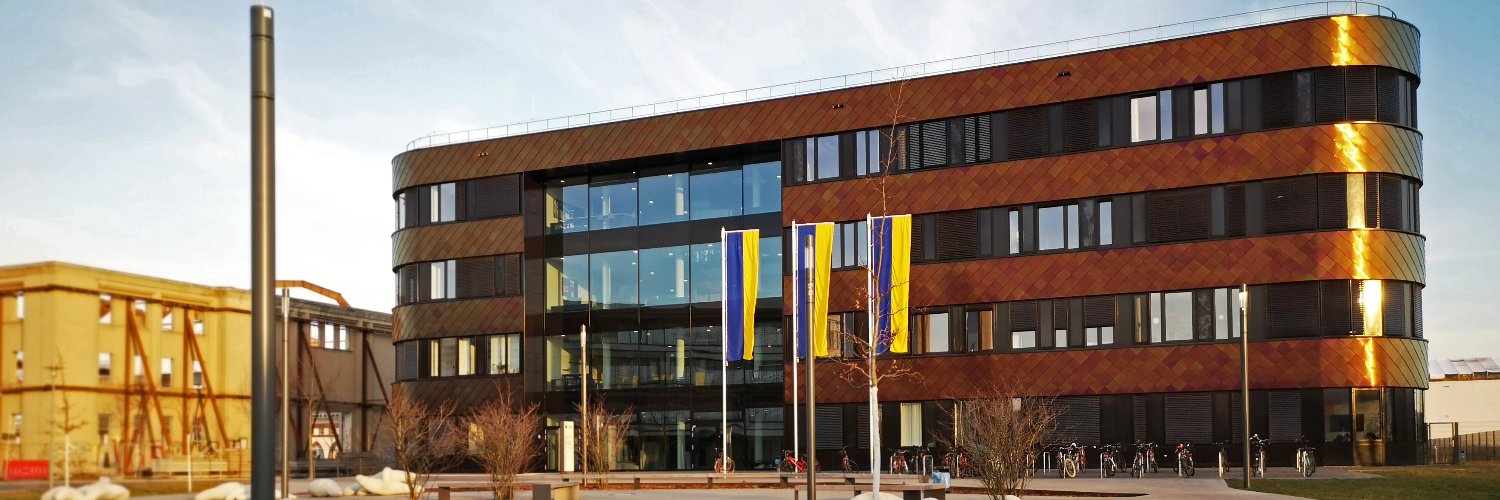
It’s #InternationalWomensDay2025, so let’s take a closer look at iDiv’s member network and its internal funding mechanism, the #iDivFlexpool!💰
Since iDiv was founded in 2012, the share of female iDiv Members has been growing constantly ↗️, but we still haven’t reached the 50% mark. However, female iDiv Members are not only more actively applying for project funding, they have also been more successful!👏 Since 2021, the majority of all approved projects have been led by female Principal Investigators (exception: 2024) – without quotas!💪
#InternationalWomensDay #IWD2025 #Biodiversity #BiodiversityResearch
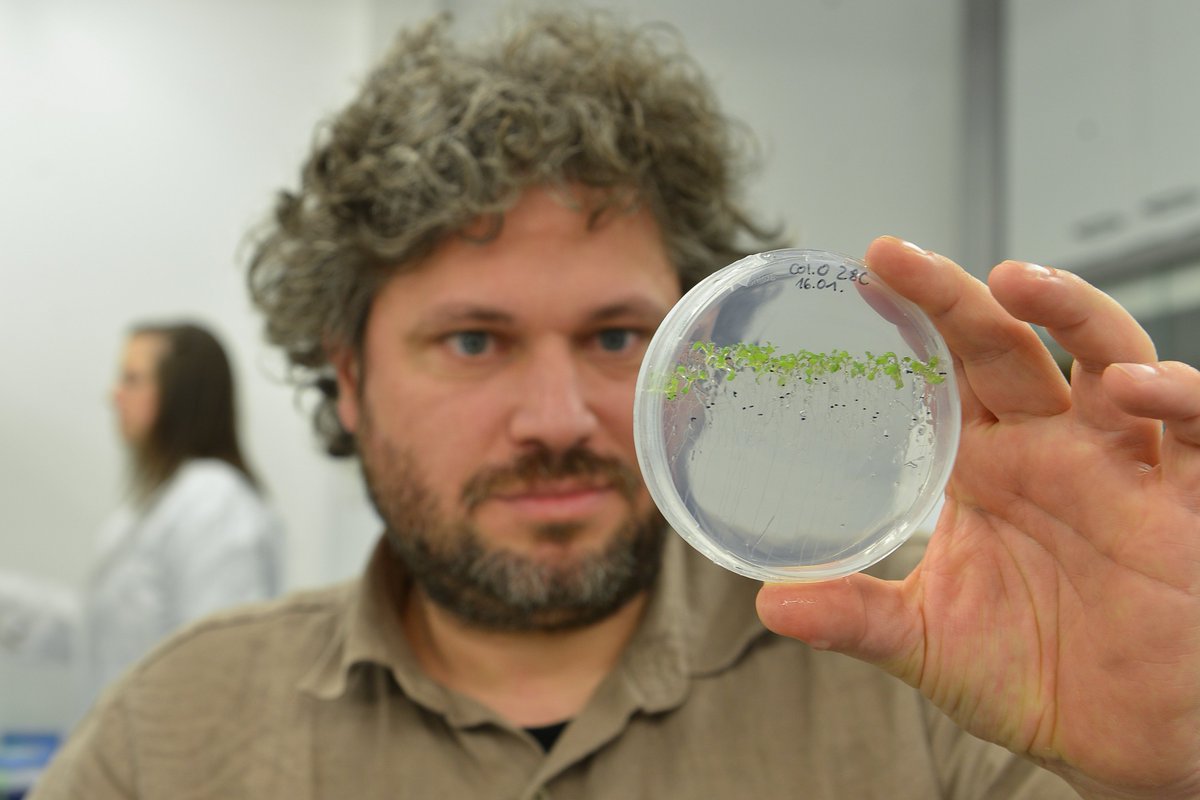
Die @dfg_public fördert ein Projekt in Mitteldeutschland, in dem es um die Verknüpfung von Protein- und Pflanzenforschung geht. Die Ziele erklärt Prof. Dr. Marcel Quint von der @UniHalle im Interview mit dem Journal des @LeibnizIPK.
➡���Zum Interview: https://t.co/NDmGHPFUCq
#iDiv at #COP16Colombia
Experts from @iDiv and @Senckenberg will show how @GEO https://t.co/GwaiJeVkjr’s tools help countries improve their biodiversity reporting on Day 1 of #COP16. They'll explain how better data can better support conservation efforts worldwide.
@COP16Oficial
October 1 marks a milestone for iDiv: Today, iDiv enters a new phase with new funding, a new COO @LAWesemann, and a new research group "Biodiversity in the Anthropocene" led by Prof Dr Susanne Fritz. 🎉🍾 Read more in comments! ⬇️
Our #PlantofTheWeek, Aloe suprafoliata, has a distinctive growth habit that changes as it matures, with the young emerging leaves curving out sideways, stacked directly on top of each other like the pages of an open book, and only forming a rosette a few years later when mature. Flowers are bright pink to red in autumn and winter. The inflorescence is unbranched, but plants can produce multiple stalks from one rosette, each reaching about 1 m long
Ad fontes: divergence-time estimation and the age of #angiosperms#Viewpoint by Stephen A. Smith and @phylieu in our #LatestIssue
📖 https://t.co/W3d9JvkYJo
@wileyecolevol
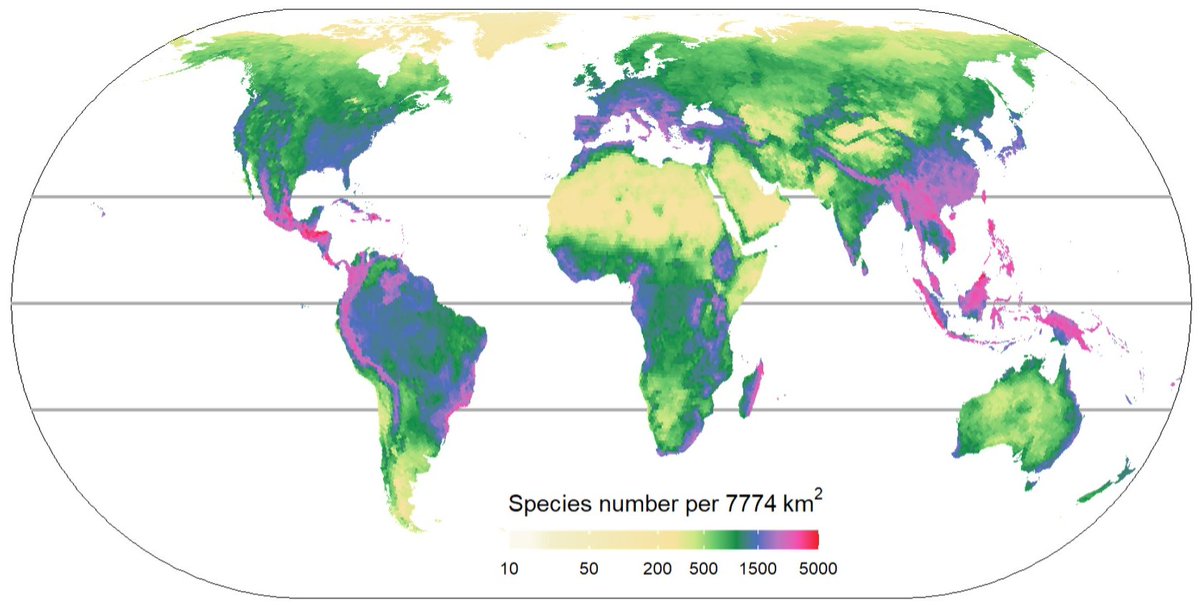
Human activities are a leading cause of species extinctions, either directly or indirectly, for millennia.
In a new Science study, researchers investigated how extinctions have affected global bird diversity, specifically in terms of birds’ traits and evolutionary history. Learn more: https://t.co/kYzpafL6yb
Please RT!
Come work with us @BioGeoMacro!
We are seeking for a Biodiversity informatician (permanent senior scientist position)
deadline for applications: 07.08.2024
Full job ad here:
https://t.co/yYtH0ELMdT
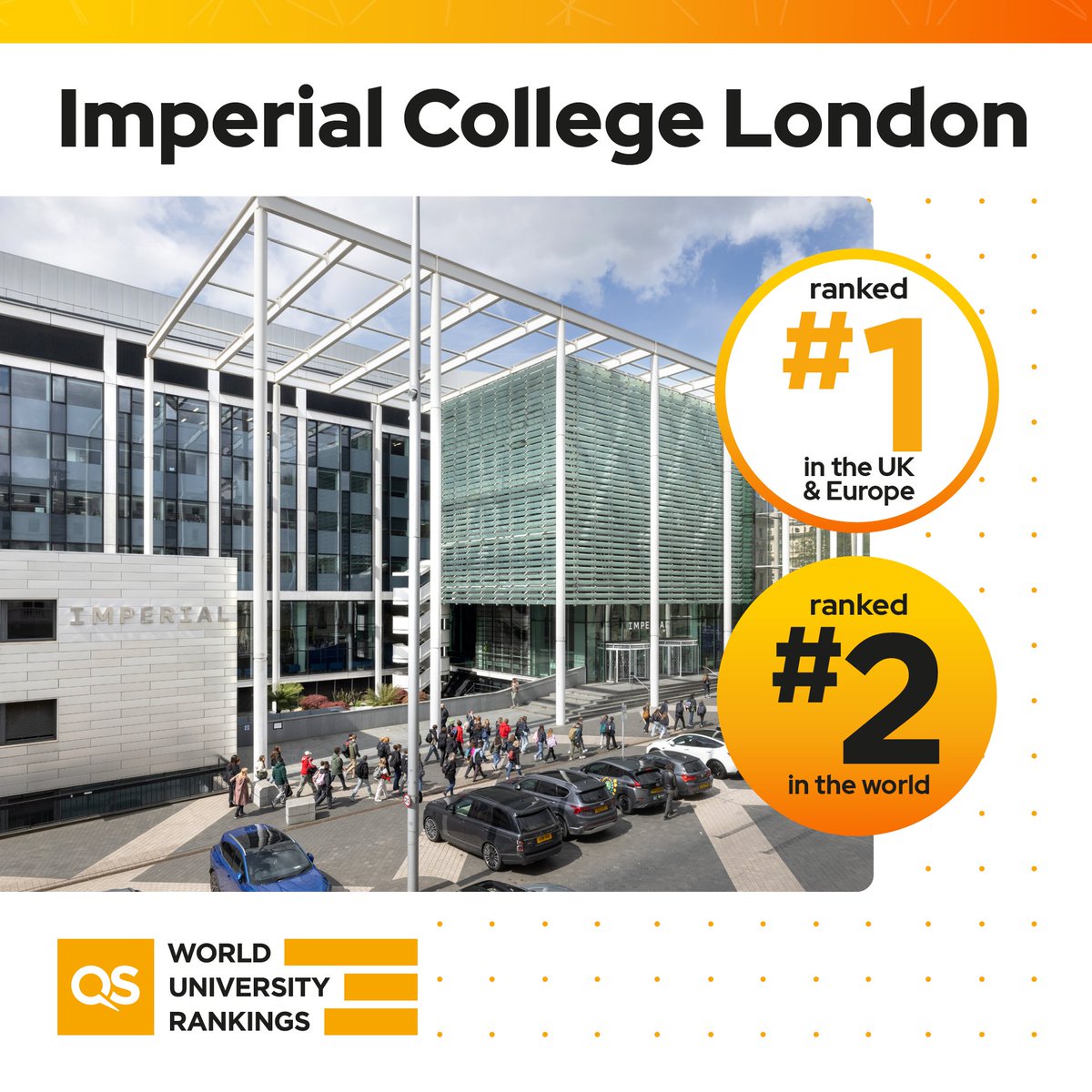
Second in the world 🥈
First in the UK and Europe 🥇
We are so proud of #OurImperial community for this brilliant result in this year's QS @worlduniranking, and here's why 🧵⬇️ #QSWUR
The Edwards lab (https://t.co/2yRNs6ejIt) is looking for a new post-doctoral research associate to work on the phylogenomics of Montiaceae, a really cool group of plants. Email me a CV and contact info for two references – come join us!
Global trends and scenarios for terrestrial biodiversity and ecosystem services from 1900 to 2050. Our paper @ScienceMagazine shows declines in biodiversity and regulating services driven by land-use can be slowed but climate impacts are accelerating #1/ https://t.co/fXTmFIuqOT
But seriously , what has nature ever done for us ? You know , apart from the air we breathe , the food we eat , making us healthier . . .
Brilliant new ad from @zerohour_uk to promote their Climate & Nature Bill campaign , take action at https://t.co/wKiNkqgGsn
#EarthDay
New research published in Nature today finds that we are on track for climate damages worth $38 trillion per year by 2050. This is a staggering figure. The damages are projected to be worth 6x more than the mitigation costs of limiting global warming to 2C. https://t.co/8RJ605RaN3
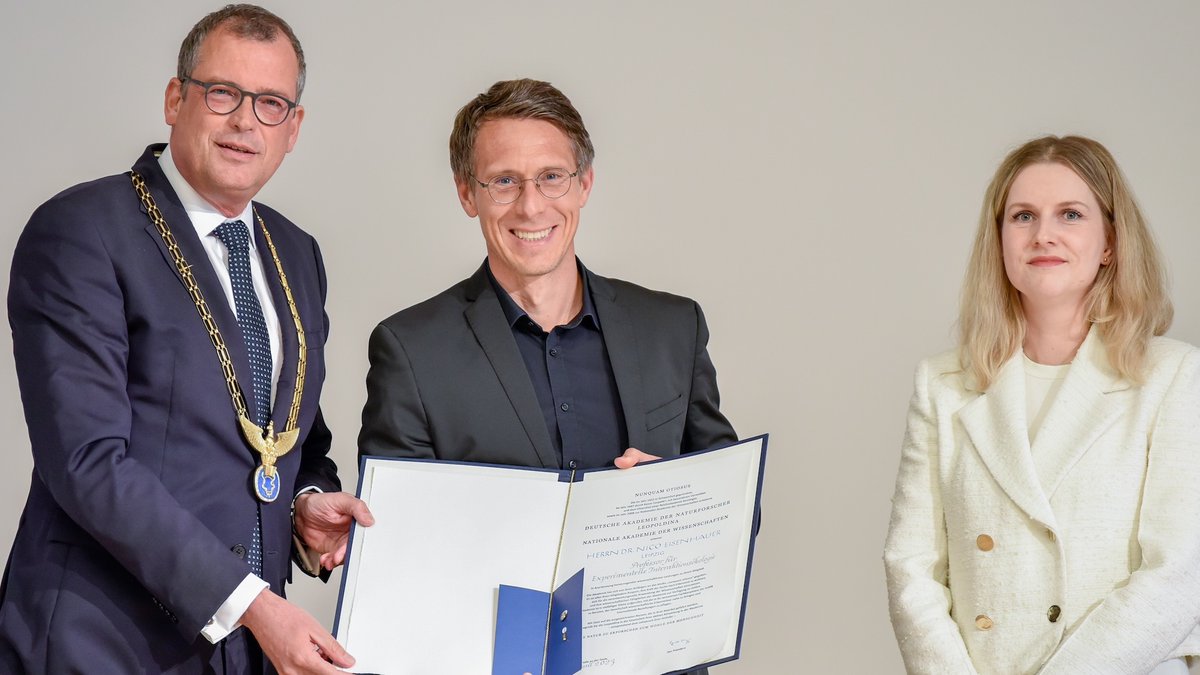
🌿Prof. Dr. Nico Eisenhauer, Forschungsgruppenleiter am @idiv, ist neues Mitglied der @Leopoldina. Die Aufnahme in die 1652 gegründete Nationale Akademie der Wissenschaften ist eine hohe Anerkennung. Herzlichen Glückwunsch🎉@UniLeipzig@EisenhauerLab Mehr: https://t.co/fTph8DKXNn