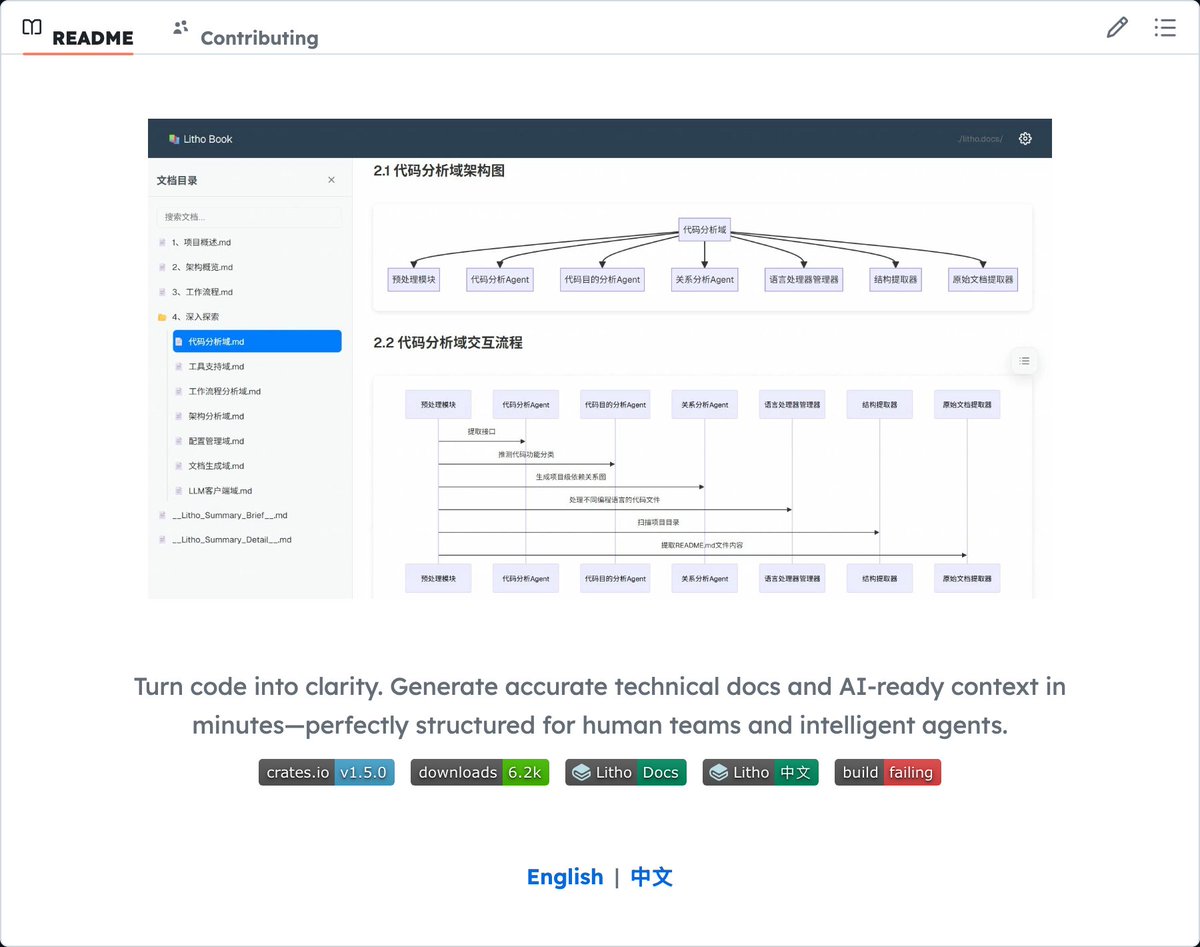
Litho generates C4 architecture documentation directly from source code using AI, keeping docs synced as your codebase evolves.
- Automatically produces context, container, component, and code-level diagrams
- Built in Rust for high-performance codebase analysis
- Generates professional Wiki-style documentation for any repository
- Available as a crate on https://t.co/MZZZd9J2EO
The Navier-Stokes Equations define the complex physics of fluid dynamics: by balancing acceleration against pressure, gravity, and friction, this framework models how liquids and gases move through space.
#Math#Mathematics#Physics#FluidDynamics#MathType#DidYouKnow#STEM
This is one of the most interesting papers on self-improving agents for this year.
(bookmark this one)
Most self-improving AI systems hit the same wall: the mechanism that generates improvements is fixed and can't improve itself.
This new work from Meta and collaborators breaks through this limitation.
They introduce Hyperagents, self-referential agents where the self-improvement process itself is editable.
The DGM-Hyperagent combines a task agent and a meta agent into a single modifiable program, enabling metacognitive self-modification.
It autonomously discovers innovations like persistent memory and performance tracking, and these meta-improvements transfer across domains and compound across runs.
Why does it matter?
- On paper review, DGM-H improved from 0.0 to 0.710 test accuracy.
- On robotics reward design, it went from 0.060 to 0.372.
- Transfer hyperagents achieved 0.630 on Olympiad-level math grading in a domain they were never trained on.
This is a step toward AI systems that don't just find better solutions but continuously improve how they search for improvements.
Paper: https://t.co/Q0f7zWhNMD
Learn to build effective AI agents in our academy: https://t.co/1e8RZKs4uX
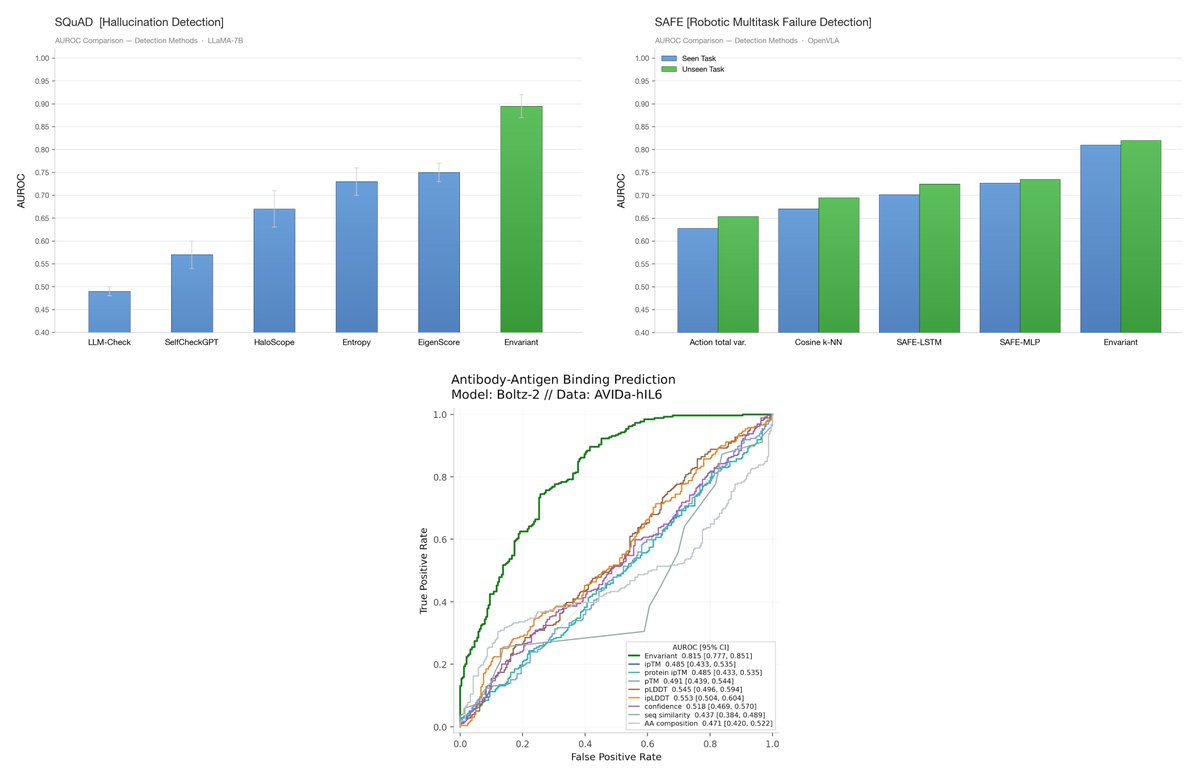
.@envariant is building an AI interpretability SDK to enable foundation model builders to analyze, steer, and control their model's behaviors.
Congrats on the launch, Varun!
https://t.co/O25NZDJpow
Anthropic published a blog post and playbook on how Claude Code handles COBOL. This isn’t about fixing old code or keeping it on a mainframe. The process has two stages: first, AI automates the analysis – mapping dependencies, documenting workflows, identifying risks. Work that used to take consultants months. Then it incrementally migrates the code to Java or Python, with the option to host it on any cloud provider. IBM stock dropped 13%. The reason is simple: IBM makes money because COBOL is hard. The company keeps clients on its mainframes, sells modernization through watsonx, but makes sure the end result still runs on its hardware. The CFO boasted about a 3-4x revenue multiplier from each mainframe client. Anthropic isn’t offering modernization – it’s offering an escape from the entire ecosystem. Accenture and Cognizant fell too. The whole legacy systems consulting sector got the signal that AI can replace “armies of consultants.”
Anthropic wrote that understanding the code used to cost more than rewriting it. IBM would prefer that sentence had never been said publicly. 95% of ATM transactions in the US run on COBOL. No bank CTO will make a migration decision based on a blog post – but every board member will read it.
Agent Zero might be the most underrated AI agent on the internet right now.
It’s free.
It runs locally.
It builds tools, writes code, spawns sub-agents, and actually finishes tasks.
It built better apps.
It handled multiple tasks at once.
It didn’t break mid-workflow.
If you’re serious about AI automation, you need to test this.
Link in the comments.
The coding LLM war escalated after OpenAI acquired the creator of OpenClaw.
I noticed Anthropic and Google blocked OpenCode from using their Pro plan subscriptions, so I really can use Codex and open-source models there.
Only OpenAI seems generous here.
@Yuchenj_UW Feels like OpenAI is buying goodwill and pulling ecosystem gravity toward Codex. Smart long-term move.
And honestly understandable why other providers would restrict OpenClaw access.
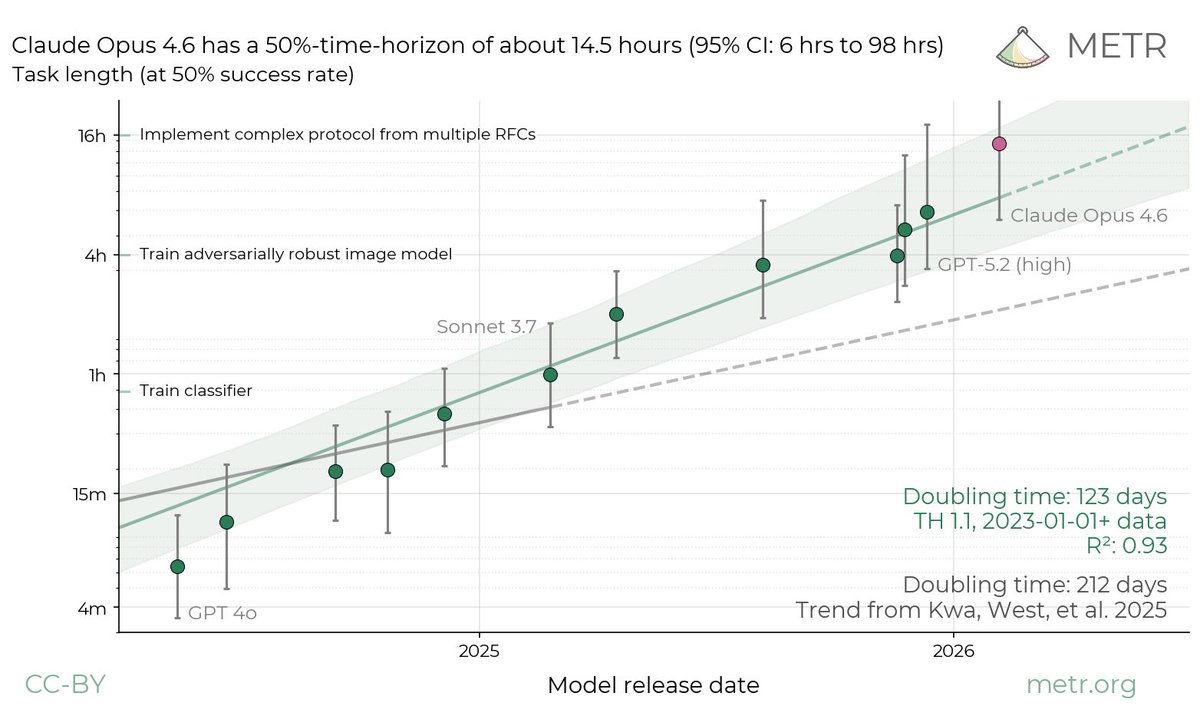
We estimate that Claude Opus 4.6 has a 50%-time-horizon of around 14.5 hours (95% CI of 6 hrs to 98 hrs) on software tasks. While this is the highest point estimate we’ve reported, this measurement is extremely noisy because our current task suite is nearly saturated.
🖼️ AI Slides Just Got a Brain Upgrade!
🎯Meet Qwen AI Slides — your personal presentation designer that actually thinks. Powered by Qwen3 Agent + Qwen-Image 2.0, it turns chaos into clarity, beautifully.
✅ Type a simple idea, throw in a wall of text, or upload a document — it just works
✅ Search Agent researches, organizes & builds the story structure for you
✅ Qwen-Image 2.0 directly generates each slide as a polished visual — text, layout, color scheme & graphics, all in one shotStop designing slides. Start designing impact. 💡✨
Try it now: https://t.co/R1P4UxCAD3
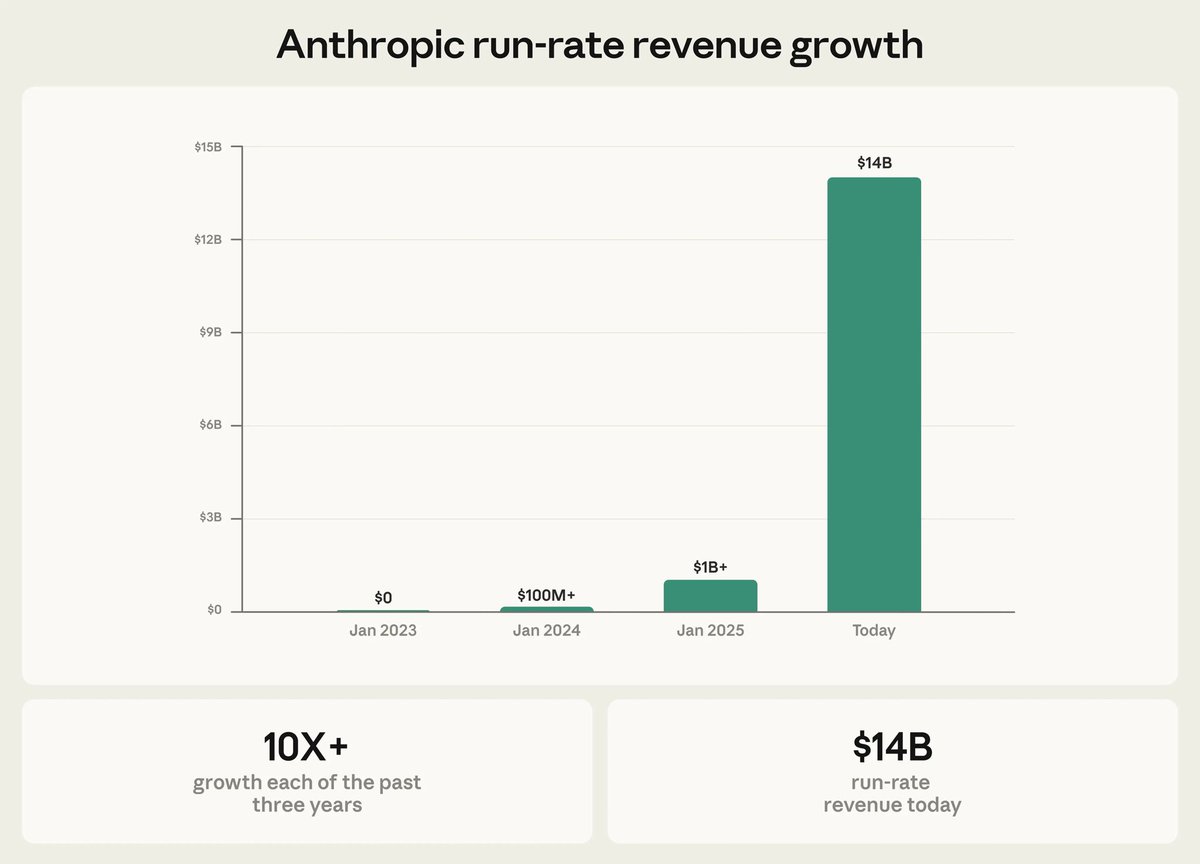
Anthropic is at $14B run rate revenue, the fastest growing software business of all time.
– Claude Code run rate is $2.5B in <1yr
– $0 -> $100M -> $1B -> $14B in 3yrs
– $100k+ customers 7x'd last year
– $1M+ customers 40x'd last year, 500+
– 4% of Github commits by CC
Insane.
Had Claude Code build a little plugin that visualizes the work Claude Code is doing as agents working in an office, with agents doing work and passing information to each other. New subagents are hired, they acquire skills, and they turn in completed work. Fun start.
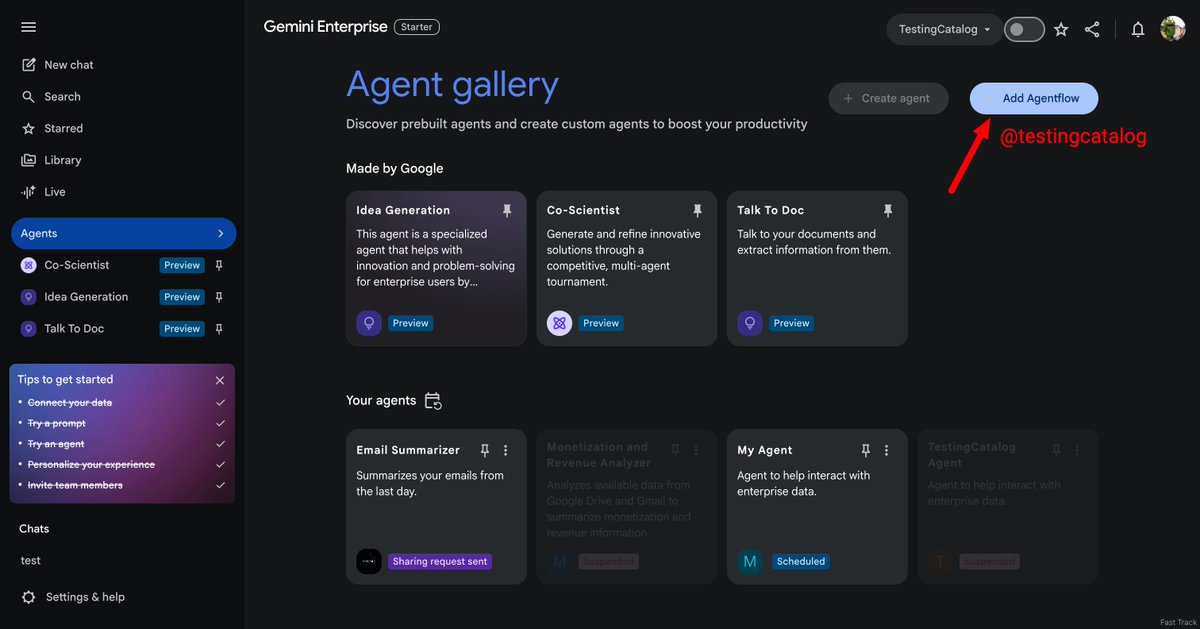
Google is working on integrating Agentflow into Gemini for Business.
Agentflow is an automation builder in Google Workspace that allows you to build agentic pipelines, and it seems like they will become more integrated into Gemini Agent builder in the future.
Consolidation 👀
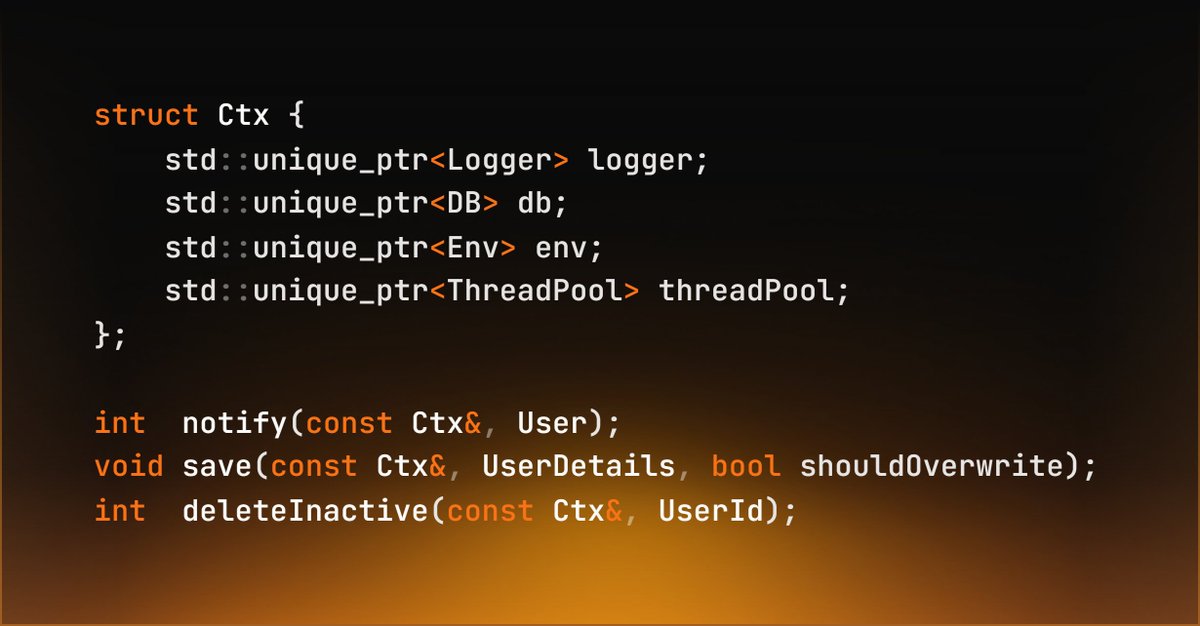
After 8 years of Haskell, 2 years of OCaml, 2.5 years of C++ and 45 minutes of Go, I present you the ultimate Design Pattern.
The Context Pattern
FP, OOP, Procedural and Declarative Programming combined to create The Last and Only design pattern you ever need.
A single record containing all your dependencies that you pass to every function explicitly.
No more inheritance.
No more classes and methods.
No more Dependency Injection.
No more singleton pattern.
No more private/public.
Mocks have never been easier.
This is the only pattern you need to structure EVERY SINGLE APP NO MATTER THE INDUSTRY (microservice, compiler, spaceship system).