The AMR Action Subcommittee and Study Group for Artificial intelligence and Digitalisation (ESGAID) recently published a perspective on the implications of using AI in the fight against #AMR. Check it out: https://t.co/xkSAFpVR1D
Check out this article by two of our AMR Action Subcommittee members exploring the importance of building connections between science and policy as we address the global concern of #AMR.
https://t.co/hwqJTVK5NL
#WAAW2024#escmidAMR#AntimicrobialResistance
Annual meeting of the PRImAVeRA consortium that investigates potential effects of vaccines & monoclonal antibodies on infections caused by antibiotic resistant bacteria. @IHIEurope
🔥 Topic in Infectious Diseases!
High-quality clinical data are needed!
🆕️⚡️⚡️Favourable effect of clavulanic acid on the minimum inhibitory concentrations of cefixime and ceftibuten in ESBL-producing Escherichia coli and Klebsiella pneumoniae #idxposts
https://t.co/6abgRFVBTe
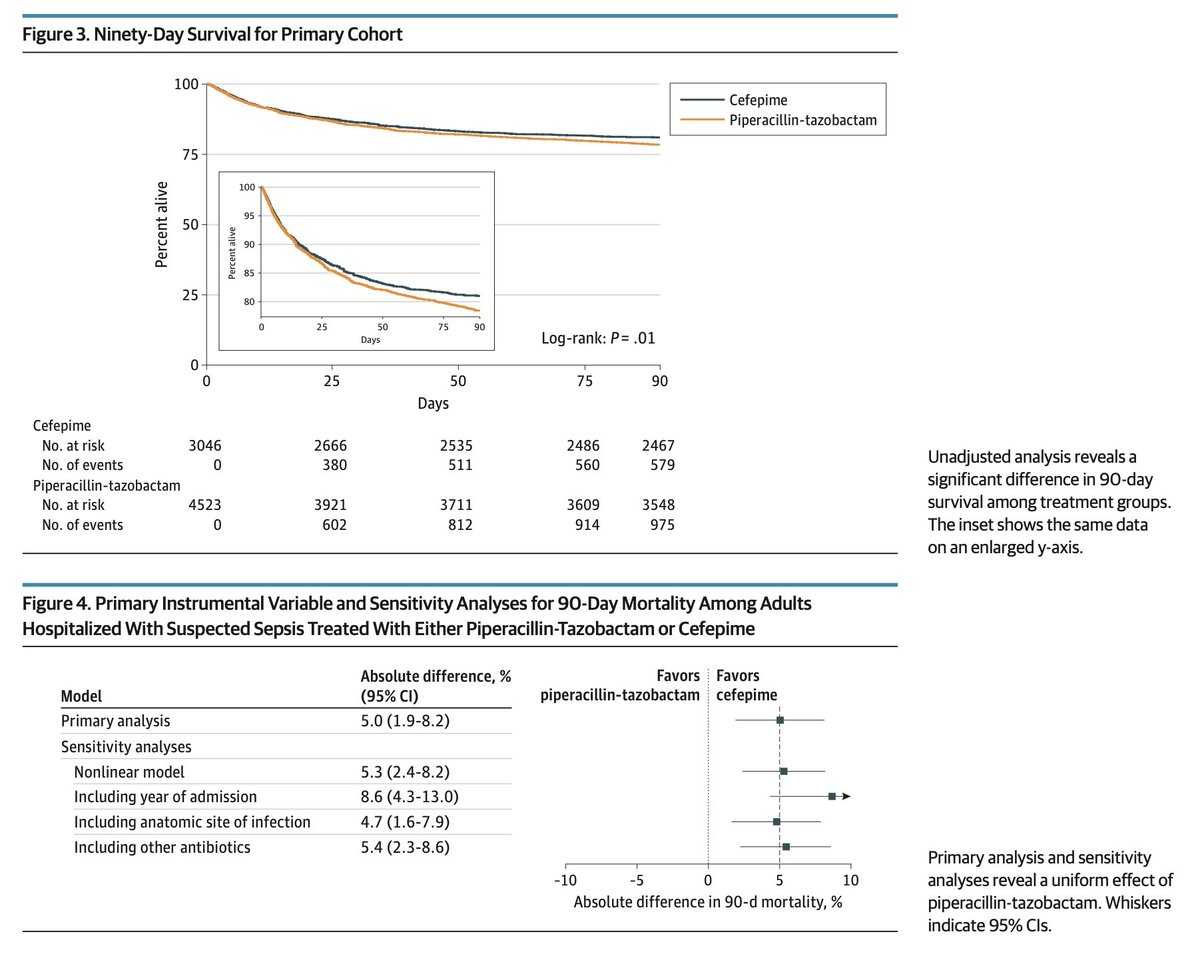
Most patients with sepsis don't need anti-anaerobic antibiotics. But most get them anyway. Why not, what's the harm?
I worry the harm is considerable.
Our new study in @JAMAInternalMed: using a 15-month pip-tazo shortage to answer this question.
1/n
https://t.co/1nOhsUaio0
@HeimanW@NVMM_NL Dit zei ik ook tegen onze longartsen maar de reactie was: welke evidence is er nu bijgekomen om te stoppen met anaerobe dekking? Deimplementatie van dogma's blijkt ook lastig
Do clinical trials of antimicrobial agents give clinicians the information they need in order to change guidelines and revise their prescribing patterns?
A thread on a new way to analyze clinical trial results
@sarah_delliere@a_alanio Interesting study Sarah! We usually worry about lower specificity for aspiration compared to BAL, not the sensitivity. Do you agree?
🍄 Great to see that fungi are getting more recognition -we certainly are seeing them more and more in medical practice . I am very honoured to be here -excited to discuss with Dutch colleagues on their clinical experience and practice. @ferryhagen@_Westerdijk_@schweitzer_va
Have you seen a carbapenemase-producing Proteus (CPP) isolate in your microbiology lab? Probably yes, but likely without noticing. A thread on our latest publication @CMIJournal
@UniOldenburg
#IDtwitter#microrounds
https://t.co/xylu1nBq5m
1/x
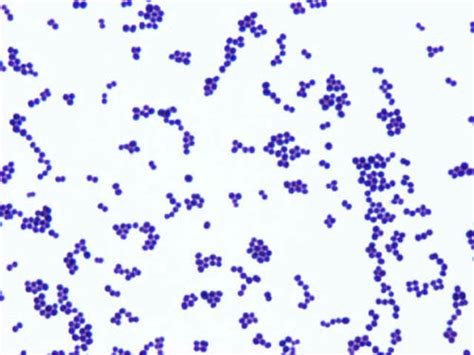
Wondering how beta-lactam resistance occurs in Staphylococcus aureus (e.g. MRSA)?
A short 🧵 on the two most common mechanisms of beta-lactam resistance in S. aureus ...
ß-D-glucans in CSF for non-crypto 🍄 infection.
Sensitivity 72% in proven/probable IFIs. Specificity 82% in well defined control population ⚠️false positive w/ bacterial infections, strokes, drug toxicity ⬇️ @Jeanne_big
https://t.co/9A58ljONuh
@ABsteward@OFIDJournal@DrAndreKalil If I understand correctly they modeled disease progression under treatment which is different than correcting for baseline imbalances.
@ABsteward@OFIDJournal@DrAndreKalil Post-hoc adjustment of observed baseline imbalances in RCTs is not needed and inappropriate.
See https://t.co/cV5PRfoB4T and Seven myths of randomisation in clinical trials by Stephen Senn.