Want to explore how this happens and what it means for global oceans? Comment below—we might bring on a podcast guest to dive deeper.
📊 Infographic: @VisualCap https://t.co/AGOFJrNzWz
A 2021 study in Science revealed that smaller nations like the Philippines top the list, due to a high coastline-to-land ratio, heavy rainfall, and poor waste management that channels plastic into the sea.
New on the @sciencentric podcast: author and journalist Hilde Østby discusses her latest book "The Key to Creativity." Now streaming on YouTube and all podcast platforms. https://t.co/Sa9I20nvIx
And we're back! Check out our latest podcast episode with science journalist Kristy Hamilton talking about her book "Nature's Wild Ideas: How the Natural World is Inspiring Scientific Innovation". https://t.co/iCqdAon3A2
#Podcast#SciencePodcast#ScienceJournalism
Watch our new video on five amazing examples of biomimicry with science journalist Kristy Hamilton. Don't know what #biomimicry is? Watch the video! https://t.co/Q2s28lsH3h…
@BiomimicryInst@greystonebooks
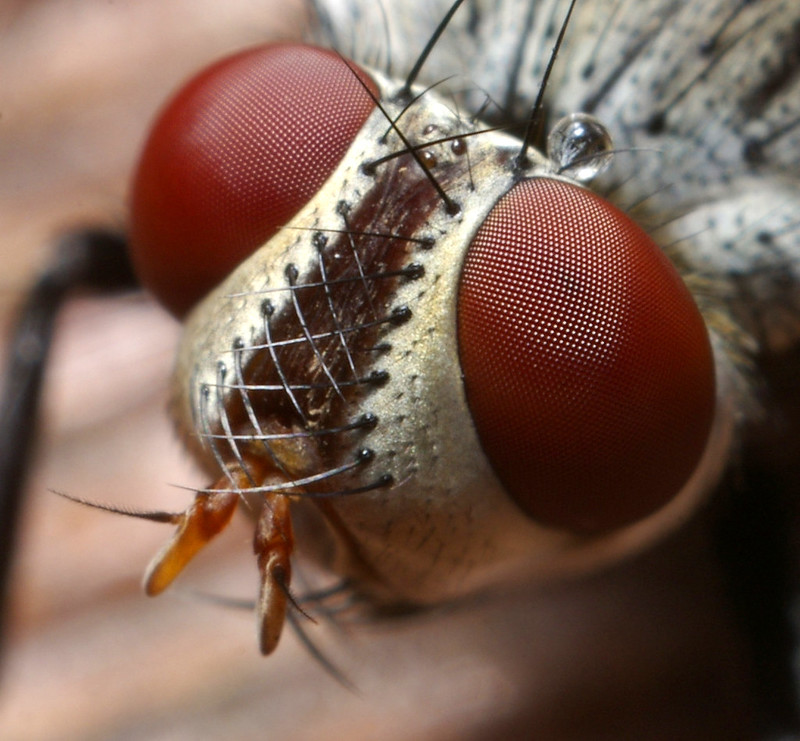
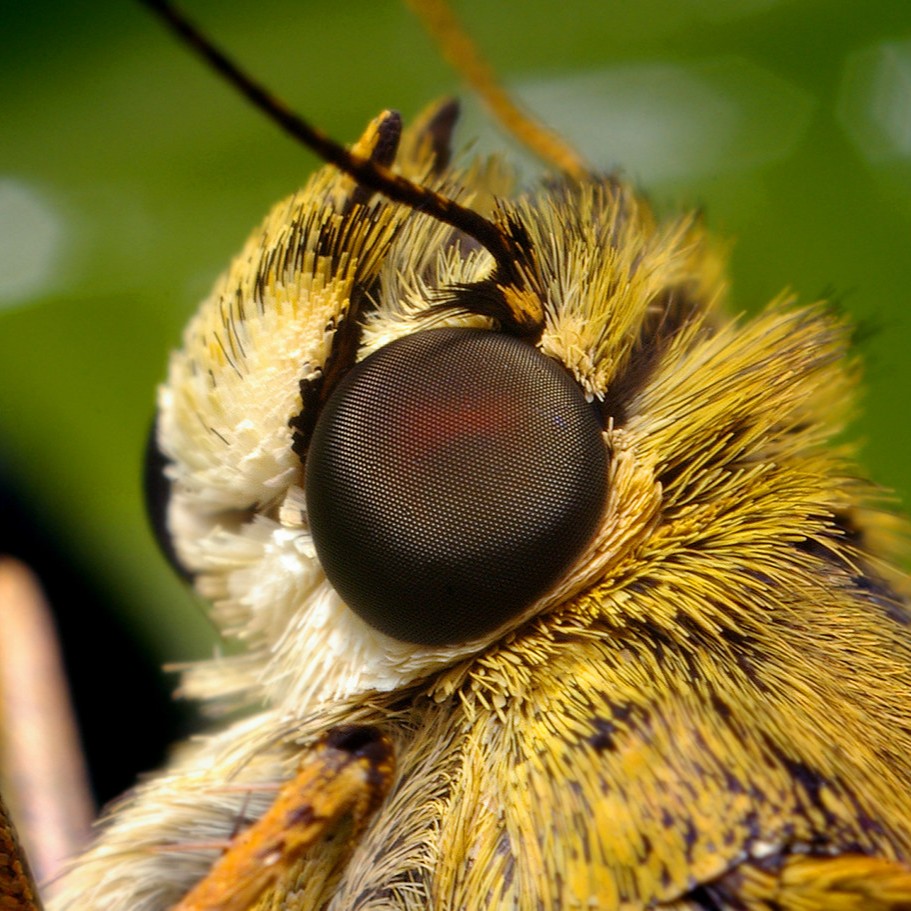
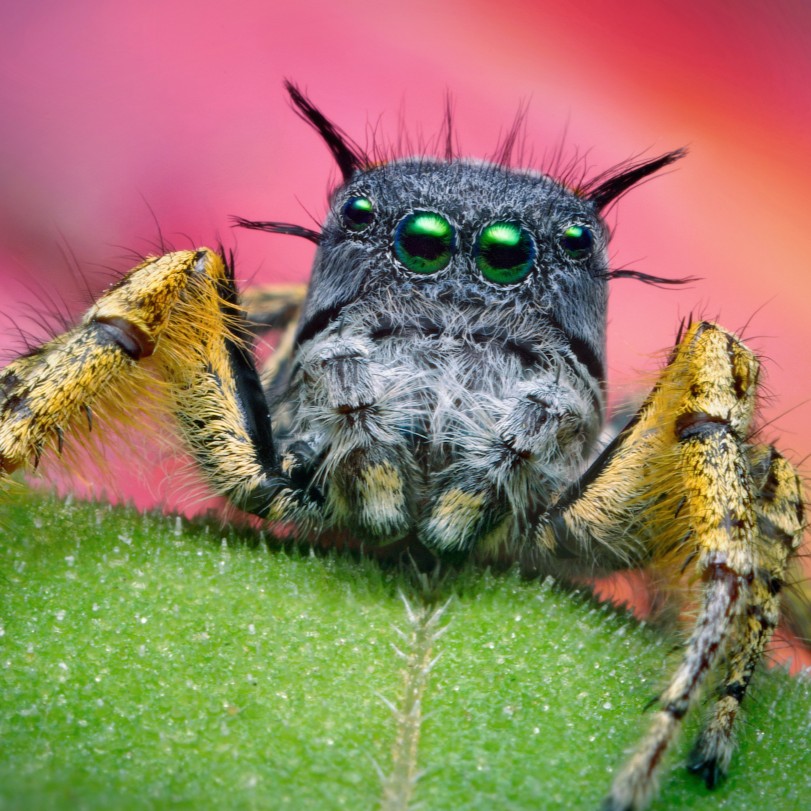
Bugs can be annoying, but also weirdly beautiful up close. Case in point, these super-zoomed photos of insects and arachnids from Oklahoma-based photographer @ThomasShahan . You can see more of his stunning work on his website: https://t.co/VteKVunPUF
#insects#photos#macro
Digital artist Luke Penry creates pristine textures and believable structures of fungi, florals and alien-looking plants that are completely made up, suspended between scientific documentation and his own imagination
[Instagram: https://t.co/no08KWZpuw]
https://t.co/EoUsOmleAK
The @sciencentric podcast has been running for a number of years so we thought it would be a good time to take stock of the most popular episodes. Here are the top five ranked by number of views and downloads.
Which topics or guests would you like hear about/from in 2023?
The industry that 'Tiger King’ made famous will soon be illegal.
U.S. legislation awaiting the president's signature will ban cub petting, tiger selfies, and breeding big cats as pets.
But what does that mean for the thousands of captive big cats?
https://t.co/NVkQJXixXz
In 1862 Charles Darwin received a flower from Madagascar with the nectar located in an extremely deep crevasse. He predicted the existence of a moth with an extraordinarily long tongue to reach the nectar. Xanthopan morganii was discovered 150 years later https://t.co/8Xw5XVVkvc