Sky Today: May 23
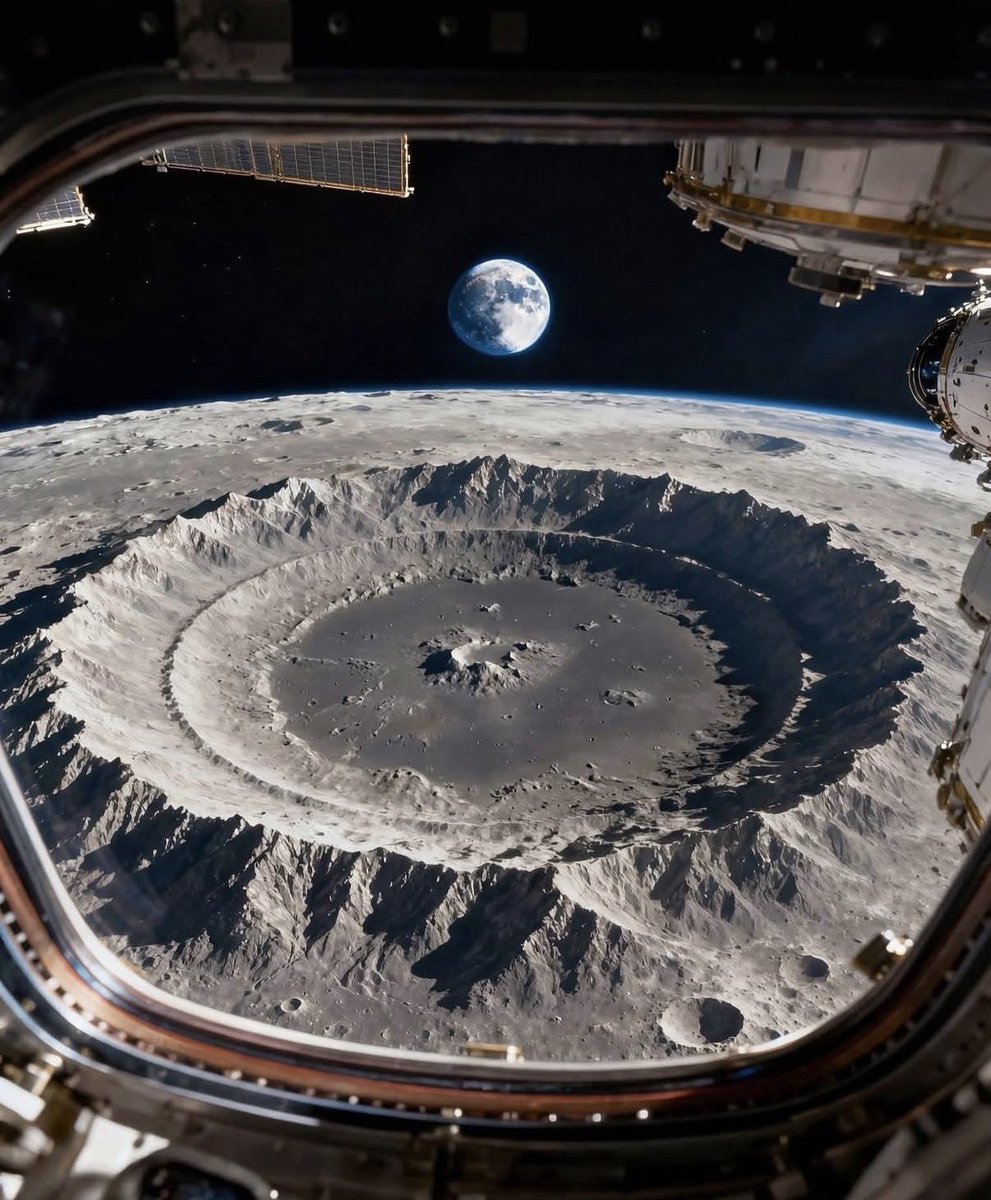
Slicing through the Montes Alpes mountain range, Vallis Alpes is a favorite feature to view on the First Quarter Moon.
Image credit: Jeff Barton (Flickr, CC BY 2.0)
Read more:
https://t.co/yy6Pox1Fbr
This is Earth, seen from the rings of Saturn.
Captured by NASA’s Cassini spacecraft, this image shows our planet from nearly 1.5 billion kilometers away. Earth appears as a faint point of light. Every city, every history, every civilization exists within that single speck.
Earth is almost lost in comparison. The scale is unforgiving.
Artemis II Moon mission complete!
✅✅✅✅✅✅
- Space Launch System rocket launched crew into space
- Orion spacecraft kept astronauts safe
- Flew around the Moon, observed its far side
- New human spaceflight distance record
- Crew safely returned to Earth
- Inspired the WORLD
NASA aceptó la sugerencia de nombrar los cráteres Integrity y Carroll, propuestos por la tripulación de Artemis II. Vean foto original y cuáles son los cráteres. #yosoyartemis#artemisII#hacialaluna
The eclipse from Orion.
On April 6, external cameras attached to the Orion spacecraft's solar array wings captured the Moon backlit by the Sun during a solar eclipse.
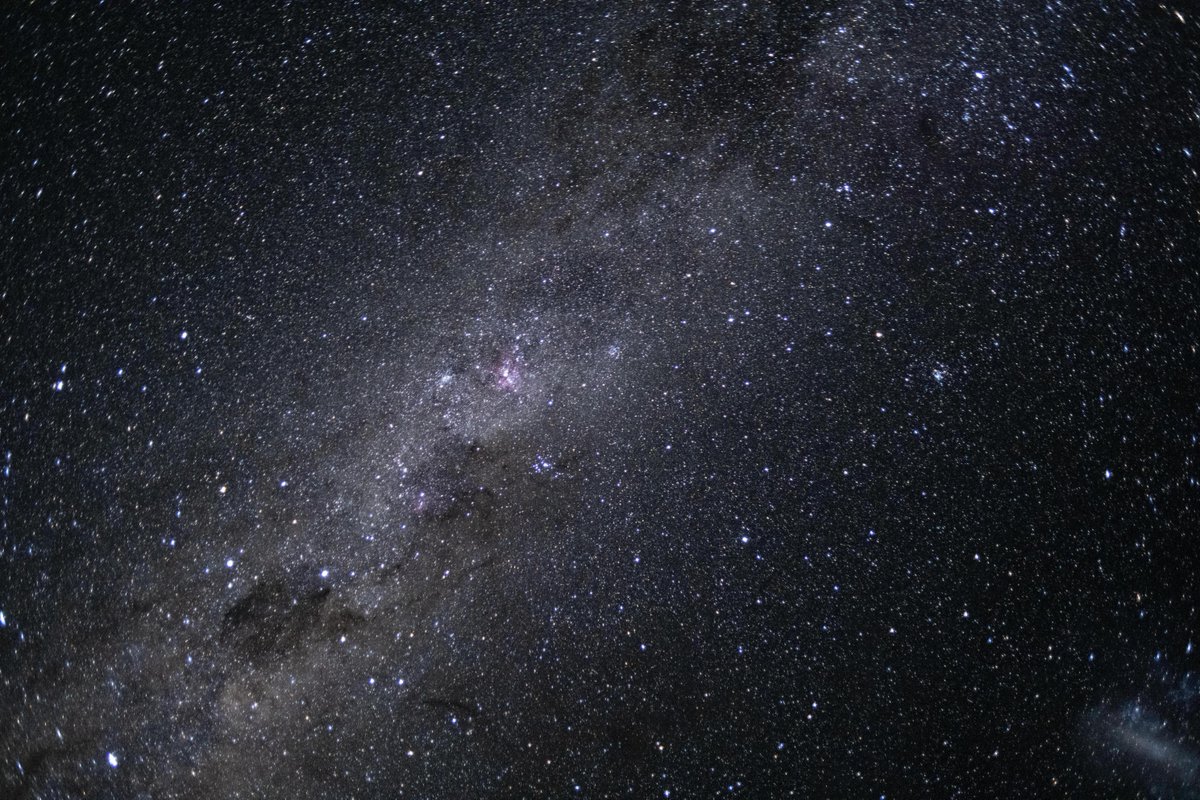
Sky full of stars.
Following a successful lunar flyby, the Artemis II astronauts captured this breathtaking photo of our galaxy, the Milky Way, on April 7, 2026.
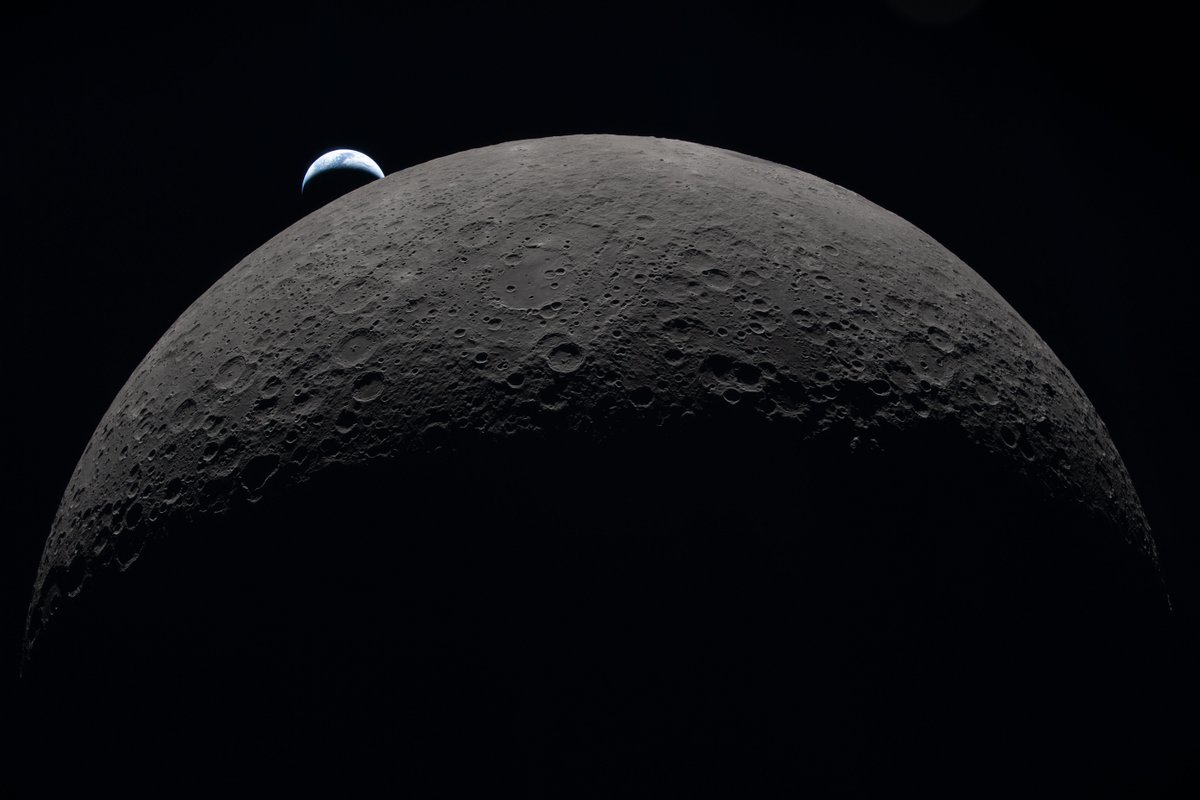
It's not just a phase 🌕
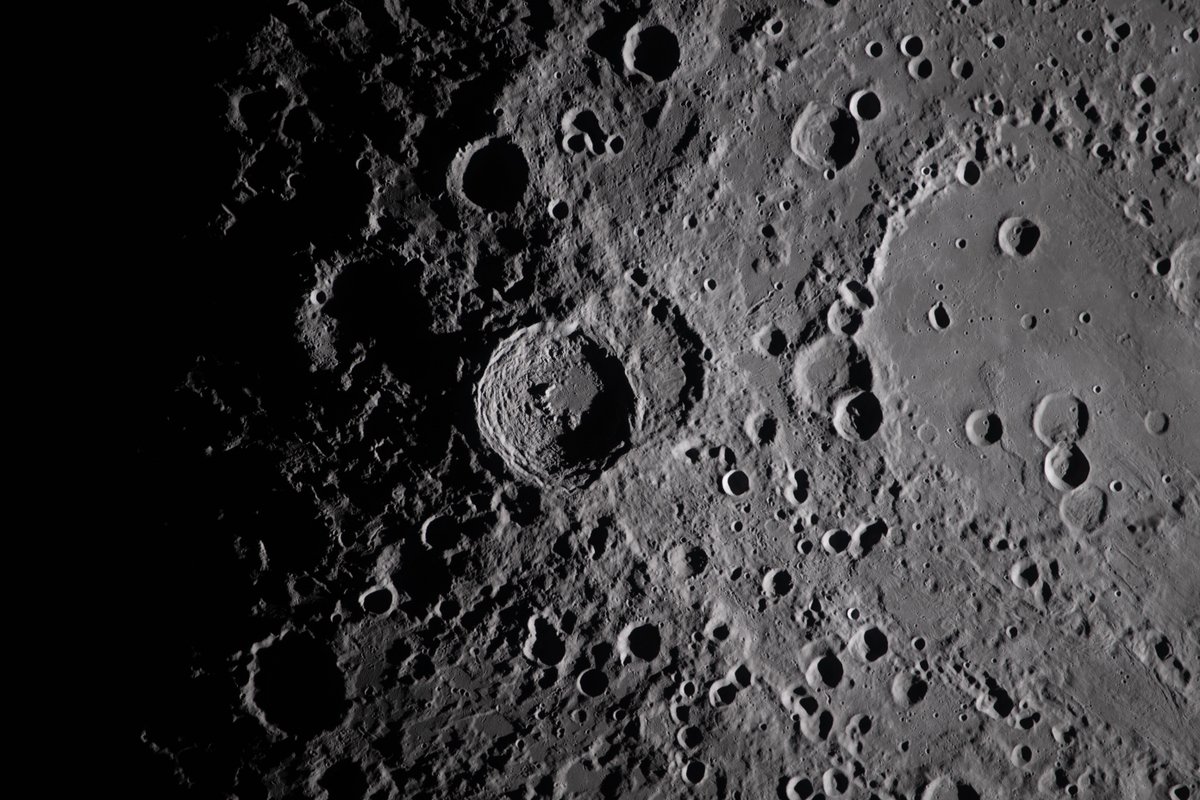
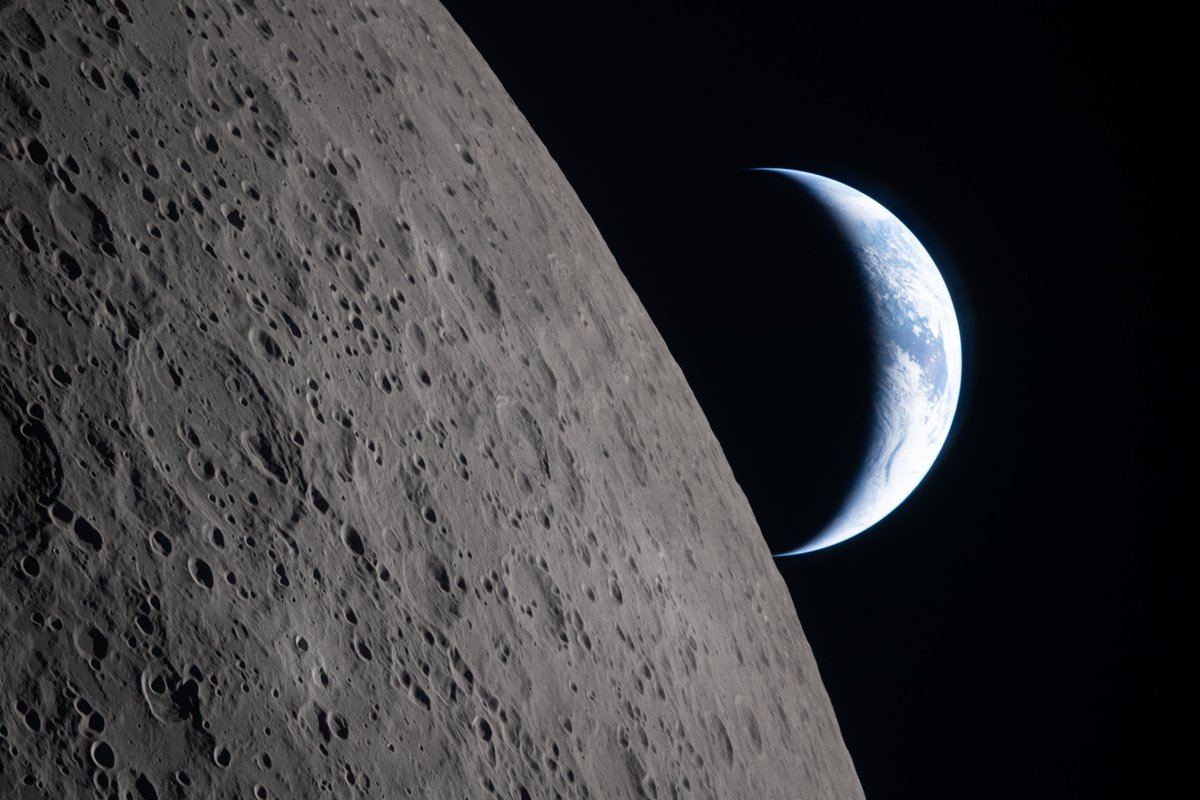
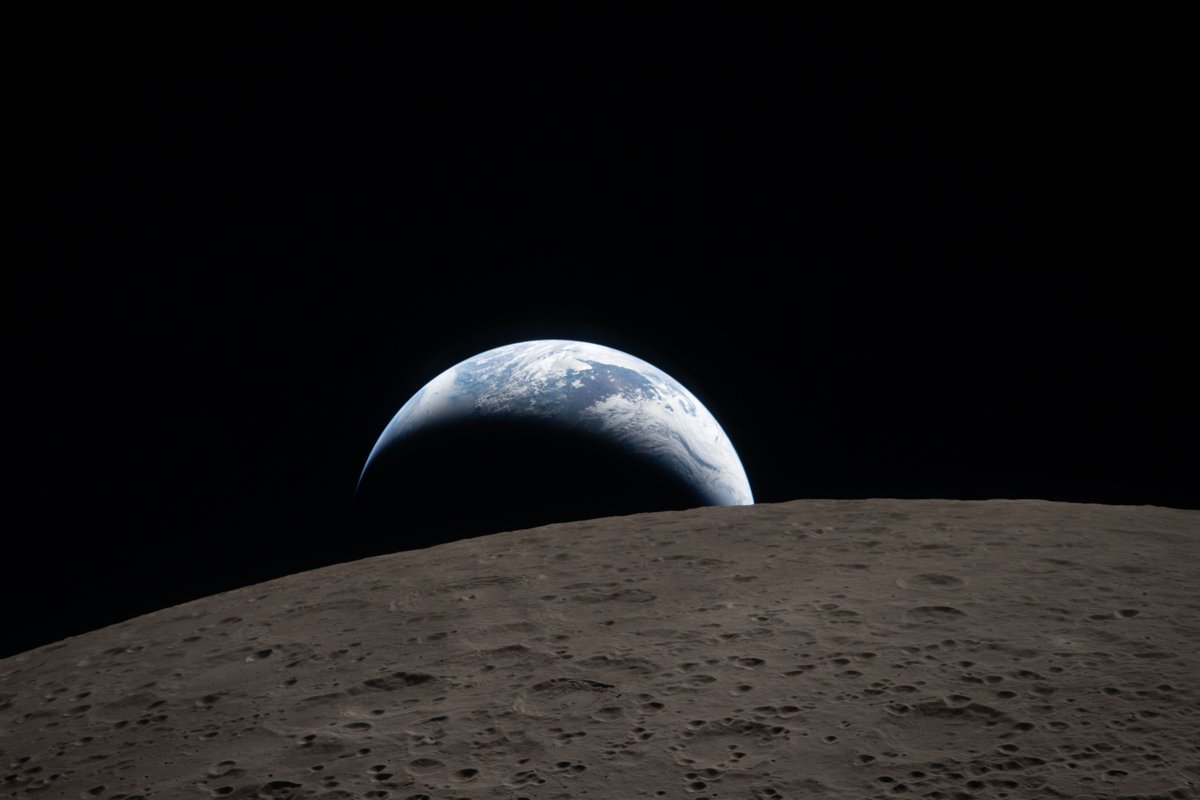
Artemis II astronauts captured these views of the Moon as the Orion spacecraft flew around the far side of the Moon on April 6, 2026.
Hello, Moon. It’s great to be back.
Here’s a taste of what the Artemis II astronauts photographed during their flight around the Moon. Check out more photos from the mission: https://t.co/rzM1P0QbOl
🚨 James Webb captures a cosmic collision in progress.
Two galaxies are locked in a slow-motion gravitational encounter.
They narrowly escaped a crash millions of years ago.
They didn’t collide—yet.
In a few billion years, gravity will finish the story… merging them into one.
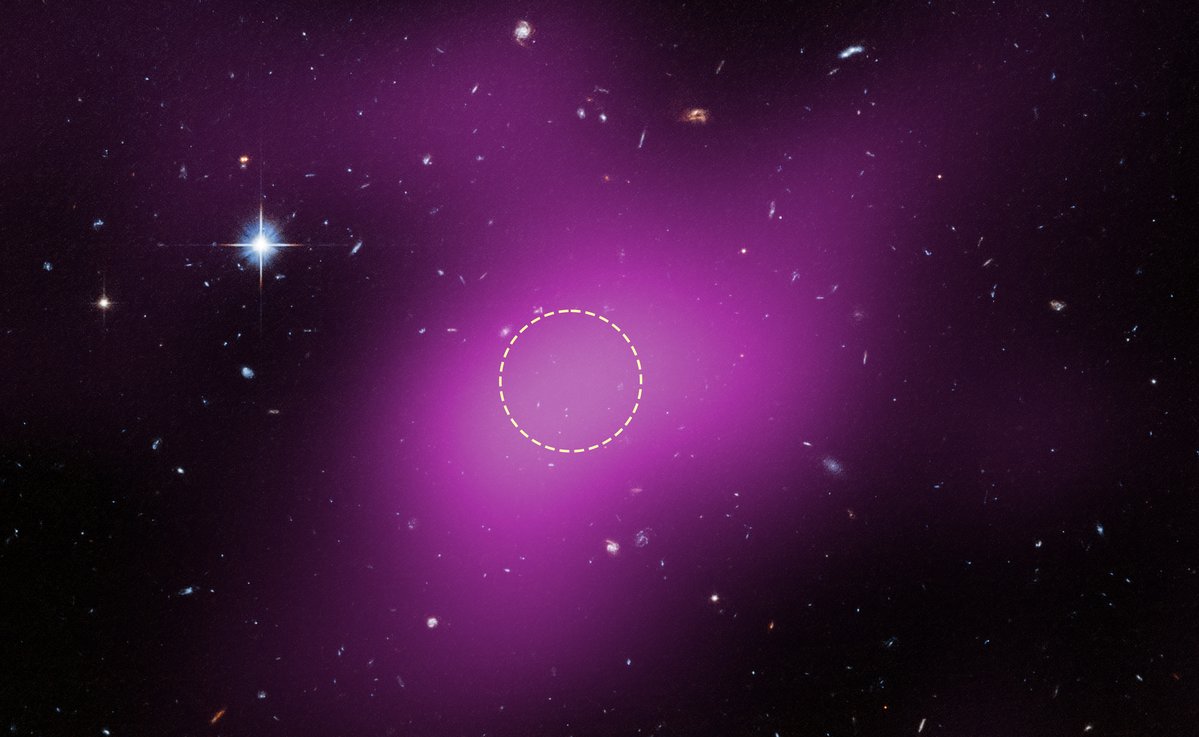
A team using @NASAHubble has made the first confirmed detection of a new type of astronomical object: a starless, gas-rich, dark-matter cloud, nicknamed Cloud-9. Here's what this object is teaching us about dark matter and the early universe: https://t.co/csCRXnzgDM