Announcing our first clinical trial.
Scribe has secured regulatory clearance from Australia’s @TGAgovau to initiate a first-in-human clinical study of STX-1150 for the treatment of hypercholesterolemia, a major driver of atherosclerotic cardiovascular disease (ASCVD).
Details🧵
At #AHA26, we presented preclinical data highlighting new advances across our engineered #CRISPR technologies for epigenetic silencing and gene editing, targeting key lipid drivers of atherosclerotic cardiovascular disease.
Highlights from the two presentations:
🧬 A single dose of a STX-1150 prototype lowered LDL-C by up to 68% in non-human primates, with >50% lowering sustained for at least two years at a therapeutically relevant dose – without permanently altering DNA
🔁 In a separate NHP study, repeat administration of STX-1150 enabled further LDL-C lowering while maintaining tolerability
⚒️ A single administration of a STX-1200 surrogate achieved >95% Lp(a) reduction in NHPs, without detectable off-target editing in primary human hepatocytes
♥️ Together, the data reinforce our approach of developing ultra-long-acting medicines designed to sustainably lower the lipids driving heart disease, with the potential to substantially reduce lifelong treatment burden and empower patients to prevent disease before it develops
Recap of our two presentations at the @American_Heart
(AHA) Scientific Sessions 2026 in our press release: https://t.co/s2mn2UBGJw
#ScientificSessions26 #EpigeneticEditing #GeneEditing
ICYMI: Scribe’s latest preprint is live on bioRxiv!
Our latest manuscript lays out how our comprehensive molecular engineering approach transformed a naturally occurring CRISPR system into X-Editor (XE), our highly engineered gene-editing technology designed to combine industry-leading potency with high specificity.
What the data show:
✏️ More than 100-fold higher editing activity in human cells compared to naturally occurring CasX, achieved through extensive engineering of both the CasX protein and guide RNA
🔬 Cryo-electron microscopy structures revealing the new molecular interactions underlying XE’s enhanced activity
🧪 Potent editing at low doses across two distinct genomic targets in nonhuman primate liver, exceeding editing levels reported in comparable preclinical studies of Cas9-based therapies now in the clinic
🎯 No off-target editing detected in primary human hepatocytes at 10 times the on-target effective dose
Together, these findings reinforce Scribe’s approach to engineering potent, precise CRISPR technologies that underpin our gene-editing programs, STX-1200 and STX-1400, and support our clinical-stage epigenetic silencing program, STX-1150.
Read the full manuscript: https://t.co/8miW1Ya4YK
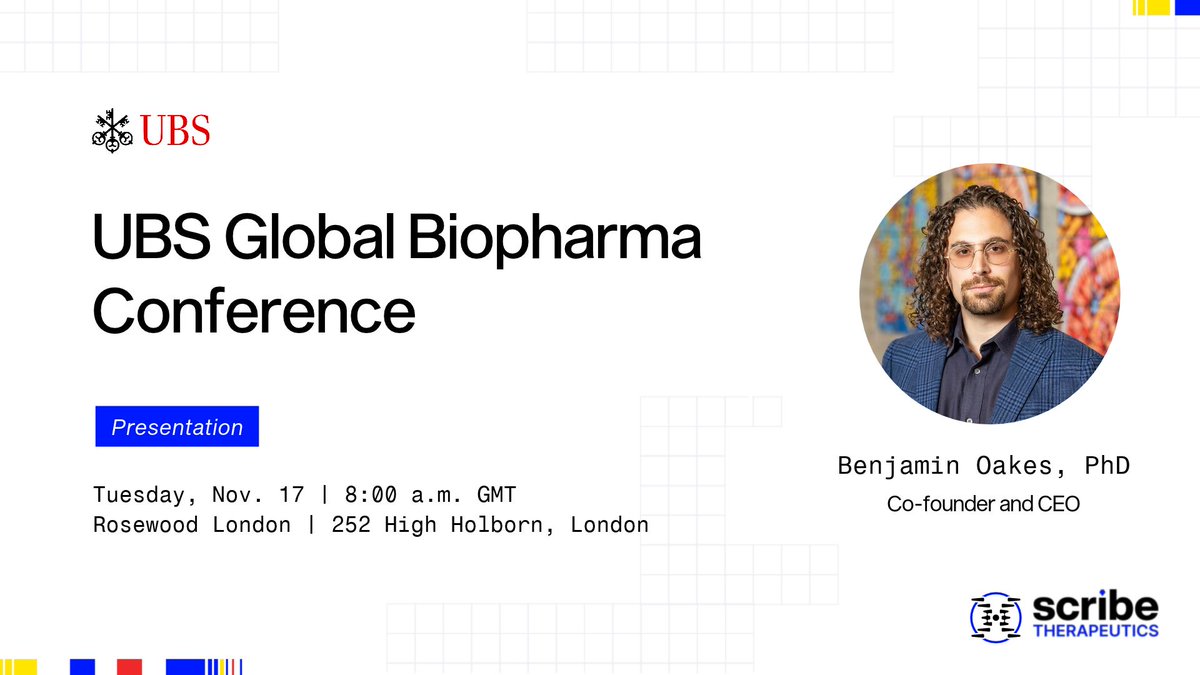
At the UBS Global Biopharma Conference in London this week? Don’t miss Scribe CEO @BenjaminLOakes' presentation in conversation with Timothy Chung.
Ben will share how Scribe is pioneering highly engineered #CRISPR technologies to advance a new generation of genetic medicines, including progress across our pipeline targeting key drivers of cardiovascular disease, with the goal of shifting the paradigm from treating disease to preventing it.
🗓️ Tuesday, Nov. 17 | 8:00 a.m. GMT
📍 Rosewood London, 252 High Holborn, London
We hope to see you there!
Heading to London Life Sciences Week Nov 16-19? Let’s connect!
Building on our established collaborations with leading pharma companies like Lilly and Sanofi, we are excited to explore new opportunities to broaden the impact of our engineered #CRISPR technologies.
Interested in learning more and exploring partnership opportunities with Scribe? Schedule a meeting with our team through the BIO Partnering system below 👇
https://t.co/hKkJr2rL3i
See you in London!
#LondonLifeSciencesWeek
Today we reported our third quarter 2026 financial results and recent corporate highlights, including:
→ Listed on the Nasdaq Global Market under the ticker symbol “SCTX,” and raised capital to fund the initial clinical development of STX-1150, STX-1200, and STX-1400
→ Continued enrollment in our first-in-human Phase 1 trial of STX-1150, our in vivo epigenetic silencing therapy for LDL-C lowering, with initial clinical data expected in the first half of 2027
→ Expanded collaboration with @sanofi, providing them access to ELXR, our epigenetic silencing technology
→ Advanced our cardiovascular pipeline and ELXR and XE technologies, including new data presented at the @American_Heart (AHA) Scientific Sessions and the @ESGCT Congress
“This is a period of continued execution for Scribe, marked by the successful completion of our IPO and expansion of our collaboration with Sanofi to include the epigenetic silencing technology. Together, these milestones strengthen our foundation as we work to translate the potential of our technologies into meaningful medicines for patients,” said our CEO @BenjaminLOakes.
Learn more in our press release: https://t.co/Bb0r042fQo
Could CRISPR one day prevent the leading cause of death worldwide?
At the @SOSV Deep Tech Summit, Nobel laureate and Scribe co-founder Dr. Jennifer Doudna sat down with SOSV General Partner @spchambers007 to trace her path from studying RNA biochemistry to co-founding Scribe.
Dr. Doudna explained how Scribe engineered a CRISPR-based epigenetic silencing technology to precisely change how specific proteins are produced without permanently altering the DNA sequence. This novel approach has the potential to enable safer, durable genetic medicines and expand their applications to common diseases like cardiovascular disease.
Full interview link in the thread 👇
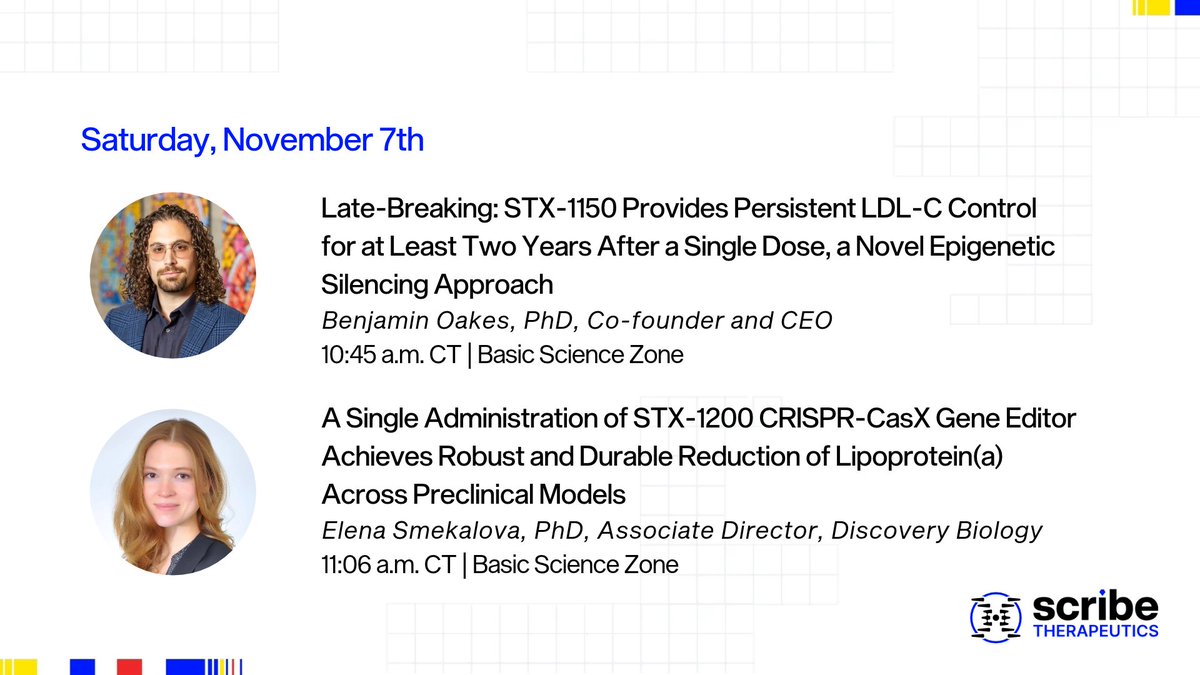
It’s Day 2 of #AHA26 and our team has new data to share on our PCSK9-targeting epigenetic silencing and LPA-targeting gene editing programs, STX-1150 and STX-1200. Stop by our scientific presentations with any questions:
𝗟𝗮𝘁𝗲-𝗯𝗿𝗲𝗮𝗸𝗶𝗻𝗴: 𝗦𝗧𝗫-𝟭𝟭𝟱𝟬 𝗣𝗿𝗼𝘃𝗶𝗱𝗲𝘀 𝗣𝗲𝗿𝘀𝗶𝘀𝘁𝗲𝗻𝘁 𝗟𝗗𝗟-𝗖 𝗖𝗼𝗻𝘁𝗿𝗼𝗹 𝗳𝗼𝗿 𝗮𝘁 𝗟𝗲𝗮𝘀𝘁 𝗧𝘄𝗼 𝗬𝗲𝗮𝗿𝘀 𝗔𝗳𝘁𝗲𝗿 𝗮 𝗦𝗶𝗻𝗴𝗹𝗲 𝗗𝗼𝘀𝗲, 𝗮 𝗡𝗼𝘃𝗲𝗹 𝗘𝗽𝗶𝗴𝗲𝗻𝗲𝘁𝗶𝗰 𝗦𝗶𝗹𝗲𝗻𝗰𝗶𝗻𝗴 𝗔𝗽𝗽𝗿𝗼𝗮𝗰𝗵
10:45 a.m. CT | Basic Science Zone
Presented by @BenjaminLOakes, co-founder and CEO
�� 𝗦𝗶𝗻𝗴𝗹𝗲 𝗔𝗱𝗺𝗶𝗻𝗶𝘀𝘁𝗿𝗮𝘁𝗶𝗼𝗻 𝗼𝗳 𝗦𝗧𝗫-𝟭𝟮𝟬𝟬 𝗖𝗥𝗜𝗦𝗣𝗥-𝗖𝗮𝘀𝗫 𝗚𝗲𝗻𝗲 𝗘𝗱𝗶𝘁𝗼𝗿 𝗔𝗰𝗵𝗶𝗲𝘃𝗲𝘀 𝗥𝗼𝗯𝘂𝘀𝘁 𝗮𝗻𝗱 𝗗𝘂𝗿𝗮𝗯𝗹𝗲 𝗥𝗲𝗱𝘂𝗰𝘁𝗶𝗼𝗻 𝗼𝗳 𝗟𝗶𝗽𝗼𝗽𝗿𝗼𝘁𝗲𝗶𝗻(𝗮) 𝗔𝗰𝗿𝗼𝘀𝘀 𝗣𝗿𝗲𝗰𝗹𝗶𝗻𝗶𝗰𝗮𝗹 𝗠𝗼𝗱𝗲𝗹𝘀
11:06 a.m. CT | Basic Science Zone
Presented by Elena Smekalova, Associate Director, Discovery Biology
@American_Heart
💡 Today at #AHA26, @American_Heart is hosting a new Innovation Forum for clinicians, researchers, entrepreneurs, and investors to share how they turn ideas into real-world cardiovascular impact. Join our CEO @BenjaminLOakes for two featured panel discussions:
𝗧𝗵𝗲 𝗘𝗻𝘁𝗿𝗲𝗽𝗿𝗲𝗻𝗲𝘂𝗿'𝘀 𝗝𝗼𝘂𝗿𝗻𝗲𝘆: 𝗙𝗿𝗼𝗺 𝗜𝗱𝗲𝗮 𝘁𝗼 𝗜𝗺𝗽𝗮𝗰𝘁
8:05 a.m. CT | Room S100A
Hear candid lessons from founders and innovation leaders on turning promising ideas into scalable solutions that improve health outcomes.
𝗔𝗜 𝗮𝗻𝗱 𝘁𝗵𝗲 𝗙𝘂𝘁𝘂𝗿𝗲 𝗼𝗳 𝗖𝗮𝗿𝗱𝗶𝗼𝘃𝗮𝘀𝗰𝘂𝗹𝗮𝗿 𝗜𝗻𝗻𝗼𝘃𝗮𝘁𝗶𝗼𝗻
11:15 a.m. CT | Room S100A
A forward-looking conversation on how artificial intelligence may reshape discovery, care delivery, clinical decision-making, and the cardiovascular innovation ecosystem.
Meet our management team at upcoming healthcare investor conferences. Details below and in our press release: https://t.co/iMEV0QAdLY
𝗚𝘂𝗴𝗴𝗲𝗻𝗵𝗲𝗶𝗺 𝟯𝗿𝗱 𝗔𝗻𝗻𝘂𝗮𝗹 𝗛𝗲𝗮𝗹𝘁𝗵𝗰𝗮𝗿𝗲 𝗜𝗻𝗻𝗼𝘃𝗮𝘁𝗶𝗼𝗻 𝗖𝗼𝗻𝗳𝗲𝗿𝗲𝗻𝗰𝗲
Fireside chat featuring our CEO @BenjaminLOakes on Tuesday, Nov. 10, 2026 at 1:00 PM ET in Boston
𝗦𝘁𝗶𝗳𝗲𝗹 𝗛𝗲𝗮𝗹𝘁𝗵𝗰𝗮𝗿𝗲 𝗖𝗼𝗻𝗳𝗲𝗿𝗲𝗻𝗰𝗲
Presentation by our CEO Benjamin Oakes on Wednesday, Nov. 11, 2026 at 3:20 PM ET in New York
𝗟𝗼𝗻𝗱𝗼𝗻 𝗟𝗶𝗳𝗲 𝗦𝗰𝗶𝗲𝗻𝗰𝗲𝘀 𝗪𝗲𝗲𝗸
Management to host one-on-one meetings with investors in London between Nov. 15-20, 2026
@Stifel #LLSW2026 #BIOPartnering
#AHA26 is almost here! The Scribe team is heading to Chicago to share exciting advances on our PCSK9-targeting epigenetic silencing and LPA-targeting gene editing programs, STX-1150 and STX-1200.
If you’re attending @American_Heart Scientific Sessions this year, join our CEO @BenjaminLOakes and Associate Director of Discovery Biology Elena Smekalova for these scientific presentations and Innovation Forum panel discussions! 👇
Saturday, November 7 | Scientific Presentations
1️⃣ 𝗟𝗮𝘁𝗲-𝗯𝗿𝗲𝗮𝗸𝗶𝗻𝗴 𝗽𝗿𝗲𝘀𝗲𝗻𝘁𝗮𝘁𝗶𝗼𝗻: 𝗦𝗧𝗫-𝟭𝟭𝟱𝟬 𝗣𝗿𝗼𝘃𝗶𝗱𝗲𝘀 𝗣𝗲𝗿𝘀𝗶𝘀𝘁𝗲𝗻𝘁 𝗟𝗗𝗟-𝗖 𝗖𝗼𝗻𝘁𝗿𝗼𝗹 𝗳𝗼𝗿 𝗮𝘁 𝗟𝗲𝗮𝘀𝘁 𝗧𝘄𝗼 𝗬𝗲𝗮𝗿𝘀 𝗔𝗳𝘁𝗲𝗿 𝗮 𝗦𝗶𝗻𝗴𝗹𝗲 𝗗𝗼𝘀𝗲, 𝗮 𝗡𝗼𝘃𝗲𝗹 𝗘𝗽𝗶𝗴𝗲𝗻𝗲𝘁𝗶𝗰 𝗦𝗶𝗹𝗲𝗻𝗰𝗶𝗻𝗴 𝗔𝗽𝗽𝗿𝗼𝗮𝗰��
10:45 a.m. CT | Basic Science Zone
2️⃣ 𝗣𝗿𝗲𝘀𝗲𝗻𝘁𝗮𝘁𝗶𝗼𝗻: 𝗔 𝗦𝗶𝗻𝗴𝗹𝗲 𝗔𝗱𝗺𝗶𝗻𝗶𝘀𝘁𝗿𝗮𝘁𝗶𝗼𝗻 𝗼𝗳 𝗦𝗧𝗫-𝟭𝟮𝟬𝟬 𝗖𝗥𝗜𝗦𝗣𝗥-𝗖𝗮𝘀𝗫 𝗚𝗲𝗻𝗲 𝗘𝗱𝗶𝘁𝗼𝗿 𝗔𝗰𝗵𝗶𝗲𝘃𝗲𝘀 𝗥𝗼𝗯𝘂𝘀𝘁 𝗮𝗻𝗱 𝗗𝘂𝗿𝗮𝗯𝗹𝗲 𝗥𝗲𝗱𝘂𝗰𝘁𝗶𝗼𝗻 𝗼𝗳 𝗟𝗶𝗽𝗼𝗽𝗿𝗼𝘁𝗲𝗶𝗻(𝗮) 𝗔𝗰𝗿𝗼𝘀𝘀 𝗣𝗿𝗲𝗰𝗹𝗶𝗻𝗶𝗰𝗮𝗹 𝗠𝗼𝗱𝗲𝗹𝘀
11:06 a.m. CT | Basic Science Zone
In town a day early for the inaugural AHA Innovation Forum? We’ll be participating in two sessions on Friday, November 6:
3️⃣ ��𝗵𝗲 𝗘𝗻𝘁𝗿𝗲𝗽𝗿𝗲𝗻𝗲𝘂𝗿'𝘀 𝗝𝗼𝘂𝗿𝗻𝗲𝘆: 𝗙𝗿𝗼𝗺 𝗜𝗱𝗲𝗮 𝘁𝗼 𝗜𝗺𝗽𝗮𝗰𝘁
8:05 a.m. CT | Room S100A
4️⃣ 𝗙𝗶𝗿𝗲𝘀𝗶𝗱𝗲 𝗖𝗼𝗻𝘃𝗲𝗿𝘀𝗮𝘁𝗶𝗼𝗻: 𝗔𝗜 𝗮𝗻𝗱 𝘁𝗵𝗲 𝗙𝘂𝘁𝘂𝗿𝗲 𝗼𝗳 𝗖𝗮𝗿𝗱𝗶𝗼𝘃𝗮𝘀𝗰𝘂𝗹𝗮𝗿 𝗜𝗻𝗻𝗼𝘃𝗮𝘁𝗶𝗼𝗻
11:15 a.m. CT | Room S100A
See you in Chicago!
It’s time for 𝗦𝗰𝗿𝗶𝗯𝗲 𝗦𝘆𝗹𝗹𝗮𝗯𝘂𝘀 #6!
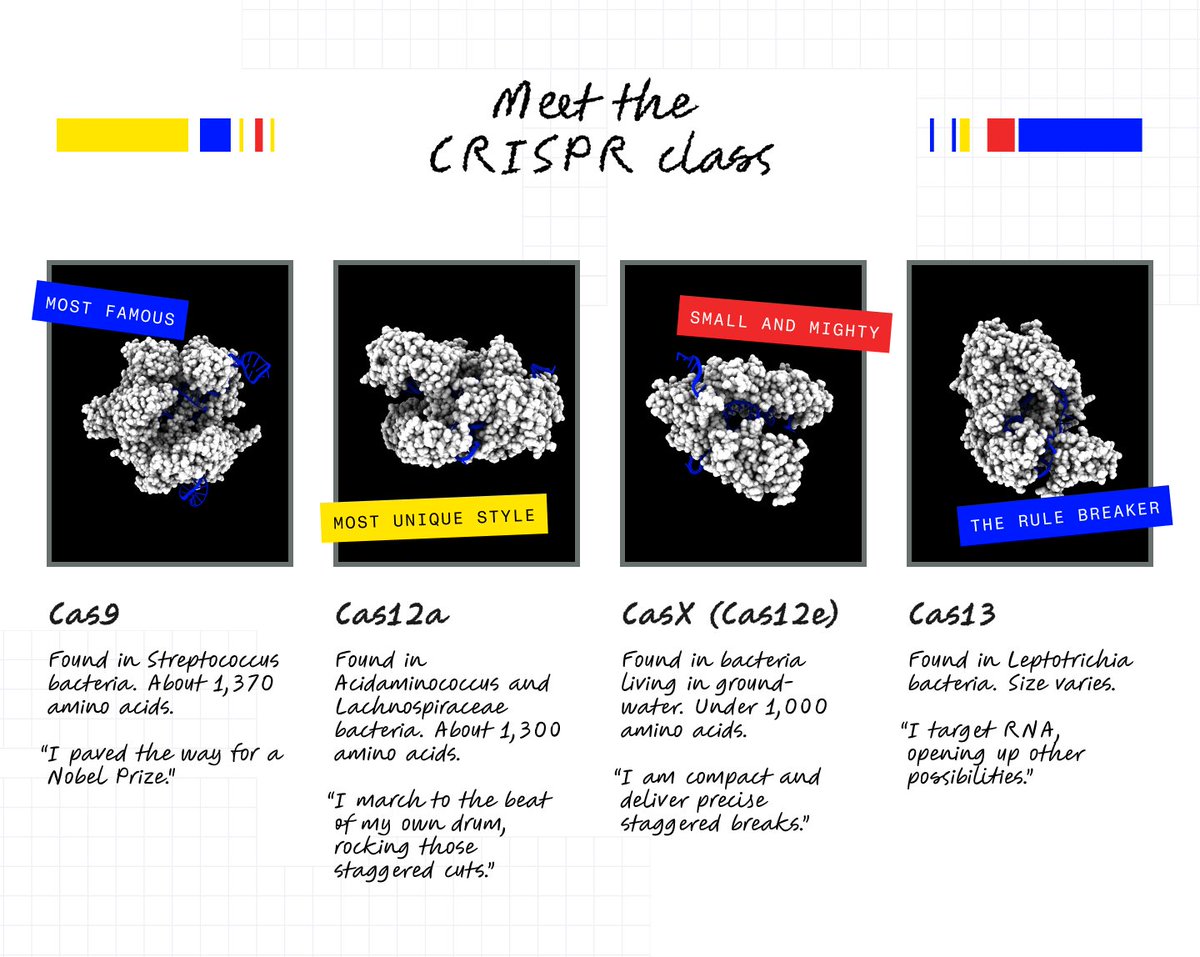
When people hear the word "CRISPR," they often imagine a single technology. In reality, nature has evolved many different CRISPR systems, each with its own unique properties.
Think of CRISPR systems like tools in a toolbox. While they all perform similar functions, some are better suited for certain jobs than others. When the task is treating a real disease in a real person, picking the right tool matters.
This week, we’ll discuss the various systems, how they differ from one another, and how they present unique solutions to some of the biggest problems in human health.
Leave your questions down in the comments!
𝗔 𝗴𝘂𝗶𝗱𝗲 𝘁𝗼 𝗱𝗶𝗳𝗳𝗲𝗿𝗲𝗻𝘁 𝗖𝗥𝗜𝗦𝗣𝗥 𝘀𝘆𝘀𝘁𝗲𝗺𝘀 𝗮𝗻𝗱 𝘄𝗵𝗮𝘁 𝘀𝗲𝘁𝘀 𝘁𝗵𝗲𝗺 𝗮𝗽𝗮𝗿𝘁
🧬 The Cas enzyme is the key
🧬 Cas9, the “original model”
🧬 A world of microbes means a world of possibilities
🧬 Meet more members of the family: Cas12a, CasX, and Cas13
Dive in on our Substack: https://t.co/Uh16nGxzhT
Thanks to Bakar Bio Labs for inviting Ioana Aanei, our Director of Business Development and Alliance Management, to walk founders through best practices of dealmaking and what pharma companies look for in a partner. Catch up on key takeaways from the panel discussion 👇
𝗦𝗲𝘁𝘁𝗶𝗻𝗴 𝘂𝗽 𝗦𝘂𝗰𝗰𝗲𝘀𝘀𝗳𝘂𝗹 𝗕𝗗 𝗖𝗼𝗹𝗹𝗮𝗯𝗼𝗿𝗮𝘁𝗶𝗼𝗻𝘀 𝘄𝗶𝘁𝗵 𝗣𝗵𝗮𝗿𝗺𝗮 𝗮𝘀 𝗮 𝗕𝗶𝗼𝘁𝗲𝗰𝗵 𝗦𝘁𝗮𝗿𝘁𝘂𝗽 𝗖𝗼𝗺𝗽𝗮𝗻𝘆
→ Know when and how to approach pharma. Earning credibility matters, and keeping it matters even more.
→ Pharma BD teams have to champion an opportunity inside their own organizations. Proof points that validate your technology give them a case.
→ Watch for signals that an interaction is gaining momentum.
→ Deals can fall apart over IP, terms, or a stakeholder who isn’t fully on board.
→ Strong partnerships rest on a clear contract, good communication, and aligned incentives.
Ioana L. Aanei, our Director of Business Development and Alliance Management, is a @Biocom Life Science Catalyst awardee! Join us in celebrating her recognition today (her second of this month) for shaping the future of life science and genetic medicine in California and beyond.
Read about her leadership in her #BiocomCatalystAwards profile. Full link here: https://t.co/xxd7Gum8wq
“Ioana Aanei is the bridge between Scribe Therapeutics and the outside world. Scribe engineers CRISPR-based genetic medicines designed to fix the genetic cause of disease in a single treatment, using highly specific guides to steer editing to the exact spot in the genome while avoiding off-target side effects.
Her advice to young scientists: deep training never goes away, and there are far more careers than bench scientist or professor. She sees the Catalyst Award as recognition of a leadership style: ‘You’re not just elbowing your way to the front, you’re bringing people with you.’”
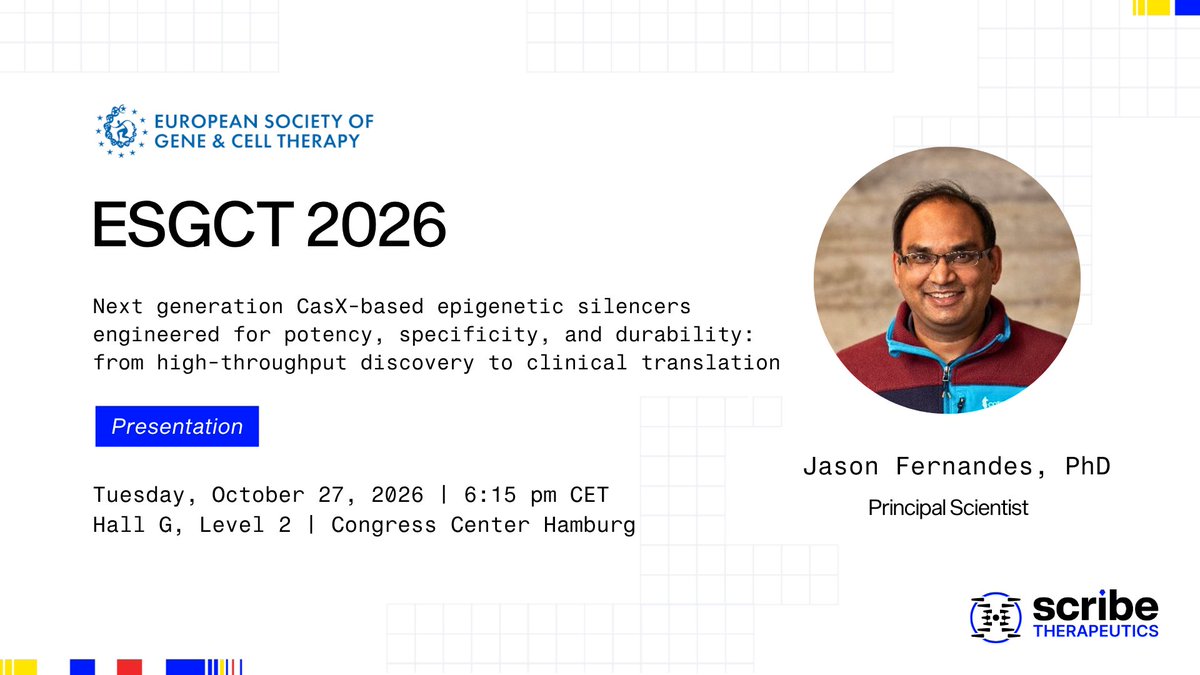
Next week, we’re in Hamburg, Germany, for #ESGCT2026! Principal Scientist Jason Fernandes (@jdf_ev) will present data on our epigenetic silencing technology ELXR and our engineering approach for improving potency and specificity.
ELXR underpins STX-1150, our clinical-stage PCSK9-targeting therapy designed to down-regulate PCSK9 transcription and deliver ultra-long-acting, potent LDL-C reductions for years – without permanently altering DNA.
Swing by on Tuesday to learn more about our epigenetic silencers at @ESGCT Congress. More details below.
🧬 Next generation CasX-based epigenetic silencers engineered for potency, specificity, and durability: from high-throughput discovery to clinical translation
🪧 Session 2b: (Epi)genome editing I
📅 Tuesday, October 27, 2026 at 6:15 pm CET
#ESGCTHamburg2026
At Ilmac Lausanne, our co-founder and VP External Innovation Brett Staahl gave a keynote on a belief we hold firmly at Scribe: AI is only useful if it is trained on the right datasets.
Brett’s talk, “Purpose-built CRISPR genetic medicines — Leveraging human know-how and AI to create better therapeutics faster,” showcased how Scribe’s CRISPR by Design™ iterative molecular engineering approach engineers CRISPR systems into precision medicines AND learns from the biology, turning those data into better predictions for Scribe’s platform technologies, XE and ELXR, and future therapeutic programs. The goal is to use AI and machine learning to move from broad screening toward targeted prediction, so we can test more hypotheses better, faster. He explained that while purpose-built CRISPR genetic medicines are the output, the proprietary sequence-function knowledge base is the compounding asset.
Brett also joined the “AI & Quantum in Life Sciences” panel discussion that clarified actionable steps that biopharma companies can take to implement AI/ML and reimagine their workflows.
Watch his interview to learn more about our work at Scribe 👇
https://t.co/JSIlLakdy4
Next week, our CEO @BenjaminLOakes will speak at the @Biocom CEO Summit in Sonoma. Industry leaders can tune in for the “CEO Perspectives: Pharma BD&L” session – a real-world tutorial for biotech CEOs and executive teams – on Friday, October 23.
This #BiocomCEOSummit panel will walk through how business development deals actually move through biotech and pharmaceutical organizations, breaking down the practical mechanics, workflows, and decision points that shape whether a deal gets done or stalls along the way.
Welcome to lesson #5 of 𝗦𝗰𝗿𝗶𝗯𝗲 𝗦𝘆𝗹𝗹𝗮𝗯𝘂𝘀, our educational series exploring how genetic medicine can tackle some of health’s most critical challenges.
We’ve started to explore how CRISPR works and how its main components comprise a tool that can be reprogrammed to target almost any sequence in the genome. Now we’ll dive further into the artful process of how CRISPR actually finds and edits DNA.
Leave your questions down in the comments!
📖 𝗖𝗥𝗜𝗦𝗣𝗥'𝘀 𝗺𝗼𝗹𝗲𝗰𝘂𝗹𝗮𝗿 𝗺𝗮𝗰𝗵𝗶𝗻𝗲𝗿𝘆 𝘂𝗽 𝗰𝗹𝗼𝘀𝗲: 𝗣𝗮𝗿𝘁 𝟮
Let’s return to two important components that make up the CRISPR system: the guide RNA (gRNA) and the Cas enzyme. In our last lesson, we learned that the gRNA (the “GPS system”) leads the Cas enzyme (“the scissors”) to the targeted DNA sequence.
This week, we will explore how these CRISPR components are delivered to cells, assembled, transported into the nucleus, and the process by which they scan the genome to make a defined edit at the target DNA sequence.
Dive in with our Substack post and follow along in our video. 🔗 https://t.co/jEGcm1H9B3
We’re proud to have the support of @CIRMnews in advancing our cardiovascular programs into the clinic and to patients who need them most. CIRM features these two therapies – STX-1200 for Lp(a)-driven atherosclerotic cardiovascular disease and STX-1400 for severe hypertriglyceridemia – and our recent IPO in a new blog post.
“This investment helps Scribe to advance two programs that aim to deliver practical, one-time therapeutic solutions to patients throughout California that will enable them to avoid a lifetime of healthcare friction spent managing disease imperfectly.” - Brett Staahl, Scribe co-founder and Vice President of External Innovation
More from CIRM: https://t.co/0u34FcHqS4