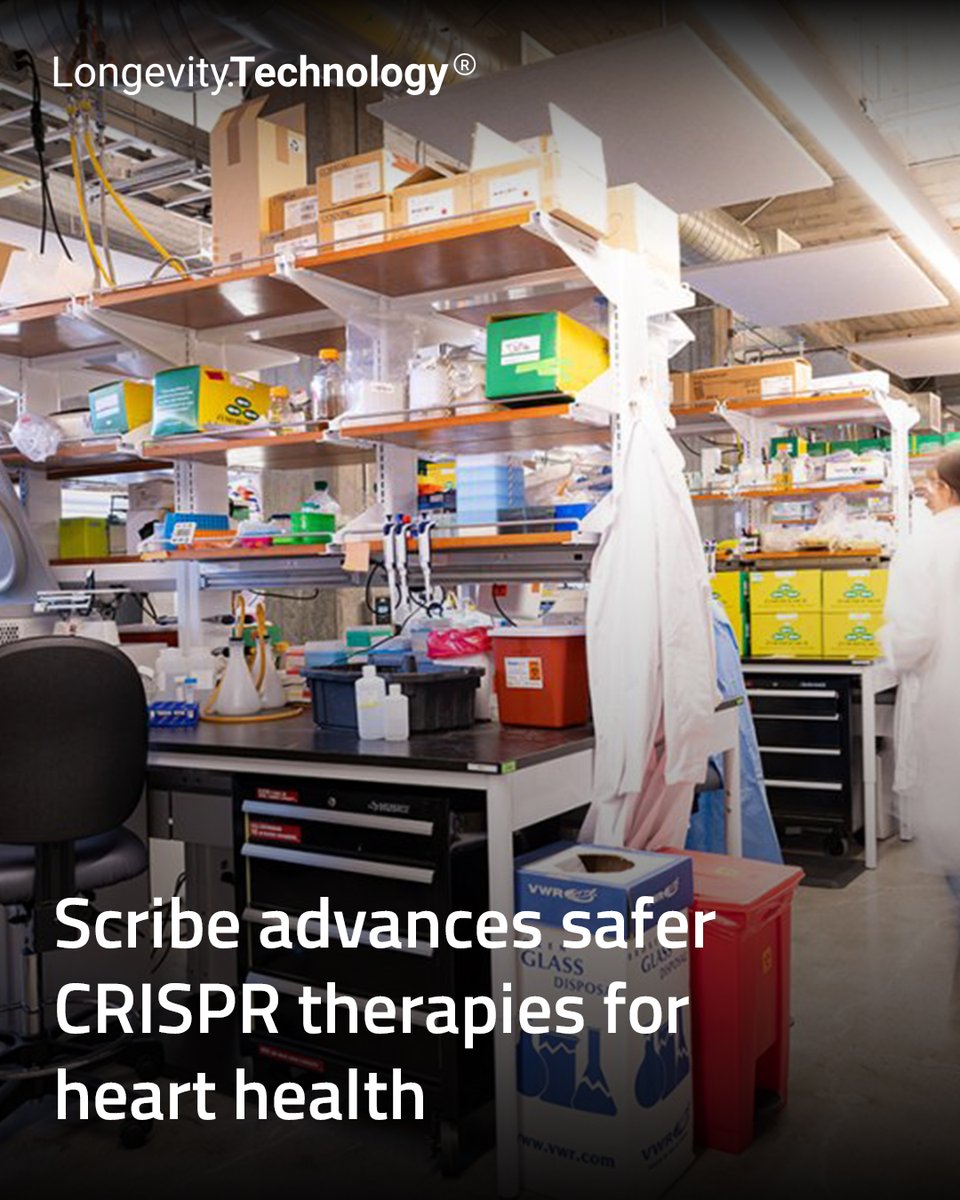
𝗧𝗼𝗱𝗮𝘆, 𝗦𝗰𝗿𝗶𝗯𝗲 𝗧𝗵𝗲𝗿𝗮𝗽𝗲𝘂𝘁𝗶𝗰𝘀 𝗼𝗳𝗳𝗶𝗰𝗶𝗮𝗹𝗹𝘆 𝗯𝗲𝗰𝗮𝗺𝗲 𝗮 𝗰𝗹𝗶𝗻𝗶𝗰𝗮𝗹-𝘀𝘁𝗮𝗴𝗲 𝗯𝗶𝗼𝘁𝗲𝗰𝗵𝗻𝗼𝗹𝗼𝗴𝘆 𝗰𝗼𝗺𝗽𝗮𝗻𝘆 𝘄𝗶𝘁𝗵 𝘁𝗵𝗲 𝗮𝗱𝘃𝗮𝗻𝗰𝗲𝗺𝗲𝗻𝘁 𝗼𝗳 𝗦𝗧𝗫-𝟭𝟭𝟱𝟬, a novel 𝘪𝘯 𝘷𝘪𝘷𝘰 epigenetic CRISPR therapy designed to deliver ultra-durable lowering of “bad cholesterol,” from a single dose, all without permanently altering the genome.
This program is built on years of intentional and iterative engineering focused on improving the safety, specificity, potency, and durability of CRISPR medicines.
𝗕𝘂𝘁 𝘄𝗵𝗮𝘁 𝗲𝘅𝗰𝗶𝘁𝗲𝘀 𝗺𝗲 𝗺𝗼𝘀𝘁 𝗶𝘀 𝘄𝗵𝗮𝘁 𝘁𝗵𝗶𝘀 𝗰𝗼𝘂𝗹𝗱 𝗺𝗲𝗮𝗻 𝗳𝗼𝗿 𝗽𝗮𝘁𝗶𝗲𝗻𝘁𝘀 𝗹𝗶𝗸𝗲 𝗺𝘆𝘀𝗲𝗹𝗳.
As someone at high risk of ASCVD, like roughly one-third of adults in the U.S., I’ve spent a lot of time thinking about the burden patients carry. For a chronic disease like ASCVD, prevention is far from easy. Success depends on maintaining near-perfect adherence to pills or injections for decades. In the real world, that’s incredibly difficult and simply not practical for most people. The fact that ASCVD remains the leading cause of death globally, despite plenty of therapeutic choices, makes that painfully clear.
𝗧𝗵𝗲 𝗳𝘂𝘁𝘂𝗿𝗲 𝗼𝗳 𝗺𝗲𝗱𝗶𝗰𝗶𝗻𝗲 𝘀𝗵𝗼𝘂𝗹𝗱 𝗮𝘀𝗽𝗶𝗿𝗲 𝘁𝗼 𝗺𝗼𝗿𝗲 𝘁𝗵𝗮𝗻 𝗰𝗵𝗮𝗶𝗻𝗶𝗻𝗴 𝗽𝗮𝘁𝗶𝗲𝗻𝘁𝘀 𝘁𝗼 𝗹𝗶𝗳𝗲𝗹𝗼𝗻𝗴 𝗺𝗲𝗱𝗶𝗰𝗮𝘁𝗶𝗼𝗻𝘀.
The vision behind STX-1150 is to provide year to decades of LDL-C lowering from a simple intervention, helping free patients from the constant burden of chronic treatment while more effectively reducing the risk of the world’s leading cause of death.
The future is about empowering patients to take greater control of our own health destiny and preventing disease rather than waiting to treat it after catastrophe occurs.
𝗜 𝗯𝗲𝗹𝗶𝗲𝘃𝗲 𝗮 𝗻𝗲𝘄 𝗲𝗿𝗮 𝗼𝗳 𝘁𝗵𝗲𝗿𝗮𝗽𝗲𝘂𝘁𝗶𝗰𝘀 𝗶𝘀 𝗼𝗻 𝘁𝗵𝗲 𝗵𝗼𝗿𝗶𝘇𝗼𝗻, 𝗼𝗻𝗲 𝘄𝗵𝗲𝗿𝗲 𝗺𝗲𝗱𝗶𝗰𝗶𝗻𝗲 𝗰𝗮𝗻 𝗱𝘂𝗿𝗮𝗯𝗹𝘆 𝗿𝗲𝘀𝗵𝗮𝗽𝗲 𝗹𝗼𝗻𝗴-𝘁𝗲𝗿𝗺 𝗵𝗲𝗮𝗹𝘁𝗵 𝗮𝗻𝗱 𝗮𝗹𝗹𝗼𝘄 𝘂𝘀 𝗮𝗹𝗹 𝘁𝗼 𝗹𝗶𝘃𝗲 𝗹𝗼𝗻𝗴𝗲𝗿, 𝗵𝗲𝗮𝗹𝘁𝗵𝗶𝗲𝗿 𝗹𝗶𝘃𝗲𝘀 𝘄𝗶𝘁𝗵 𝗴𝗿𝗲𝗮𝘁𝗲𝗿 𝗳𝗿𝗲𝗲𝗱𝗼𝗺.
Extremely proud of the entire Scribe team for advancing this vision. Excited for what comes next.
Announcing our first clinical trial.
Scribe has secured regulatory clearance from Australia’s @TGAgovau to initiate a first-in-human clinical study of STX-1150 for the treatment of hypercholesterolemia, a major driver of atherosclerotic cardiovascular disease (ASCVD).
Details🧵
Nearly 20 years ago, researchers discovered something fascinating: some people are naturally protected from heart attacks because one of their PCSK9 genes is turned off, leading to low cholesterol from birth.
That observation sparked a simple but ambitious question: can we give that same protection to others?
Results from the Heart-2 Phase 1 trial released today show early clinical evidence that could open the door to new possibilities.
These are results in 35 people and we have a lot left to learn. But, the results could potentially mean an entirely different way of treating high cholesterol — one infusion, lifelong cholesterol lowering.
See the thinking behind this approach:
https://t.co/PMzFI2ip9D
#EASCongress2026 has kicked off! A late-breaking oral presentation from our CEO @BenjaminLOakes will showcase preclinical data for STX-1150, our epigenetic silencing therapy that’s designed for durable LDL-C reduction & now in the clinic.
Thanks to @EASCongress for featuring it!
𝗧𝗼𝗱𝗮𝘆, 𝗦𝗰𝗿𝗶𝗯𝗲 𝗧𝗵𝗲𝗿𝗮𝗽𝗲𝘂𝘁𝗶𝗰𝘀 𝗼𝗳𝗳𝗶𝗰𝗶𝗮𝗹𝗹𝘆 𝗯𝗲𝗰𝗮𝗺𝗲 𝗮 𝗰𝗹𝗶𝗻𝗶𝗰𝗮𝗹-𝘀𝘁𝗮𝗴𝗲 𝗯𝗶𝗼𝘁𝗲𝗰𝗵𝗻𝗼𝗹𝗼𝗴𝘆 𝗰𝗼𝗺𝗽𝗮𝗻𝘆 𝘄𝗶𝘁𝗵 𝘁𝗵𝗲 𝗮𝗱𝘃𝗮𝗻𝗰𝗲𝗺𝗲𝗻𝘁 𝗼𝗳 𝗦𝗧𝗫-𝟭𝟭𝟱𝟬, a novel 𝘪𝘯 𝘷𝘪𝘷𝘰 epigenetic CRISPR therapy designed to deliver ultra-durable lowering of “bad cholesterol,” from a single dose, all without permanently altering the genome.
This program is built on years of intentional and iterative engineering focused on improving the safety, specificity, potency, and durability of CRISPR medicines.
𝗕𝘂𝘁 𝘄𝗵𝗮𝘁 𝗲𝘅𝗰𝗶𝘁𝗲𝘀 𝗺𝗲 𝗺𝗼𝘀𝘁 𝗶𝘀 𝘄𝗵𝗮𝘁 𝘁𝗵𝗶𝘀 𝗰𝗼𝘂𝗹𝗱 𝗺𝗲𝗮𝗻 𝗳𝗼𝗿 𝗽𝗮𝘁𝗶𝗲𝗻𝘁𝘀 𝗹𝗶𝗸𝗲 𝗺𝘆𝘀𝗲𝗹𝗳.
As someone at high risk of ASCVD, like roughly one-third of adults in the U.S., I’ve spent a lot of time thinking about the burden patients carry. For a chronic disease like ASCVD, prevention is far from easy. Success depends on maintaining near-perfect adherence to pills or injections for decades. In the real world, that’s incredibly difficult and simply not practical for most people. The fact that ASCVD remains the leading cause of death globally, despite plenty of therapeutic choices, makes that painfully clear.
𝗧𝗵𝗲 𝗳𝘂𝘁𝘂𝗿𝗲 𝗼𝗳 𝗺𝗲𝗱𝗶𝗰𝗶𝗻𝗲 𝘀𝗵𝗼𝘂𝗹𝗱 𝗮𝘀𝗽𝗶𝗿𝗲 𝘁𝗼 𝗺𝗼𝗿𝗲 𝘁𝗵𝗮𝗻 𝗰𝗵𝗮𝗶𝗻𝗶𝗻𝗴 𝗽𝗮𝘁𝗶𝗲𝗻𝘁𝘀 𝘁𝗼 𝗹𝗶𝗳𝗲𝗹𝗼𝗻𝗴 𝗺𝗲𝗱𝗶𝗰𝗮𝘁𝗶𝗼𝗻𝘀.
The vision behind STX-1150 is to provide year to decades of LDL-C lowering from a simple intervention, helping free patients from the constant burden of chronic treatment while more effectively reducing the risk of the world’s leading cause of death.
The future is about empowering patients to take greater control of our own health destiny and preventing disease rather than waiting to treat it after catastrophe occurs.
𝗜 𝗯𝗲𝗹𝗶𝗲𝘃𝗲 𝗮 𝗻𝗲𝘄 𝗲𝗿𝗮 𝗼𝗳 𝘁𝗵𝗲𝗿𝗮𝗽𝗲𝘂𝘁𝗶𝗰𝘀 𝗶𝘀 𝗼𝗻 𝘁𝗵𝗲 𝗵𝗼𝗿𝗶𝘇𝗼𝗻, 𝗼𝗻𝗲 𝘄𝗵𝗲𝗿𝗲 𝗺𝗲𝗱𝗶𝗰𝗶𝗻𝗲 𝗰𝗮𝗻 𝗱𝘂𝗿𝗮𝗯𝗹𝘆 𝗿𝗲𝘀𝗵𝗮𝗽𝗲 𝗹𝗼𝗻𝗴-𝘁𝗲𝗿𝗺 𝗵𝗲𝗮𝗹𝘁𝗵 𝗮𝗻𝗱 𝗮𝗹𝗹𝗼𝘄 𝘂𝘀 𝗮𝗹𝗹 𝘁𝗼 𝗹𝗶𝘃𝗲 𝗹𝗼𝗻𝗴𝗲𝗿, 𝗵𝗲𝗮𝗹𝘁𝗵𝗶𝗲𝗿 𝗹𝗶𝘃𝗲𝘀 𝘄𝗶𝘁𝗵 𝗴𝗿𝗲𝗮𝘁𝗲𝗿 𝗳𝗿𝗲𝗲𝗱𝗼𝗺.
Extremely proud of the entire Scribe team for advancing this vision. Excited for what comes next.
In @theheraldsun, Dr. Stephen Nicholls of @MonashVHI, Victorian Heart Hospital, and the PI leading Scribe's clinical trial shares his perspective on our epigenetic silencing drug STX-1150 and the need for improved therapies for cardiovascular disease. Links in thread ⬇️
Five years ago we sketched out the designs for our first epigenome editors. Proud to see those sketches move into the clinic.
You can read more about the technology underpinning our epi-editors in this preprint we recently presented at ASGCT: https://t.co/SuSGvwgnPb
Great article in @statnews by @damiangarde today covering schism in the biotech industry over the rise of Chinese biotech industry - notably no one will go on record but me😛
The US can easily stop the Chinese biotech industry whenever it chooses as the US consumer is responsible for 70% (!!!) of the drug industry profits. Thus the US gets to set the rules.
It is a mistake to outsource this industry -- very simply: the technology of genetic engineering is a matter of national security and democracies should lead it. We would not feel good if the US wasn't leading AI today and trust me we will feel even worse if we are behind in genetic engineering in the future as the tech improves.
If you talk to people privately in biotech they will say it's a Prisoner's dilemma where they wish the rules would change. If the rules stay as they are then to stay competitive venture capitalists need to move their $ to China and pharma companies need to buy their drug assets from Chinese startups instead of from startups in Kendall Square or South San Francisco (the current US hubs for drug discovery).
To fix this we should take two approaches:
(1) Offensive - make US biotech industry more competitive!
* Reform phase 1 clinical trails in US to be as fast as China and Australia -- this is in progress now at @US_FDA . @DrSynbio congressional testimony on this was very helpful. (link below).
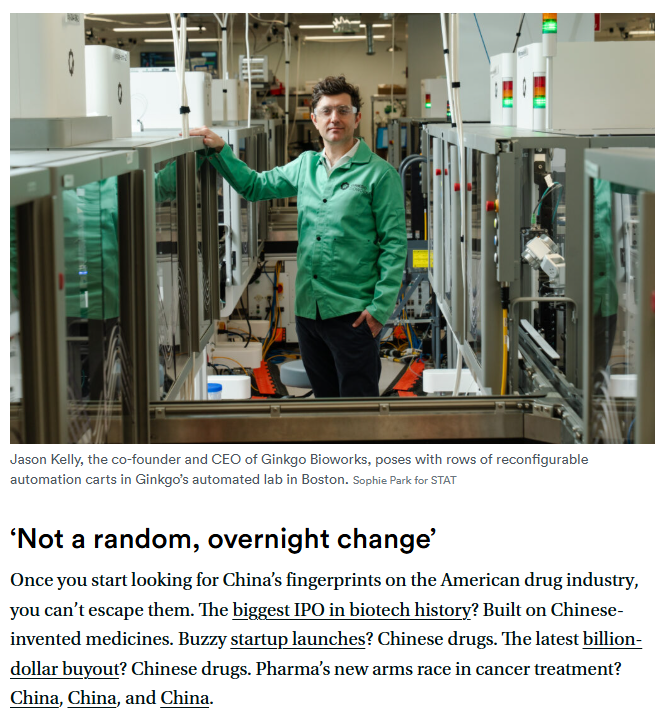
* Replace manual laboratories with autonomous robotic laboratories via programs like NSF Cloud Labs program and @SenToddYoung 's Cloud Lab Bill so US scientists can compete with lower-cost scientific labor in China. Yes, @ginkgo is the leader in making this tech. Efforts from @WHOSTP44. @dariogila, @mkratsios47, @sriramk with the WH Genesis Mission are a big help here.
* Fix our approach to biotech patents -- it is very easy for Chinese startups to fast-follow US companies that have scientific breakthroughs by easily working around patents, @john_evans3 has led in thinking here.
(2) Defensive - slow the rise of the biotechnology industry in China
* USG should add biotechnology to the COINS Act list of strategic technologies alongside AI, Quantum, Semiconductors, and Drones to prevent US investment from speeding Chinese development.
* Other tools can be used in the future to easily penalize drug assets that originate from startups in China -- can do via regulatory pathway or via Medicare reimbursement.
Genetic engineering is the most important technology to the future of humanity. Democracies should not give up on it! Let's fight for it!
At #ASGCT2026, we presented preclinical data highlighting the latest advances across our engineered #CRISPR technologies for epigenetic silencing and gene editing.
Highlights of our three oral presentations below and in thread 🧵
https://t.co/9YkjgQr8k5
This will not end well for the US biopharma industry. The BMS/Hengrui deal announced yesterday includes co-commercialization which is the last piece after manufacturing and discovery that has not been present in Chinese drug cos.
If we want to maintain our lead in US biotechnology we need to:
1. Drop cost and increase speed of phase 1 clinical trials in US. Good progress here recently from @US_FDA
2. Drop cost and increase speed of the lab work that drives product development in therapeutics. At @ginkgo we believe you do this via autonomous robotic labs, but I'll take anything that works -- right now discovery is 1/3 the cost in China as bench scientists there are 1/3 the labor cost.
3. Improve IP protections so its not too easy to fast-follow a biologic -- often the ultra-risky first clinical work on a new target is done in US and Chinese startups are fast-following and easily designing around patent limitations on protein sequences.
4. Leverage the fact that US consumers are paying for 70% of the profits in the biopharma industry to put in place the sort of trade restrictions we use to protect domestic automotive, defense, AI, and other strategic industries. Easy way to get started here is add biotech to the COINS Act list of strategic technologies alongside chips, AI, quantum, drones, etc.
We need to do it now. Democracies should control genetic engineering - it's not more complicated than that.
"Hengrui, which has the option to co-develop certain assets and participate in commercialization globally, gains access to some of the fruits of BMS’ drug discovery engine, plus its partners’ global R&D, regulatory and commercial capabilities."
https://t.co/WwghukzHIY
Two #ASGCT26 oral presentations tomorrow!
🔹Engineering CasX for therapeutic-grade in vivo editing with DeepXE, a predictive model for guide potency
🔹ADDing a lock to epigenome editing: DNMT3A allostery enhances specificity and potency of CRISPR-CasX-based epigenetic repressors
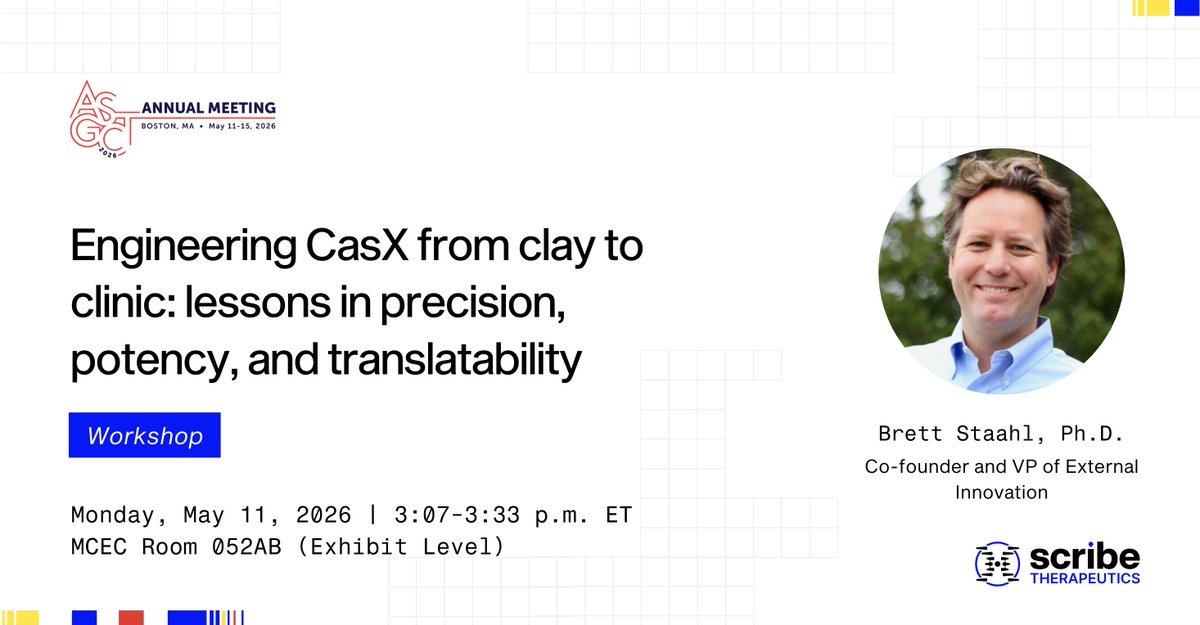
We’re kicking off #ASGCT2026 today with a workshop by co-founder & VP of External Innovation @BStaahl. Details below & more to come at @ASGCTherapy later this week!
🔹Engineering CasX from clay to clinic: lessons in precision, potency, and translatability
🕒 May 11 at 3:07 pm ET
The path of least resistance to reducing the cost of medical care is to require all Non Profit Hospitals and providere to be required to post on their website a Real Time and downloadable General Ledger with all entries
The same for all supply chain transactions In detail
There is no reason why taxpayers shouldn't see every penny they are subsidizing None
There are no competitive reasons we don't subsizie you to maximize revenues or profits We let you be NP to maximize outcomes and we deserve to see every penny and where it comes from and where it goes, and why
Problem solved
📊At #EASCongress2026, our late-breaker will report preclinical data for STX-1150, our PCSK9-targeting epigenetic silencing therapy for LDL-C lowering.
🔗 For more details, read our press release: https://t.co/5DzF6sr0fs