Columna de hoy en La Tercera junto a @tomasechiburu sobre la importancia de evaluar bien los beneficios amplios (salud, seguridad, etc.) de la infraestructura para la movilidad activa. No completar la ciclovía de la Alameda es un error y una injusticia, no un ahorro.
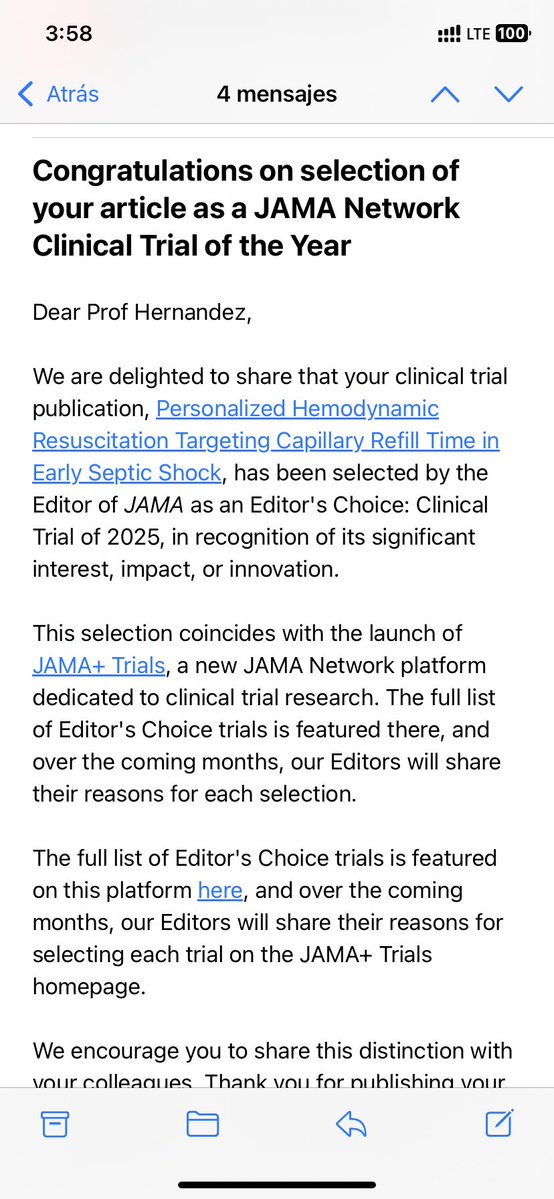
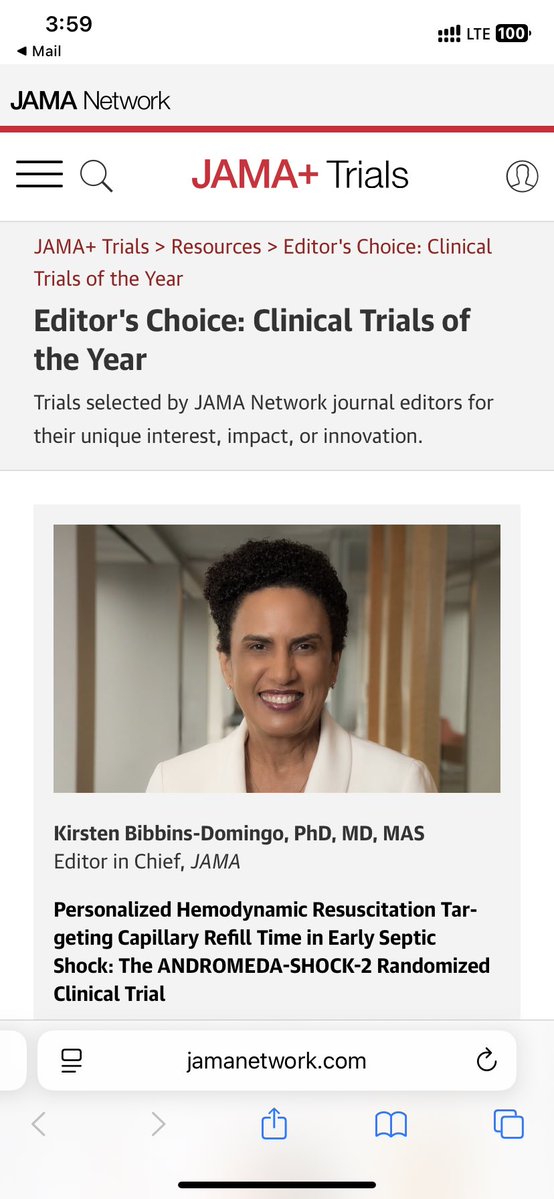
In patients with early septic shock, the ANDROMEDA‑SHOCK‑2 randomized clinical trial evaluated a personalized hemodynamic resuscitation protocol targeting normalization of capillary refill time.
Compared with usual care, this strategy was superior for a hierarchical composite outcome of mortality, duration of vital support, and length of hospital stay at 28 days, with the overall benefit primarily attributable to a shorter duration of organ support. 🧵
The Blue Journal thanks Irene Telias, MD, PhD, for her contribution to the March issue
Physiological Consequences of Breathing Effort According to the Mode of Ventilation During Acute Hypoxemic Respiratory Failure
https://t.co/TkPN9giC1w
@irene_telias@UHN_Research@SMHCoEMV
#VinculaciónUdeC: Académicos UdeC de nueve facultades se reunieron para articular modelo interdisciplinario para el nuevo Centro de Investigación en Cáncer–Biobío, que busca fortalecer investigación oncológica regional mediante un modelo colaborativo
https://t.co/6nI9ySShZU
BREAKING NEWS
The 2025 #NobelPrize in Physiology or Medicine has been awarded to Mary E. Brunkow, Fred Ramsdell and Shimon Sakaguchi “for their discoveries concerning peripheral immune tolerance.”
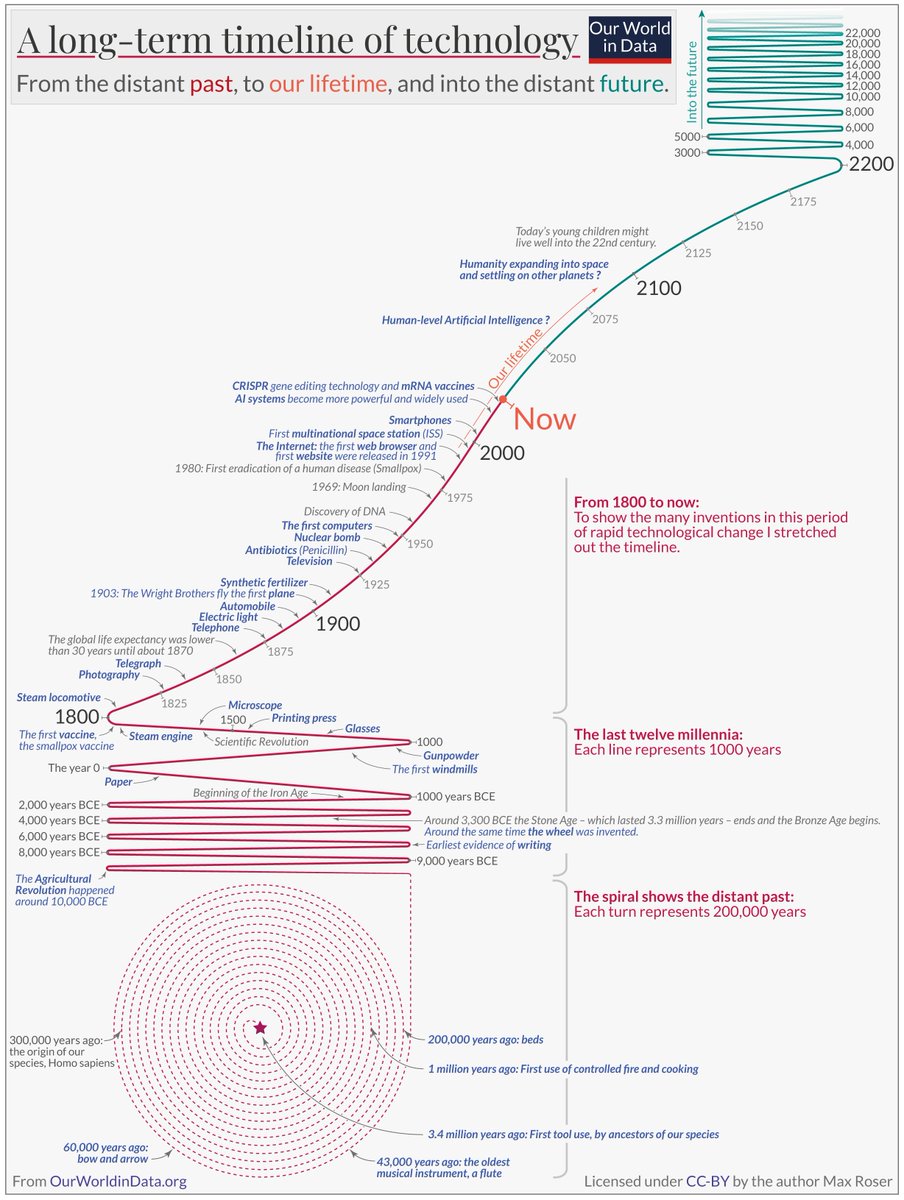
Technology can change the world in ways that are unimaginable until they happen.
Switching on an electric light would have been unimaginable for our medieval ancestors. In their childhood, our grandparents would have struggled to imagine a world connected by smartphones and the Internet.
Similarly, it is hard for us to imagine the arrival of all those technologies that will fundamentally change the world we are used to.
We can remind ourselves that our own future might look very different from the world today by looking back at how rapidly technology has changed our world in the past.
One insight to take away from this long-term perspective is how unusual our time is.
Technological change was extremely slow in the past — the technologies that our ancestors got used to in their childhood were still central to their lives in their old age.
In stark contrast to those days, we live in a time of extraordinarily fast technological change. For recent generations, it was common for technologies that were unimaginable in their youth to become common later in life.
#NoticiasUdeC: UdeC logra dos adjudicaciones en concurso @ANID_Chile de Subvención a la Instalación en la Academia 2025, para desarrollar proyectos en Facultades de Odontología y Medicina, impulsando nuevas líneas de investigación en salud
https://t.co/VMCpRHHK5M
En este Día de las Trabajadoras y Trabajadores Universitarios, saludamos a cada integrante de nuestra comunidad funcionaria, quienes aportan con compromiso y dedicación a sostener el prestigio que nuestra Universidad ha construido a lo largo de sus 106 años de historia
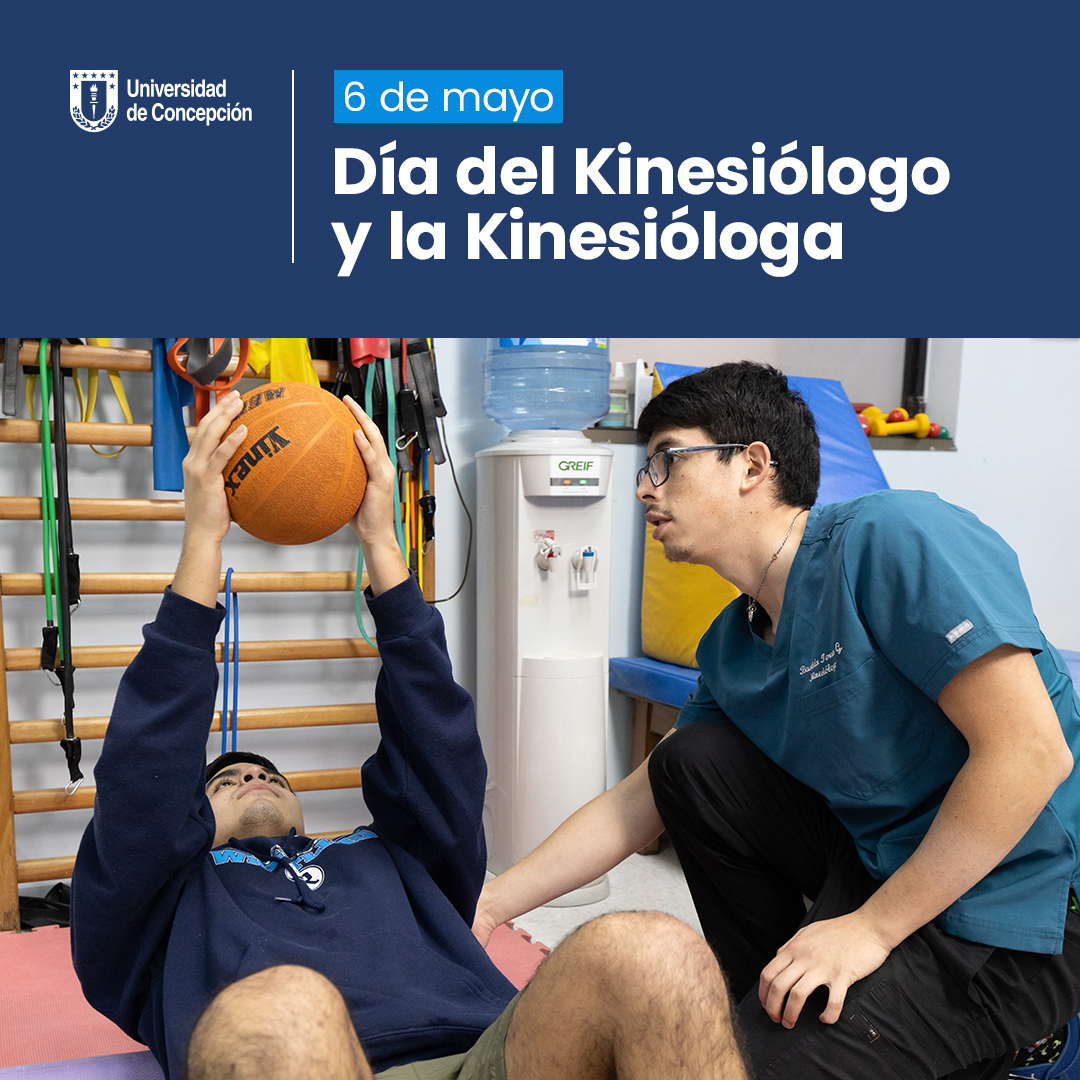
¡Feliz Día de la Kinesióloga y el Kinesiólogo! 🥳La carrera de Kinesiología en la @udeconcepcion forma profesionales con conocimientos en promoción, prevención y rehabilitación en salud. Capaces de abordar de manera crítica y reflexiva las principales necesidades de las personas
“No government—regardless of which party is in power—should dictate what private universities can teach, whom they can admit and hire, and which areas of study and inquiry they can pursue.” - President Alan Garber https://t.co/6cQQpcJVTd
Limiting Overdistention or Collapse When Mechanically Ventilating Injured Lungs: A Randomized Study in a Porcine Model
A randomized study about the best PEEP in ARDS using electrical impedance tomography (experimental). Low PEEP can be dangerous!
🔗 https://t.co/hHDvqcdDCy
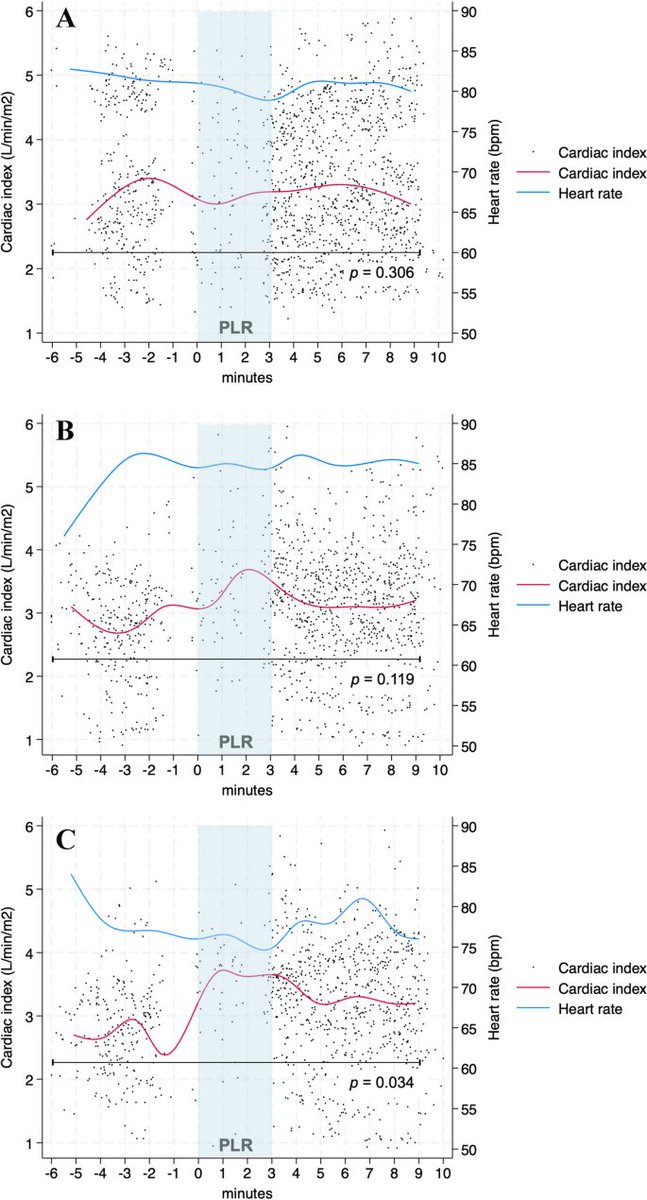
Hemodynamic effects of passive leg raising (PLR) in mechanically ventilated ICU patients during fluid removal.
https://t.co/r4xh64vBf9
by R castro, @AndromedaShock et al. 🇨🇱
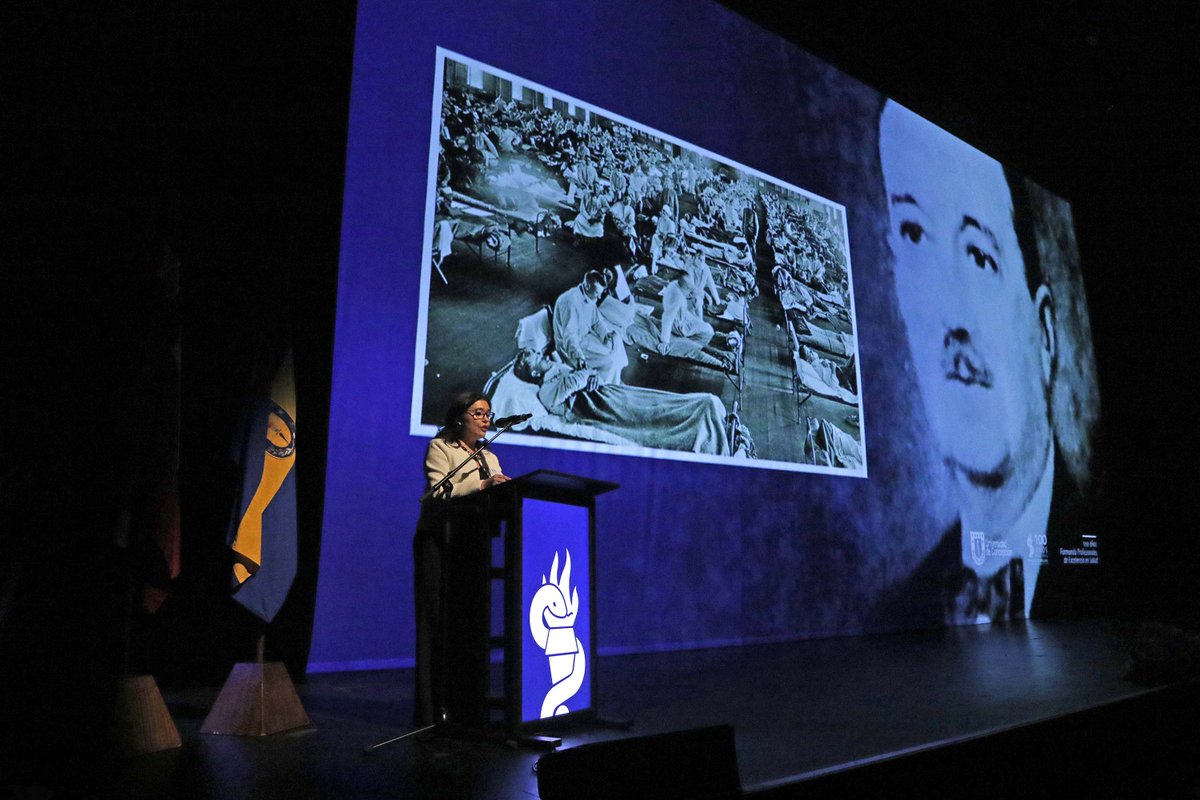
#MedicinaUdeC: Facultad de Medicina UdeC conmemoró sus 100 años de fundación recordando el primer curso de #Medicina inaugurado en 1924. Actualmente forma estudiantes en 5 carreras, 29 especialidades médicas, 2 de matronería, 1 doctorado y 3 magíster
⚕️ https://t.co/ADfGX65RLd
Hola!
Les compartimos un nuevo conjunto de datos abiertos “Indicadores del proceso de hospitalización”.
Esta información puede ser desagregada hasta la unidad funcional de cada establecimiento público de salud y abarca el período del 2014 a la fecha.
https://t.co/dNrxhR6ugl