By the end of 2024, you’ll likely never need these APIs again:
• useMemo, useCallback, memo → React Compiler
• forwardRef → ref is a prop
• React.lazy → RSC, promise-as-child
• useContext → use(Context)
• throw promise → use(promise)
• <Context.Provider> → <Context>
The European Union has unveiled an agreement wherein the core network of the 27 countries must have rail systems capable of speeds of 160 kph (99 mph) or faster by 2040. The economy of the US is $10 trillion larger. This country really needs to step it up.
129 light-years away, we can see four planets dancing around the star HR 8799 in the constellation Pegasus. This is known as direct imaging – taking pictures of faraway planets. They can only be revealed by blocking the star's bright light. https://t.co/9Zz1BqgIVo
Today, there are ox bow lakes in the sky. A river is driven by gravity. The polar jet stream is driven by the temperature difference between the Arctic and lower latitudes. That difference is getting smaller. And like a river, the jet stream meanders. [1/5]
@cambecc
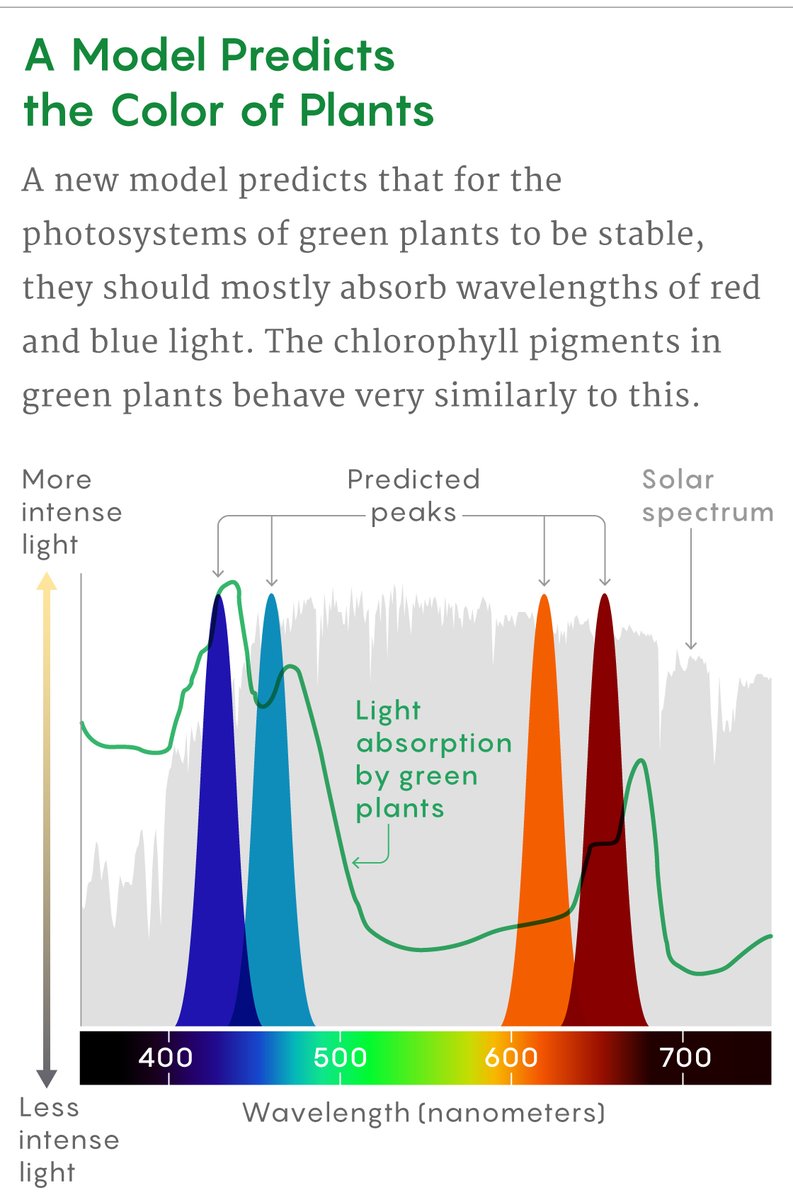
Why are plants green? Before you reflexively shout “Chlorophyll!” consider that most of the energy that the sun radiates is in the green part of the spectrum. To be maximally efficient, shouldn’t photosynthesis in plants absorb green light? https://t.co/Blu77CesTs
HOT OFF THE PRESS: A behind-the-scenes look at Doosan Enerbility’s forge press shaping part of the upper reactor pressure vessel for @NuScale_Power’s first power module.
The temps of the ingot are approximately 2,300 Fahrenheit!
Breaking News: After the Supreme Court limited affirmative action, a group filed a complaint demanding the federal government end Harvard’s special treatment for children of alumni and donors, arguing fairness was even more imperative since the ruling. https://t.co/7ZlkNOfQDB
Cosmic meet-cute 🌹
500 million years ago, 2 massive spiral galaxies collided. Their clouds of gas & dust mingled like smoke, sparking a burst of star formation. This event created galaxy NGC 3256. Its baby stars shine in infrared light, Webb’s specialty: https://t.co/88TiRqgGDC
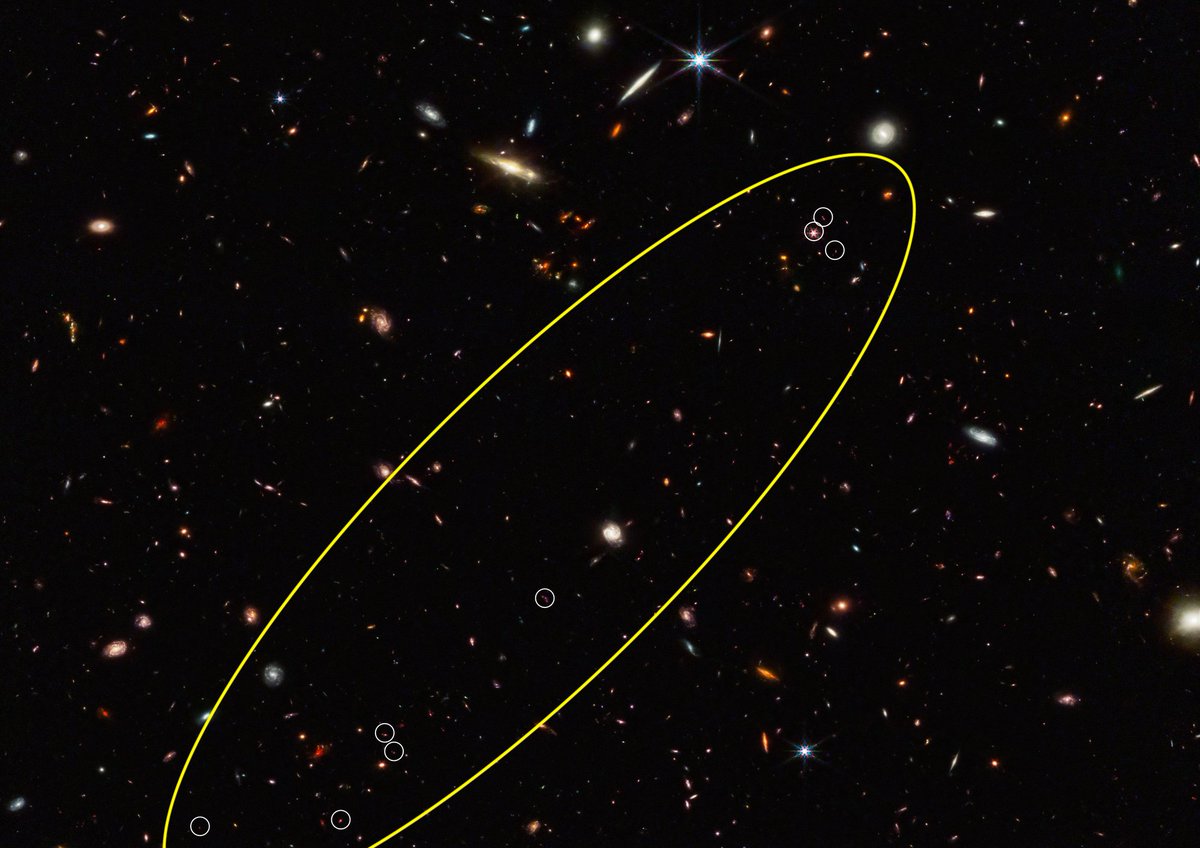
A subtle, web-like structure of galaxies stretches across the sky -- a relic of how the universe was born. Now we can see a very early strand of this "cosmic web" taking shape, some 13 billion years ago.
Impressive findings from JWST: https://t.co/5ev39OrZwd
“What we’ve essentially done is hack the entire galaxy to make a giant gravitational wave antenna.” — Stephen Taylor, astrophysicist and chair of the North American Nanohertz Observatory for Gravitational Waves https://t.co/vnvONPl1yl
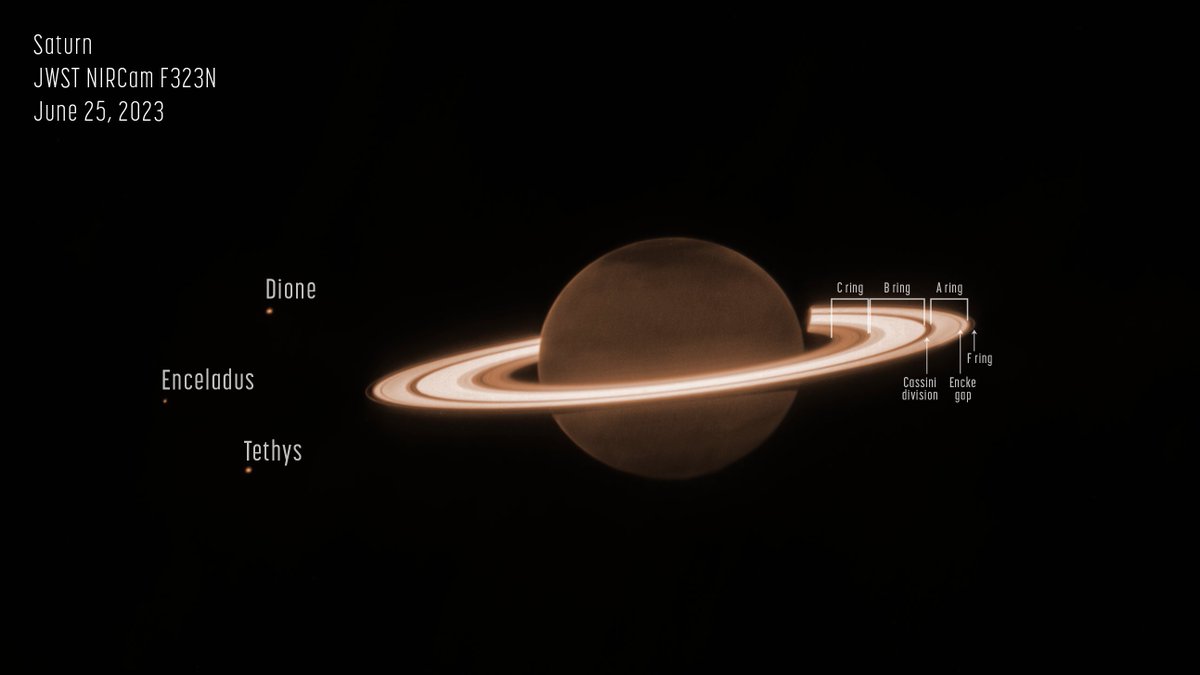
This science program was designed to test Webb’s capacity to detect Saturn’s faint moons and study its bright rings. Take a closer look here at the planet's ring system, as well as the moons Dione, Enceladus, and Tethys.
Of course Saturn brought its ring light 🪐
Webb took its first near-infrared look at Saturn on June 25. The planet appears dark at this wavelength, as methane gas in its atmosphere absorbs sunlight — but its icy rings stay bright! Learn more: https://t.co/M27lrHPaTM