Automation blueprints for Red Team & Pentest, Blue Team (SOC/DFIR/TI), Application Security (AppSec/DevSecOps), and Platform/General Security — all using n8n.
https://t.co/2wF9jBs6QA
If you like VPN exploits as much as us, you're going to love this course Zeroshi is bringing to @_ringzer0!
Marco will walk students into opening up edge devices for research, mapping their attack surface, finding vulns and building full exploit chains.
https://t.co/nYihjiqSls
🚀 Open-sourcing MCP Security Hub
A growing collection of MCP servers bringing security tools to AI assistants
Nmap, Ghidra, Nuclei, SQLMap, Hashcat... and we're just getting started
Contribute your favorite tools 🛠️
⭐ https://t.co/SoKv2T1k1z
This blog post examines the growing threat of destructive "bricking" attacks on Operational Technology (OT) devices, using the December 29, 2025, coordinated cyber attacks on Poland's electric grid as a case study.
Hitachi Energy Relion 650 Series IEDs (protection relays):
Exploited default FTP credentials to delete critical files → causing a "soft brick" (device fails to boot properly, loses remote/local access).
Similar to a previously disclosed CVE-2024-8036 in ABB equipment (Hitachi acquired ABB's power grids division).
Hitachi Energy RTU560:
Accessed via default web credentials.
Uploaded malicious firmware (bypassing secure update checks in older versions).
Resulted in a "hard brick" with an infinite bootloop due to corrupted entry-point code on the ARM-based processor.
Mikronika RTUs:
Compromised via SSH with default root credentials.
Filesystem completely wiped.
Moxa NPort 6000 Series (serial-to-IP converters):
Default web credentials used to factory reset, change passwords, and set unreachable IPs (disruptive but not fully bricked).
https://t.co/dx1BOEJYOA
#sandworm
WSL2 is a powerful attacker hideout because it runs as a separate Hyper-V VM, and defenders rarely monitor it.
Daniel Mayer explains how attackers pivot into WSL2 and what it took to build tooling that works across WSL2 versions.
Read more ⤵️ https://t.co/TaPsDDW4Cq
Security Detections MCP - https://t.co/X5iLaSPplO
An MCP (Model Context Protocol) server that lets LLMs query a unified database of Sigma, Splunk ESCU, Elastic, and KQL security detection rules.
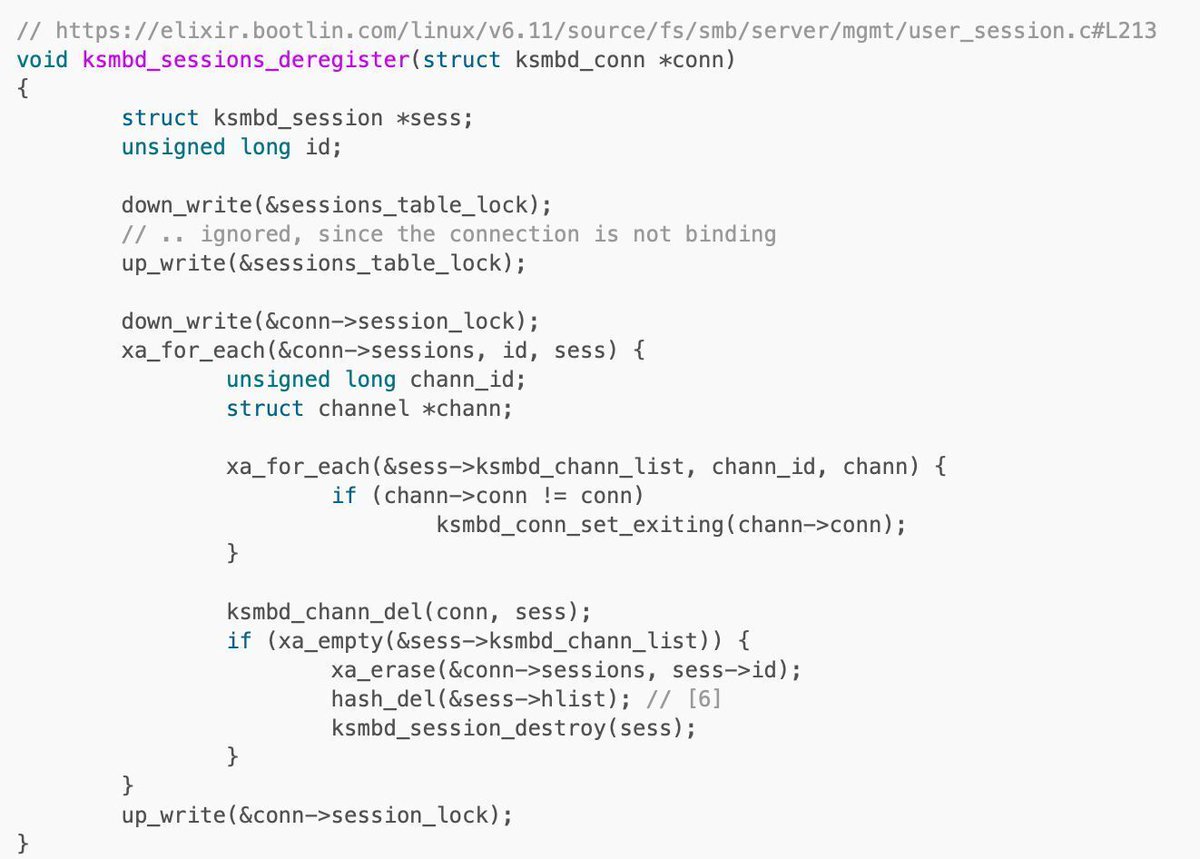
SMB3 Linux Kernel Server (ksmbd) exploitation. 3-parts series by @Doyensec
Part 1: https://t.co/GMtkSNmnP2
Part 2: https://t.co/xFPjTEnuOa
Part 3: https://t.co/a6cdI8RBLW
#infosec
NTLM reflection attacks can be used to compromise Active Directory domains even with SMB signing if systems aren’t fully patched
https://t.co/mnN8AI7jTQ
New Blog: Based on his talk at Black Hat, @0xTriboulet discusses integrating Windows AI/ML APIs into Cobalt Strike’s workflows and presents proof-of-concept implementations for AI-augmented post-exploitation capabilities in Cobalt Strike.
https://t.co/B8icpllZHV
Got access to an AWS infrastructure during your RedTeam and you don't know how to do access persistence other than just adding an AccessKey ? 🫤
Step up your game with new TTPs ! 🫡
From IAM modification to lambda hijacking, 1001 ways to keep access !
https://t.co/XMFF1QUUTJ
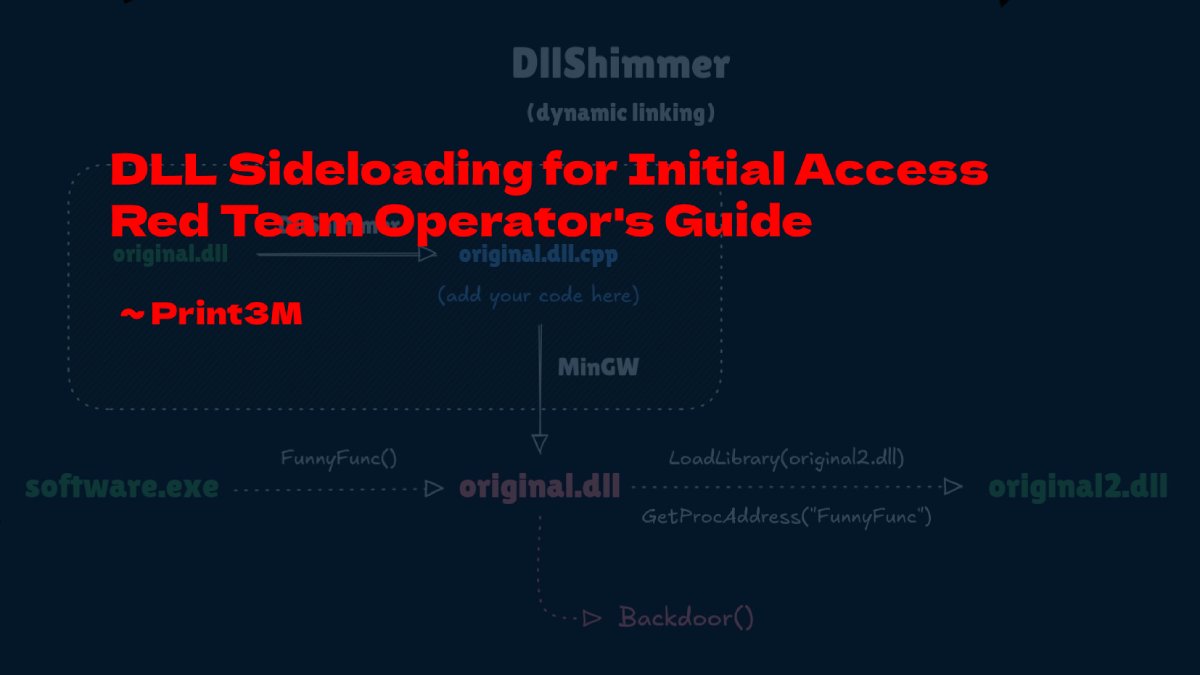
DLL Sideloading for Initial Access – Red Team Operator's Guide 🔥 (new article)
https://t.co/rXWXasjEQs
- finding software to backdoor
- finding DLL and function to backdoor
- legit software backdooring
- OPSEC considerations
#redteam#infosec#malware#security
In about an hour I’ll present my talk I’m in your logs now, deceiving your analysts and blinding your EDR at #BHUSA25@BlackHatEvents in Islander E/I. Come and hang out!
Slides of the @WEareTROOPERS#TROOPERS25 'AD & Entra ID Security' track have been published. Just click on the individual talks in the agenda.
Day 1 https://t.co/eLLsj9X5qk
Day 2 https://t.co/WWNvr3AOXJ
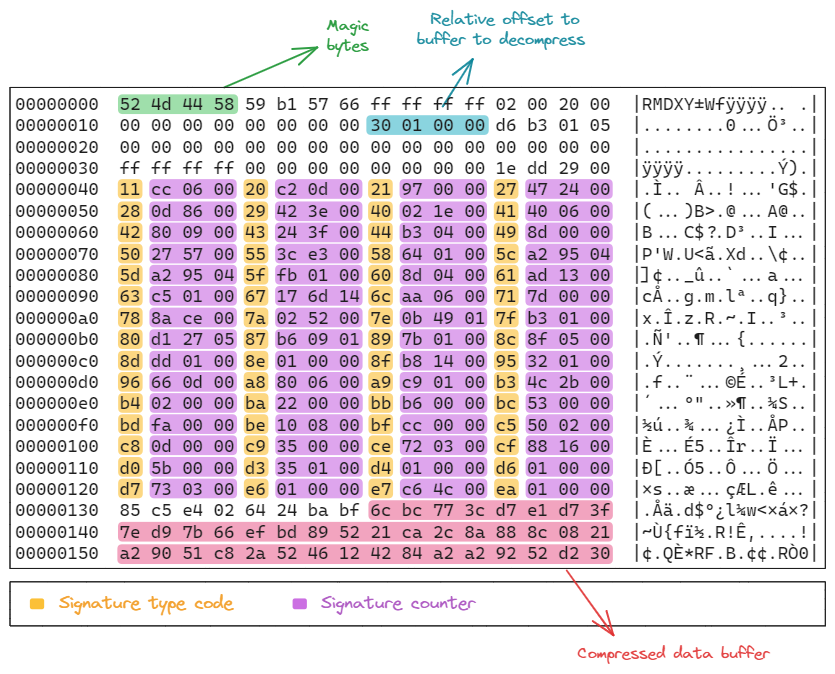
🚨 A new Linux backdoor named Plague hid in plain sight for a year—undetected by every antivirus.
It hacks PAM to silently hijack SSH logins and wipe all traces.
The worst part? No antivirus flagged it. Not one.
How it works ↓ https://t.co/PWJ7IGgt5J