The so-called "cloud architectures" are not an architecture at all. They are a deployment strategy that removes choices, adds complexity, and locks you into a specific vendor. They often damage (or preclude you from having) an actual architecture. Literally everything you do in the cloud, you could do with multiple threads in a monolith (something I often do before breaking up the monolith into distinct services because it makes building and testing easier). So, the architecture can be deployed on the cloud or in a monolith.
Refining a story and defining details before you implement, release, and get feedback is just waterfall requirements gathering. Those requirements _will_ be wrong. Agile is NOT waterfall. It's not doing what you did before but with new names.
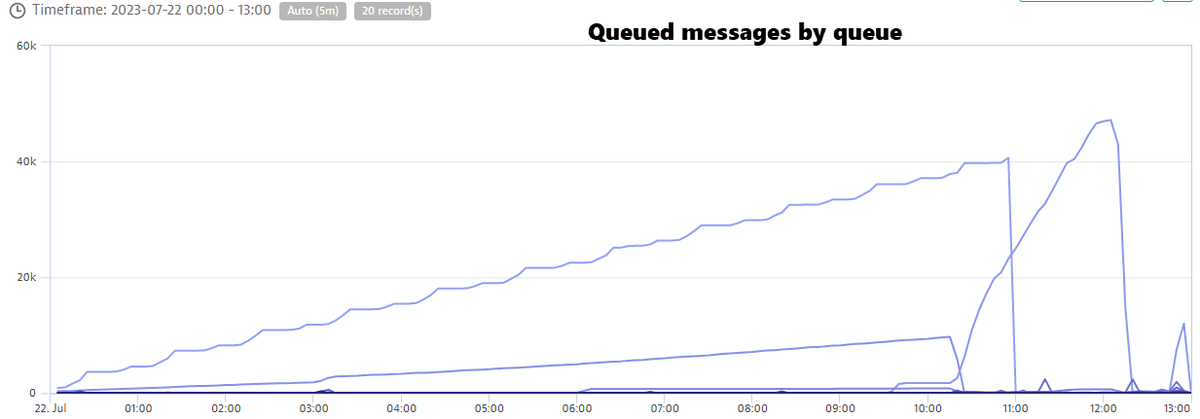
Besides helping performance in distributed systems, queues provide guaranteed delivery, even when dependencies are down. Had the chance to exercise this last weekend for an extended planned downtime. Messages queued and processed once back up thanks to @ParticularSW#NServiceBus
You have a Chief Innovation Officer? Then there's no way your organization is innovative.
But maybe they'll allow you to run an experiment one day. Maybe.
<sigh/> Let's just get rid of the damn sprints entirely! When you're done with the current thing, pull the next thing. The entire team works on one story at a time. It takes as long as it takes.
Registration is now open for #MSBuild!🎉
Join us on May 24-26, 2022, for an engaging experience around the latest innovations and tools. 💻
Register now: https://t.co/ZeRMqAWmjI
@EdwardSkrod@davidfowl@VisualStudio Would love the installer to allow configuring internet proxy settings. My employer requires separate PC admin accounts that do not have internet access, but are used to install software like VS and the installer.
Had a chat with an old friend recently. His manager is an Agile zealot. They apparently waste days on Agile ceremony: standups, sprints, retrospectives, story point estimation, the whole sorry mess.
https://t.co/QJRHqLAIcE
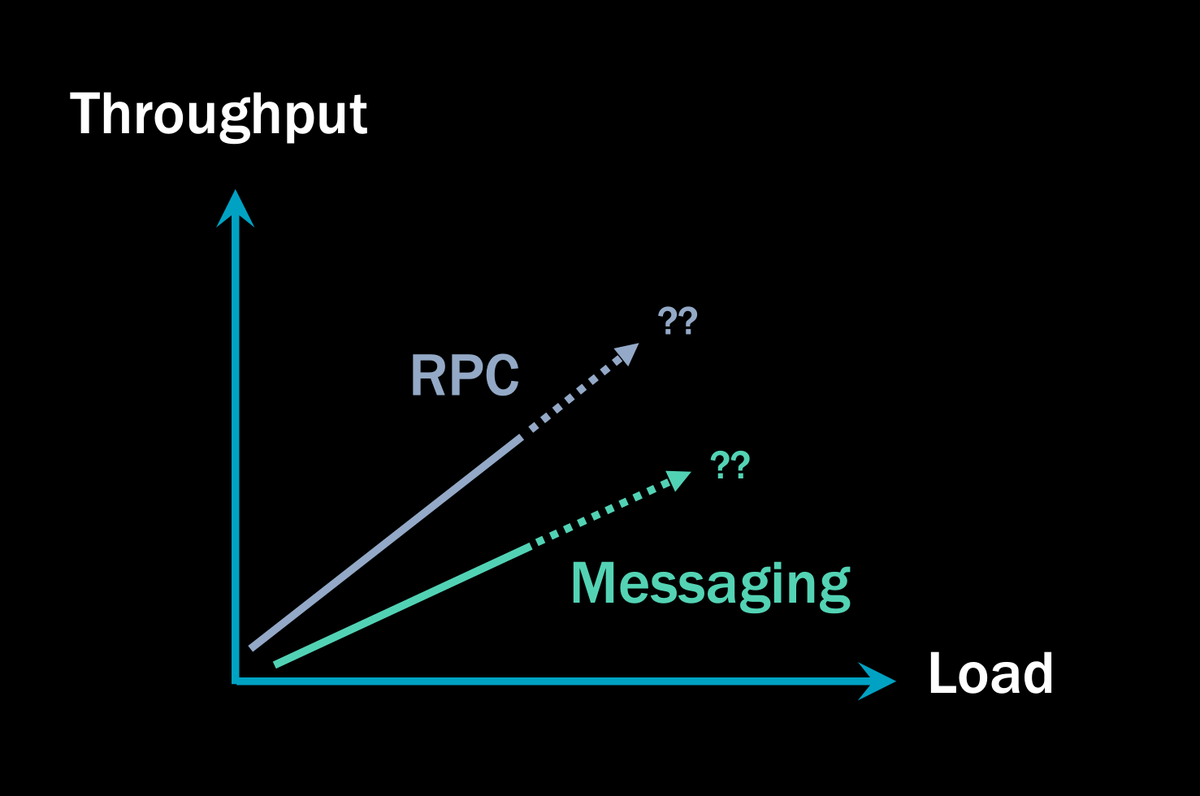
Initially, messaging takes longer to complete than RPC/REST. The webserver returns a response directly, while in messaging, we must send a message, write it to disk, then another process needs to pick it up and process it.
So is RFC faster? Not so fast… https://t.co/CBVzo0VmJQ
Ready to bring your entire developer team to the next level? With the free-for-a-limited-time Distributed Systems Design Fundamentals course, you can all join @UdiDahan and boost your distributed systems architecture game. https://t.co/xsBQPn4k3S
“There are plenty of times in my career when I’ve stored a boolean and later wished I’d had a timestamp. There are zero times when I’ve stored a timestamp and regretted that decision” — You might as well timestamp it, by @jerodsanto: https://t.co/EBy8GfIKrs
I can attest to this. We have been updating stats only on a 4 TB database for the last 2 years and have better perf than teams that rebuild indexes all the time. Crazy amounts of IO on the AAG rebuilding large tables
You probably don't need to reorg & rebuild your indexes so often - especially not daily - and even the official Microsoft documentation is starting to reflect that, steering folks away from it: https://t.co/o8HAXmbMfj
Creating a new software architecture can be daunting. Are you curious to learn how we approach this task at #OctopusDeploy? 🐙
If so, read on: https://t.co/tlPnVmQMXs
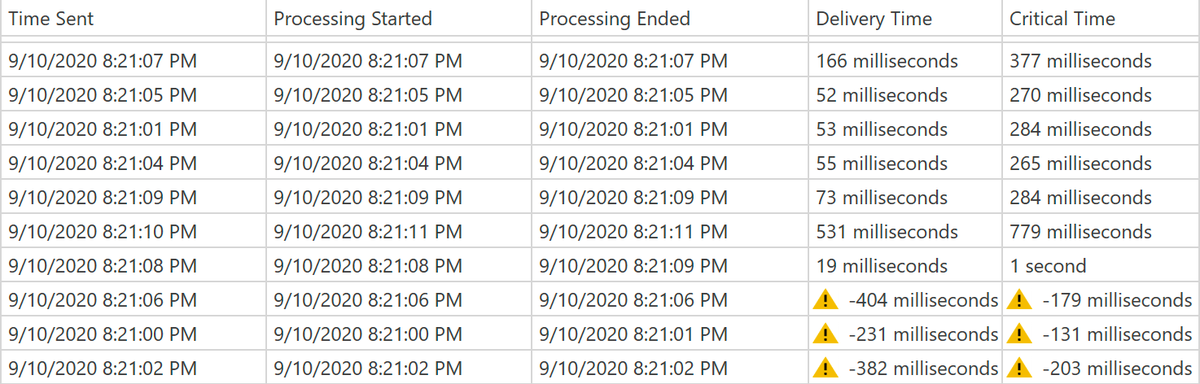
We have a surprising number of messages with negative critical time - processed before they were sent. I like to think the system is just really efficient! 🙄
It can be a real drag trying to keep tabs on your distributed system if the system clock on each server isn't in sync. Check out how our lateset version of ServiceInsight warns you if your system exhibits clock drift: https://t.co/IXIRq0Lwdx