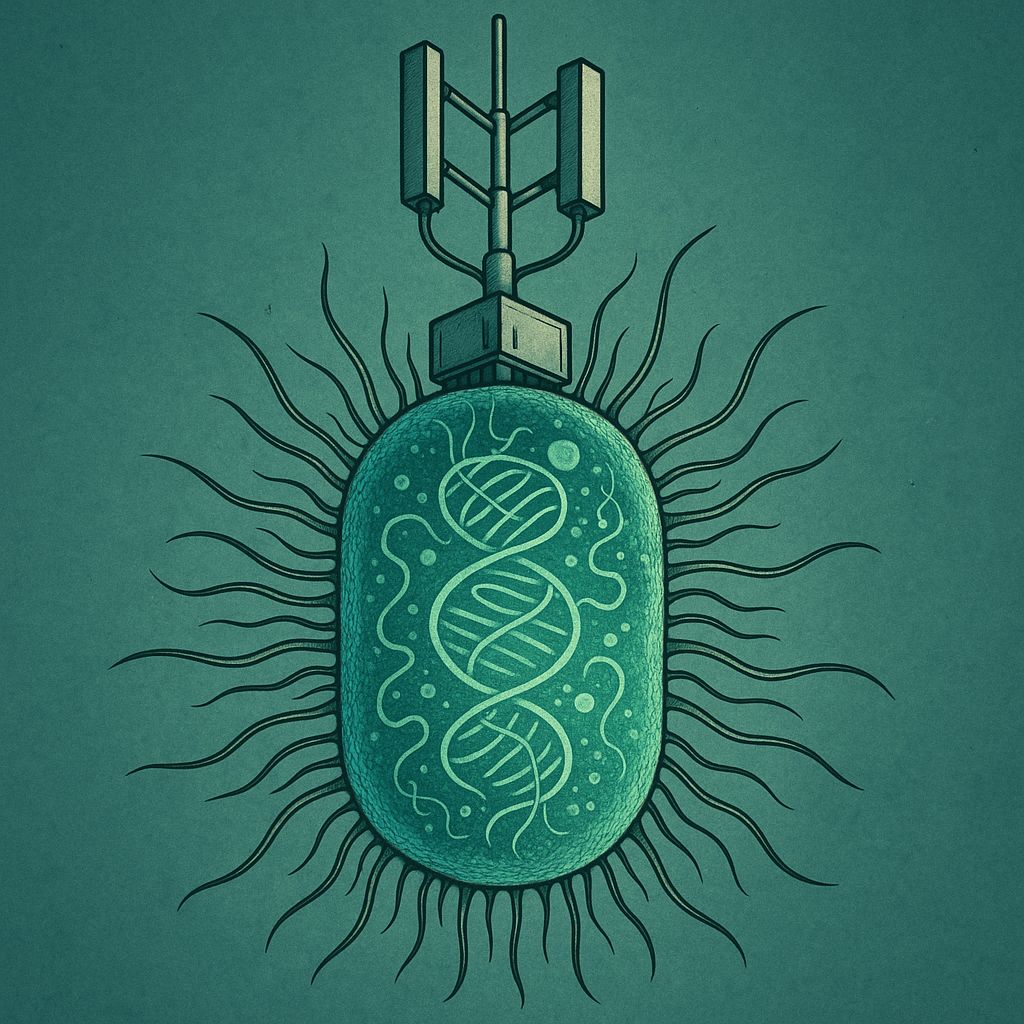
In collaboration with @SDumanliOktar Lab we have engineered bacteria to gather physiological information and transmit it through an in-body antenna, enabling real-time health monitoring.
Our work is now published in Nature Communications @NatureComms.
https://t.co/pXBNoAnSzL
Yeniden başlıyoruz!
Orta Doğu Teknik Üniversitesi @METU_ODTU Biyolojik Bilimler Bölümüne öğretim üyesi olarak katıldım. Aslında en baştan beri olmam gereken yere geç de olsa gelmiş olmaktan mutluyum.
Burada, her şeye en baştan büyük bir heyecanla başlıyorum, yeni bir Sentetik Biyoloji laboratuvarı kuraca��ız.
Laboratuvarımız; genç araştırmacıları odağına alan, AI destekli sentetik biyoloji sistemleri, yaşayan ilaçlar, biyoteknolojik ilaç ve aşılar ile sürdürülebilirlik çözümleri geliştirmeye açık bir araştırma ortamı olacak.
Kapımız @SekerLab her zaman yeni heyecanlı ve meraklı yüksek lisans ve Doktora öğrencilerine ve araştırmacılara açık olacak.
Her zaman olduğu gibi laboratuvarımız @SekerLab başta ve öncelikle ODTÜ Lisans öğrencilerine, sonra da diğer okullardan meraklı lisans öğrencilerine de yeni araştırmacılar yetiştirmek üzere açık olacak.
The bacteria stay viable inside the body, continuously collecting local information.
They act as embedded biological reporters, something traditional electronics cannot do safely or long-term.
This opens doors for potential persistent, real-time internal monitoring.
In collaboration with @SDumanliOktar Lab we have engineered bacteria to gather physiological information and transmit it through an in-body antenna, enabling real-time health monitoring.
Our work is now published in Nature Communications @NatureComms.
https://t.co/pXBNoAnSzL
“Can we turn bacteria into tiny, living diagnostic devices?”
To do this, we engineered microbes that:
• sense biochemical signals
• encode the information
• transmit it via a biological antenna
• allow external readout without surgery or sampling
Can we tune translation efficiency and gene expression using AI-based algorithms?
with @crashius 's lab we explored this question. The answer is yes — we can! This advancement holds significant potential for enhancing efficiency in biotech drug production.
https://t.co/sL6Y4UmJ5R
++3D drug toxicity screening platforms. She is still with @SekerLab to develop innovative drug toxicity screening platform. Congrats Merve. Merve's work can be reached here :
https://t.co/KSynCNdO8H
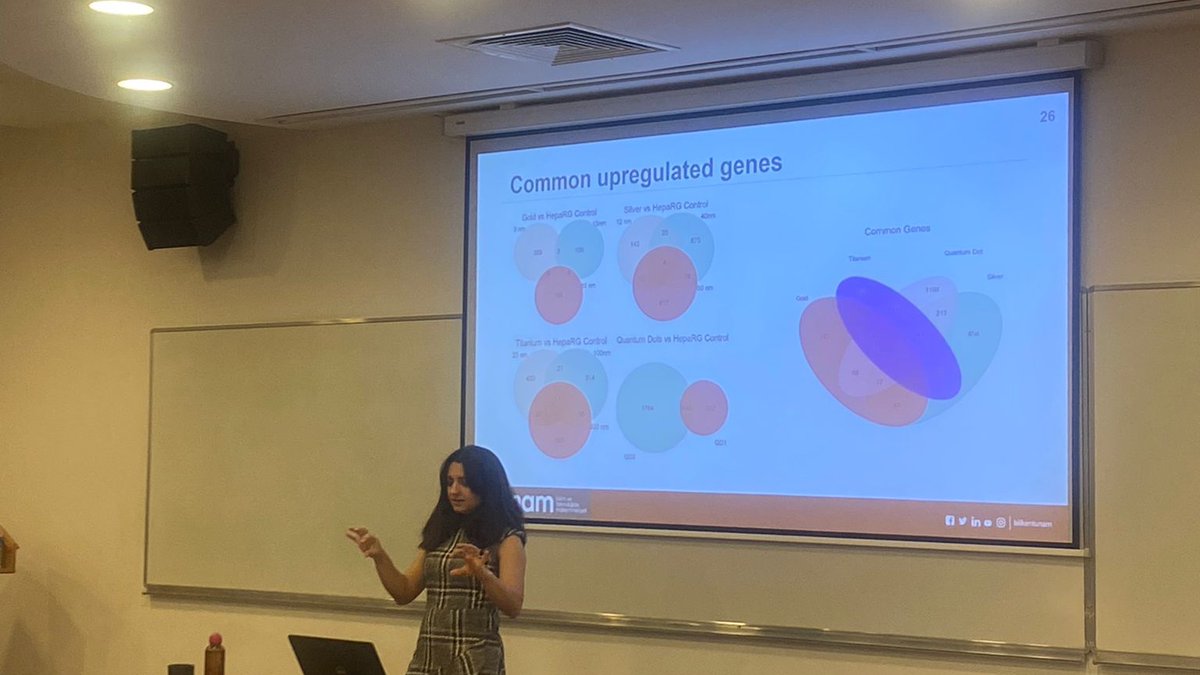
We are proudly celebrating Dr. Merve Erden's @MerveTucer PhD degree. Merve has worked on transcriptomics analysis of the toxicity of various nanoparticle on healthy liver cells with indentation of hunting new biomarkers for developing synthetic gene circuits to develop +
We are happy to announce the graduation of Cem D. Polat from https://t.co/j35yiN0sqP program. Cem, showed engineering of PETase and Metase enzymes and displaying these enzymes on cell surface. This work holds a great promise for developing technologies for plastic degradation.
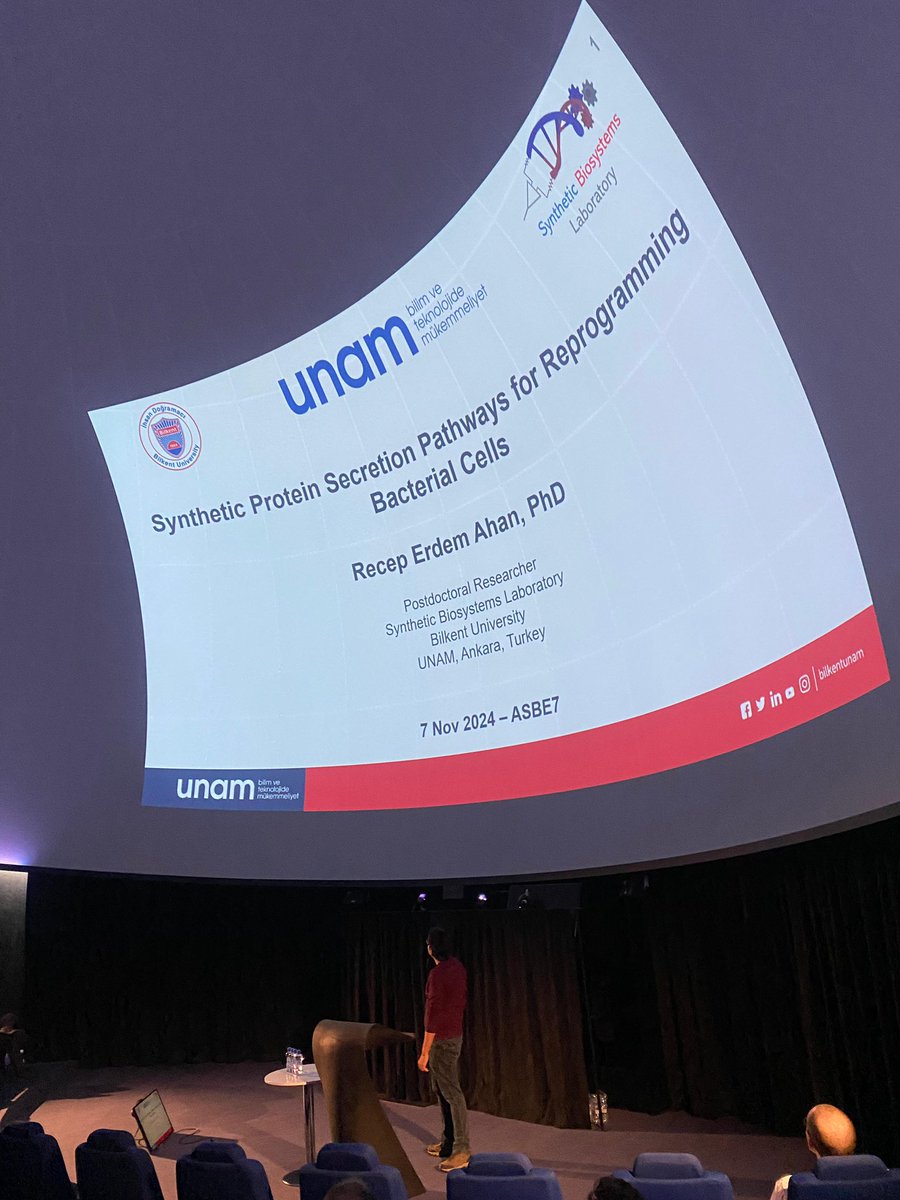
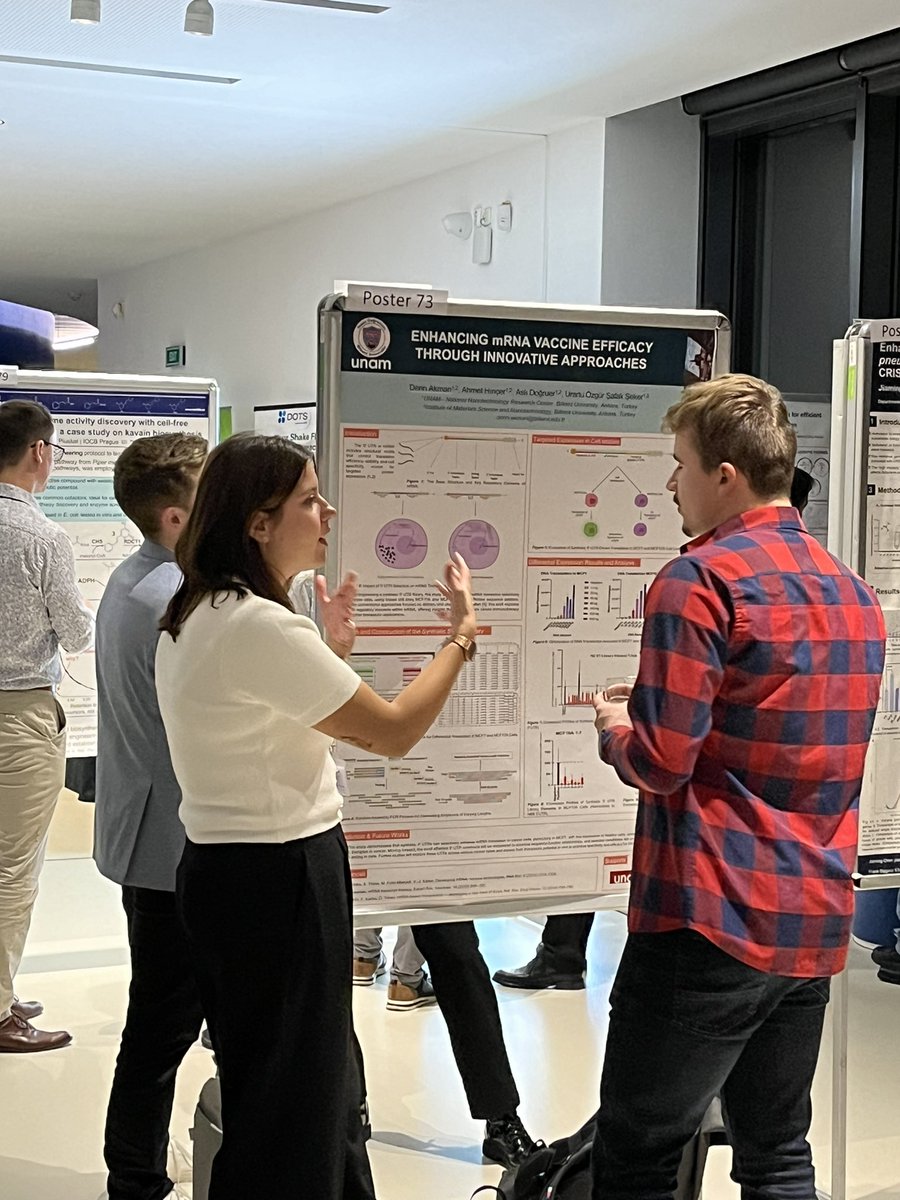
We @sekerlab have concluded the three days full of Synthetic Biology & Protein engineering (and great food) in Brno the city of Mendel (father of genetics). Thanks @EFBiotechnology for organizing, and Pavel @PavelcitoD , Tim @Overtonlab for chairing. Hope to meet the Synbio folks in Manchester in 2026!
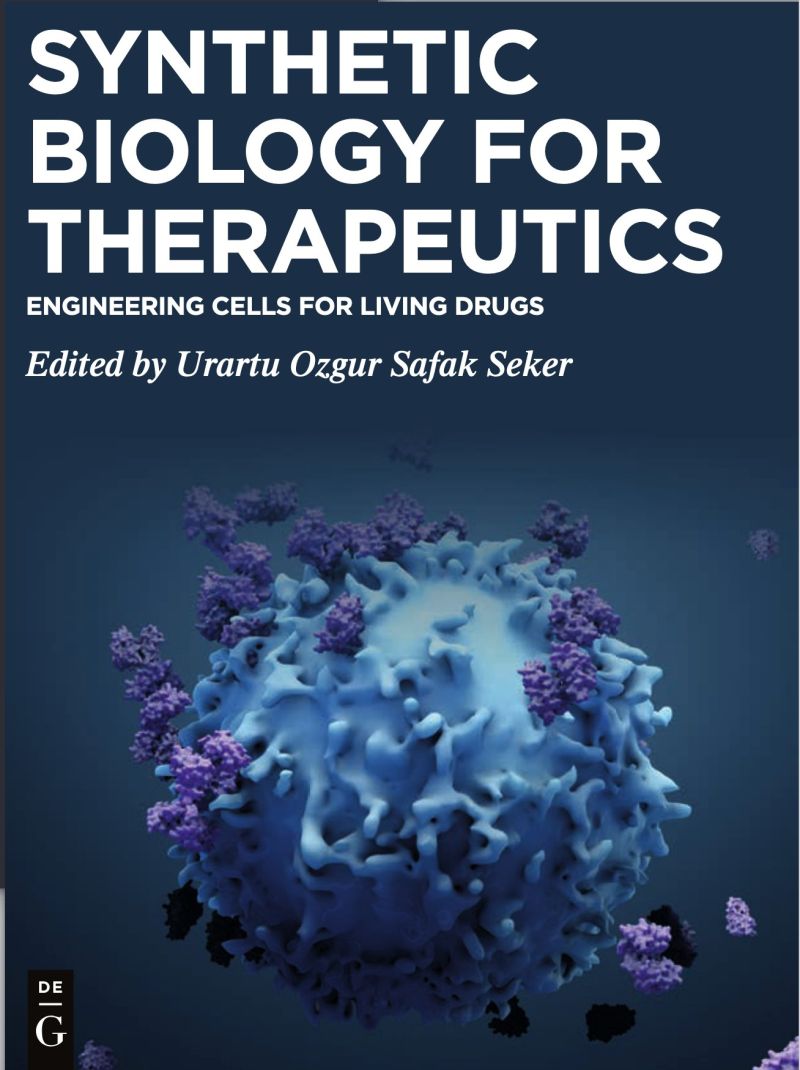
Our lab members have prepared and edited a new book titled "Synthetic Bİology for Therapeutics", it will be published by DeGruyter as a part of their STEM book series. The hard copy of the book will be released on November 18, 2024.
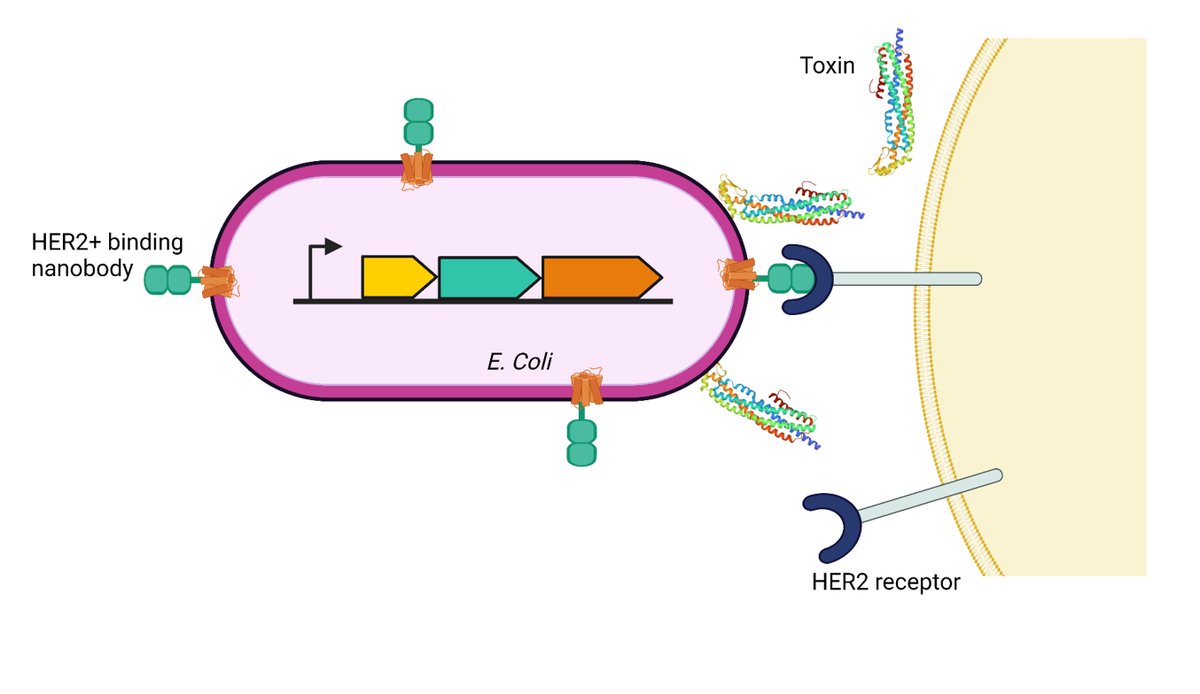
After bacteria dock to the membrane, via a nanobody it displays via engineered Ag43 secretion system, the YebF enabled secretion of the shiga-toxin is completed which eventually lead membrane destabilization -tumor cell death. This work was done by #GozeelBinte, @Ahanre@JOstaku
We have designed a microbe to target § destroy breast cancer cells in vitro . We built an attachment circuits displaying a nano body and a destroy module that secrets a shiva-toxin to attack tumor cell membrane.
the paper is published in @ACSSynBio
https://t.co/Qvz2ElAOFM
Today we hosted @vdlorenzo_CNB for our seminar series, we are thankful for the very inspiring talk, and all these fruitful discussions with our students, future is brighter with synthetic biology
Antimicrobial resistance (AMR) is a global threat. Using synthetic biology we have engineered secreted biofilm proteins with antibiotic degrading enzymes : "An Antibiotic-Degrading Engineered Biofilm Platform to Combat Environmental Antibiotic Resistance"
https://t.co/sUeVbtW0n4
We are happy to announce the PhD graduation of our group member @synbiolab Merve Yavuz @mymerveyavuzmy ! She has successfully defended her thesis titled "Genetically Designed Microbes for Bioimaging and Biosensing". #syntheticbiology#biosensing Congratulations! 👏👏👏
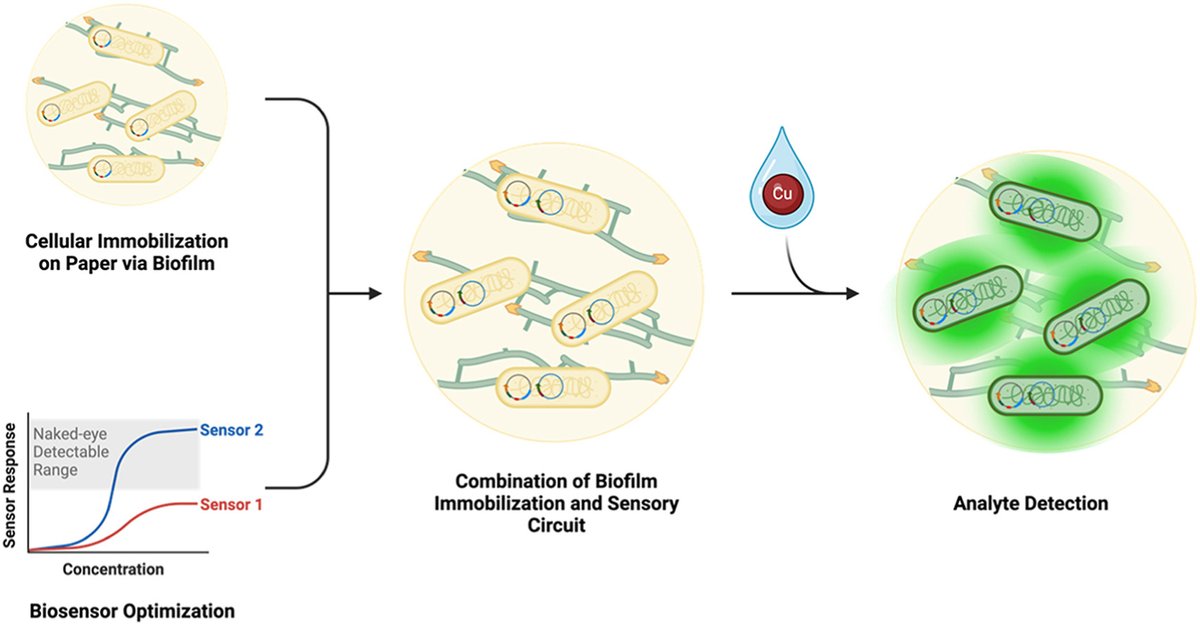
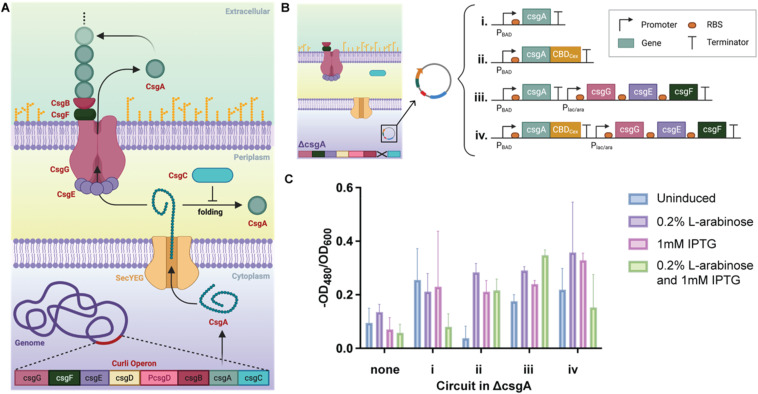
In our recent study published in "Biosensors and Bioelectronics" we engineered E. coli to detect heavy metals on paper based platform. To ake the cells attach on the paper, we genetically fused a cellulose binding protein from Cellulomonas fimi
https://t.co/9xcepuNveq
Cellulose binding protein enhances the attachment of the bacterial biofilm protein and provides a secure environment for the bacteria, this also protects the bacteria agains many harsh conditions including high temperature and acidity.