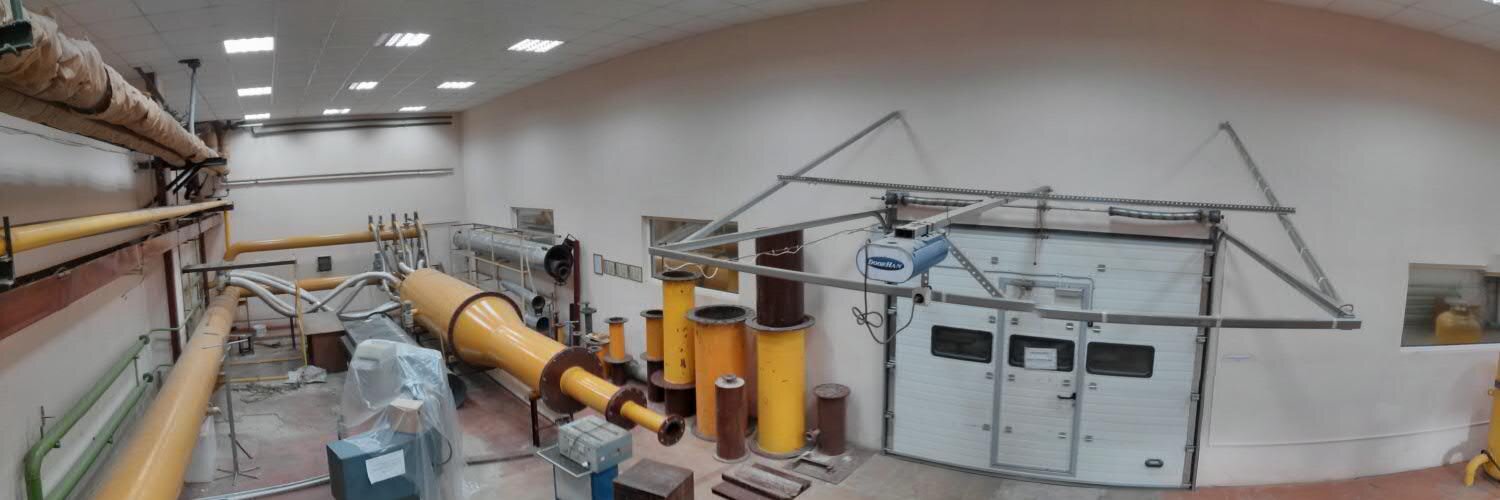
Building a fast fiber laser is easy
protecting it from collisions at speed is the actual problem
Kimla Anti collision system reacts 20X faster than the competition
linear motors + height sensors that doesnt lag speed
without safety is just expensive downtime simply waiting to happen
Pour it out and watch it come back.
This Twisty Pint Fidget is kinda addictive 🍺
Printed on: Flashforge AD5X
Design by: 3DPmom(Thangs)
#3dprinting#TwistyFidget#flashforge
Had a dream that Apple released a 32-inch MacBook, called the MacBook Pro Ultrawide, and it looked like this. I bought one and unlocked extreme productivity but then it wouldn’t fit into my backpack, so I had to leave it behind.
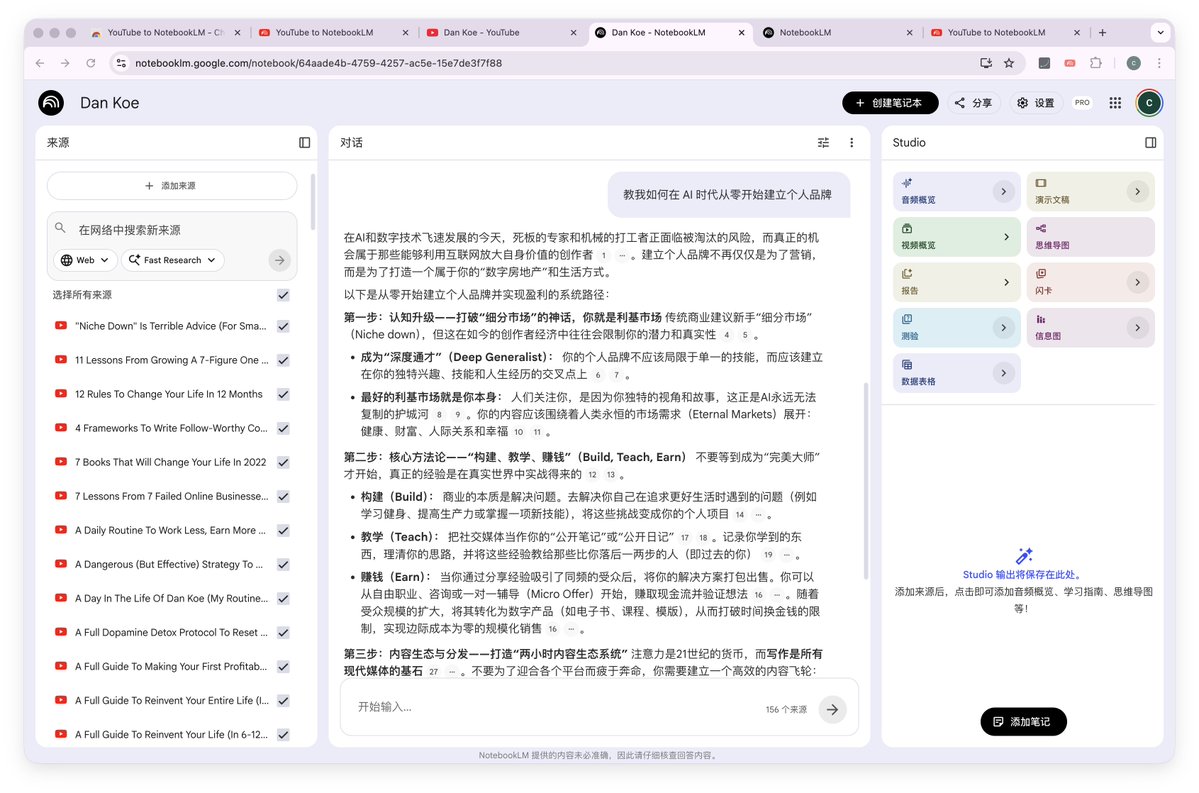
Cliamp v1.8.2
12-year-old me would have shit his pants if he ever saw this.
It has been a ride. A lot of good feedback!
Features
→ Audio Formats MP3, WAV, FLAC, OGG, AAC, ALAC, Opus, WMA
→ 10-Band Equalizer Presets: Rock, Jazz, Pop, Classical, and more
→ Themes & Visualizers: Multiple color themes and visualizer modes
→ Playlists TOML, M3U/M3U8, built-in playlist manager
→ HTTP Streaming URLs, internet radio, remote M3U playlists
→ yt-dlp Integration YouTube, SoundCloud, Bandcamp playback
→ Podcasts: Listen to any podcast via RSS feed
→ Navidrome Stream your self-hosted music library
→ Gapless Playback Seamless track transitions
→ MPRIS / Media Keys Hardware media keys and playerctl
→ Audio Quality Sample rate 22kHz–192kHz, buffer size, resample quality
→ Live Radio Metadata ICY/Shoutcast current song info
Omarchy + Cliamp = perfection
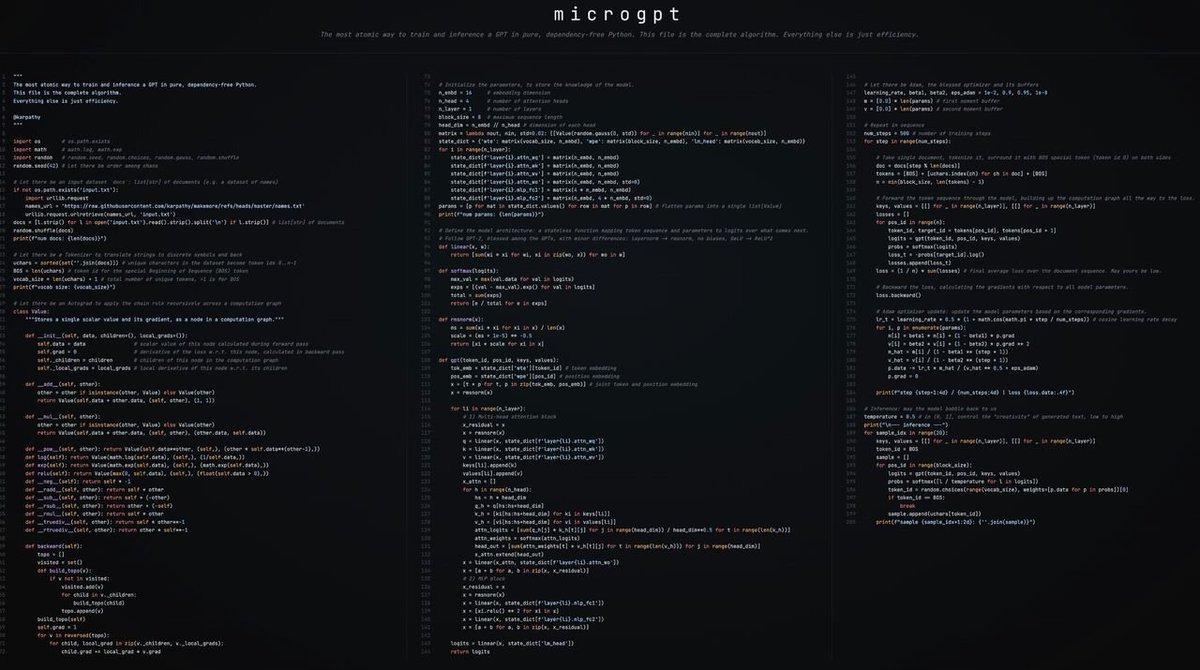
Most beautiful code I have seen shared in public recently.
Built by Andrej Karpathy - single file of 200 lines of pure Python with no dependencies that trains and inferences a GPT. This is how it should be taught to everyone trying to get into learning LLMs.
This might be the cleanest, most elegant public code drop in AI this year.
Karpathy's new "art project": microgpt (https://t.co/itMLfmOu5l)
→ Single Python file (~200 lines)
→ No PyTorch, no NumPy, no external libraries at all
→ Full working GPT: data loading → character tokenizer → tiny autograd engine → GPT-2-style transformer → Adam optimizer → training loop → inference/sampling
It's the bare-metal essence of what makes large language models tick - everything else (CUDA kernels, distributed training, mixed precision, flash attention, massive datasets…) is optimization & engineering around this core.
Perfect starting point for anyone trying to truly understand LLMs instead of just calling APIs.
Highly recommend reading + running it. Changes how you see "AI is just matrix multiplies + softmax" from abstract → concrete.
This kinetic sculpture is one of artist Felix Scharstein’s "free machines," created with the meticulous precision of a trained mechanic.
Rather than producing anything, these objects are designed to be "useless" in a practical sense, existing purely to fascinate through their playful movements and technical elegance.
Between 1982-2007, every Russian Soyuz capsule carried an unusual piece of equipment—the TP-82 survival pistol. This wasn't about threats in orbit. It was about what waited on the ground. The weapon addressed a specific problem: Russian cosmonauts might land anywhere across thousands of miles of wilderness, facing temperatures that could kill and predators that could maul. In March 1965, cosmonaut Alexey Leonov discovered this reality firsthand when his Voskhod 2 capsule landed 600 miles off course in the Ural Mountains. Armed with only a nine-millimeter pistol, he spent two nights in bear and wolf territory before rescue teams could reach him through the dense forest.
The TP-82 emerged from Leonov's experience. By 1981, as a major general overseeing cosmonaut training, he commissioned a proper survival weapon. Tula Arms Plant delivered an ingenious design—essentially a sawed-off double-barreled shotgun with an added rifle barrel underneath. The right hammer fired 12.5mm shotgun shells from a smoothbore barrel. The left hammer could switch between a second shotgun barrel and a 5.45mm rifle barrel below. This gave cosmonauts options: bird shot for small game, signal flares for rescue, and rifle rounds powerful enough to deter a thousand-pound brown bear. A machete slotted into the pistol grip to form a stock, and doubled as a tool for building emergency shelters from snow.
The weapon first flew aboard Soyuz T-6 in June 1982. Every cosmonaut trained with it, learning both its mechanics and the Voskhod 2 survival story that justified its existence. The gun's simple manual action prevented jams in the damp cold of Siberian forests. Its ammunition belt carried 11 rifle rounds and 10 each of shot and flare cartridges—enough firepower and signaling capability to bridge the gap between crash landing and rescue. The Soviet military produced ammunition until 1987, and the TP-82 remained standard equipment on every Soyuz mission through 2006. Even international crews, including American astronauts bound for the International Space Station, trained with the weapon as part of mandatory Russian survival courses in Siberia and the Black Sea.
The TP-82 disappeared from space in 2007 when its custom ammunition exceeded shelf life. Russian officials replaced it with standard military sidearms, though the space agency refuses to discuss specifics. Modern GPS and satellite communications have reduced stranding risks, but they haven't eliminated them. In 2008, a Soyuz capsule made an emergency ballistic reentry and landed 250 miles off course. Mission control lost contact. For thirty minutes, the crew—including South Korea's first astronaut—sat completely off the grid before calling in their location via satellite phone. Today, Russian crews vote on whether to carry weapons at all, and increasingly choose not to. Some argue guns have no place in spacecraft, especially given the psychological pressures of space travel. Others note that accidents remain possible, and wilderness survival sometimes demands more than a phone.
The TP-82 represents a distinctly Russian approach to space travel—pragmatic preparation for worst-case scenarios shaped by geography and history. While American astronauts trained for ocean splashdowns, Russian cosmonauts prepared for Siberian taiga. The weapon acknowledged a simple truth: technology fails, weather changes, and sometimes the greatest danger isn't in space but in the moments after coming home. Whether future crews should carry guns remains debatable, but Leonov's experience established a precedent that lasted four decades. When you might land in bear country 600 miles from civilization, better to have the firepower and not need it than face wolves with empty hands.
#drthehistories