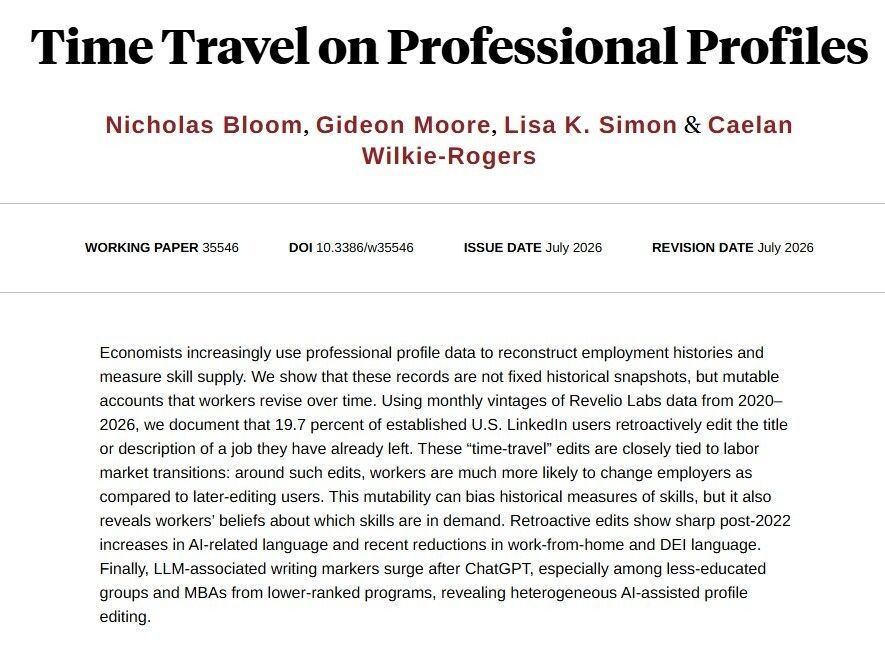
LinkedIn histories aren’t fixed; 19 percent of users edit past jobs. These “time-travel” edits track job moves and reveal rising AI language after 2022, and fading DEI mentions after 2025, from @I_Am_NickBloom, @GideonMoore, Lisa K. Simon, and Caelan Wilkie-Rogers https://t.co/Fzzh8dHD7b
A quantitative picture of the discourse on China in the US over time and across official documents and media, from Mert Geyiktepe and @rodrikdani https://t.co/CJpbsroXT3
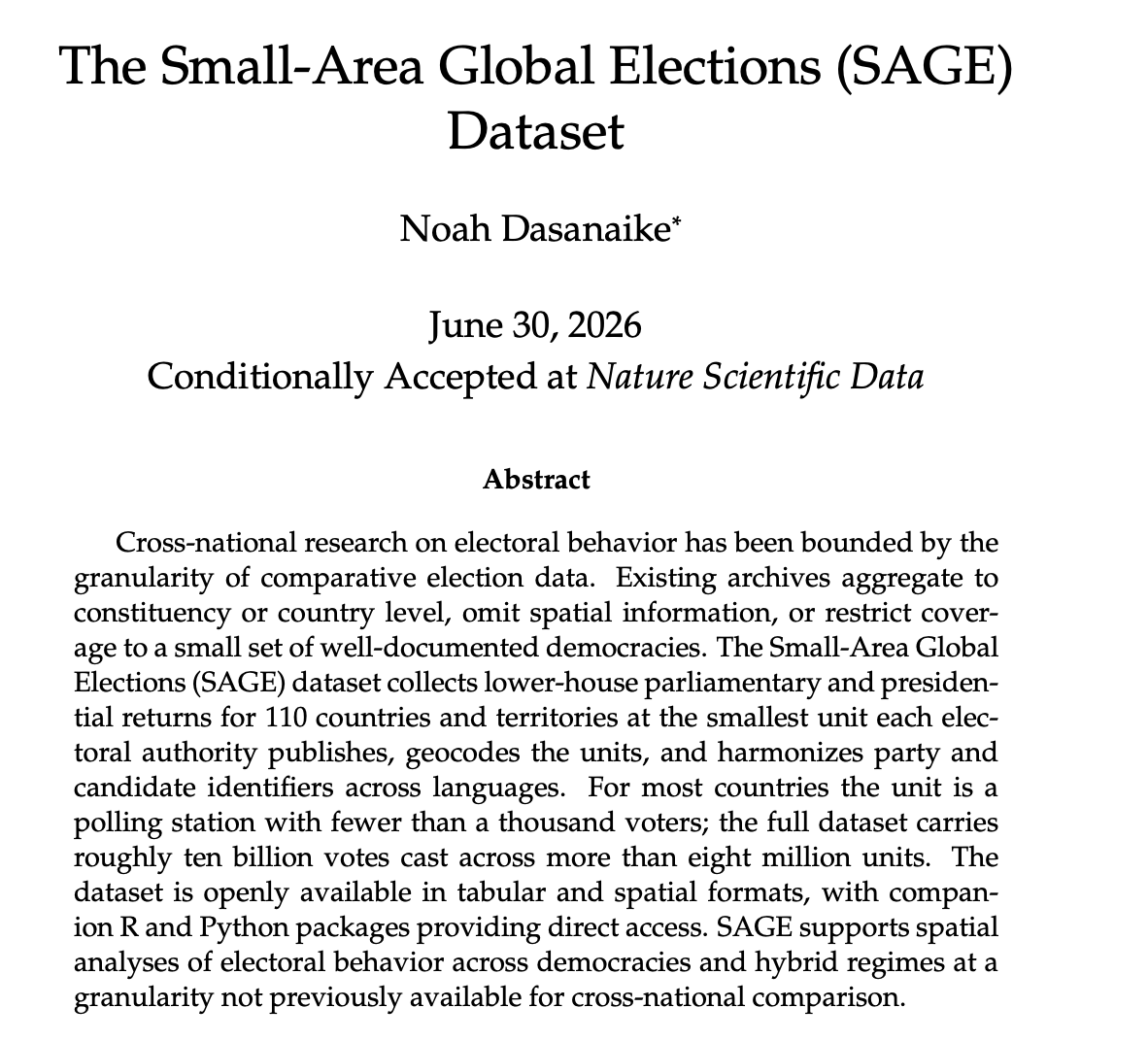
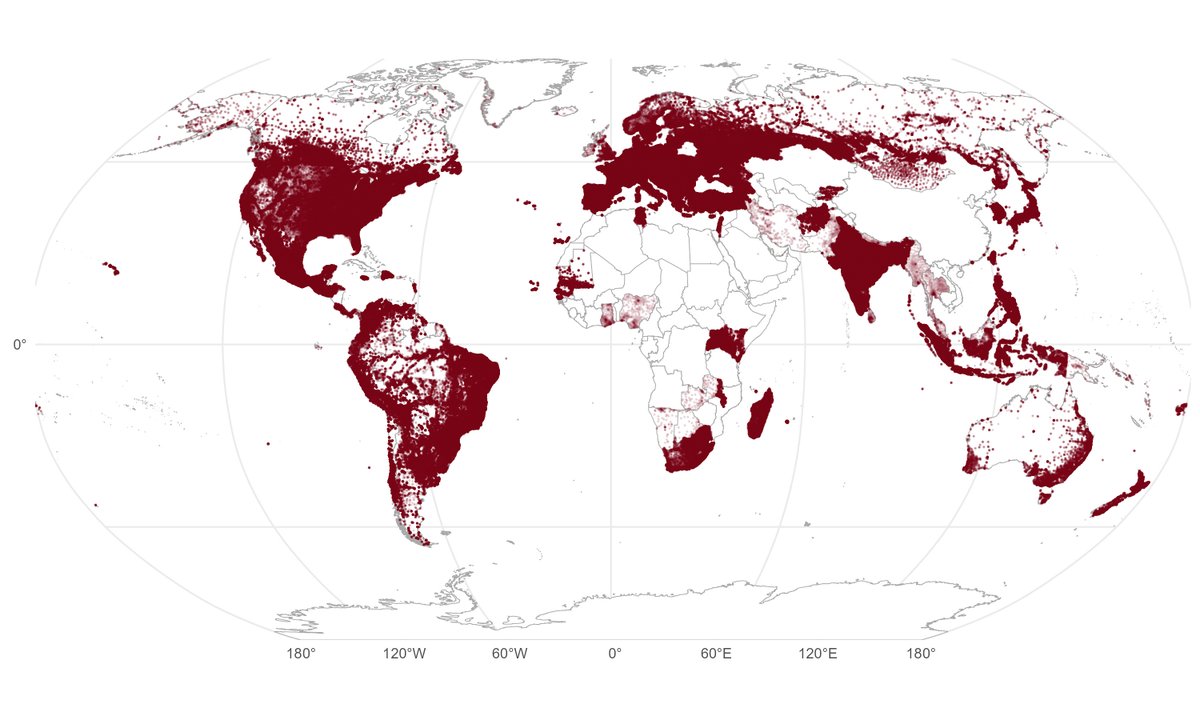
I'm proud to finally announce the first release of the Small-Area Global Elections (SAGE) dataset, encompassing global, granular, standardized, geocoded, polling station or equivalent-level election results for 110 countries, conditionally accepted at Nature Scientific Data. (1/n)
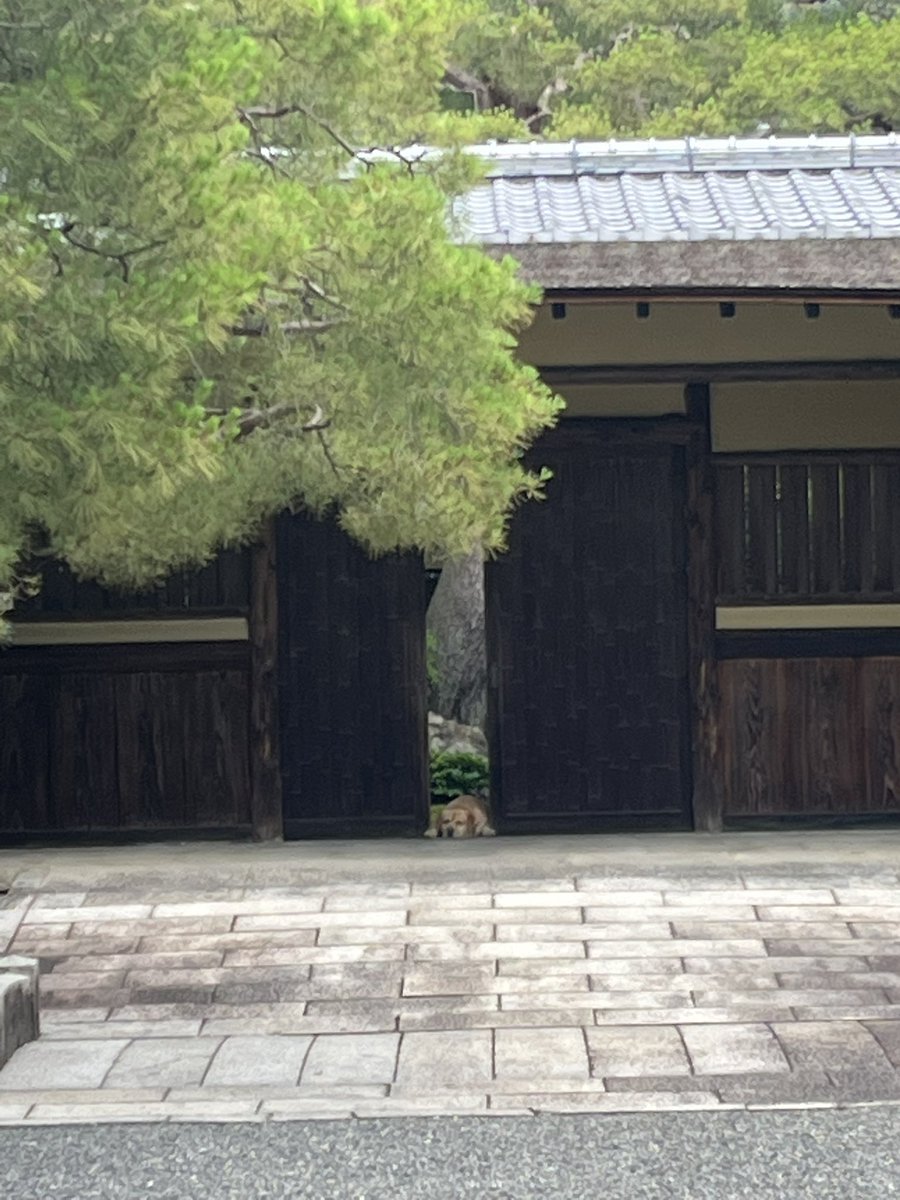
Delighted to share that our paper with Atsushi, accepted at the JPE, is now available online and open access (https://t.co/ajb8bFDt17). Using Hiroshima after the atomic bombing, we highlight the role of agglomeration forces and expectations in urban recovery.
Hiroshima is my hometown, and I dedicate this work to those who helped rebuild the city... and to my grandparents, who survived the bombing and witnessed Hiroshima's recovery.
広島の復興に尽力されたすべての方々、そして被爆を乗り越え復興の歩みを見届けた祖父母にこの論文を捧げます。#広島
Human capital factors predict career progression and investment outcomes in venture capital. Achieving superstar status increases access to highly valued startups, from @blake_ajackson and Ilya A. Strebulaev https://t.co/S1AmJ9lQKD
Finding NBER Summer Institute talks on YouTube is surprisingly frustrating.
I asked Claude to build a searchable webpage that finds any talk by paper, author, or session, and jumps straight to where it starts in the video.
Link in the first reply.