Your voice matters. With it, you can champion the bold ideas we need to tackle our planet’s biggest challenges and help create a future where people and nature thrive. On Election Day—and beyond.
SGCC is hosting a session at Aquaculture 2025 dedicated to shellfish and climate change -- and we want to include your research, projects, and findings.
Learn more and submit your abstract by Oct 31: https://t.co/vhfoWSKSlB
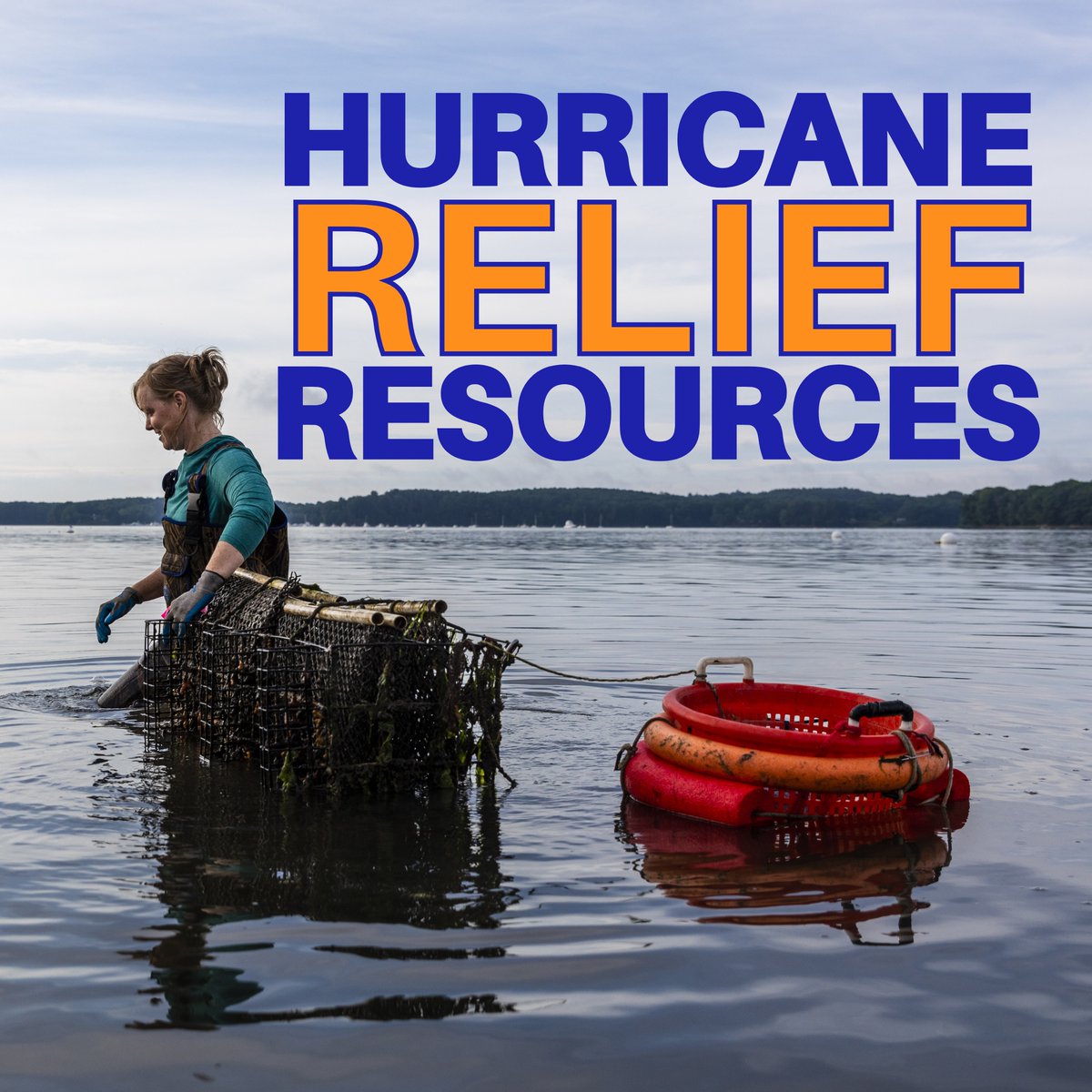
For Florida oyster growers, the impact of Hurricane Helen and Hurricane Milton will be felt for months -- if not years.
If your farm was affected by the storms, you can find financial resources and other support here: https://t.co/J5lJ4xzSWp
New Aquaculture Nutrient Removal Calculator lets #oyster growers estimate how much nitrogen their oysters remove from local waters: https://t.co/7uj5NT8l5B. Also generates a report growers can include in their aquaculture permit apps! #NEFSCScience#AquacultureWeek
Your voice is crucial. During national and local elections, remember to speak up for the future you want.
Learn how you can take action this November (and beyond): https://t.co/YXwP6I13SV
🚨Funding opportunity🚨 for projects that promote diversity, equity, inclusion and justice in the shellfish aquaculture industry.
Applications due November 1 - learn more and apply: https://t.co/ZyC3DfSy0d
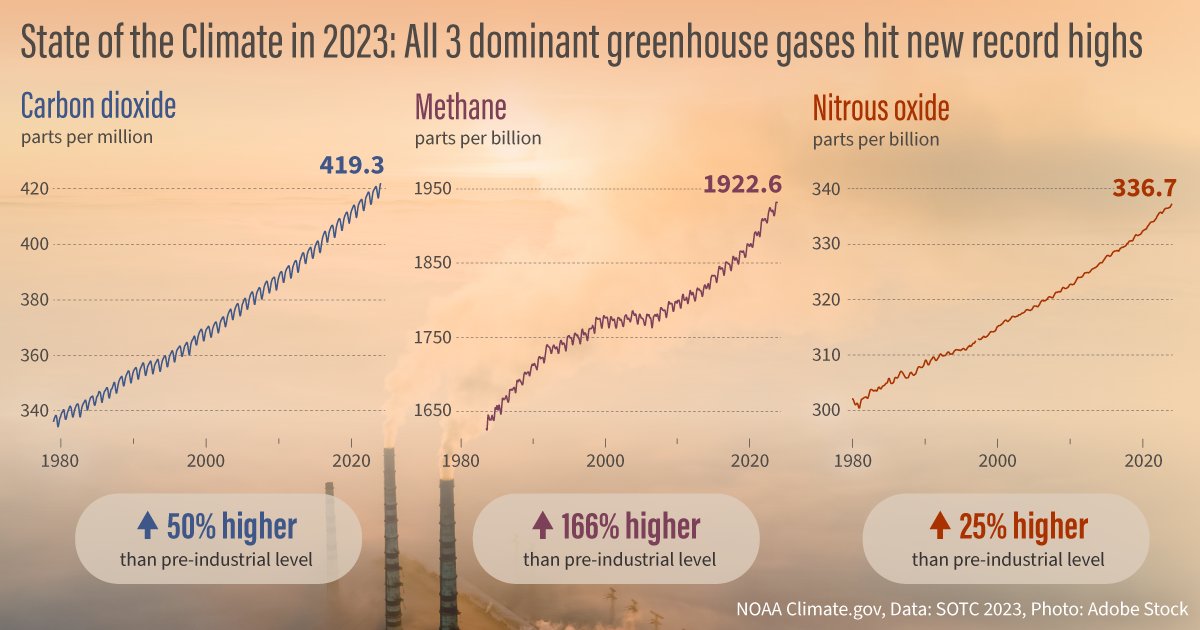
(1 of 4) JUST IN: International report, issued by the Bulletin of the American Meteorological Society (BAMS), confirms record-high global: Temperature, greenhouse gases, sea level & ocean heat in 2023.
Details: https://t.co/rZjv3yXRUg
#BulletinAMS
Join marine biologist Dr. Ayana Elizabeth Johnson and SGCC director Sally McGee at “Nature Talks: The Ocean’s Future is Our Future,” a special event by @TNC_CT featuring light refreshments, music, and interactive art.
RSVP: https://t.co/6lDZfq42yY
The school year is right around the corner, making it the perfect time to sign up for our partnership with @we_are_tci!
Learn more about this exciting opportunity for shellfish growers to educate and empower the next generation of climate leaders: https://t.co/vJVTsP3H1p
Happy National Oyster Day! Oysters are amazing - and so are the people who grow them. We feel lucky every day to work with this inspiring and impressive community. 🦪
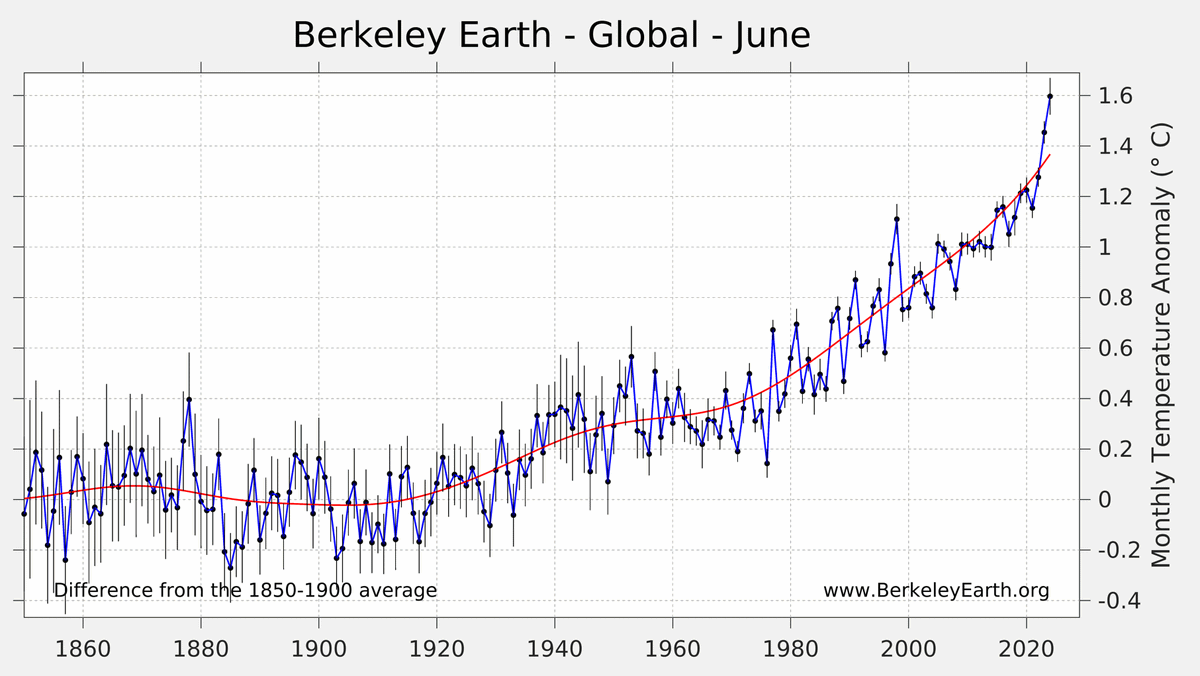
Global surface temperatures from @BerkeleyEarth are now out for June. It was the warmest June on record for land, oceans, and the globe as a whole by a sizable margin (~0.14C), and came in at 1.6C above preindustrial levels.https://t.co/z7qNwZIuqS
Mussel and seaweed aquaculture doesn't just provide a low-impact source of food for humans – it can also bolster biodiversity by creating habitat for wild fish species, according to new research.
https://t.co/HutmXWZI3h
#COFI36 has adopted the #FAO_GSA, a tool all countries can use to drive inclusive, resilient, environmentally friendly, sustainable #aquaculture.
A #BlueTransformation for today and tomorrow❗️
Learn more 👉 https://t.co/UtpgAA19ki
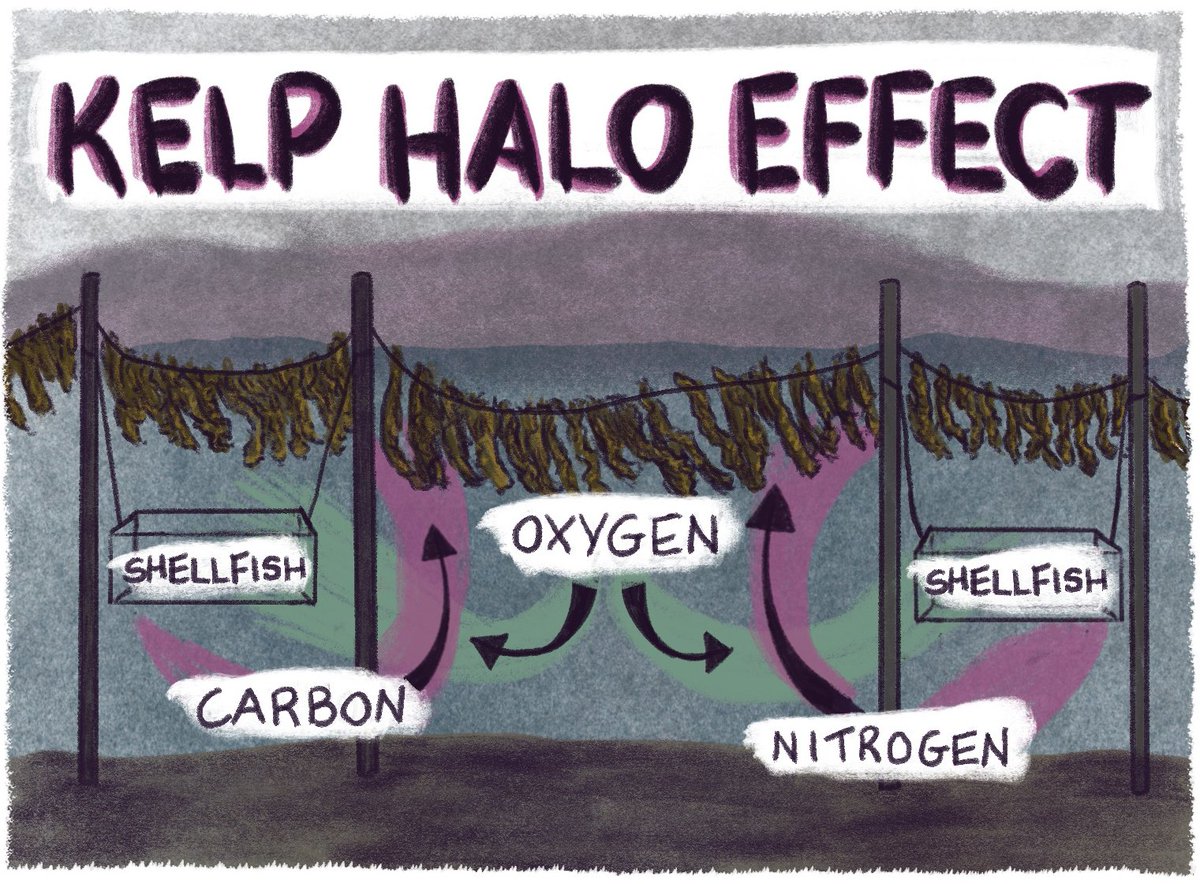
As the ocean becomes unfriendly for shellfish, seaweed could offer a solution.
Kelp soaks up excess nutrients like nitrogen and oxygenizes the waters around it. It can also pull 5 - 20X more carbon from the atmosphere than terrestrial crops.
https://t.co/cO5TvzUG9M
DRIVE TIME 🔊: Zack Greenberg, officer for the Environment at the Pew Charitable Trusts, joins @AnitaBonitaNEWS to discuss the Supporting Oyster Aquaculture and Resiliency (SOAR) program in Oyster Bay 🦪 https://t.co/9PMOY9DvCU
RATE OF GLOBAL WARMING AT ALL TIME HIGH
Global warming caused by humans is advancing at 0.26°C per decade – the highest rate since records began, according to new research by more than 50 leading international scientists. Even without 2023
https://t.co/uODWRoqtaT #climatechange
Looking for World Oceans Week plans? This Friday, SGCC manager Sally McGee will discussing the environmental power of oysters with @ExplorersClub –- followed by an oyster party!
Learn more and buy tickets: https://t.co/5MgfkicwiD
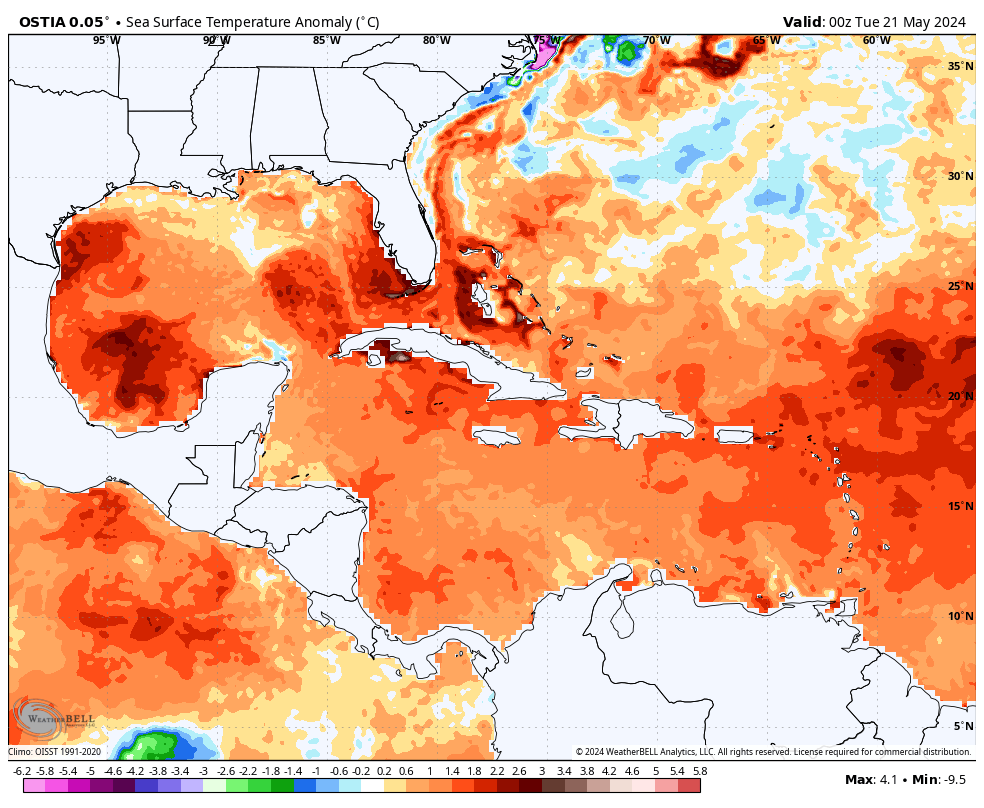
The Tropical Atlantic has never been this hot before in May.
A severe marine heatwave has developed across much of the Tropical Atlantic and Caribbean, with water temperatures up to 5-7°F above normal in some areas.
Water temperatures in the Caribbean have already exceeded peak hurricane season levels (mid-September). This will have significant implications for marine life and hurricane season.