Postdoc in the @theaglab interested in drug resistance, and protein degradation in cancer
Ph.D. in @SeoulNatlUni | Protein degradation, selective autophagy
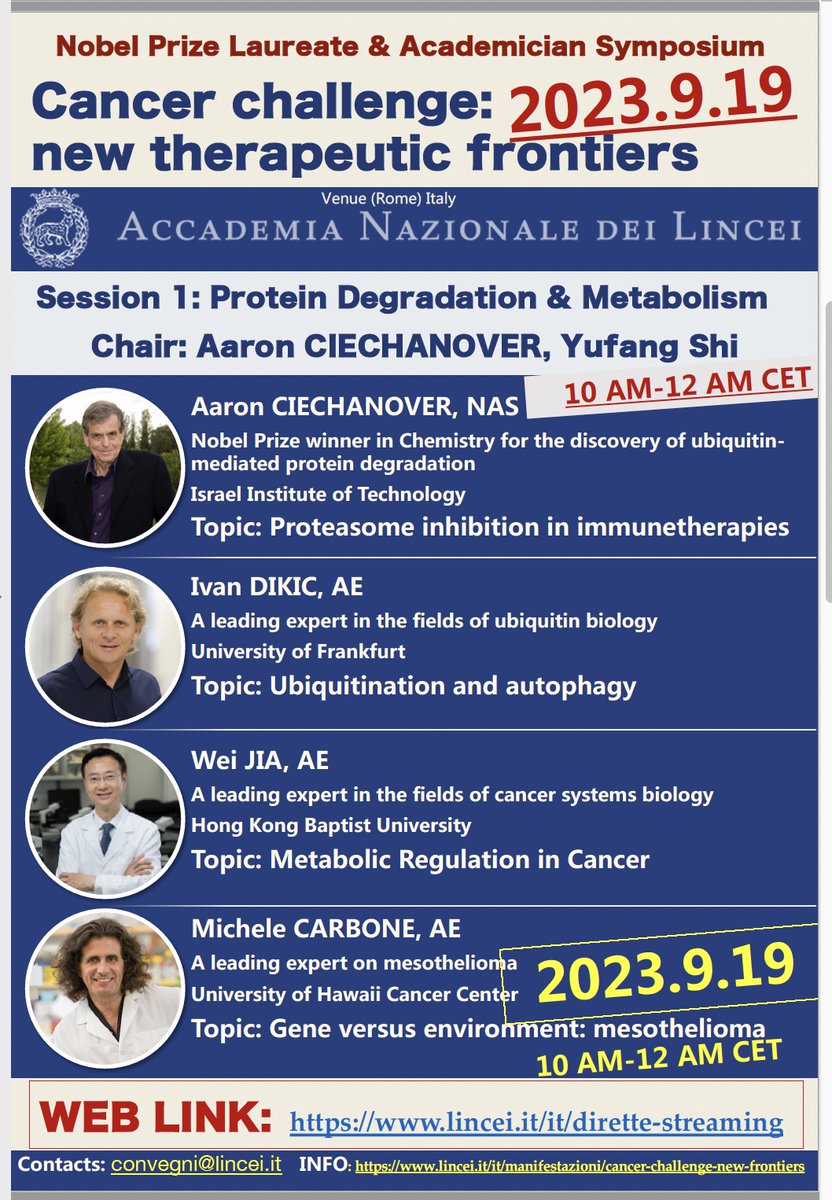
Session 1: Aaron CIECHANOVER, Ivan DIKIC, Wei JIA, Michele CARBONE. THE CANCER CHALLENGE....
Free participation
https://t.co/z56RJi6dWW
September 19th, at 10:00 AM
Registration for our 2nd in-person meeting is now open, featuring fantastic programs lined up!
We're also hosting 5-min flask talks, so if you're interested, please submit your abstract!
Registration: https://t.co/3UHVTnNdgE
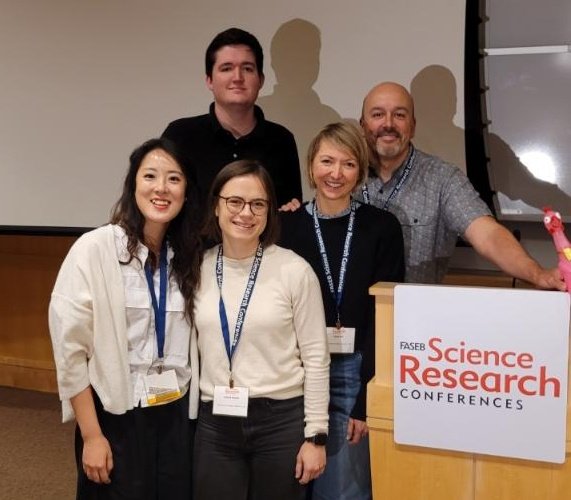
Many, many thanks to @FASEBorg, our various sponsors, and the BEST CONFERENCE TAC TEAM one could wish for (from left):
Su Hyun Lee & Juliane Grimm (#HMSRC acellerators), Liam Mulholland (AV wizzard).
This example highlights that just inducing proximity between two proteins is not enough to trigger degradation; crossing the threshold is necessary for effective translation of induced proximity into degradation, and medchem effort did its job!
A tour de force from @mike_tilapia on functional assessment of UPS machinery for TPD or TPS.
Interesting to see that there is a huge difference in the activity of E3s (or E2s), I always wonder where this difference comes from, if it's just based on proximity.
Monitor autophagic flux in mammalian cells easily with our new method, now out in @eLife! Pulse-labeled HaloTag reporters are processed in lysosomes, releasing proteolysis-resistant labeled Halo. Free labeled Halo amount = autophagic flux! →western/in-gel fluo/microsc./flow cyto
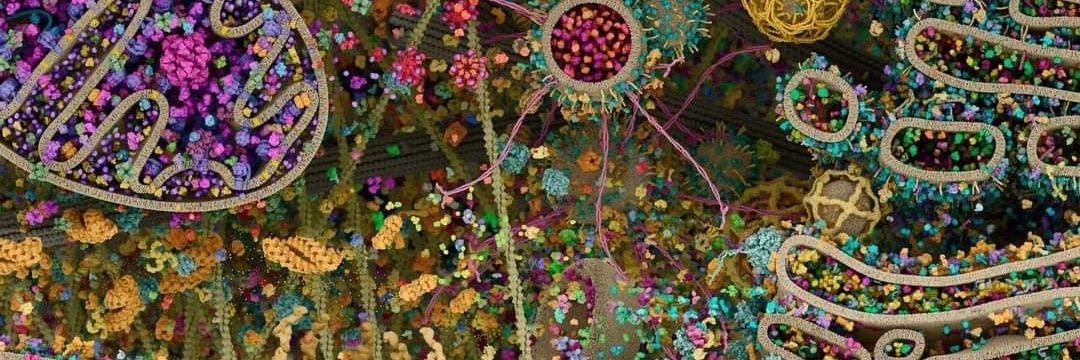
We made a surprising discovery: the yeast cytosol can store mitochondrial precursor proteins in dedicated granules which we named MitoStores. MitoStores are controlled by the chaperone network and protect cells against mitoprotein-induced stress. https://t.co/FpFJPLIeHC
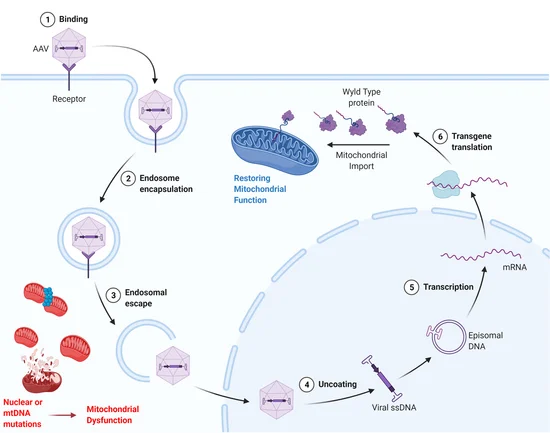
Happy to share our latest review on "Gene Therapy for Mitochondrial Diseases: Current Status and Future Perspective".
Thanks to @BottaniEmanuela@iva_dime@DrGiuliaMassaro, Alessia Di Donfrancesco and Valeria Tiranti for their contribution
https://t.co/BTtsAsB1vW
A short binding site in the KPC1 ubiquitin ligase mediates processing of NF-κB1 p105 to p50: A potential for a tumor-suppressive PROTAC https://t.co/0HJoeT2RUj
Check out the weekly collection of papers on #autophagy, #disease, and #therapeutic strategy.
@BiomedNew recommended interesting and insightful papers! Thanks
https://t.co/a4N9xQW44K