Discussion open for comments on @EgUsphere: Projecting the Response of Greenland's Peripheral Glaciers to Future Climate Change: Glacier Losses, Sea Level Impact, Freshwater Contributions, and Peak Water Timing https://t.co/U4tzchphWo
Discussion open for comments on @EgUsphere: The atmosphere-land/ice-ocean system in the region near the 79N Glacier in Northeast Greenland: Synthesis and key findings from GROCE https://t.co/W9zdAQtlw6
🌍✨ Join us at #EGU24
🔍 Discover how high-resolution climate data is key for accurate glacier🏔️ & freshwater runoff modeling and how even coarse datasets can yield accurate simulations with proper regional scaling.
https://t.co/tYblV0PeNi
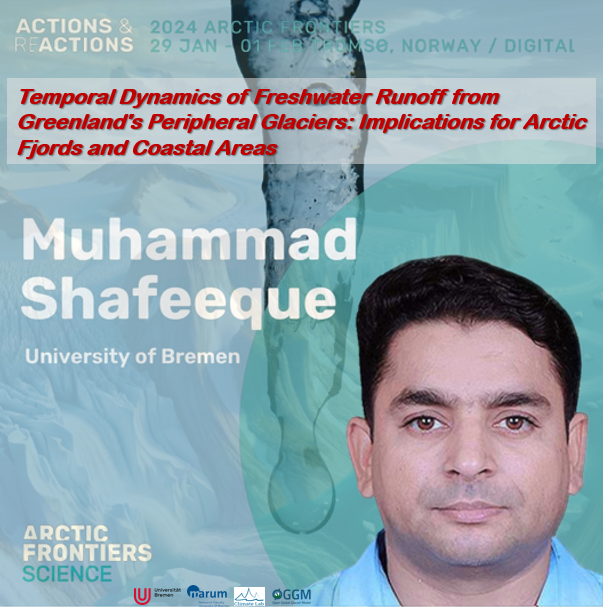
Join us @arcticfrontiers 2024 (https://t.co/i9gTuaej28) for a deep dive into 'Temporal Dynamics of Freshwater Runoff from Greenland's Peripheral Glaciers’ using @OGGM_org. Discover how these changes might impact Arctic fjords & coastal areas. 🏔️💧🌊🌍 #ArcticResearch@GROCE79N
The new gridded annual #Glaciers mass change product is published! The new 0.5 degree gridded netcdf format will enable easier cross-correlation with other #ECV products and produce more accurate global hydrological assessments. Check it out at: https://t.co/q3snP3pqcS
New research sheds light on the future of agriculture in Pakistan under climate change. Discover how crop water needs will shift, with profound implications for food security. 🌱🌍 #ClimateChange#AgricultureResearch#Pakistan
https://t.co/oyfHdqCPr2
New research underscores the significance of groundwater recharge for ensuring sustainable future water availability in Pakistan, nation grappling with water scarcity. Prioritizing this can be a game-changer for the region. @IWMI_Pakistan @drmohsinhafeez
https://t.co/k20ZpvgrkN
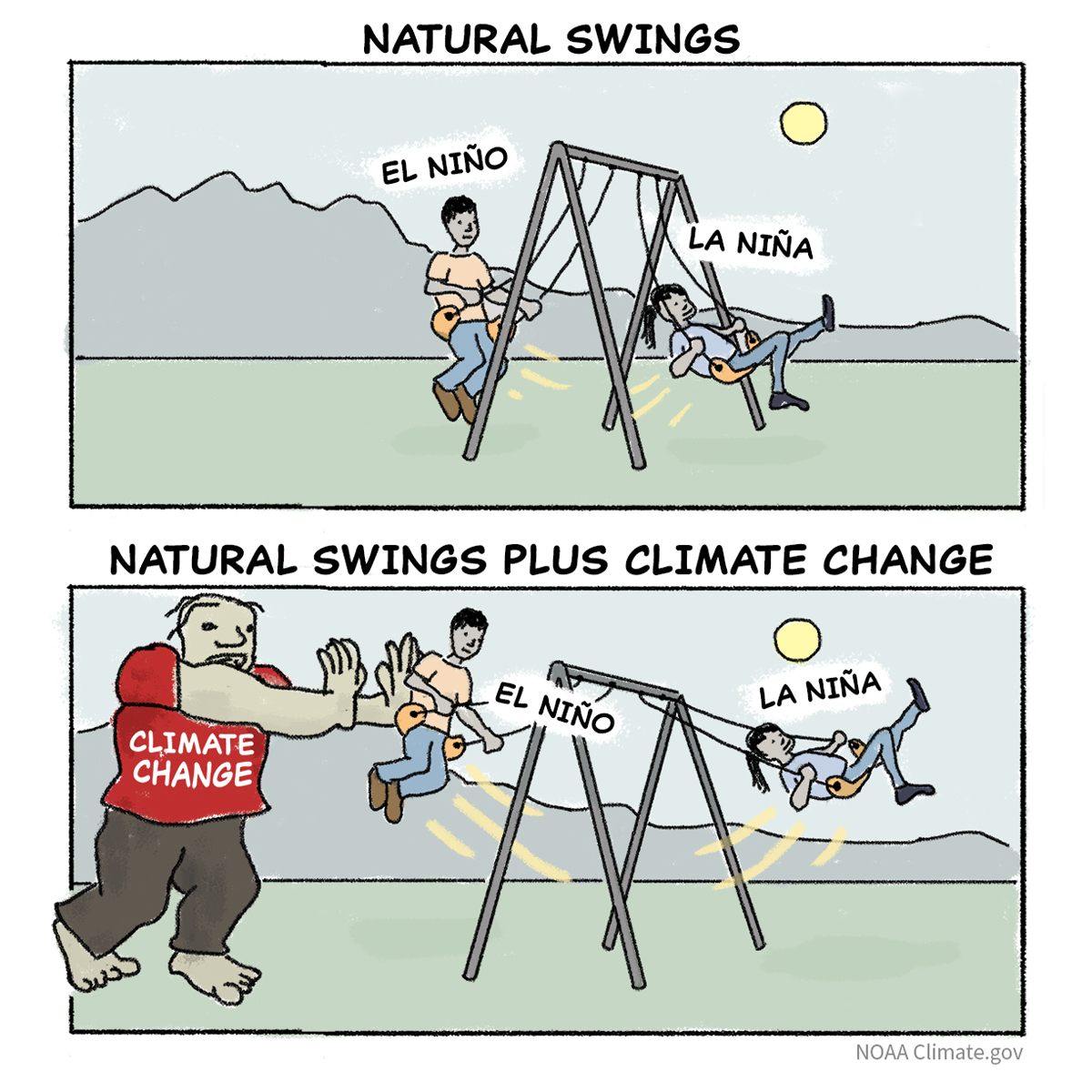
The swings between El Niño and La Niña have been bigger in recent decades than earlier ones. Our guest blogger at the ENSO Blog covers new research pointing the finger at human-caused climate change.
https://t.co/KwZnsoRsFS
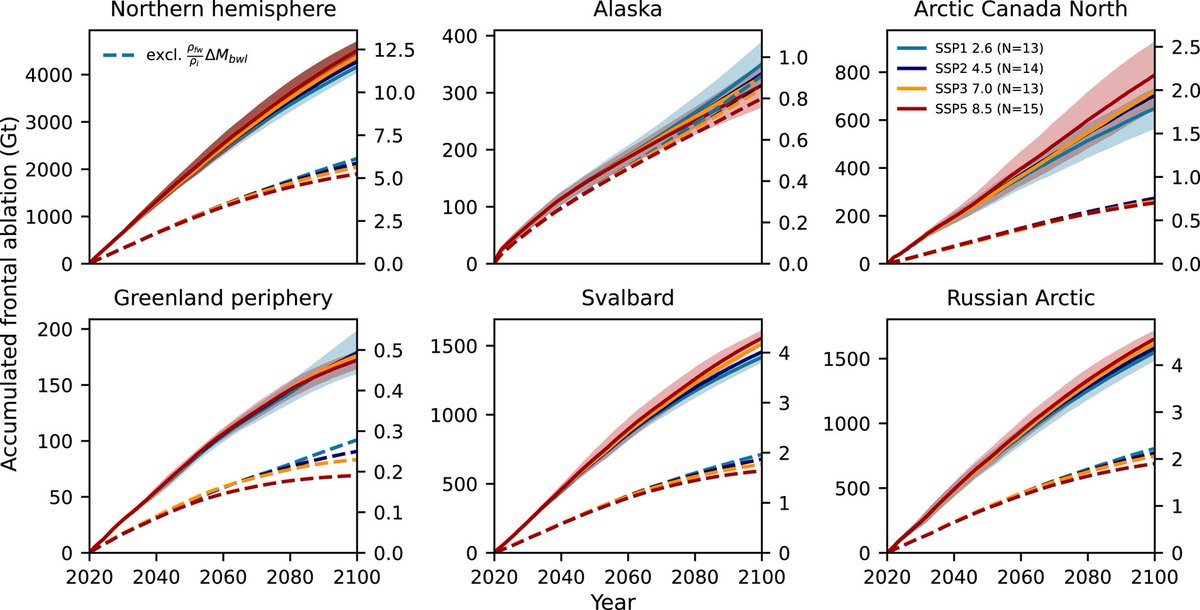
New JOG paper! "Exploring the impact of a frontal ablation parameterization on projected 21st-century mass change for Northern Hemisphere glaciers” by J-H Malles, F Maussion, L Ultee, W Kochtitzky, L Copland, B Marzeion -> https://t.co/iLniDLGcba @OGGM_org @marum_de @FabClimate
Half the world's glaciers could be gone by 2100 if more #ClimateAction isn't taken - which means sea level rise, economic cost and threats to the fresh water supply for billions, says Prof @DaveRounce. "The changes are very large, very rapid- it's pretty remarkable."
"Every increase in temperature matters" if we want so save our planet's #glaciers.
New study led by @DaveRounce just out in @ScienceMagazine
https://t.co/JiHIHPOvoV
Even though many glaciers' destiny is sealed, fast reduction of emissions can prevent the worst impacts (1/4)
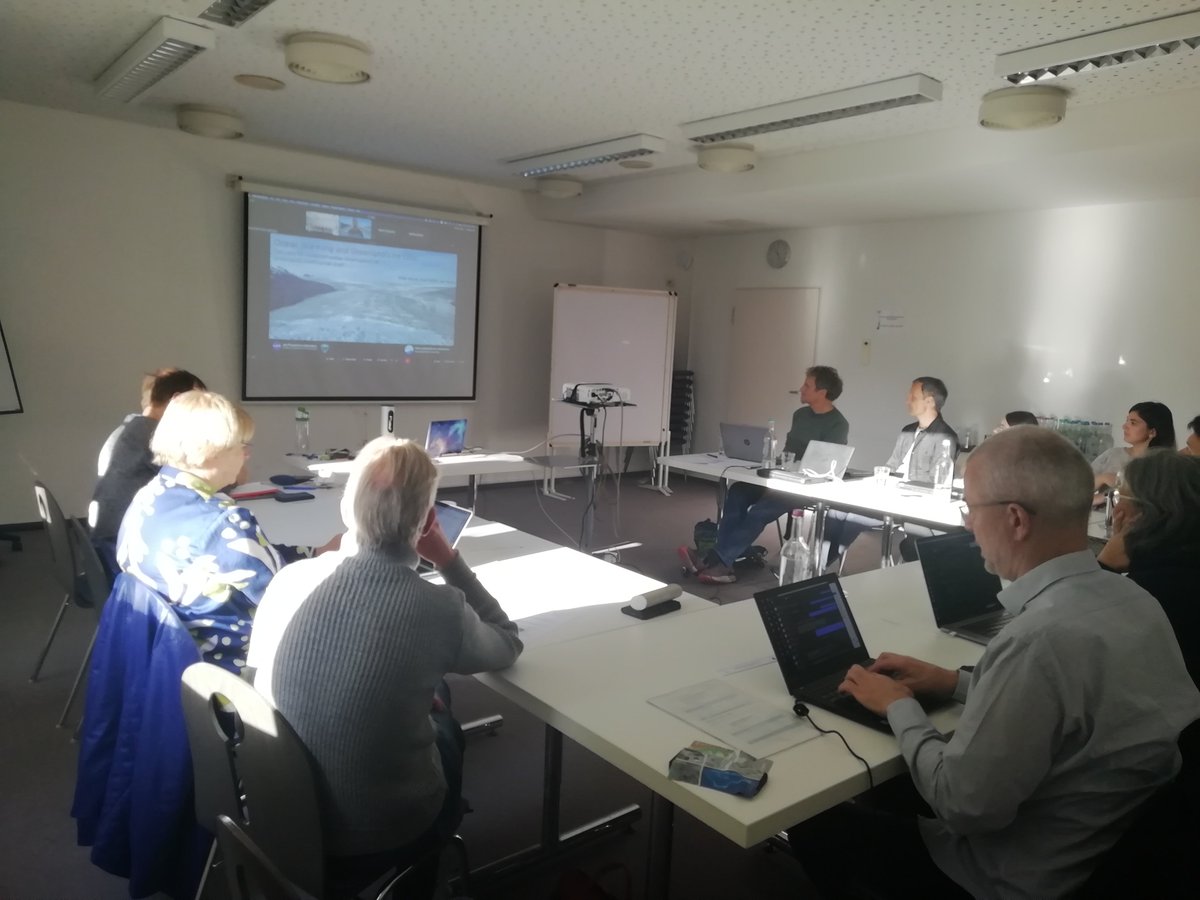
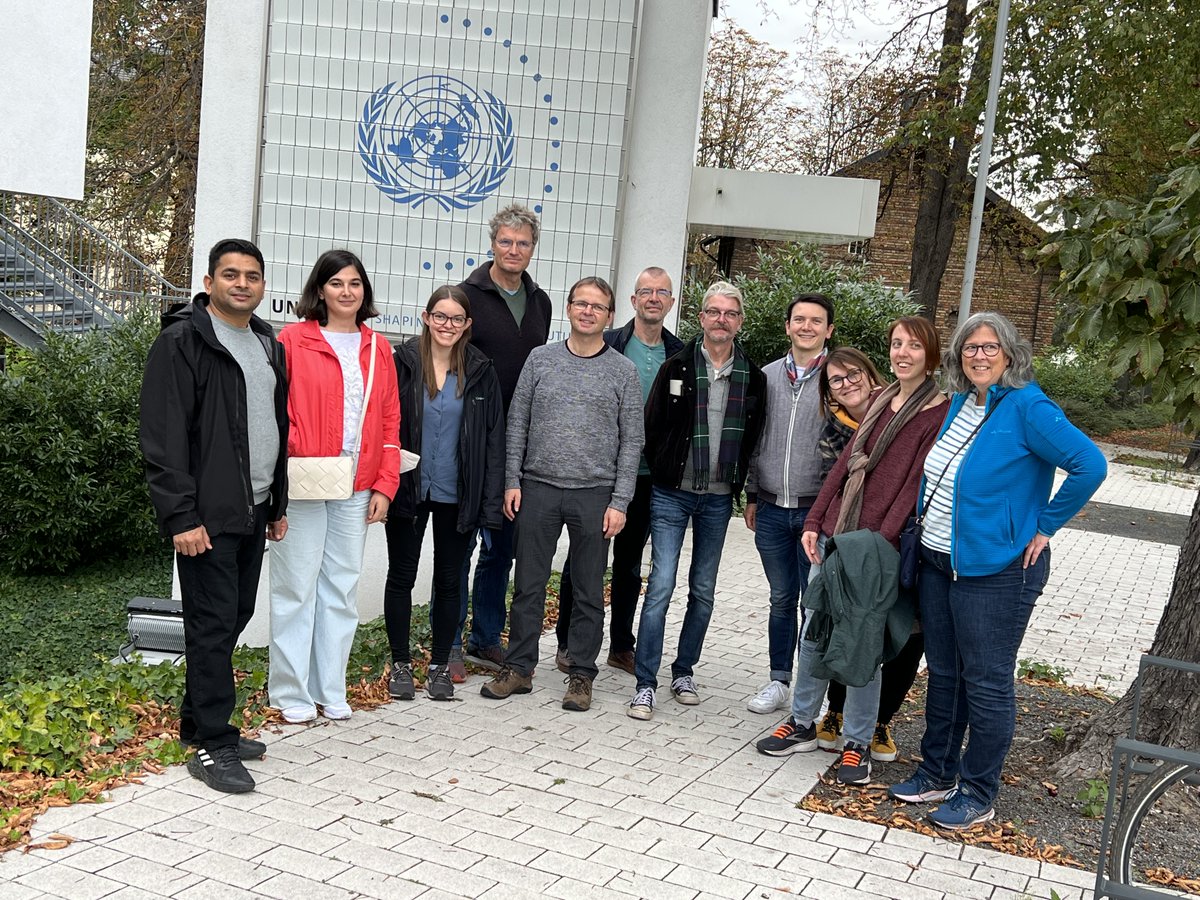
Lots of exciting results about the Greenland system have emerged from our GROCE community in the last year(s)! How to synthesise them all and push our understanding of changes to the Greenland ice even further?
This was our focus last week, at our yearly status seminar in Bonn!
And catching up on some summer "adventure" on Greenland glaciers, have a look at this post from our colleague Angelika Humbert and Matthias Braun:
https://t.co/9NxEx9hWw3
Recovering instruments up there is sometimes not such an easy task... 🚁🧊❄️