New in Hydrobiologia: Existing open-access river barrier databases fall far short for #fisheries and #biodiversity management needs in south Asian transboundary rivers https://t.co/Nw3Iks427u https://t.co/9bGakJB8VP
Out now in AQC: understanding the human dimensions of trade in endangered Ganges River dolphin
@Tasnima_Mim@Tennis_Satil198@JingruiS
https://t.co/od8PmUydbu
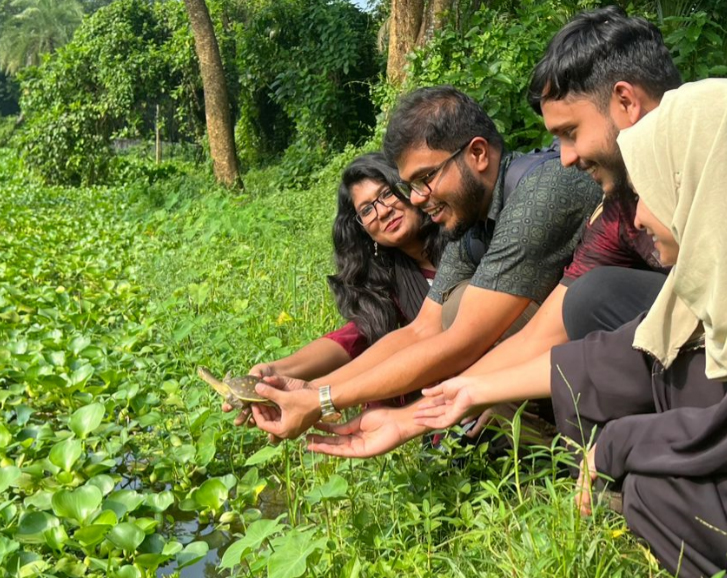
Meet Siri-a Lissemys punctata turtle rescued from illegal wildlife trade in Bangladesh by us. Once abundant, these vulnerable turtles are now rare due to overexploitation. After a safe rescue, Siri was released back into the wild #SaveChelonians#SaveWildlife
Excited to share my latest publication on Socio-ecological complexity in managing long-standing invasive water hyacinth in wetland agriculture and fisheries. 🪻
@ShamsGalib@MobassherH24348
https://t.co/vPuQ01psWW
@GrockeSIBL of @DurUniEarthSci shares his expert insight after it was revealed that nearly a million tonnes of raw sewage was released from a pumping station into the North Sea in 2024. Read the full article from the BBC.👉 https://t.co/YPz58FMzqw
Excited to share my latest publication on Conservation Challenges for Threatened Indian Flapshell Turtle Lissemys punctata (Lacépède, 1788) in the Largest Wetland of Bangladesh.
@ShamsGalib@MobassherH24348#Wetland#Conservation#ThreatenedSpecies
https://t.co/ogLVFlCEJ1
NZ Post has released a new series of stamps featuring native pollinators. I don't think most NZers appreciate that the common bees and bumblebees we see are introduced. The stamps all feature insects, but the 1st Day Cover depicts a native bat also. #stamps
Its alarming!!!!!
Expansion of aquaculture threatens the existence of wetlands in Bangladesh.
More details at - https://t.co/88GdyLI0eo
#ecosystems#ecology#biodiversity
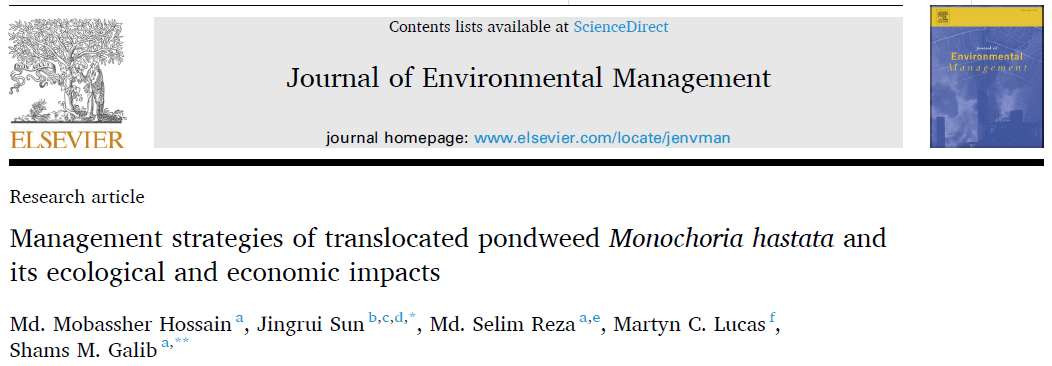
Now published in the Journal of Environmental Management! We evaluated, for the first time, the effects of the translocated pondweed Monochoria hastata on fish and rice production in two wetland habitats. @DurUni_Aqua_Lab@JingruiS@MobassherH24348
https://t.co/PDqdguMOO9
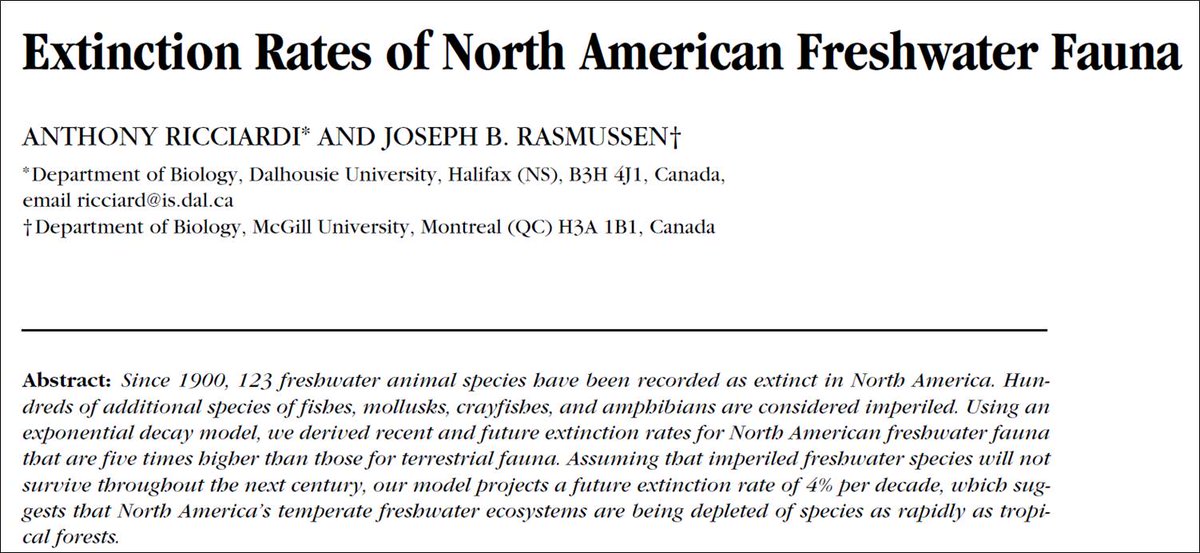
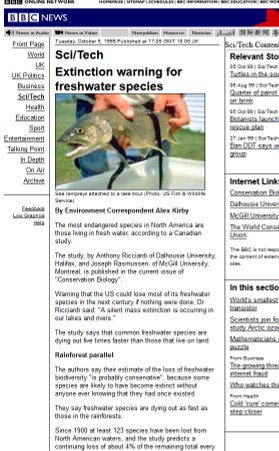
The most important study I've done in my career (25 yrs ago) revealed that freshwater animals were disappearing 5X faster than land animals in N. America -a loss rate similar to tropical rainforests. I was naive enough to think this finding would change the focus of conservation.
They captured visual evidence of a critically endangered bird not seen alive since the 19th century. The genuine passion & joy they feel from this discovery is exactly why many of us become scientists.
12 year Invasion dynamics in the intermittent streams of Addo Elephant National Park https://t.co/AiusVY0BX1
Drought pools are a double edge sword of refugia for vulnerable barbs and minnows but also allow bass to persist in others.
@SANParks @ScienceLeeds @NRF_SAIAB
There is still a week left to apply for this fully funded (for home and international students) PhD with me at @UniofOxford on multiple stressors in wetlands. Come join our lab! #ecology#phdlife#biology
PhD opportunity w. me & @e_j_duncan @ScienceLeeds on predicting #invasivespecies impacts in freshwaters as part of my #UKRIFLF
Excellent ops for career dev, travel, fieldwork & a really sound lab group.
Get in touch!
https://t.co/K0kyikhIW8
If this continues and grows it will cause devastation to our ecosystems 😞
Mass mortality event in South American sea lions (Otaria flavescens) correlated to highly pathogenic avian influenza (HPAI) H5N1 outbreak in Chile
https://t.co/V8CzEQP5C5