Great Nicobar Project: FAQs
The Great Nicobar Project is a strategic initiative to strengthen India's presence in the Andaman Sea. It seeks to balance port-led growth with calibrated environmental safeguards. Protection of indigenous communities remains central to its planning. The project combines strategic, economic, and ecological priorities. This ensures that development is sustainable, inclusive, and aligned with national interests.
The following FAQs provide an understanding of the key aspects of the project:
▶️Does the Great Nicobar Island Project serve a clear strategic and national purpose?
The Great Nicobar Island Project is a project of strategic, defence, and national importance, undertaken after due diligence and careful consideration. It is of critical national security and strategic significance. The project will substantially strengthen India's presence in the Andaman Sea and Southeast Asia, enhance maritime and defence capabilities, and integrate the island with global trade and logistics networks. It will also establish a major international transshipment terminal with distinct locational advantages over competing ports in the Bay of Bengal region, positioning India as a key economic and strategic hub.
▶️Is the project well-planned, feasible, and designed with long-term impact in mind?
The environmental impact of the project has been assessed in a detailed and multi-tiered manner in accordance with the Environment Impact Assessment Notification, 2006 and Coastal Regulation Zone Notification, 2019, wherein due consideration has been given to the ecological sensitivity and biodiversity value of the island. Based on such assessment, a robust Environmental Management Plan, along with stringent and enforceable conditions, has been prescribed to avoid, minimise and mitigate any potential impacts.
🔗https://t.co/bcdM8nWq8x
Read more: https://t.co/XEKevKXgCu
Istio Sidecars are dying.
Here is why we are moving to Ambient Mode👇
We have been testing Ambient Mode since it became GA, and it saves up to 𝟳𝟬% 𝗿𝗲𝘀𝗼𝘂𝗿𝗰𝗲𝘀 compared to the traditional sidecar model.
The Ambient architecture is more efficient by design.
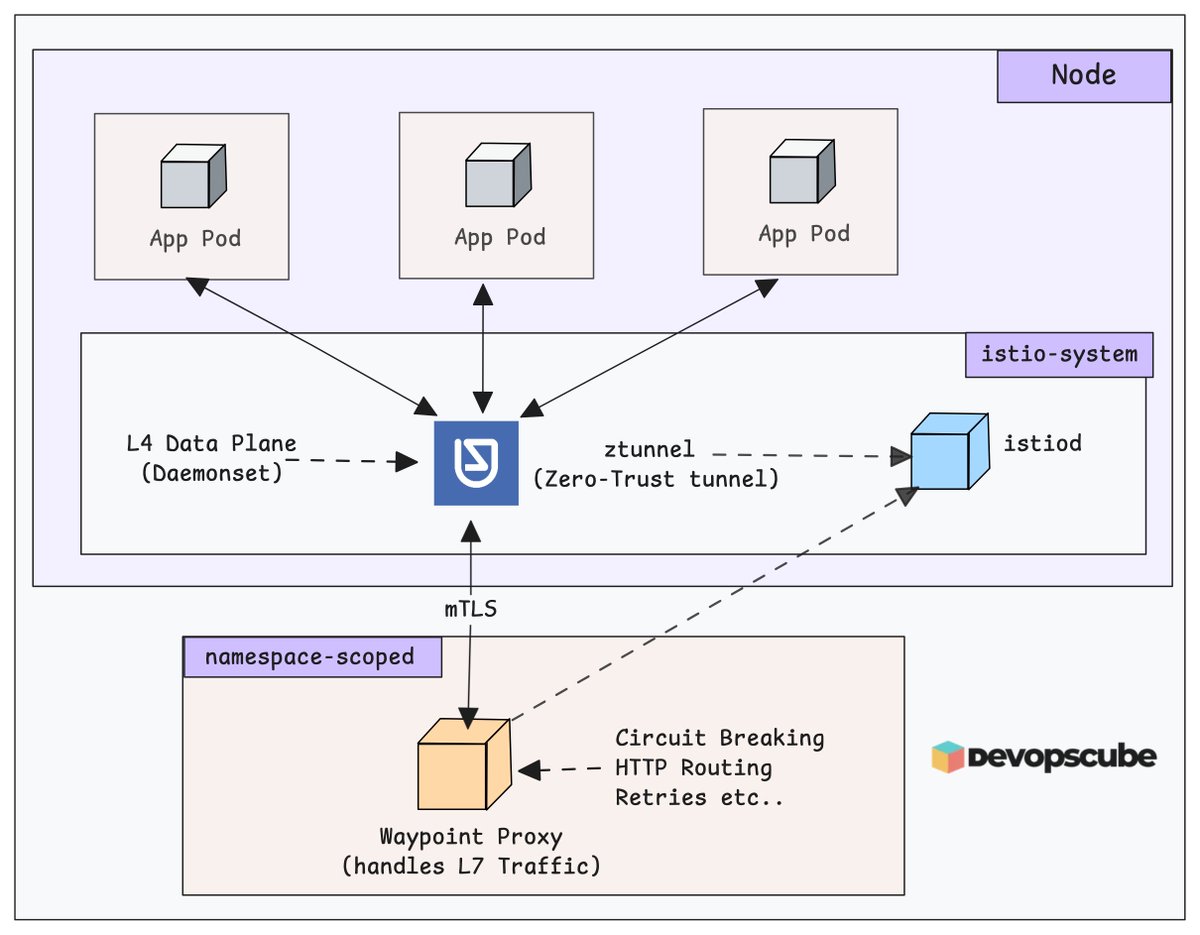
Instead of running a sidecar in every pod, ztunnel handles L4 traffic at the node level,
While waypoint proxies handle L7 features only where they are actually needed.
Because of this layered approach,
You do not pay the cost of L7 processing unless you really need features like weighted routing or deeper observability.
The setup uses Helm charts to deploy the core components (Istiod, CNI, ztunnel) along with Kubernetes Gateway API CRDs.
You can enable Ambient Mode simply by adding labels to namespaces or pods.
Waypoint proxies are deployed using the Gateway API and can be applied at the namespace, service, or even pod level.
We tested both L4 and L7 traffic management using sample applications.
𝗗𝗲𝘁𝗮𝗶𝗹𝗲𝗱 𝗚𝘂𝗶𝗱𝗲: https://t.co/fnRfL5EdDI
𝗧𝗶𝗽: Do not enable Waypoint proxies everywhere. Start with L4 for security (mTLS) and add L7 only where it requires.
For production setups, use Helm along with GitOps tools like ArgoCD or Flux for proper version control.
The best part is that,
Sidecar mode and Ambient Mode can run together in the same cluster, which makes migration slow, safe, and practical.
Ps. Do you have any thoughts?
Drop them in the comments!
#istio #istioambientmode #devops
#icicilombard@ICICILombard@irda_qc@MoHFW_INDIA
Harassement by Icici lombard insurance company, waiting since morning ON HOSPITAL BED for cashless claim, but they keep raising new query like all test report from childhood. Who keep old such if therebe when getting hospitalize
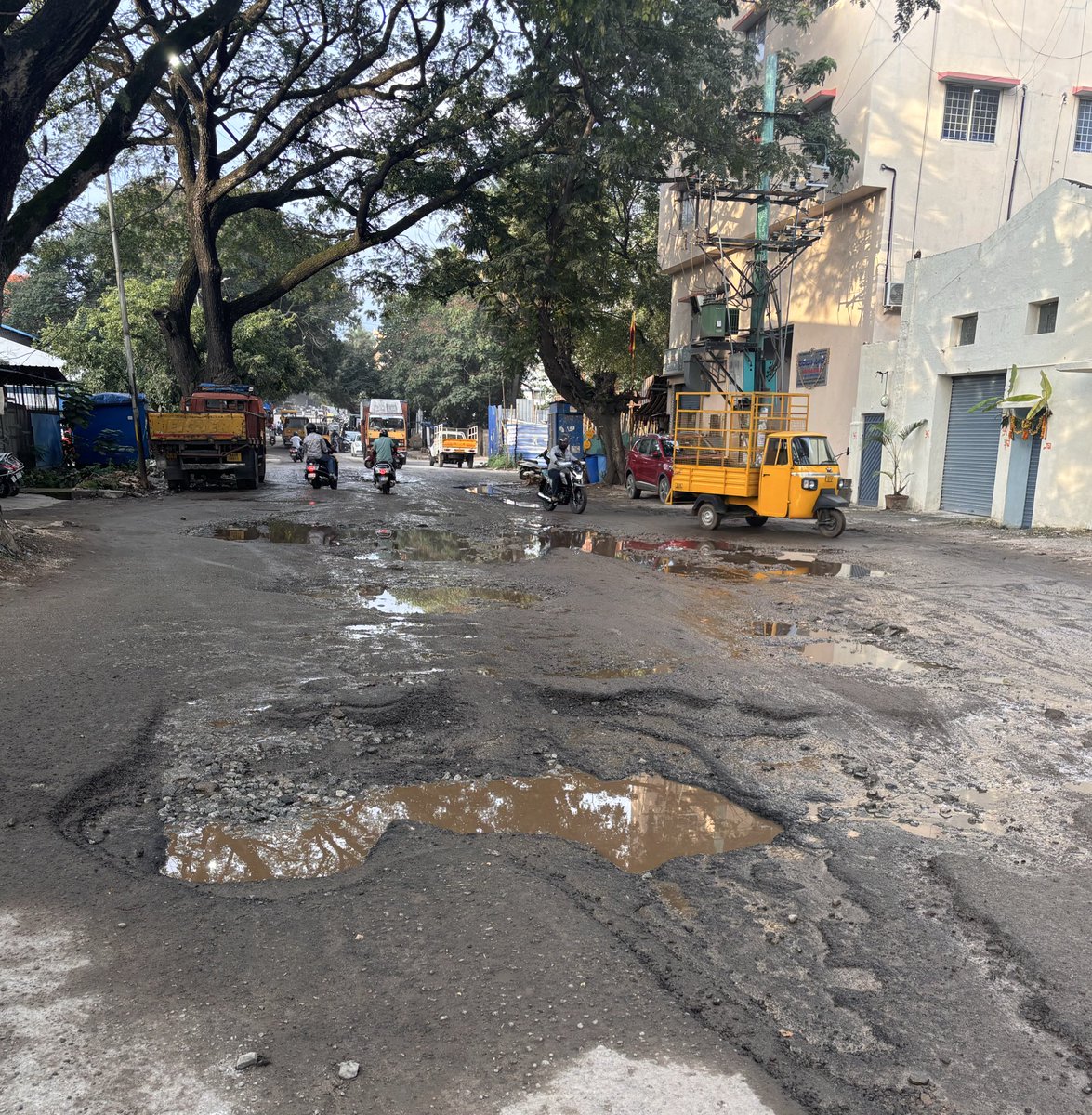
This is Bengaluru.
The so-called tech capital where roads look like moon craters, and rain turns every lane into a swimming pool.
Billions in taxes, zero accountability. 🙏
END CROSS BORDER TERROR OR FACE EXTINCTION ULTIMATUM
Indian Army Chief General Upendra Dwivedi: If Pak keeps exporting terror we will not maintain the restraint that we did in Op Sindoor...next time we will do something that will make Pak think twice..."
beat my Pothole Patrol high score
Varthur Road is something else. it's actually shorter than Sarjapur Road, yet has more potholes. can't imagine this being my daily commute, would require nerves of steel and surplus sanity
which road should I patrol next?